Popobawa's Trace: The Invisible Pressure
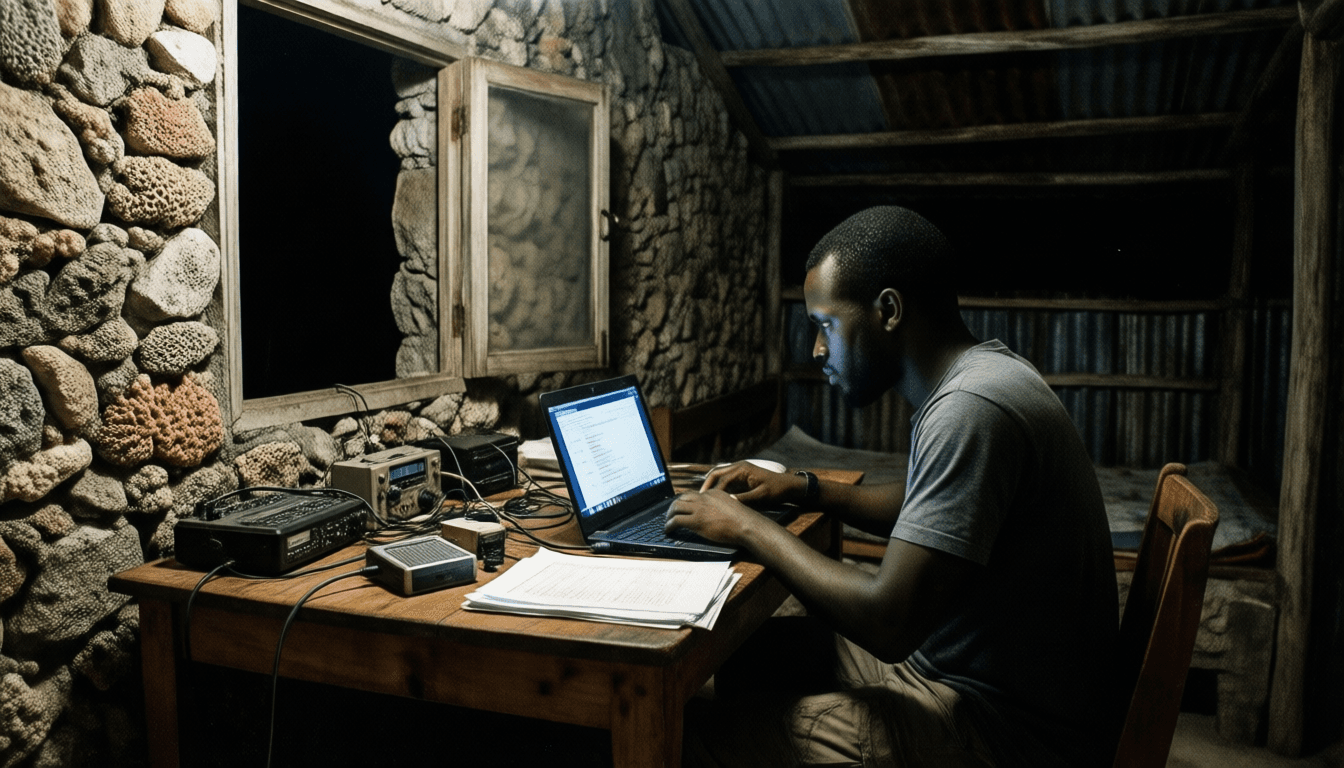
The digital footprint of fear can spread as widely as whispers carried on the night wind. My first encounter with the derived legend of Popobawa was not through obscure ethnographic texts, but through an archived series of local community forums and news articles translated from Zanzibar in the early 2000s. These were not sensational reports, often dismissed. These were grounded stories, repeatedly reported from numerous, unrelated villages across Pemba and Unguja islands.
Police records, while stripping out supernatural conjecture, documented a surge in nocturnal home invasions without forced entry or theft. Victims commonly reported an overwhelming, suffocating pressure, often an acrid sulfuric odor, and the impression of a shadowy, winged figure. One particularly chilling blog post, now deleted but preserved in an anonymous archive, detailed an incident where a family of four simultaneously reported paralysis and being pressed into their beds by an invisible weight. The post concluded with a single Swahili phrase repeated in the comments: "Popobawa, anakuja gizani." Popobawa, it comes in the dark. This consistency, the sheer number of credible local testimonies detailing physically inexplicable, similar phenomena, drew me to deeper investigation.
My arrival in Zanzibar was during the sweltering off-season. The air was thick and heavy with humidity, the scent of cloves, and salt. I chose a dilapidated guesthouse in a remote village on Pemba Island, historically known to be proximate to Popobawa sighting reports. The building comprised traditional coral stone walls, narrow windows, and a tin roof – simple, stark, offering little solace against the unseen.
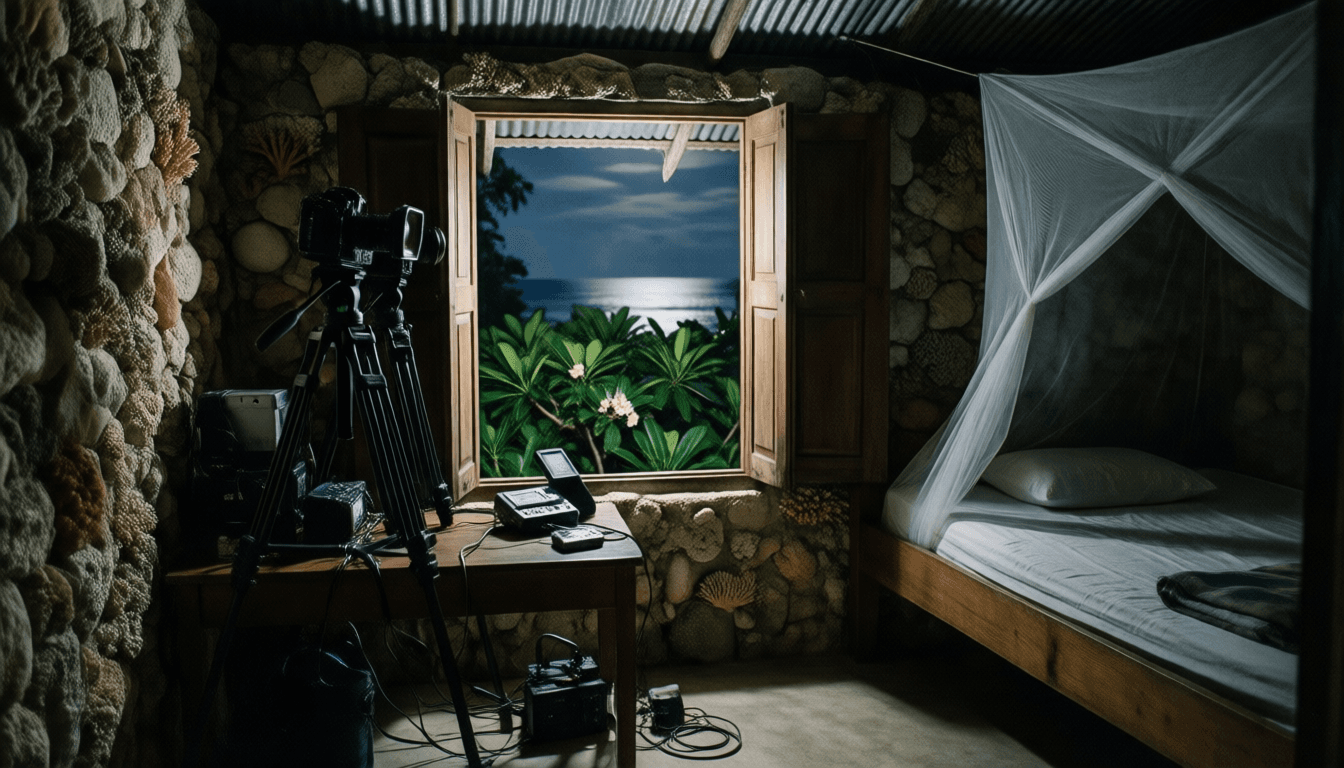
The locals were initially wary, but shared their stories in hushed tones. They spoke of "those nights," "the pressure," and "the shadow that leaves no trace," without directly naming the entity. Their fear was not a superstitious dread, but a deeply inherited caution. My room was on the second floor, a spartan space with a small, unbarred window overlooking lush, tangled plumeria and beyond it, the dark, moonless expanse of the Indian Ocean. I set up all my equipment: a low-light camera, high-sensitivity recorder, thermal imager, and precise barometric sensors, calibrated to detect even the slightest anomaly. The first hours of the night passed in humid silence, broken only by crickets and the distant lapping of waves.
Around midnight, subtle changes began. The incessant chorus of tropical insects outside the window started to recede, not vanishing abruptly, but rather fading as if a volume dial was being slowly turned down. An immense, unnatural silence settled over the village, swallowing even the distant waves and the creaks within the old guesthouse. The air in my room, previously still and heavy, began to take on a distinct, localized chill, as if I had stepped into an isolated pocket of cold air, despite the humidity still being overwhelming. Goosebumps rose on my skin.
The thermal camera didn't register an immediate cold spot, but the barometric sensors began to show subtle, erratic fluctuations. These were barely above baseline but distinctly different from a stable atmosphere. I noticed the shadows in the corners of the room deepen, losing even the faint outlines cast by the minuscule moonlight filtering through the window, becoming absolute voids.
A faint, almost imperceptible scraping sound began on the tin roof directly above me. It was irregular, soft, as if something heavy was being slowly, deliberately dragged towards my section. It wasn't the movement of a rat or a tree branch; it had a deliberate, weighty texture. The barometric sensor fluctuations became slightly more pronounced, simultaneous with the scraping. My breath caught, a cold lump forming in my stomach.
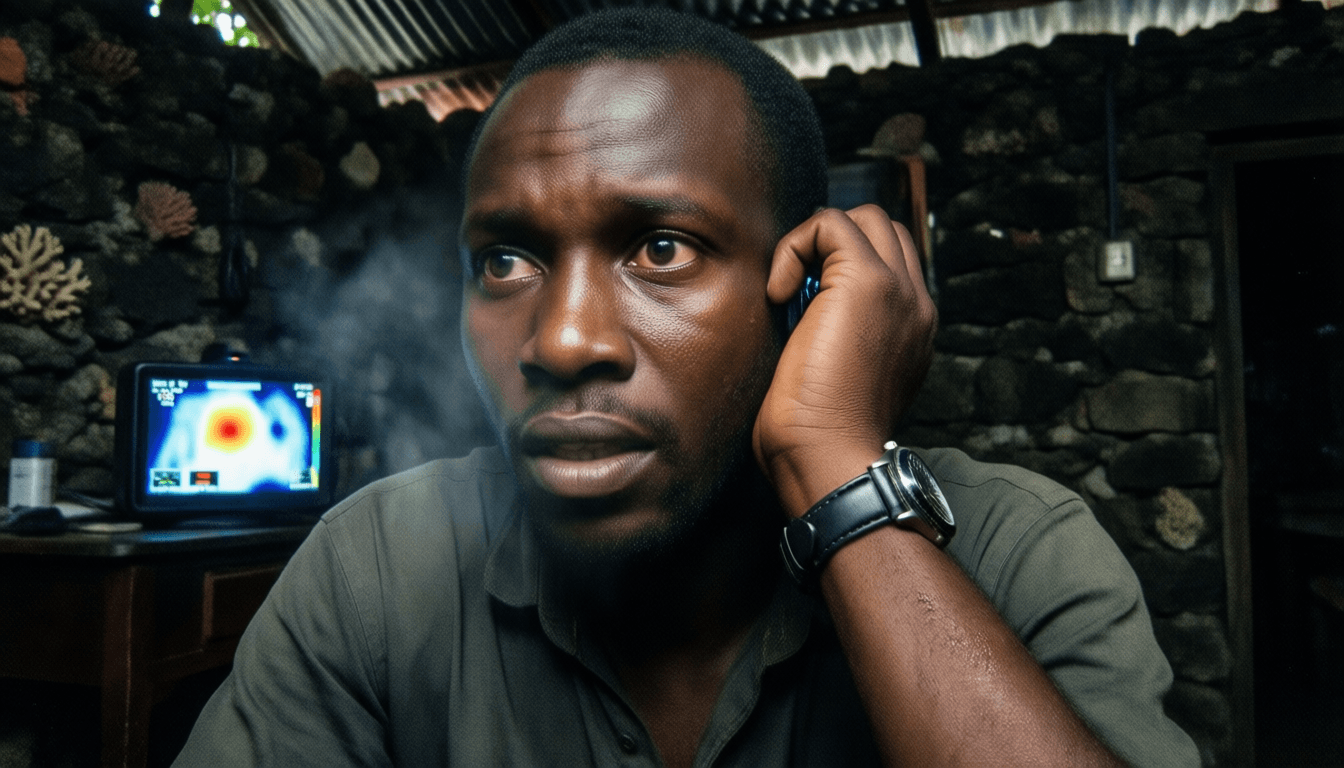
The scraping stopped directly above my bed. The barometric sensor spiked sharply, then plummeted, as if a localized vacuum had briefly formed. The subtle chill in the room intensified, enveloping my exposed skin. Then, an immense pressure suddenly struck the tin roof above me. It wasn't a thud; it was a crushing sound that seemed to distort the metal and resonate through my bones. Dust, plaster, and a few loose splinters of wood rained down.
The room's temperature plummeted further, and the air became impossibly heavy, making it difficult to draw breath. My ears rang painfully. The shadows in the room moved. Directly above my bed, they coalesced into a formless, deep black smudge, defined by an absolute absence of light. My camera struggled to focus, its autofocus mechanism whirring in vain.
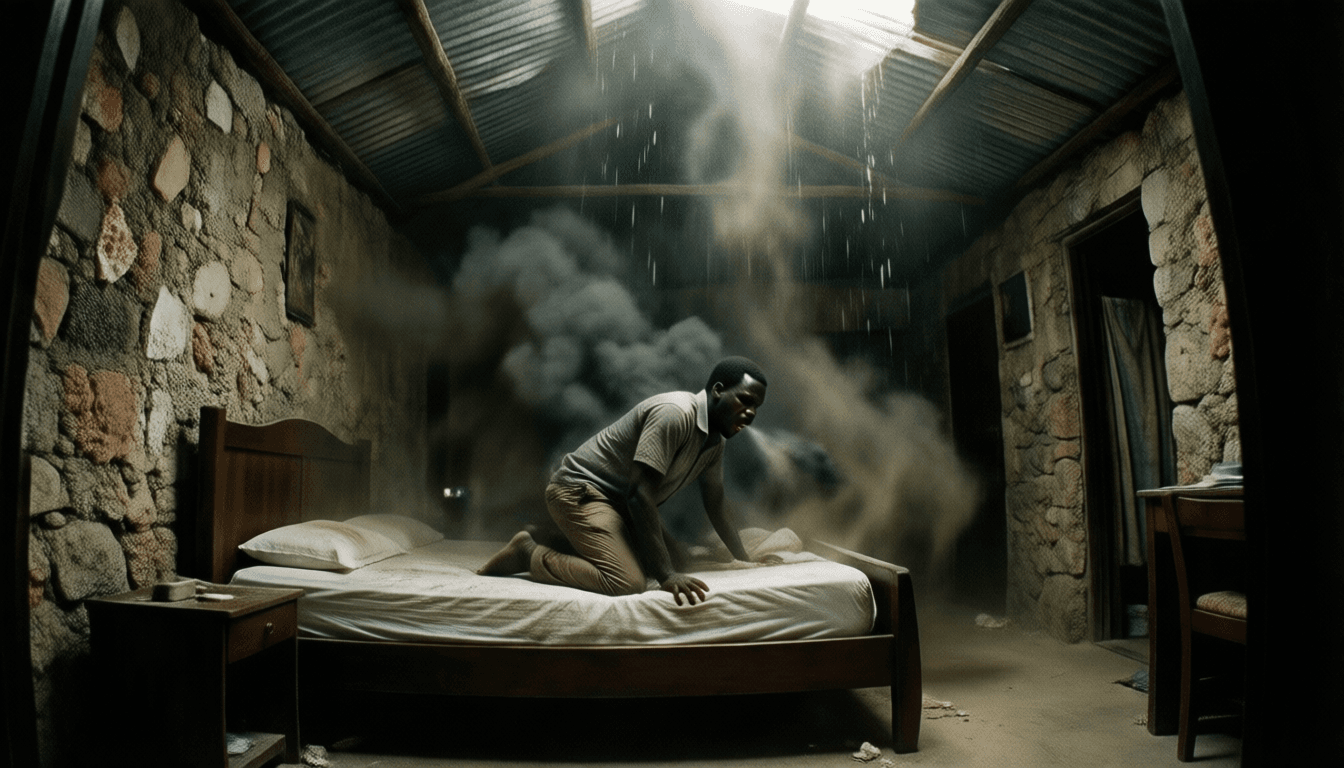
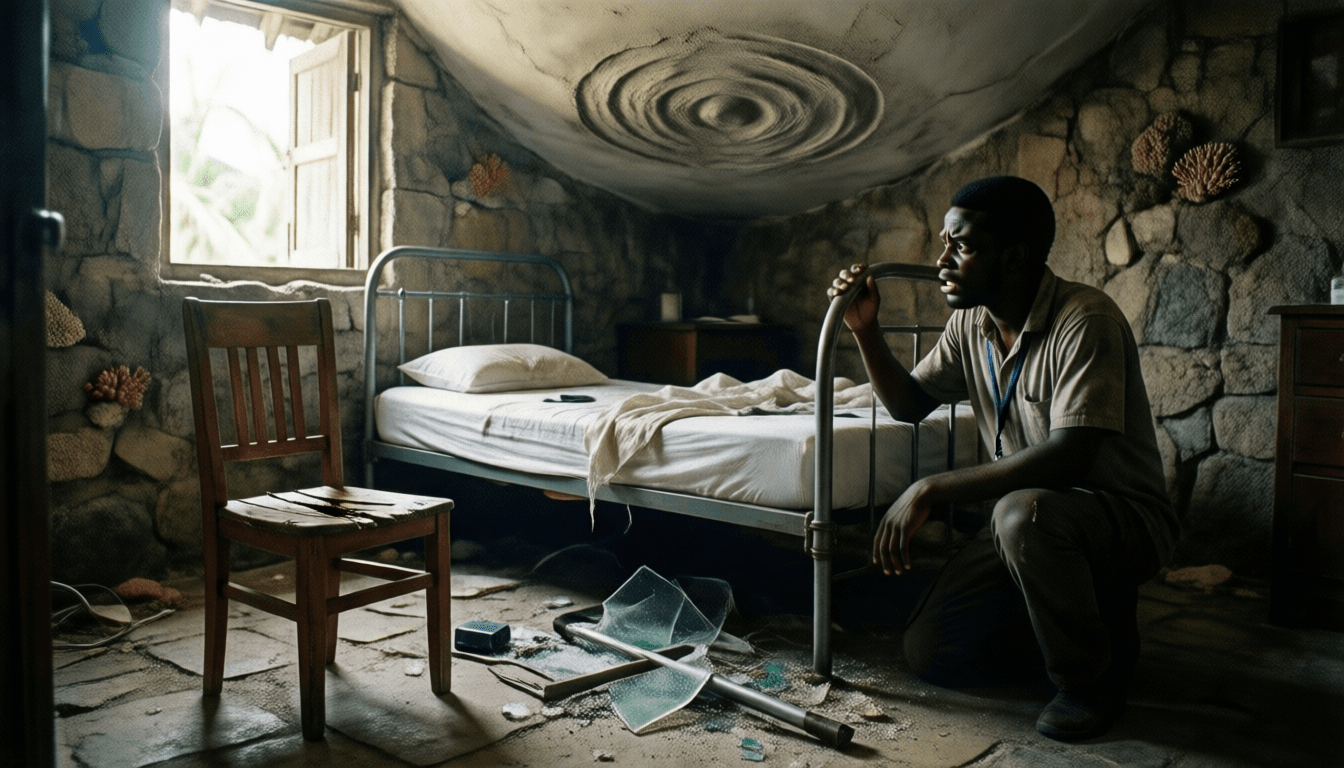
I thrashed on the bed, gasping for air, my mind screaming for action against the incomprehensible. I reached for my powerful flashlight, but before my fingers could grasp it, the immense pressure that had distorted the roof transferred into the space directly above me, pushing down, compressing the air in the room. It felt like an invisible, suffocating weight pressing down from the ceiling. A small wooden chair beside my bed cracked sharply, splintering under an unseen force.
I knelt, struggling against the overwhelming, localized atmospheric anomaly. The air itself felt like a solid mass. My chest screamed for oxygen. My lungs burned. A vile, sulfuric odor, a mix of burnt ozone and something ancient and rotten, filled my nostrils. The shadows above pulsed, absorbing all light, all sound. And then, with impossible speed, the concentrated point of that pressure descended. Not touching, but enveloping my head and upper body. It wasn't physical contact in the traditional sense, but a complete, suffocating enclosure by a crushing force. My vision blurred, a high-pitched ringing echoed in my ears. An absolute, silent, crushing despair of being trapped by something defying all laws of physics I knew, was my last conscious thought.
Hours later, I awoke slumped on the stone floor of my guesthouse room. My entire body ached, and my head throbbed. Morning sunlight streamed through the window, an almost painful contrast to the darkness of the night. My chest was sore, and even breathing felt labored, as if my ribs had been compressed. There were no marks of struggle, no bruises or lacerations on my body, yet the internal pain was profound, a deep ache in my sternum and lungs.
But the room told a different story. The small wooden chair was indeed splintered. The metal frame of my bed was bent inwards at the head and foot, as if an enormous, invisible weight had pressed down from above. Most unsettling was the ceiling directly above my bed. There was a distinct, circular indentation, as if something impossibly heavy had rested there, leaving a faint, perfect impression in the plaster, continuing up to the tin roof above. This indentation was not a hole, but a mark, as if the entire structure had momentarily sagged. My equipment lay scattered. The low-light camera case was cracked, its lens inexplicably shattered inwards.
The barometric sensors were operational, and checking their internal memory revealed a sustained, critical spike in atmospheric pressure, followed by a momentary, inexplicable vacuum, and then a return to baseline. The camera held no footage. The recorder captured only a single, bestial groan – my own – followed by static, then silence.
I took the first available flight out of Zanzibar. The humid air still felt heavy on my skin, and despite multiple washes, the sulfuric odor lingered on my clothes. I meticulously documented every detail: the bent bed frame, the ceiling indentation, the impossible pressure readings. My physical examination revealed nothing but persistent internal bruising around my sternum, consistent with blunt force trauma, yet there was no direct impact. The horror now isn't what I saw (for I saw nothing distinct) but what I felt. The primal, suffocating fear that resurfaces every time the night is still, every time the air is quiet. The true horror lies not in what Popobawa is, but in what Popobawa does. An invisible, crushing force that breaks even the integrity of reality, leaving only cold, undeniable evidence of impossible pressure, and the survivor with an unending, silent dread. My sleep is now punctuated by waking gasps, and the taste of sulfur still faintly on my tongue.
[ CLASSIFIED VERDICT ]
[ACCESS LOG - SOURCE FILE]
Popobawa is an urban legend about a demonic or evil spiritual entity orally transmitted in Zanzibar, particularly on Pemba Island. This entity is known to appear at night, paralyzing people and pressing them down with invisible pressure, often accompanied by a sulfuric smell. While leaving no direct physical wounds, it is believed to cause severe psychological trauma and leave behind subtle physical alterations in the environment.