The Horned Shadow of Hasenklamm
Digital whispers began quietly, then spread like wildfire through local hunter forums and environmental groups. The talk wasn't about tourists or lost hikers, but about the prey itself. Specifically, rumors concerning the Hasenklamm region, located in the lower Bavarian Alps, known for its dense spruce forests and rugged mountain valleys. Over the past six months, a series of bizarre animal carcasses had been reported. These weren't the work of wolves or bears, nor known poachers. Primarily rabbits, but extending to small deer, the bodies bore precise, almost surgical incision marks, unlike anything left by known predators. The most chilling detail was the faint, concentric abrasion pattern found on the hide around the wounds, shallow grooves as if scraped by solid bone. Locals dismissed it as a prank or an escaped exotic animal, but the elders, remembering old legends, spoke in hushed tones of 'der Gehörnte Hase' (the Horned Rabbit) and how it hunted in perfect, unnatural silence. Official forestry reports categorized the unknown trauma as 'predation of unknown etiology.' This cold, clinical language, contrasting with the region's whispering fear, drew my attention. Something inexplicable was moving in Hasenklamm.
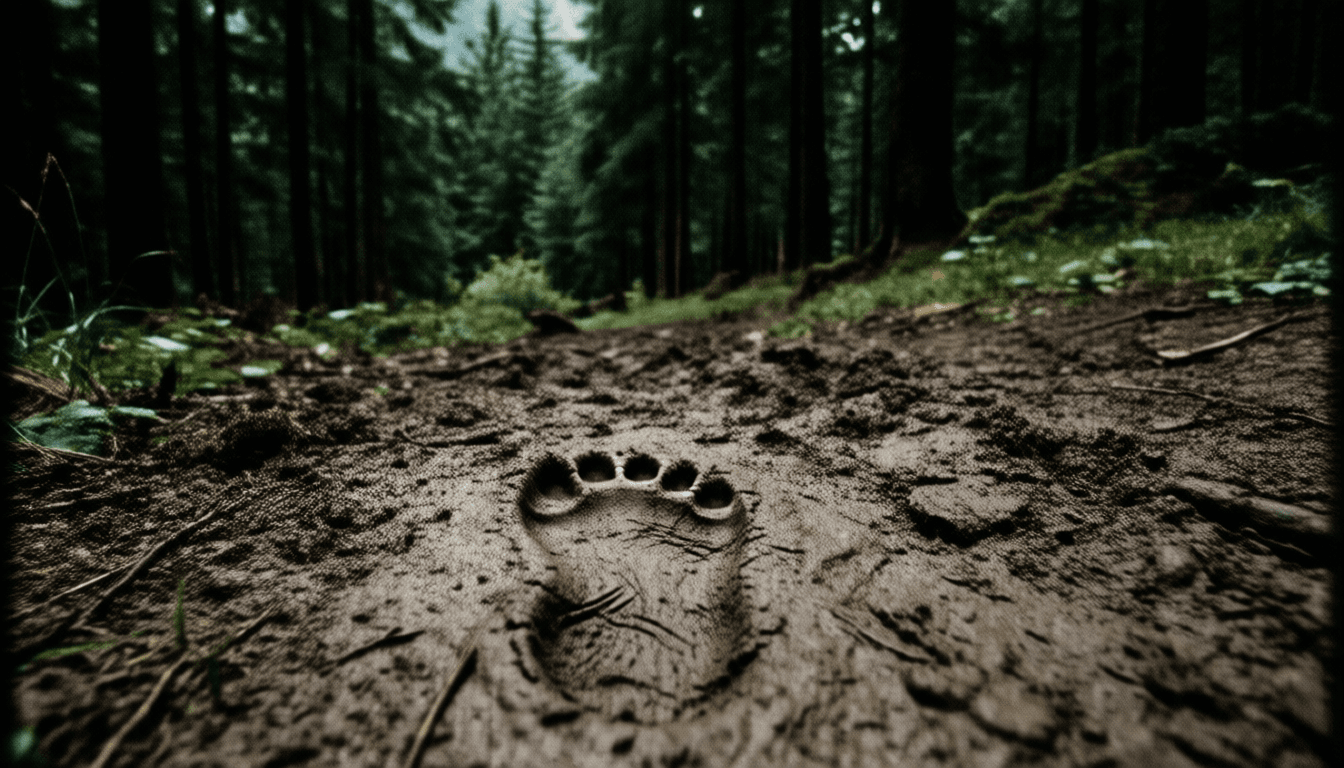
Upon arriving in Hasenklamm, I felt a palpable tension. Despite being late autumn, the air was unusually cold, carrying the scent of damp earth and decaying pine needles. The valley's entrance was a narrow, shadowed cleft, the roar of the rapids echoing off steep, moss-covered rock faces. I carried basic field gear: camera, audio recorder, UV light, plaster casting kit. Progress was slow at first. Pushing through dense undergrowth, the constant rush of the rapids was a monotonous white noise. Then I found the first anomaly. Not a carcass, but clear footprints in the soft mud by the river. They were distinctly rabbit-like, yet seemed too heavy for a rabbit, with a long, sharply defined 'heel' and faint, almost microscopic scratches at the tips of the toes. Further in, where the valley narrowed ominously, I found recent kill signs. A young roe deer, its neck impossibly precisely torn. Around the wound, the shallow abrasion patterns, consistent with those described in the forums, were stark. The air here was strangely still, the roar of the rapids diminished. As if the valley itself was holding its breath.
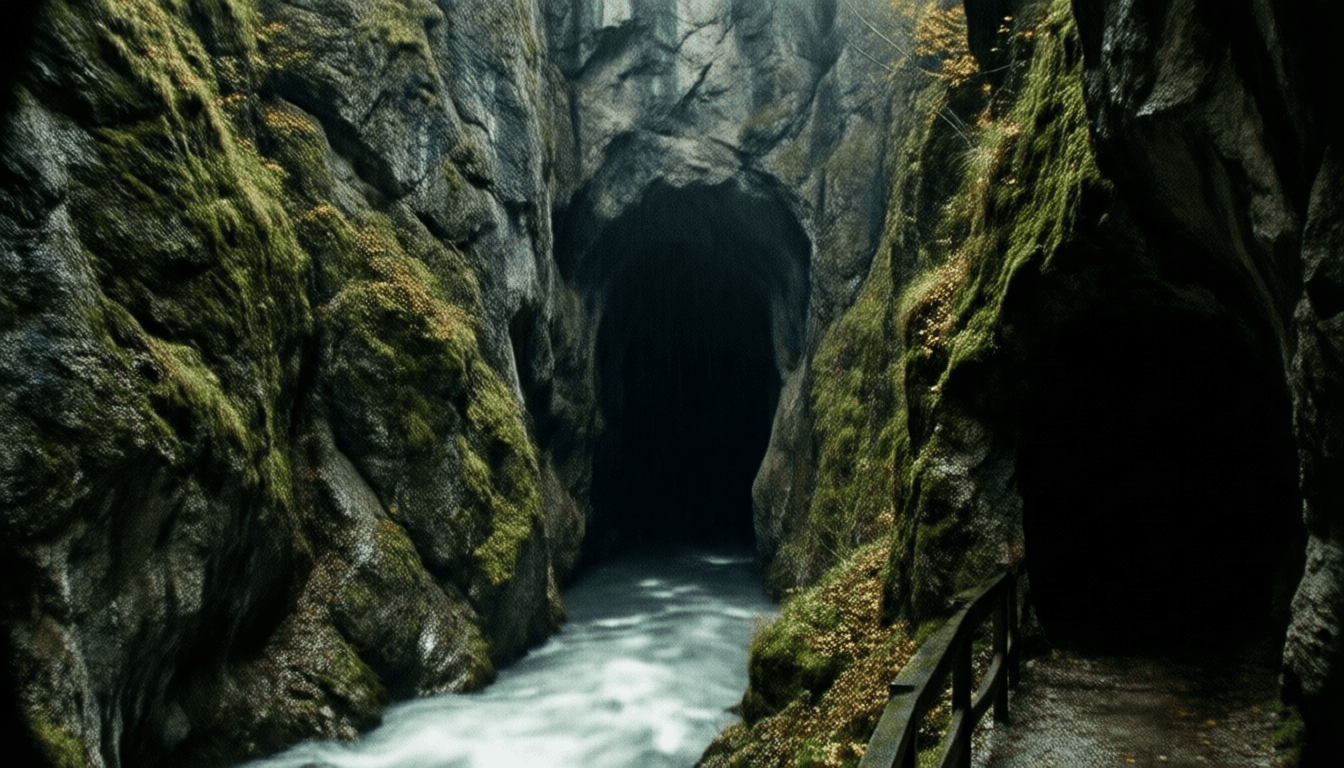
The silence was the first true sign. Deeper in, the constant roar of the rapids began to fluctuate. At certain points in the valley, the sound would suddenly recede to a whisper, then swell back into a thunderous rush. This wasn't a natural acoustic effect due to changing terrain; it was too abrupt, too localized. My audio recorder picked up strange, low-frequency vibrations in these zones, beyond normal auditory range.
Then came the echoes. A cough from my own throat returned slightly later than the laws of physics dictated. The rustle of leaves I made was answered by a faint, shallow rustle from an impossible distance. Too quick for natural echo, too small for another animal. The light in the valley also played tricks. Even when sunlight broke through the branches, shadows deepened unnaturally, clinging to the rock faces. A sharp, primal sense of being watched settled upon me, a chill that crept up my neck, impossible to shake despite my attempts at rational thought. My flashlight beam seemed to be absorbed by the gloom, providing less light than usual. And then, I began to hear a faint, almost imperceptible clicking sound. Like bone on rock, always just at the edge of hearing, just out of focus.
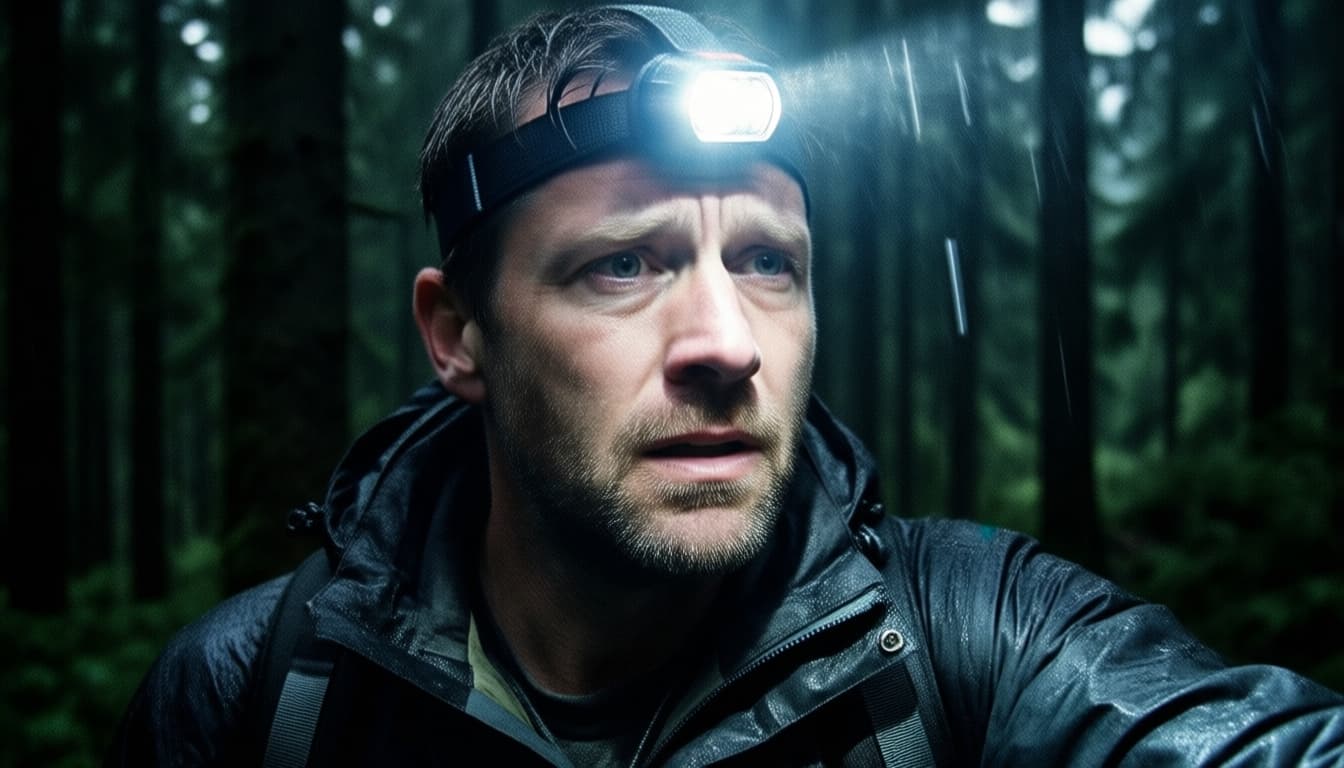
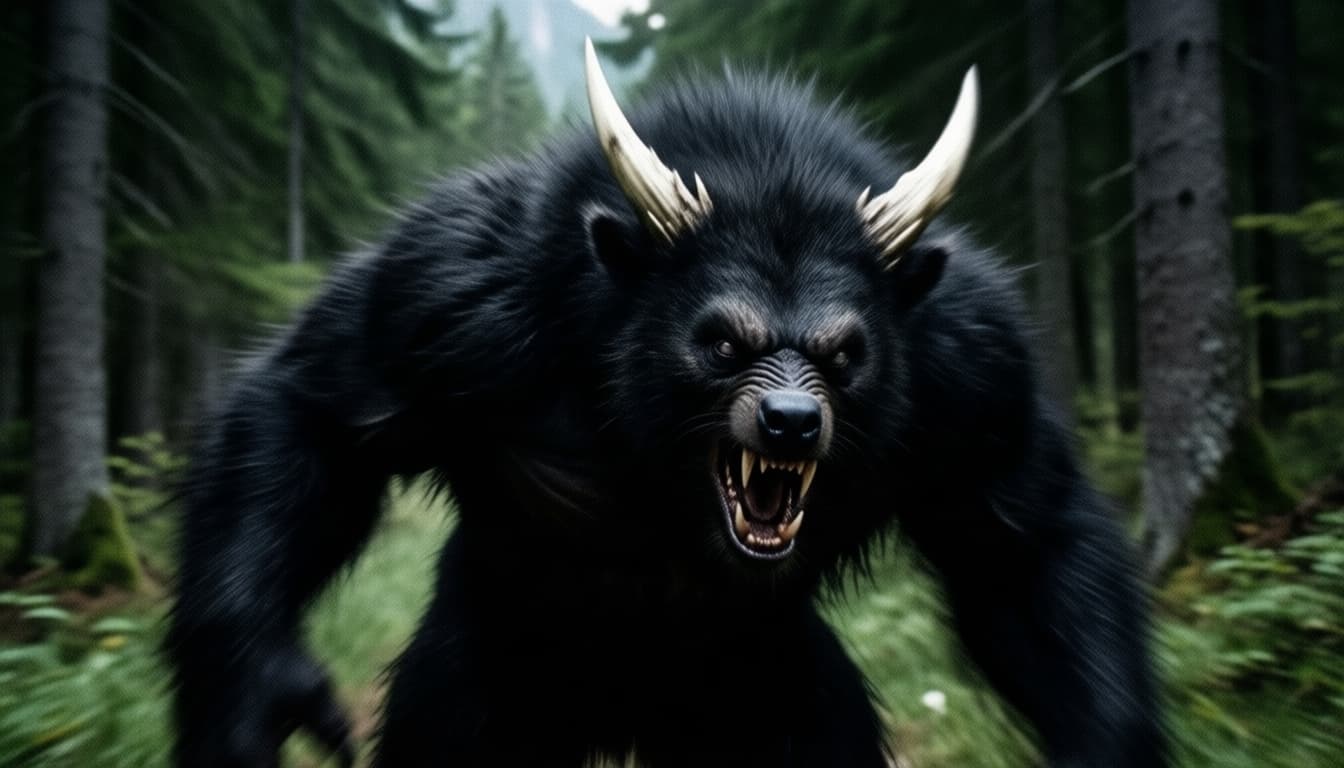
The clicking grew louder, more insistent, no longer an auditory illusion. I was traversing a particularly narrow ledge, the river rushing violently several meters below. Then, a movement flashed at the edge of my vision. Not a rabbit, not a deer. Too low, too fast, too profoundly dark. I swung my powerful headlamp, catching a brief, terrifying glimpse. It was low to the ground, a muscular, sleek form covered in black, matted fur, undeniably a rabbit-like body. But from its skull, not one, but two impossibly sharp, bone-white horns erupted. Twisted, malevolent, the length of my forearm. Its eyes, caught in the light, burned with a cold, predatory gleam.
Before I could fully comprehend the impossible sight, it moved. It didn't just run; it blurred. One moment it was twenty feet away, the next it had closed the distance with unnatural speed, its heavy, horned head lowered. The clicking intensified, a rapid, percussive sound, scraping on rock. The water in the valley below, a furious torrent mere minutes ago, had suddenly gone eerily still, as if the water itself recoiled from its presence.
I scrambled backward, my foot slipping on wet moss. The creature was already upon me. A solid, muscular impact. The horns grazed my chest, tearing through my thick jacket, carving a searing groove into my ribs. Damp fur, the scent of wild animal, and something acrid. An odor of old bone and raw earth filled my nostrils. I felt the pressure of its heavy body, the sharp end of bone pressing into me. This was no taxidermied joke. This was a living, profoundly unnatural predator. In that moment of searing pain and primal fear, my hand found the rock hammer on my utility belt. I swung blindly, connecting with a sickening thud. The creature recoiled, letting out a scratching, growling cough, more like a guttural sound than anything a rabbit could produce. Then it was a dark, furry blur, vanishing into the valley, where the river suddenly began to rush furiously again. I lay there, gasping. Bleeding. The sharp pain in my side was nothing compared to the terrifying reality I had just faced.
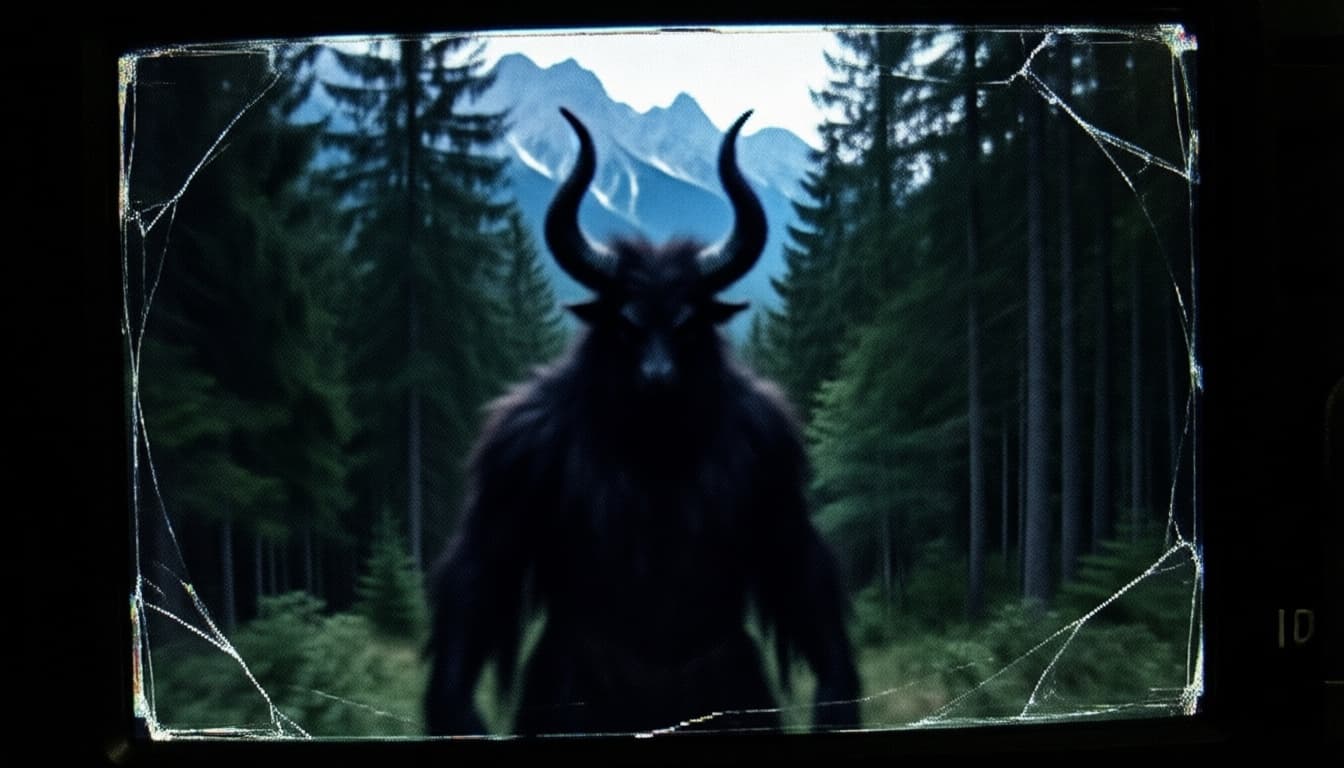
I made it out of Hasenklamm. Ragged and bleeding, primal terror etched into the core of my being. The deep wound on my ribs never healed properly, always tender to the touch, waking me for months with a phantom ache. A constant reminder, as if those precise, unnatural abrasion patterns were still there. My camera was damaged in the fall, most footage corrupted. But one single frame remained, caught in a chaotic moment. Blurred, indistinct, yet undeniable. A low, dark form, a flash of bone, and the silhouette of impossible horns against the valley's gloom.
My audio recorder, however, fared better. Playing it back, the low-frequency vibrations were still there, and within them, the faint, regular clicking grew louder, more urgent, before being abruptly cut short by a dull impact and my own choked cry. I meticulously re-read official forestry reports, poring over vague descriptions of 'unexplained trauma.' I saw the patterns now with a chilling new clarity. I understood now that the Wolpertinger wasn't a whimsical fabrication. It was a crude, static attempt by our ancestors to represent something too alien, too outside the natural order — a distorted amalgamation. Folklore had tamed and sanitized it. But the living entity, the true 'Horned Rabbit' of Hasenklamm, was no joke. It was a dark, predatory anomaly, still roaming the Bavarian woods, manipulating sound and shadow, leaving its precise, unnatural marks, waiting in deep silence. And now, every sudden quiet, every rustle of leaves in the forest, every fleeting shadow, carried an unbearable weight, knowing that even the most preposterous-seeming tales are merely faint reflections of a far darker reality. The world, I now knew, lay behind a much thinner veil than I had dared to imagine.
[ CLASSIFIED VERDICT ]
[ACCESS LOG - SOURCE FILE]
This story is based on the legend of the 'Wolpertinger,' a famous folklore creature from Bavaria, Germany. The Wolpertinger is described as a hybrid of various animals, often with a rabbit's body, deer antlers, duck wings, and a fox's tail, typically displayed as taxidermy in museums or inns to trick tourists. However, this story reinterprets the legend by positing that a dark, predatory, living archetype of this creature actually exists.