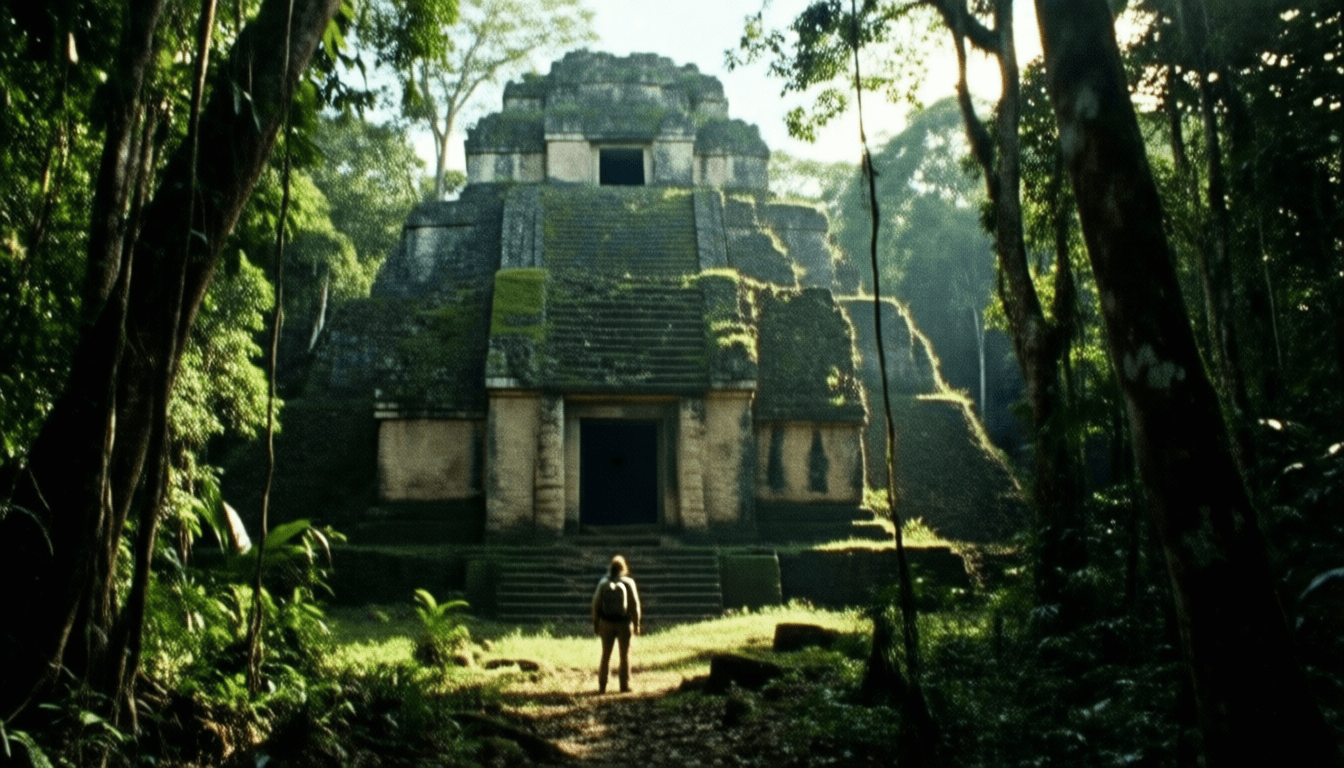
The Hidden Curse of the Lost City
An article stored in the digital archives flashed on the screen. "Lost City of the Monkey God Discovered: Ancient Ruins Excavated in Honduras." Published in 2015 by
However, such announcements are always accompanied by subtle yet persistent internet whispers, often untold. The Miskito and Pech indigenous tribes had warned about the "White City" for centuries. They claimed it wasn't merely a lost city, but one intentionally "hidden." They spoke of a "disease of the white man's greed," a rapid corruption that consumed the bodies and minds of intruders, warning it was more severe than any known tropical illness. The jungle itself, they said, became an accomplice. Indeed, modern expedition members, including the
Documenting inexplicable phenomena, I gained a rare opportunity to revisit the Ciudad Blanca ruins, joining a small, government-sanctioned environmental survey team. Initial access was brutal. For days, we trekked through dense, suffocating jungle, the air thick with humidity, the incessant hum of insects a constant drone. Sweat, mud, and the threat of unseen insect bites were a physical torment. The team comprised a seasoned botanist, an entomologist, and an anthropologist. Officially an "environmental observer," I was secretly looking for something else.
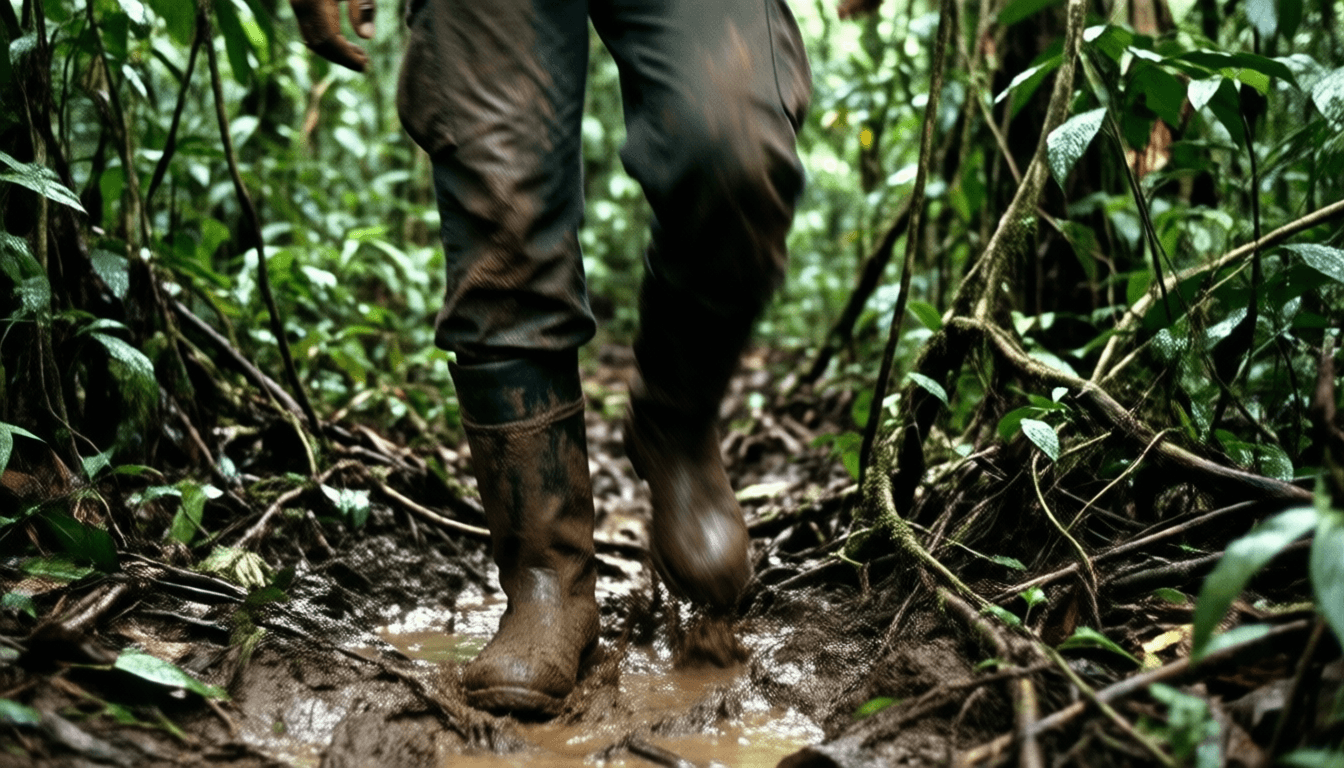
As we neared the designated area, the ambient sounds of the jungle subtly began to change. Not a sudden silence, but a gradual, almost imperceptible *fading*. Echoes didn't quite behave, shouts seemed absorbed rather than reverberated. The usual bird calls and insect chorus diminished, replaced by a heavy pressure behind the ears, a low, infrasonic hum that was more *felt* than heard. The air remained humid, but it was inexplicably *heavy*, with intermittent pockets of cold.
After setting up a provisional camp on the city's outskirts, the anomalies intensified. One morning, a water purification tank, filled the night before, was half empty, yet there were no leaks, and the ground was dry. One of the botanists, an expert in jungle hydrology, observed a small stream flowing *uphill* for several meters before resuming its natural course. It was a fleeting, dismissible distortion, attributed to a temporary geological quirk. Compasses occasionally spun erratically but never for long enough for anyone to give it much thought.
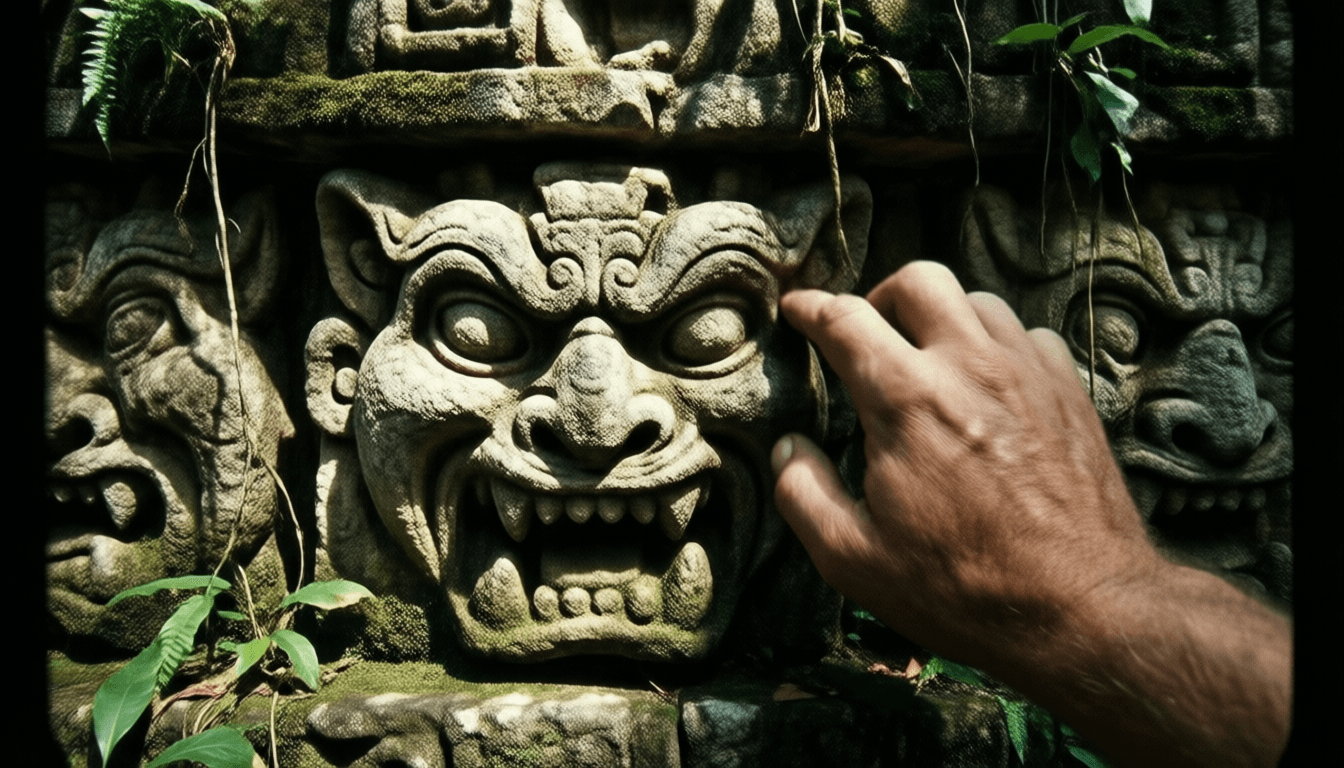
The psychological toll began. Small arguments erupted over forgotten supplies. Sleep was restless, filled with vivid, disorienting dreams. I found myself fixated on intricate carvings on low walls. Stylized, almost predatory faces seemed to *shift* in the periphery of my vision, shadows deepening or changing in defiance of the sun's angle. A sense of being watched became pronounced, not from animals, but from an pervasive, non-physical presence. One of the entomologists developed a small, rapidly worsening rash on their arm, dismissed as an allergic reaction, but its texture was odd, almost *petrified*. I recorded these seemingly minor incidents, the minute details of environmental shifts, the subtle changes in team behavior, searching for patterns beneath the "rational" explanations.
Drawn by the escalating eeriness, I ventured slightly beyond the main survey area, into an unsettling quiet emanating from a deeply overgrown, partially buried structure. Here, the jungle was abnormally silent. Not even the hum I'd felt earlier. The air was frigidly cold, despite the sweltering heat outside. Entering a collapsed chamber, the carvings became more elaborate—figures with elongated limbs and empty, staring eyes.
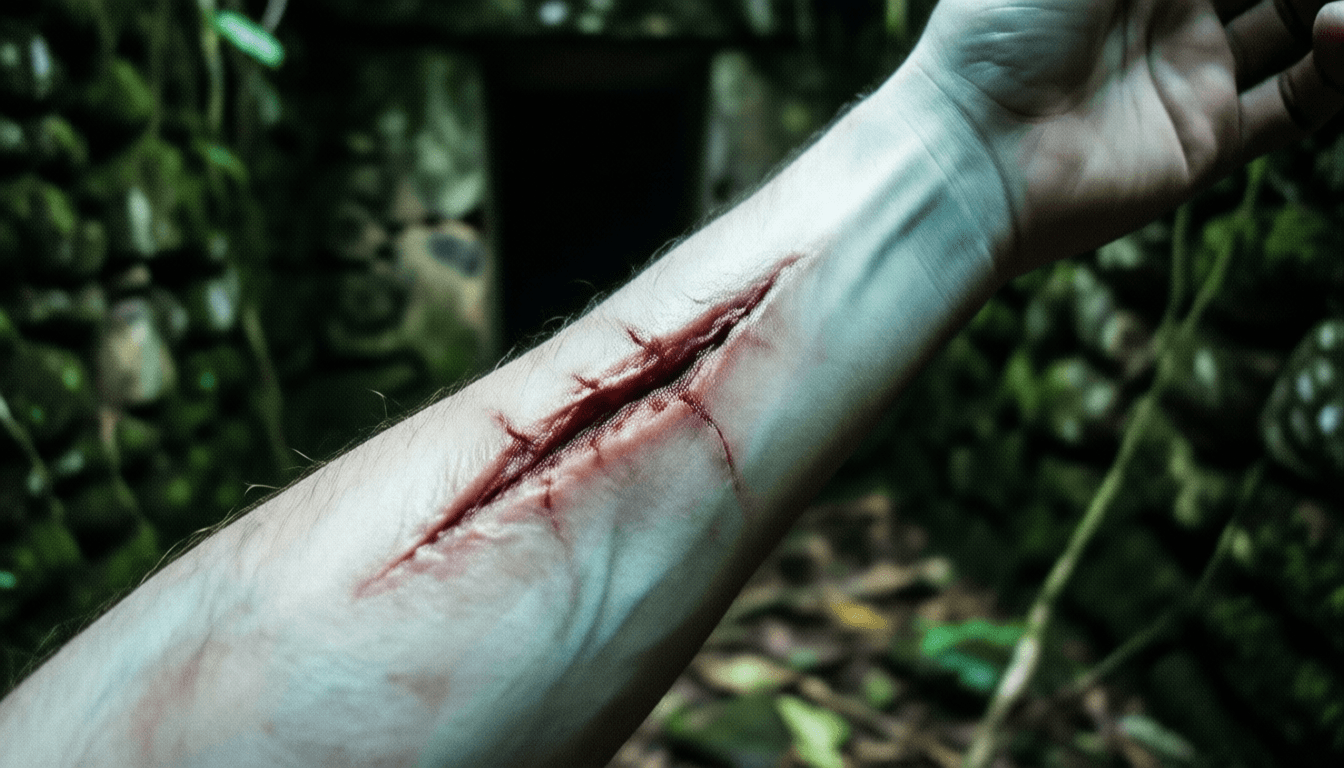
Suddenly, a profound shift. My ears popped violently, as if the surrounding air had been sealed in a vacuum. The ground beneath my feet didn't shake, but *vibrated* at an impossible frequency, unsettling my balance. A deep cold rose from the floor, climbing my legs, sapping my strength. A stone, embedded high in the wall, *twisted*, then fell with a slow, deliberate sound. The moment I realized it was pulled by something other than gravity, I tried to move but was too late. The stone left a long, thin gash on my arm, superficially light yet shockingly deep, the surrounding skin instantly turning cold. This was not the touch of any living creature. I realized the space itself had turned hostile, pushing against me. A localized vortex of dust and leaves, an impossible phenomenon in an enclosed space, *swirled* the air within the chamber. The city itself seemed to envelop me in its overwhelming, disorienting pressure, trying to reabsorb the intruder into its unnatural silence.
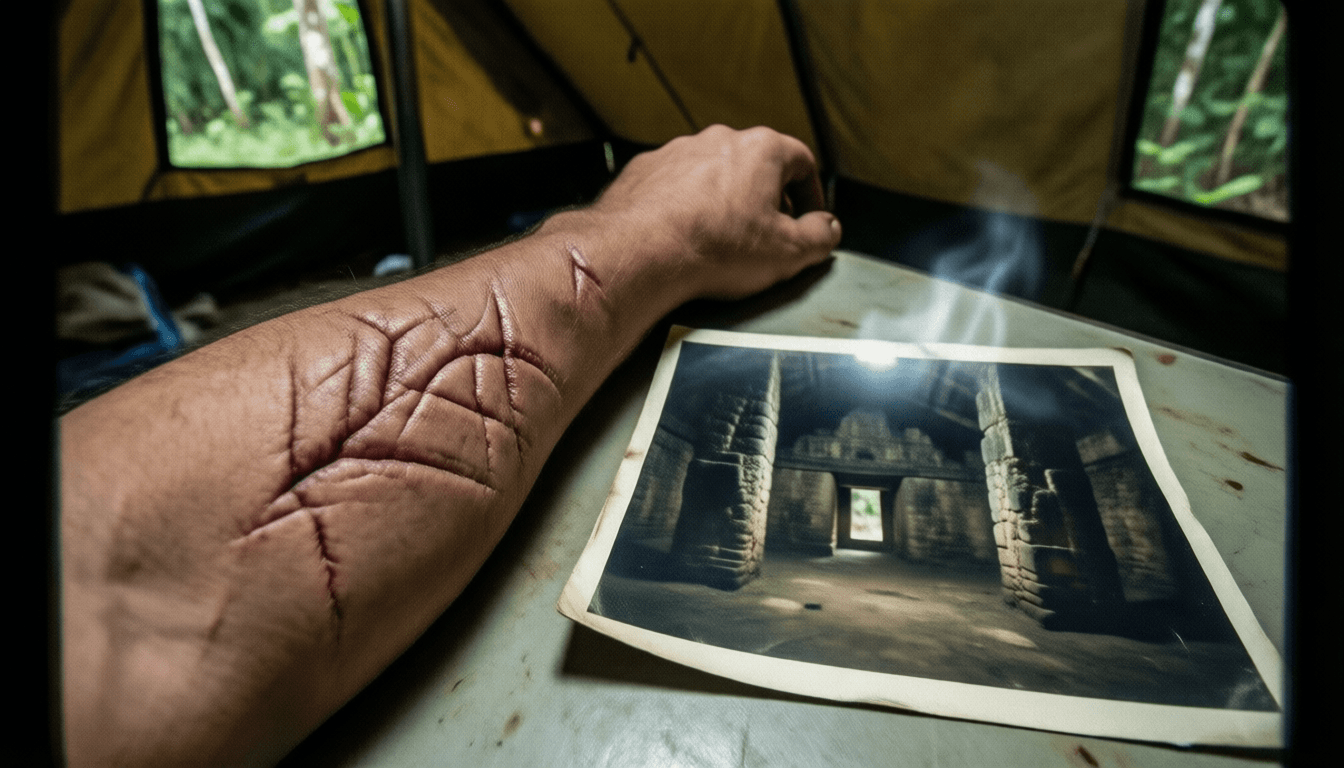
I returned to camp, shaken, my arm deeply wounded, my psyche profoundly violated. I feigned a stumble in the unstable ruins as the cause of my small injury. The team's medic treated the wound, noting its abnormal coldness and a strange, almost metallic smell. Even after returning to civilization, the wound healed slowly, leaving an irregularly shaped, geometric scar that throbbed constantly.
The expedition's official report made no mention of unusual phenomena, only citing "extreme jungle conditions" and "team fatigue." The anthropologist dismissed the stream anomaly as a rare hydrological event. The entomologist's rash subsided, but he complained of persistent, inexplicable numbness in his arm and intermittent auditory hallucinations. I myself experienced intermittent, deep bone aches, focused particularly in my wounded arm, and developed a profound, chilling sensitivity to silence. I couldn't sleep in completely quiet rooms, preferring the low hum of the city, a stark contrast to my previous habits.
Weeks later, reviewing field notes and photographs, I made a chilling discovery. A panoramic shot of the chamber where I'd experienced the climax. In the high-resolution image, almost imperceptible in one corner, was a faint, translucent distortion in the air. A localized ripple, like a mirage, distorting light within the frigid air inside the jungle. It was subtle, easily dismissed as a lens flare or atmospheric interference. But I knew. I held the photograph, my other hand tracing the scar on my arm. Feeling the subtle ache, and the quiet hum that never truly left me. The lost city of the Monkey God remained lost, not geographically, but in its true, chilling essence. Reaching out subtly, always demanding its price.
[ CLASSIFIED VERDICT ]
[ACCESS LOG - SOURCE FILE]
The legendary 'White City (Ciudad Blanca)' in La Mosquitia, Honduras, is not merely ruins but a cursed place that bestows unknown diseases and decay upon greedy intruders, according to centuries-old warnings from the Miskito and Pech indigenous tribes. Known as the City of the Monkey God, it is said that the jungle itself is an an accomplice, consuming those who trespass. The mucocutaneous leishmaniasis suffered by expedition members is often seen as a real-world manifestation of this curse.