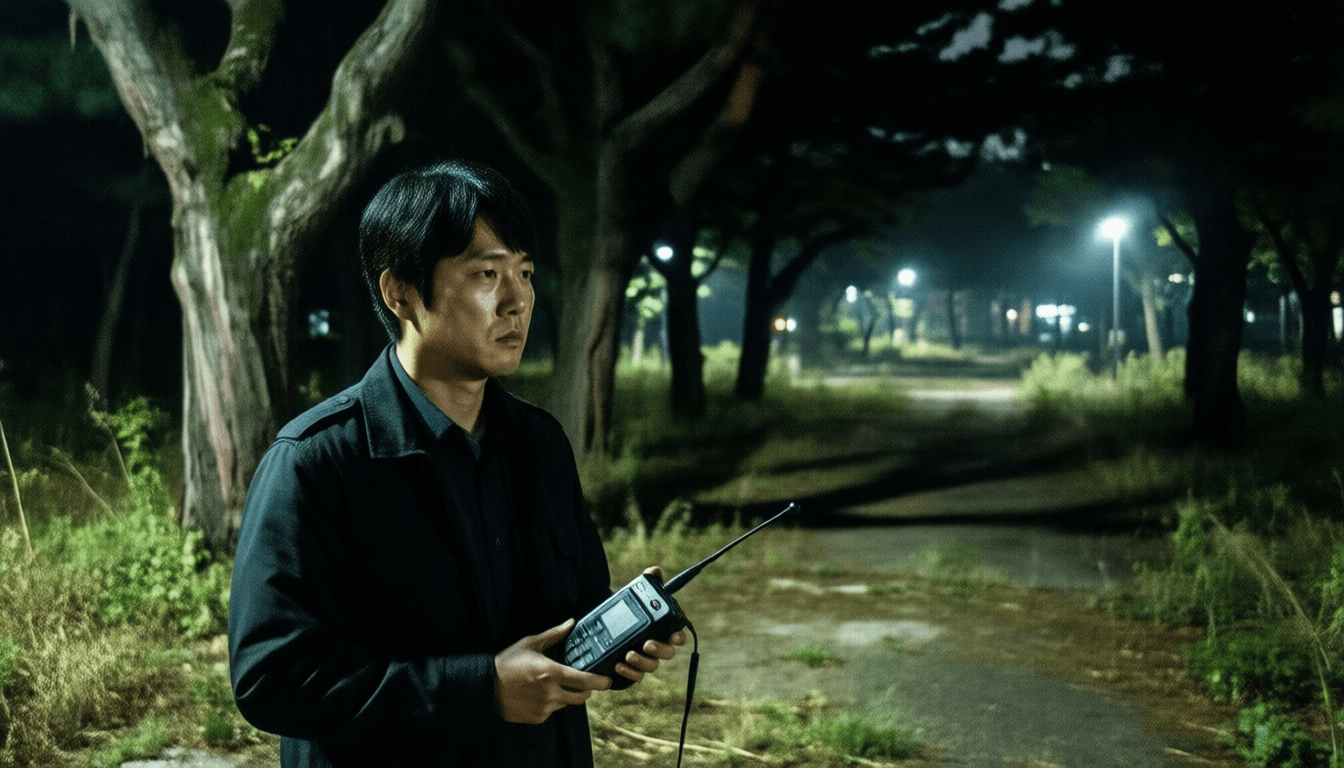
Gwangju's Silent Scream: The Unseen Pressure
For decades, residents in specific areas of Gwangju, particularly near the Old Jeonnam Provincial Office and Hyochon Cemetery, have reported strange and unsettling phenomena. The painful history of May 1980 is officially acknowledged, but whispers circulating among people speak of something beyond mere memory: low-frequency vibrations emanating from underground on humid late spring evenings. Even more chillingly, eyewitness accounts, often dismissed as mass trauma or optical illusions, detail echoing screams heard from somewhere, only to abruptly cease. One particularly haunting recurring detail is the brief appearance and subsequent disappearance without a trace of a burning smell—like synthetic fibers or rubber. These sporadic events, never officially investigated beyond superficial explanations of "subterranean activity" or "mass hysteria," have fueled a chilling local belief that "unacknowledged truths and unsilenced voices still linger" beneath the city's quiet spaces.
Drawn by these consistent, unresolved reports, investigator Dr. Lee arrived in Gwangju during the memorial period. He focused on the areas where reports were most prevalent, particularly a park rumored to be an unofficial burial site near the old provincial office, setting up low-frequency recorders and atmospheric sensors. The late May air was heavy, still, and humid—exactly the conditions described in historical reports. The normally vibrant park felt unusually quiet as dusk fell. Dr. Lee noticed the peculiar sound propagation here. Distant vehicle noises would fade to faint whispers, seemingly swallowed by the heavy air, creating pockets of unnatural silence. The only sustained sounds were rustling leaves and the faint, rhythmic chirping of crickets.
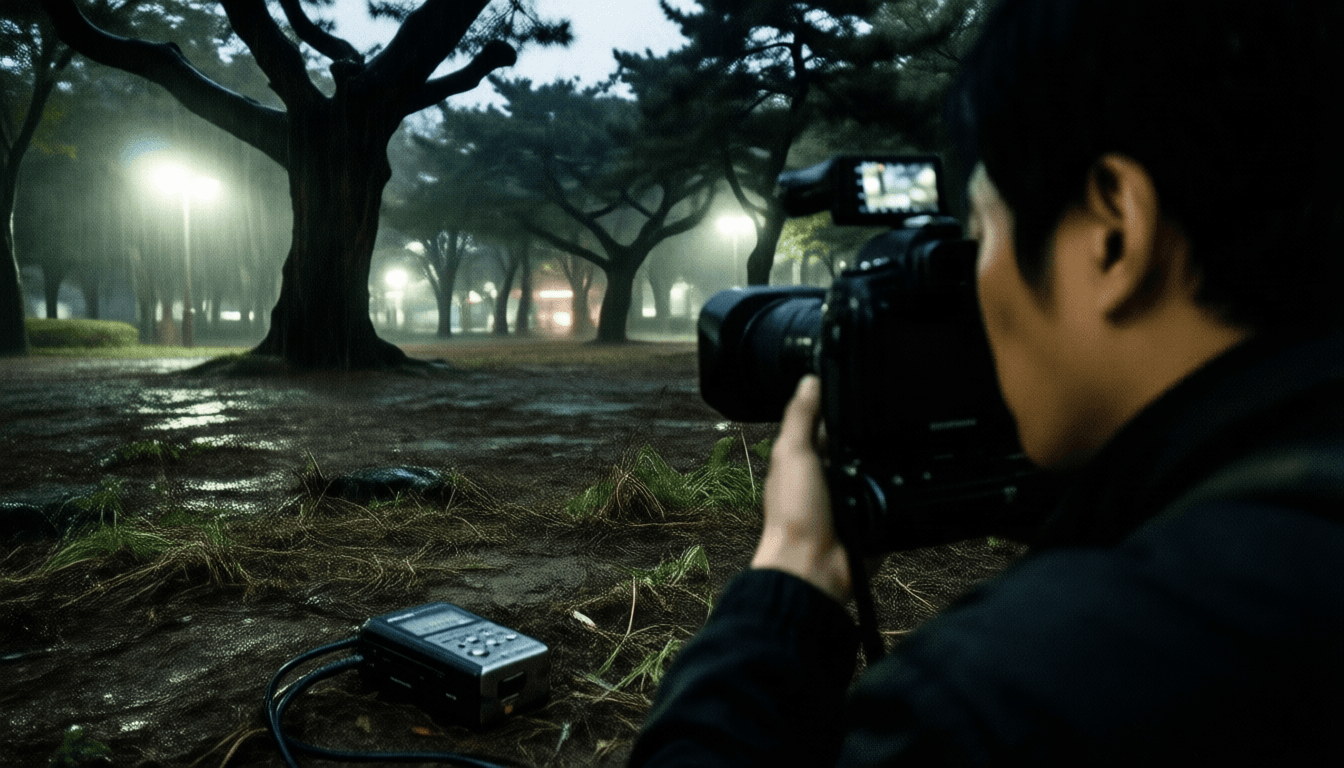
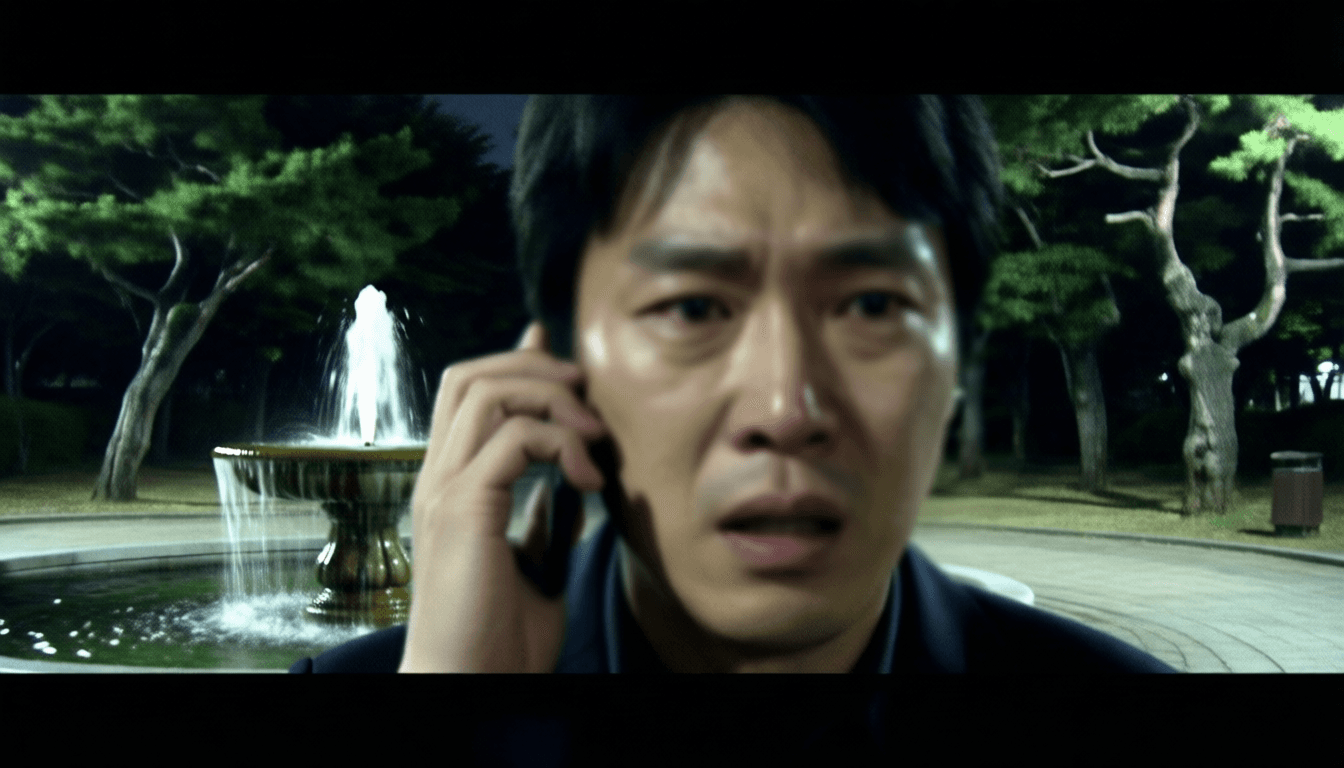
As night deepened, the first anomaly appeared. The low-frequency recorder picked up subtle, regular vibrations. It was at the very edge of human hearing, but Dr. Lee now felt it too: a pressure pressing against his eardrums, a vibration resonating in his chest. The continuously flowing water of a nearby decorative fountain intermittently stopped, the water seeming to hesitate for a moment before flowing again—a visual trick, perhaps, but unsettling nonetheless. And then, a distinct, muffled sound, like someone weeping from a distance, reached Dr. Lee's ears. It was indistinct and choked, with a peculiar, hollow texture as if resonating from deep underground. Dr. Lee froze, trying to triangulate the source, but the sound vanished as quickly as it appeared. Only an oppressive, amplified silence remained. Atmospheric sensors indicated a sudden, drastic drop in ambient temperature within a three-meter radius around Dr. Lee, while the humidity remained high. A faint, metallic, ozone-like scent briefly permeated the air.
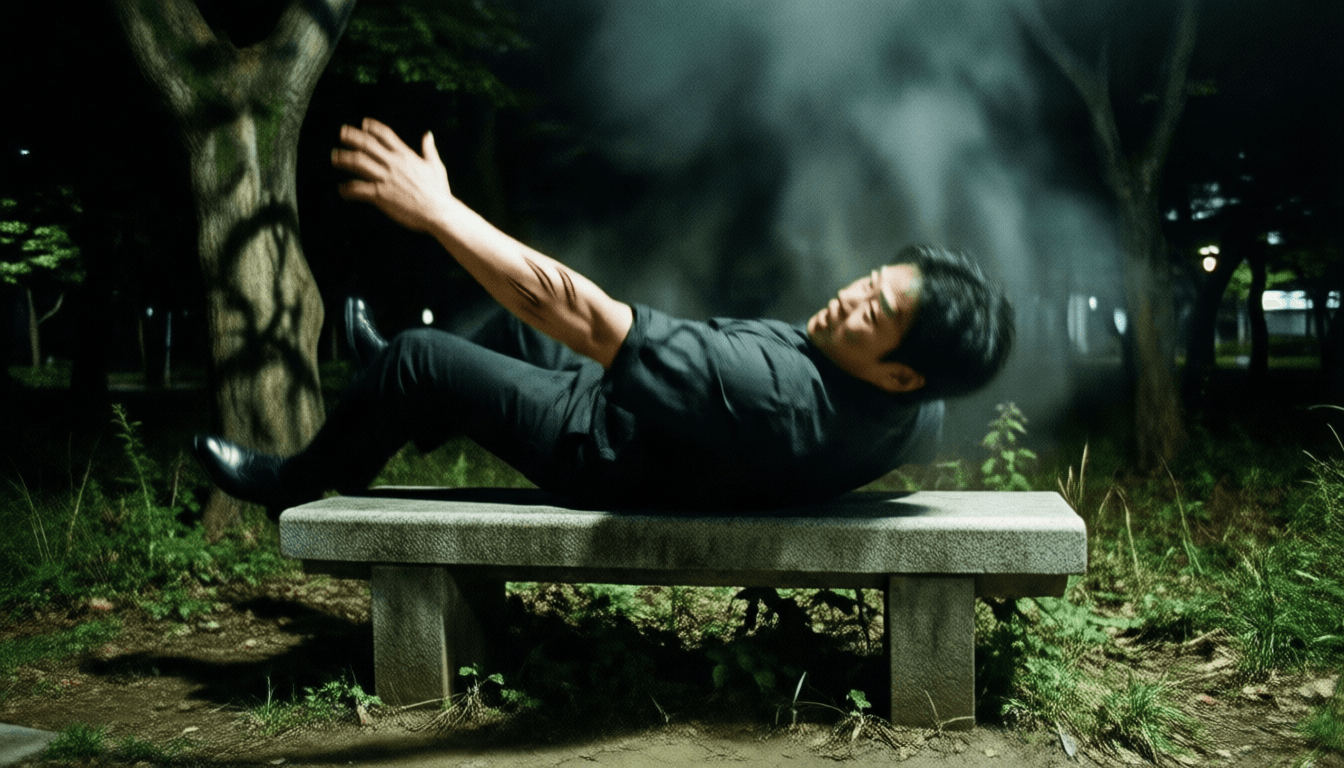
The humming intensified, transforming into a pulsating resonance that permeated his entire body. It was disorienting, inducing nausea. The air became incredibly thick, suffocating, as if drawing all oxygen away. Dr. Lee gasped for breath. In the dim light, the shadowy forms of the park's trees seemed to distort, their branches reaching out, coiling. Then, from the direction where the muffled weeping had been heard, a heavy, invisible force violently shoved Dr. Lee. The impact sent him stumbling forward, hitting a park bench with an eerie thud, knocking the breath from his lungs. His recorder fell to the ground, its display flickering erratically. Suddenly, a sharp, burning pain bloomed on Dr. Lee's exposed arm, as if gripped by a hot, invisible hand. The acrid smell of burning synthetic fibers was now overwhelmingly stinging his nose and throat. The very ground beneath Dr. Lee seemed to vibrate, shift, and threaten to collapse. Trapped by the oppressive air and the invisible grasp, Dr. Lee struggled desperately. He felt the ground depress, wrestling against an immense pressure, distinctly physical yet utterly unseen, as if being buried by a massive invisible weight. Just as his consciousness began to fade, a sudden, blinding flash from a distant streetlamp seemed to momentarily loosen the grip. Dr. Lee, feeling the burning pain on his arm, gasped desperately and scrambled away from the center of the phenomenon.
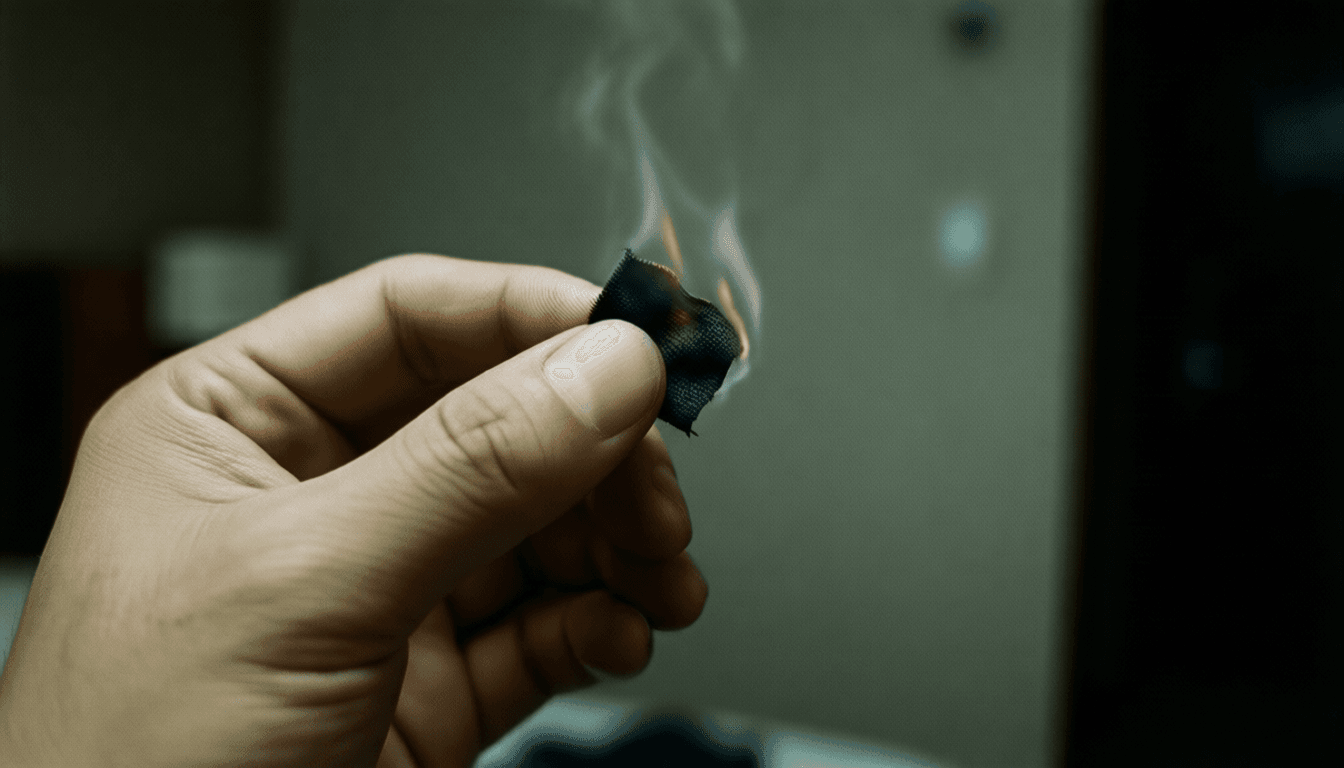
Dr. Lee stumbled out of the park, his heart pounding violently, the acrid smell still clinging to his clothes. The burn on his arm was real. Faint, patchy red marks in the shape of five fingers, though already fading, were undeniably present. The recorder, retrieved from where it had fallen, was still functional, but its last recorded segment was chilling. Between the distorted humming and Dr. Lee's own frantic gasps, when played at high amplification, a faint, choked whisper could be heard. Too indistinct to form words, yet disturbingly human. But the most unsettling evidence wasn't recorded; it was left behind. Hours later in his hotel room, Dr. Lee found a charred, almost brittle piece of fabric, smaller than a fingernail, clutched in his palm. Though its original purpose or material couldn't be definitively identified, it faintly, yet distinctly, carried the burning synthetic fiber smell he had encountered in the park. A fragment that shouldn't exist, a shard of fire that should never have happened here, but was now undeniable proof. The event was not a resolution, but a chilling confirmation. The unquiet dead, or the unresolved truths, do not merely echo. They press, they burn, leaving indelible marks on the living. A conspiracy of silence, waiting just beneath the surface, manifesting as physical terror.
[ CLASSIFIED VERDICT ]
[ACCESS LOG - SOURCE FILE]
In Gwangju, an eerie urban legend related to the history of May 1980 persists. Particularly near the Old Jeonnam Provincial Office, low-frequency vibrations from underground, abruptly cut-off screams, and the smell of burning synthetic fibers are reported on late spring evenings. These phenomena are believed to stem not from mere trauma, but from the chilling conviction that unacknowledged truths are trapped beneath the city, constantly pressing and attempting to leave their indelible mark.