The Shadow of Gévaudan
The tale of 'La Bête' (The Beast), which terrorized the Gévaudan region of France from 1764 to 1767, still lingers as a whisper in the village of Aumont-Aubrac. This was no mere predator. Official documents, meticulously recorded by parish priests, list over a hundred fatalities and dozens of injuries, mostly women and children. Their throats were torn, heads sometimes crushed, and surrounding livestock frequently left untouched. Royal hunts, involving hundreds of men and even exotic animals, repeatedly failed. Accounts from surviving witnesses, often dismissed as rural mass hysteria, consistently described a bizarre appearance unlike any common wolf: an abnormally large body, reddish fur, a broad chest, a greyhound-like head, and teeth unlike any known canid. Modern cryptozoologists, historians, and even some forensic experts re-examine these records, unable to conclude whether the monster was an unusually large or exotic animal, or a serial killer. Yet, the extensive geographic range of the attacks and their persistent savagery still instill a deep unease.
My interest in this incident wasn't sparked by the commonly available historical records. Recently, a short, almost overlooked news snippet on a French regional news site caught my eye: "Antoine Delacroix, a local hiker exploring the Truyère Gorge, specifically near the Foret de la Tenazere, reported missing. His last communication mentioned a peculiar 'absolute silence' and a 'deep, strange fissure' which he intended to investigate." The mentioned area precisely coincided with several historically active attack zones of 'The Beast.' The timing, the location, and the specific mention of 'absolute silence'—a recurring motif in lesser-known attack records from the past—aligned perfectly with the subtle anomalies I sought to document.
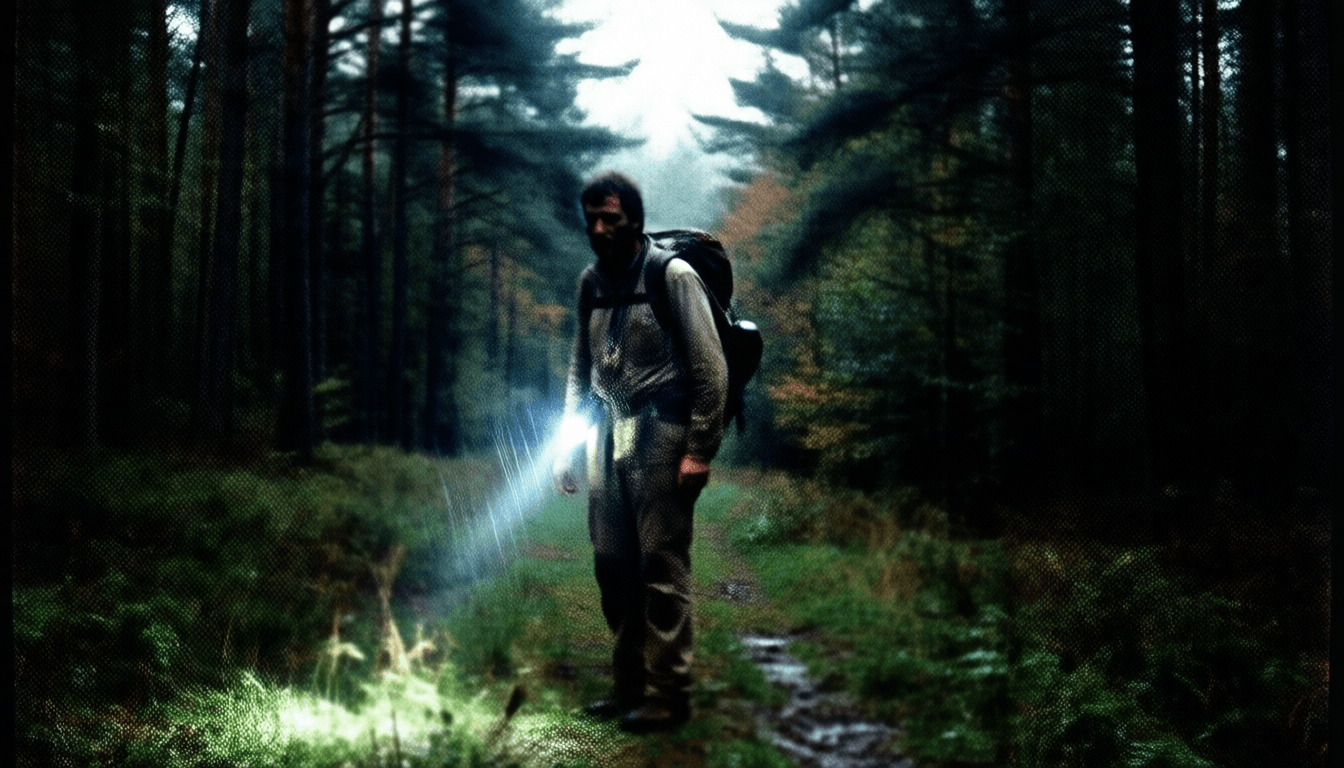
A week after the official search for Delacroix was inconclusively scaled down, I arrived in Aumont-Aubrac. The landscape of the Margeride region was ancient and unforgiving. Pine and beech forests clung to steep slopes, and there were many deep, shadowed gorges where the Truyère River carved its path. Despite it being late summer, a subtle, persistent chill permeated the air, its dampness seeming to seep into the bones. My objective was to follow Delacroix's presumed path, focusing particularly on any geological anomalies in and around the Foret de la Tenazere. Paths once used by shepherds and loggers were now overgrown, leaving only faint animal trails. From the outset, the physical details were striking. As I ventured deeper into the forest, an almost overwhelming stillness descended; only the rustle of leaves or the distant cries of unseen birds occasionally broke the silence. It wasn't merely quiet; it was as if the forest held its breath. The irregular ground, a mix of ancient granite outcrops and thick organic layers, absorbed footsteps almost completely.
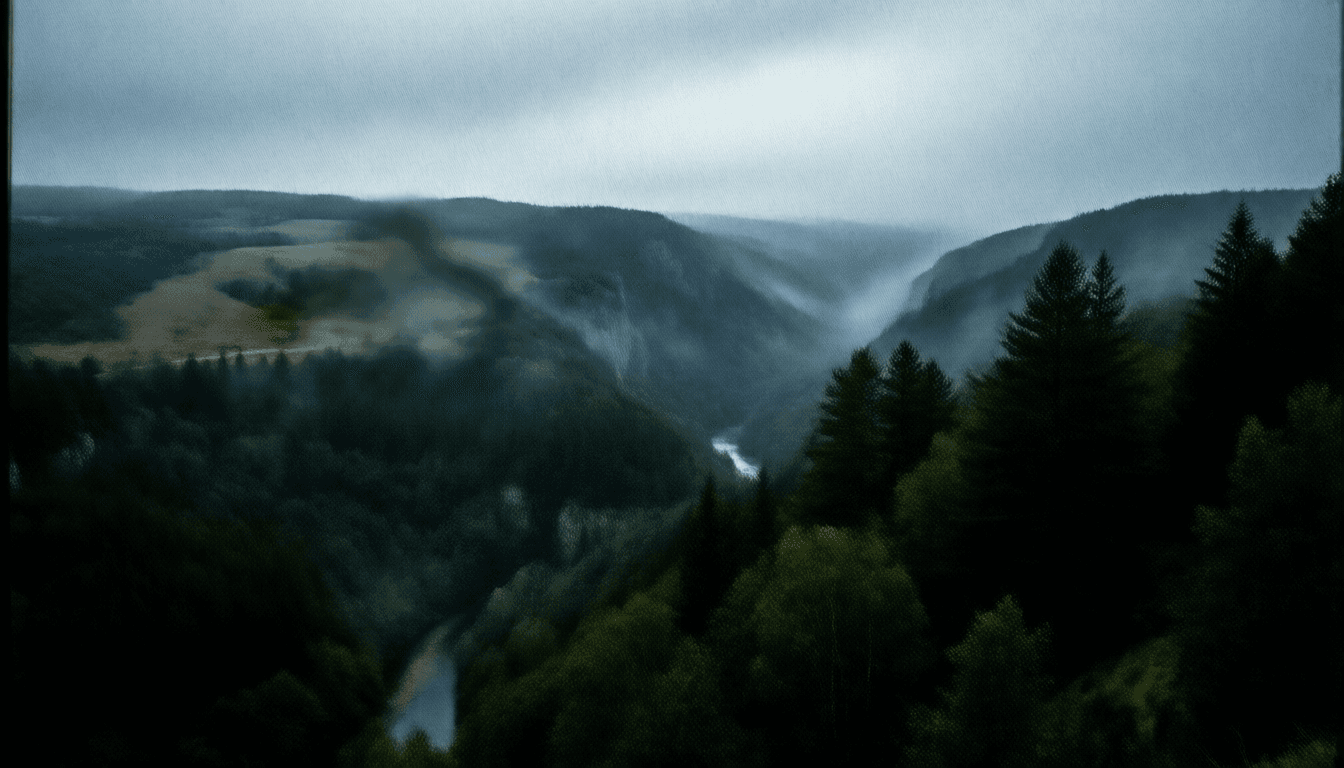
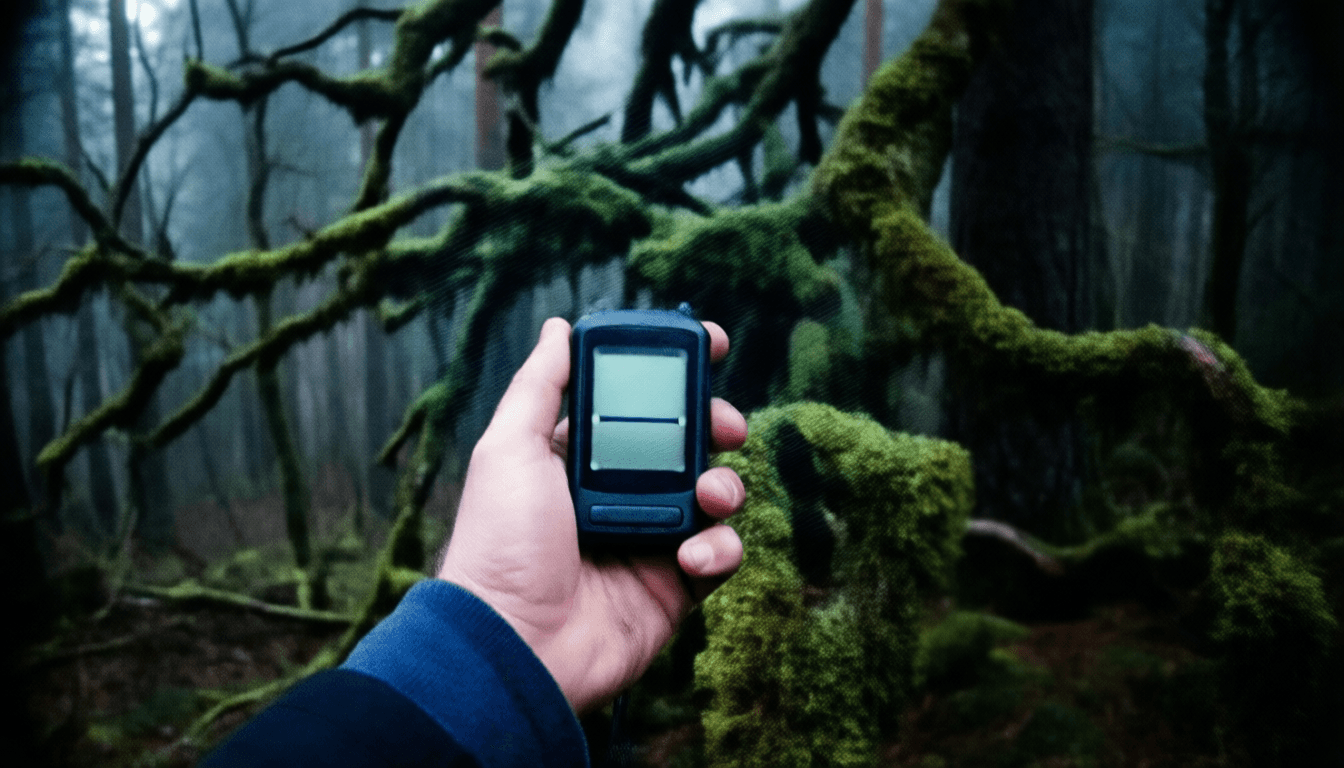
The first anomalies began subtly, almost imperceptibly. Deep within a particularly dense section of the Foret de la Tenazere, where ancient, twisted pine trees obscured the sky, the overwhelming silence intensified. My portable audio recorder, which should have registered the ambient forest noise, showed only a flat line on the decibel meter. It wasn't just quiet; the absence of sound felt physically wrong, like a vacuum.
Then came the visual distortions. The long, warped shadows, already created by the dense canopy, seemed to move independently at the periphery of my vision, deepening, contracting, expanding, without any change in light. When I directly shifted my gaze, they reverted to normal, leaving me to wonder if it was fatigue or suggestion playing tricks. Later, near a small stream gurgling over smooth stones, I saw something peculiar. For about twenty meters, the tiny ripples on the water's surface appeared to flow upstream, against the gradient of the streambed. It was momentary, a visual afterimage of the impossible. As I approached closer, it vanished, and I dismissed it as an optical illusion caused by currents and reflections. Yet, the eerie chill that enveloped me during each of these moments—a localized temperature drop independent of the ambient air—was undeniable. My breath plumed. It wasn't just cold on the skin, but a cold that seemed to penetrate to the marrow, accompanied by a faint, metallic odor that I couldn't explain. I tried to attribute these sensations to heightened vigilance, a natural response to isolation and the weight of legend, but my precision instruments registered the temperature drops with chilling consistency.
Finally, I found the 'fissure' Delacroix had mentioned. It was a deep, narrow crack in an ancient granite cliff, partially obscured by roots and moss, leading into a black abyss. Not a natural cave, but a fault line too narrow to pass through. The moment I knelt to examine the entrance, a faint, almost imperceptible vibration coursed through the ground. The profound silence returned, more absolute than ever, pressing down like a physical weight. And from within the fissure, I heard a distinct crack, like a heavy bone breaking.
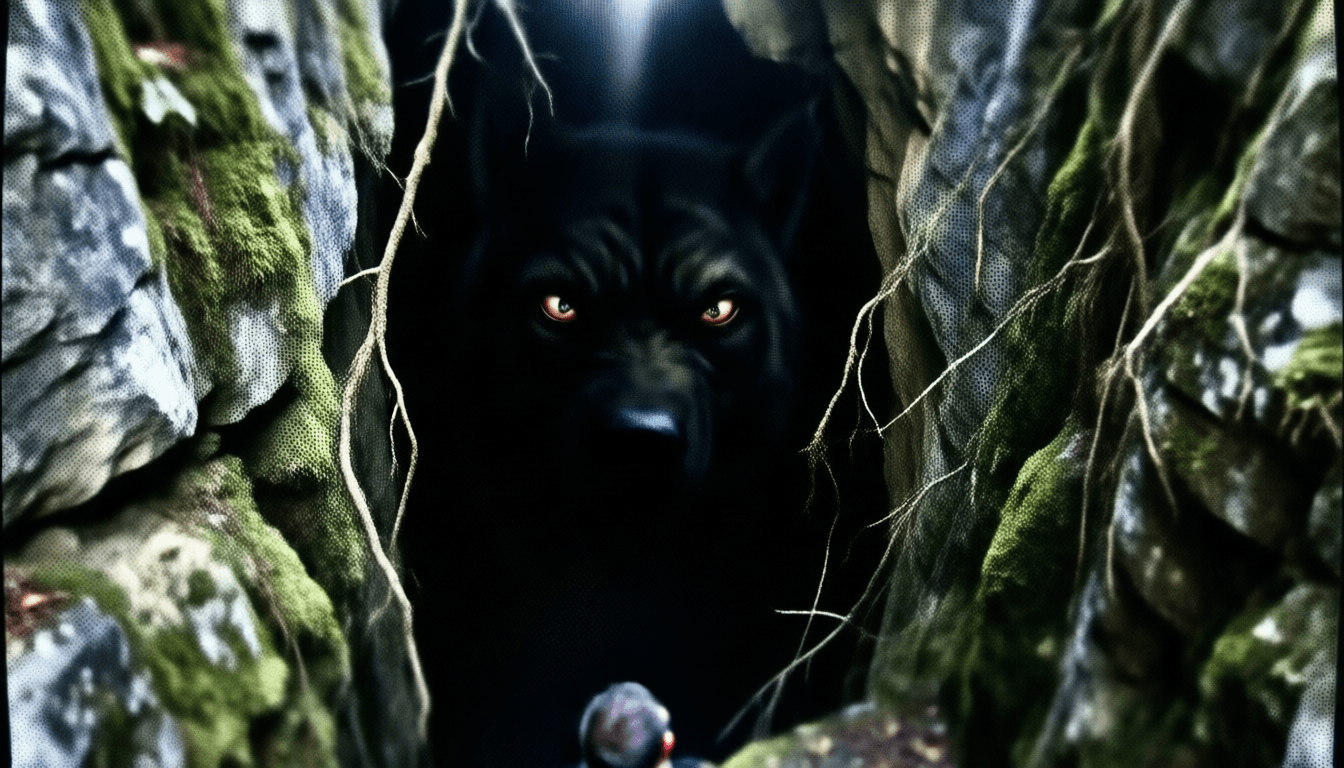
The air became impossibly cold, and the metallic odor surged, overwhelming. My vision wavered for a fleeting moment, its edges blurring. When my sight cleared, a colossal shadow detached itself from the absolute darkness of the fissure. It wasn't emerging; it was condensing into form from the darkness itself. It was massive, far larger than any wolf, its form fluid and ill-defined at the edges, yet unmistakably canine, or something terrifyingly similar. Two eyes, burning with malevolent intelligence, met mine.
It moved. Not with the frantic energy of a frightened animal. It moved with a horrifyingly calculated grace, defying the physics of its immense bulk. It covered the ten meters between us in what seemed like a single, silent leap. My mind registered the impossibility: the dense undergrowth and uneven terrain should have impeded any creature of that size. Yet, it glided as if through the air, completely soundlessly, leaving not a single displaced leaf or broken twig. It was too fast, too efficient. Before I could even raise my axe, its immense weight struck me, slamming me against the rock face with a bone-jarring impact. The blow knocked the air from my lungs, and my head struck the stone, leaving me dizzy and close to unconsciousness.
Impossibly large, razor-sharp claws shredded my thick hiking gear, raking across my chest. A searing pain. I felt its hot, foul breath on my face, a low growl vibrating not just in my ears but through my entire body, threatening to tear apart the very fabric of my sanity. Its colossal, powerful jaws clamped not on my neck, but my right arm, just above the elbow. I heard the sickening crack of bone, and then the excruciating agony of muscle and tendon tearing abruptly. I couldn't pull free. It held me immovably, its grip absolute. Its eyes bore into mine, holding not animalistic rage, but something cold and ancient. My axe fell uselessly from my hand. The world narrowed to its impossible weight, the tearing pain, its malevolent gaze. I was being dissected with intent. In a final, desperate act, I managed to fumble a flare from my backpack with my free hand and ignite it. The sudden, blinding flash and scorching heat seemed to break the entity's hold momentarily. It recoiled with a sound like tearing cloth, its unnatural shadow melting back into the fissure's darkness as quickly as it had appeared, leaving me bleeding and broken at the base of the rock face.
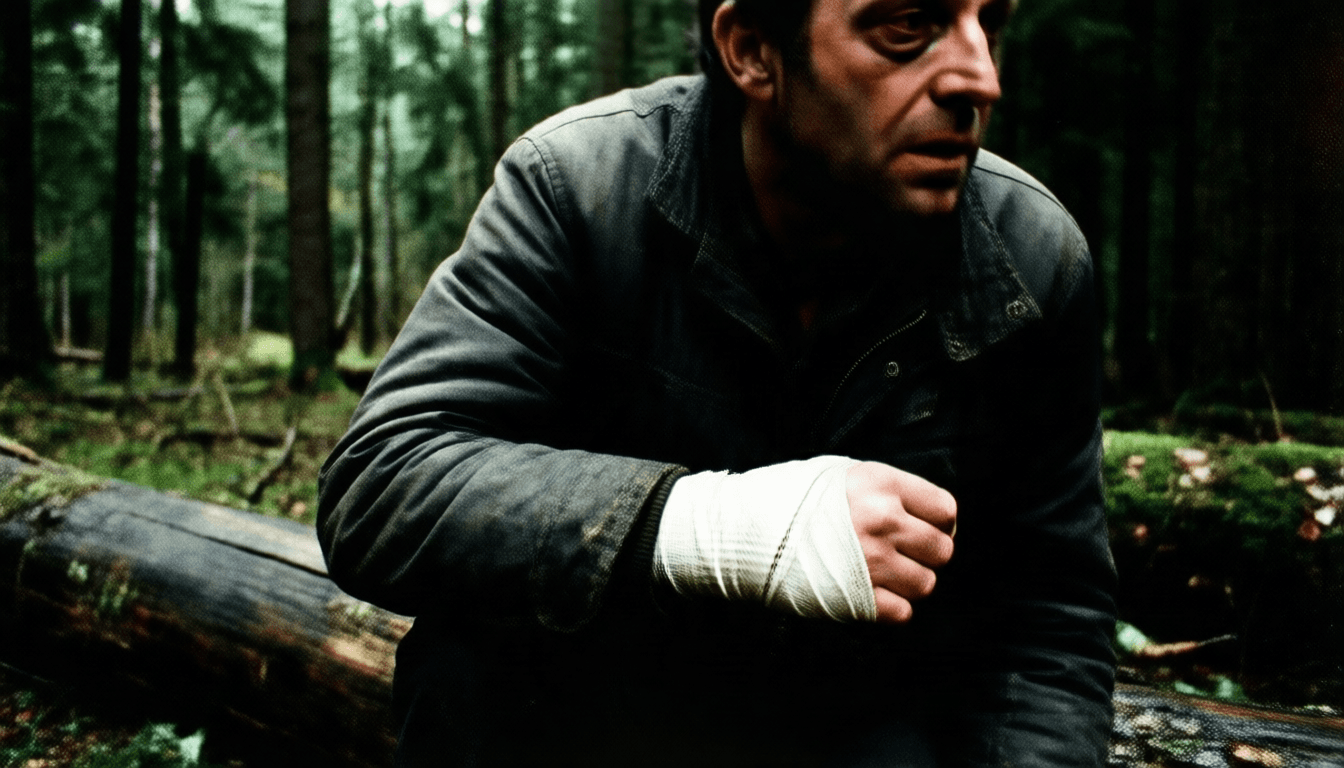
When they found me hours later, I was barely conscious, my right arm severely mangled, hanging by a thread. The official report stated "severe attack by an exceptionally large animal, likely a wild boar or rogue wolf." However, the extent of the injuries was noted as "unusually intricate and extensive for a single animal attack." My torn clothes, deep lacerations, and shattered arm were consistent with a powerful predator, but no identifiable paw prints or clear fur samples were found whatsoever. Local authorities, accustomed to hikers and wildlife, were baffled, eventually attributing it to a rare, aggressive wolf.
I underwent multiple surgeries, saving the arm but leaving me with permanent scars and partial disability. The phantom pain is a daily reminder. But it's not the physical agony that lingers most. It's the memory of those eyes, the impossible speed, the suffocating silence, the localized cold, and the way the shadows danced. Antoine Delacroix was never found. His backpack was discovered weeks later, miles from the fissure, containing a single crumpled drawing of the upstream-flowing water anomaly I had dismissed as an illusion. Even more chilling, when the area around the fissure was later surveyed by geologists, it revealed no unusual magnetic fields or geological peculiarities that could explain localized cold or strange acoustical dampening.
Weeks after my discharge from the hospital, a short, innocuous article appeared on the same regional news site that had led me to the Gévaudan incident. "Local Shepherd Reports Unexplained Livestock Deaths. Intricate wounds, not typical of common predators, found on animals' throats." The location mentioned was a secluded valley less than twenty kilometers from the Foret de la Tenazere. My blood ran cold. Photographic records of victim wounds, once distant and academic, flashed before my eyes with brutal clarity. 'The Beast' had not vanished; it had merely retreated. It exists in unnatural silence, in deep shadows, an entity unbound by conventional biology or physics, an ancient horror merely acquiescing to the passage of time, ready to exact its toll. And now, bearing its mark, I am a living testament to an enduring, impossible truth.
[ CLASSIFIED VERDICT ]
[ACCESS LOG - SOURCE FILE]
The 'Beast of Gévaudan,' which terrorized the Gévaudan region of France from 1764 to 1767, was a mysterious predator responsible for over 100 victims. With its bizarre appearance and savagery, unlike any ordinary wolf, even royal hunters failed to capture it. It remains one of France's prominent cryptid sightings and urban legends, with ongoing debate about its true identity to this day.