The Echo of Baigong Resonating Pipes
The Baigong Resonating Pipes. This name evokes a kind of scientific frustration among those who deeply explore mysterious phenomena. Located at the foot of Baigong Mountain, overlooking Tuosu Lake, near Delingha in Qinghai Province, China, these metal pipes are archaeologically and geologically impossible. Both official reports from the Chinese government and independent analyses from Beijing institutes have confirmed their existence. Hundreds of rusted metal pipes, ranging from needle-thin to over 40 cm in diameter, are embedded in solid rock, some extending for miles.
The mystery deepened with further analysis. Samples extracted from these pipes were primarily composed of iron oxide but also contained significant amounts of silicon dioxide and calcium oxide. Most perplexing was the presence of 8% 'unidentified elements' that modern classification could not explain. Furthermore, the sedimentary rock encasing these pipes is estimated to be over 150,000 years old, a period long before any known civilization capable of this level of metalwork or construction. Geologists assert that neither volcanic passages, fossilized trees, nor any known geological process can explain structures so perfectly aligned, uniform, and consistent in composition. The Baigong Resonating Pipes stand as undeniable evidence of something that shouldn't exist, a rusted, silent question mark in the middle of the desert. I felt the need to investigate this clear, verifiable impossibility firsthand.
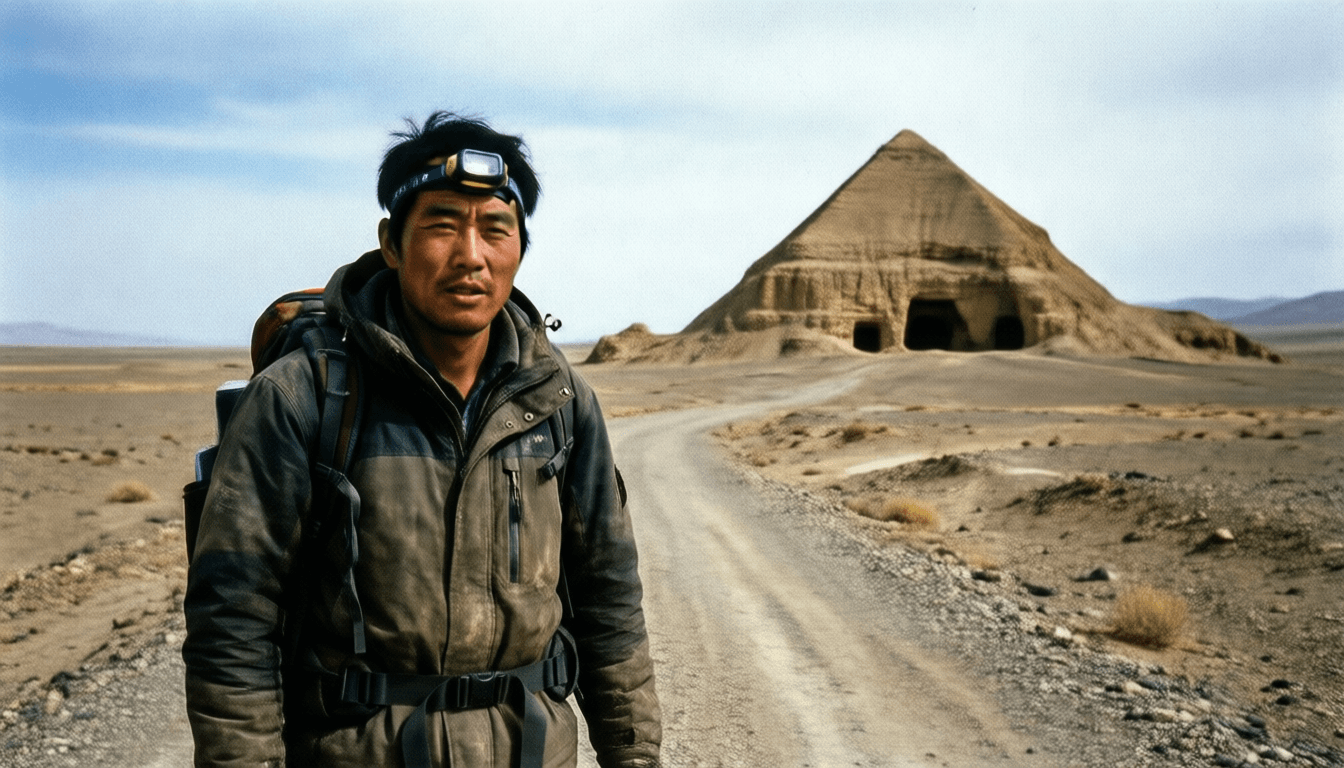
In late autumn, I arrived at the site. The air was thin and sharp, carrying the faint, salty scent of Tuosu Lake. A natural hill, often associated with the pipes and pyramid-shaped, towered above three main cave entrances. The landscape was desolate: ochre dust, sparse shrubs, and a vast, indifferent sky. My focus was on the largest cave, which was reported to contain the most prominent pipe formations.
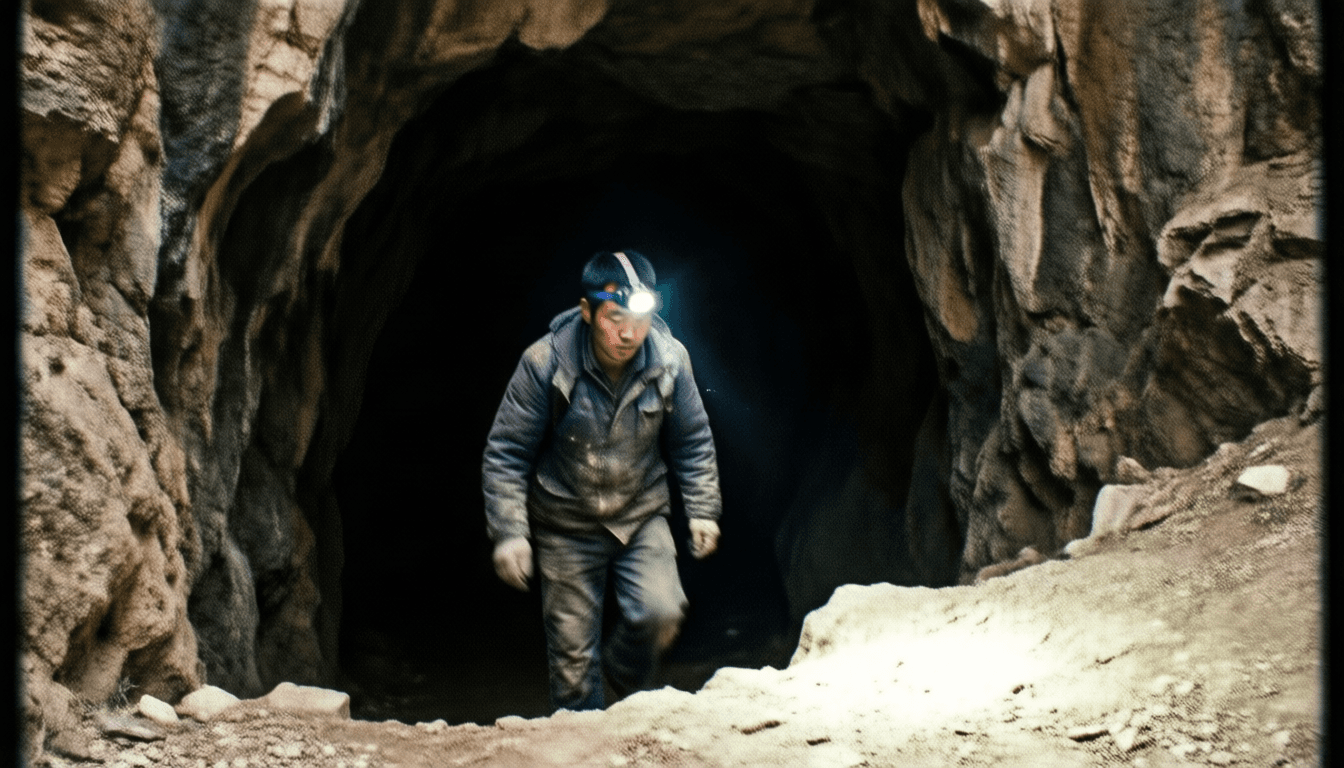
Upon entering the cave, the air immediately grew heavier, drier, filled with fine dust and a faint metallic-mineral scent that seemed to catch at the back of my throat. My headlamp cut through the darkness, revealing the rugged rock walls. And there they were: the pipes. Reddish-brown, some smooth, some thickly coated with mineral deposits, they protruded from the rock at strange angles in various sizes, running along the ceiling and even disappearing into the cave floor. They weren't merely embedded; they appeared to be organic extensions of the rock, of the mountain itself. My initial measurements were unremarkable: atmospheric pressure consistent with altitude, stable temperature, no unusual radiation. But the silence was profound. Not merely an absence of sound, but a presence that pressed in from all sides. The soft crunch of a dislodged pebble under my boot seemed almost instantly swallowed, its echo strangely weak, dissipating before fully forming. I clicked my camera and gently hummed my portable scanner against the cold, immobile metal, beginning my systematic survey.
Deeper inside, following a winding path into narrower passages, particularly along one large-diameter pipe, the anomalies began. The already still air seemed to become even more so. My breath caught, not from exertion, but from a sudden, inexplicable resistance. I checked my portable anemometer; the reading was zero. Yet, I felt a distinct, cold draft brush my cheek from an unknown source. I touched the pipe I was following. Initially cold, a moment later, another section felt faintly warm, as if radiating a subtle heat, and its surface was subtly coarse, like something freshly secreted.
The silence became oppressive, distorting perception. I whistled, a habit to gauge acoustics. The sound emerged flat and dead, like a recording played through a broken speaker, then seemed to delay before vanishing entirely. A moment later, I distinctly heard a faint, high-pitched humming that wasn't mine. It was too thin, too metallic. It seemed to originate from the rock itself, vibrating through the soles of my boots. My headlamp, usually clear and sharp, seemed to strangely diffuse when shone on certain pipe-encrusted sections of rock, creating dancing shadows just beyond my peripheral vision. Faint, impossible shapes would dissipate as soon as I focused. A persistent, low-frequency hum began to resonate deep within my chest. It wasn't a sound but a physical sensation, making my teeth ache. I tried to dismiss it as infrasound or altitude sickness, but the feeling was too localized, too precise, as if the entire cave were a colossal, silent drum.
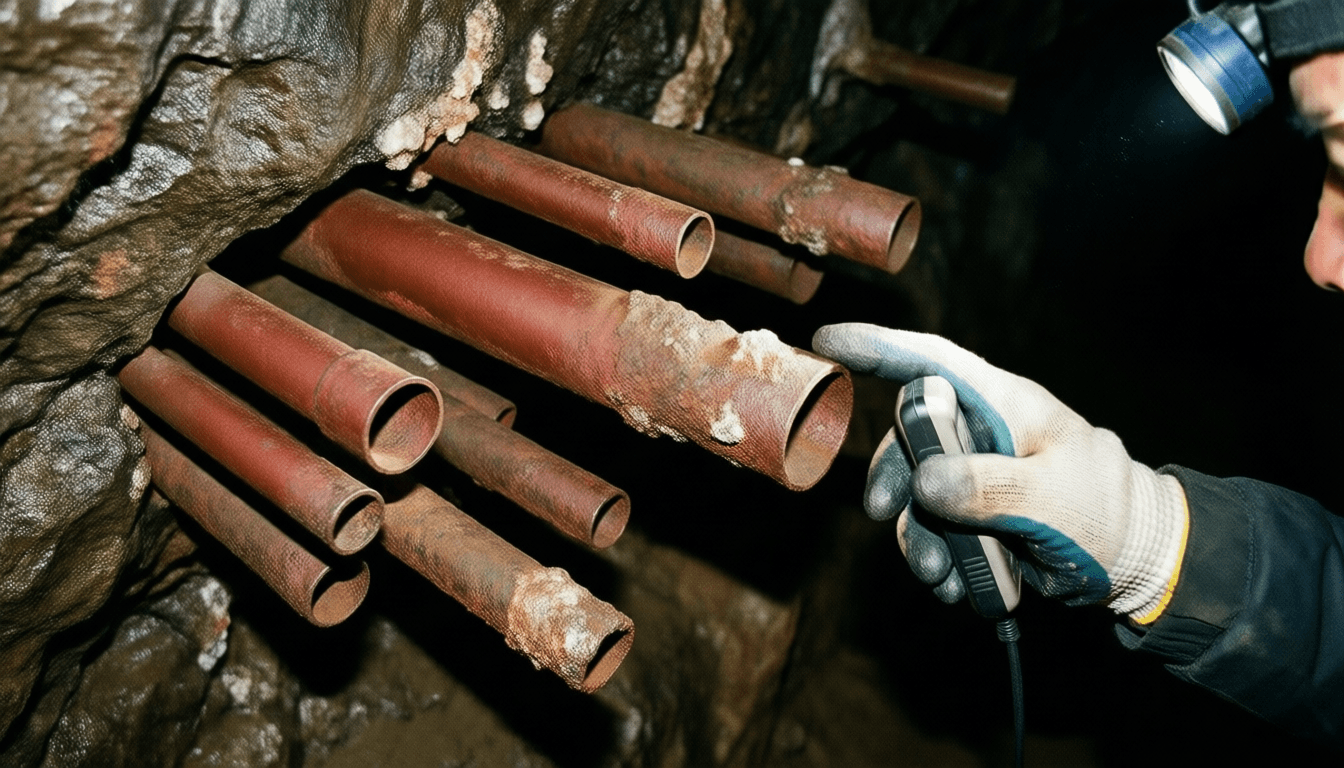
I followed the main resonant pipe into a small cylindrical chamber barely wider than my shoulders. Here, several smaller, finger-like pipes jutted from the ceiling and floor, converging towards a larger central conduit that pulsed with its unknown internal hum. I raised my geological hammer to take a small core sample from an immobile section of rock beside the main resonant pipe.
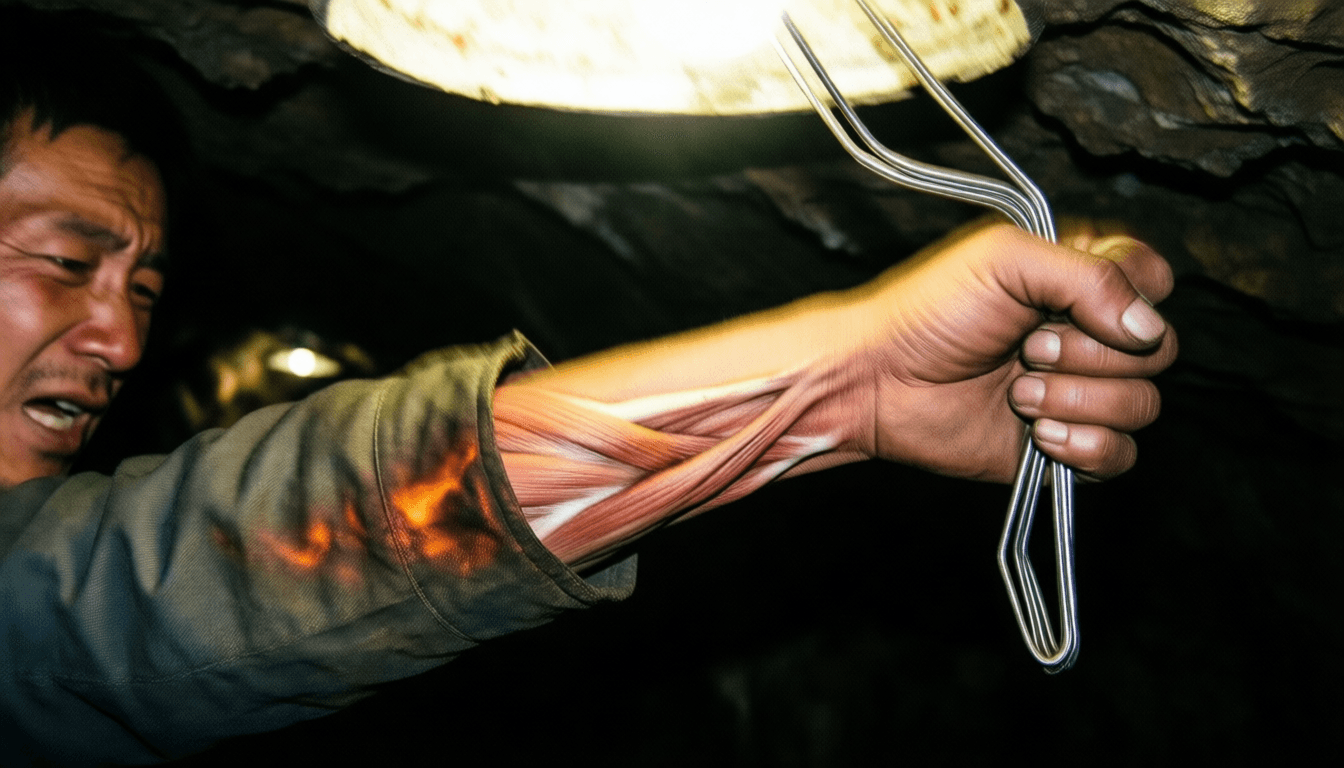
The moment the hammer made contact, a sharp cracking sound echoed, not from the rock, but from the air itself. The low hum in my chest amplified into a violent vibration, shaking my bones, my eardrums felt about to burst. Suddenly, the air within the chamber began to be actively sucked towards the large central pipe, not from a vent, but directly. Dust, loose sand, even my camera strap were pulled towards it by an unseen force. And the pipes themselves moved. Not a structural collapse, but a deliberate, almost organic motion. Two thin, finger-like pipes protruding from the ceiling above me bent downwards with astonishing speed. They didn't break; they flexed with unnatural suppleness, clamping tightly around my left arm against the larger central pipe.
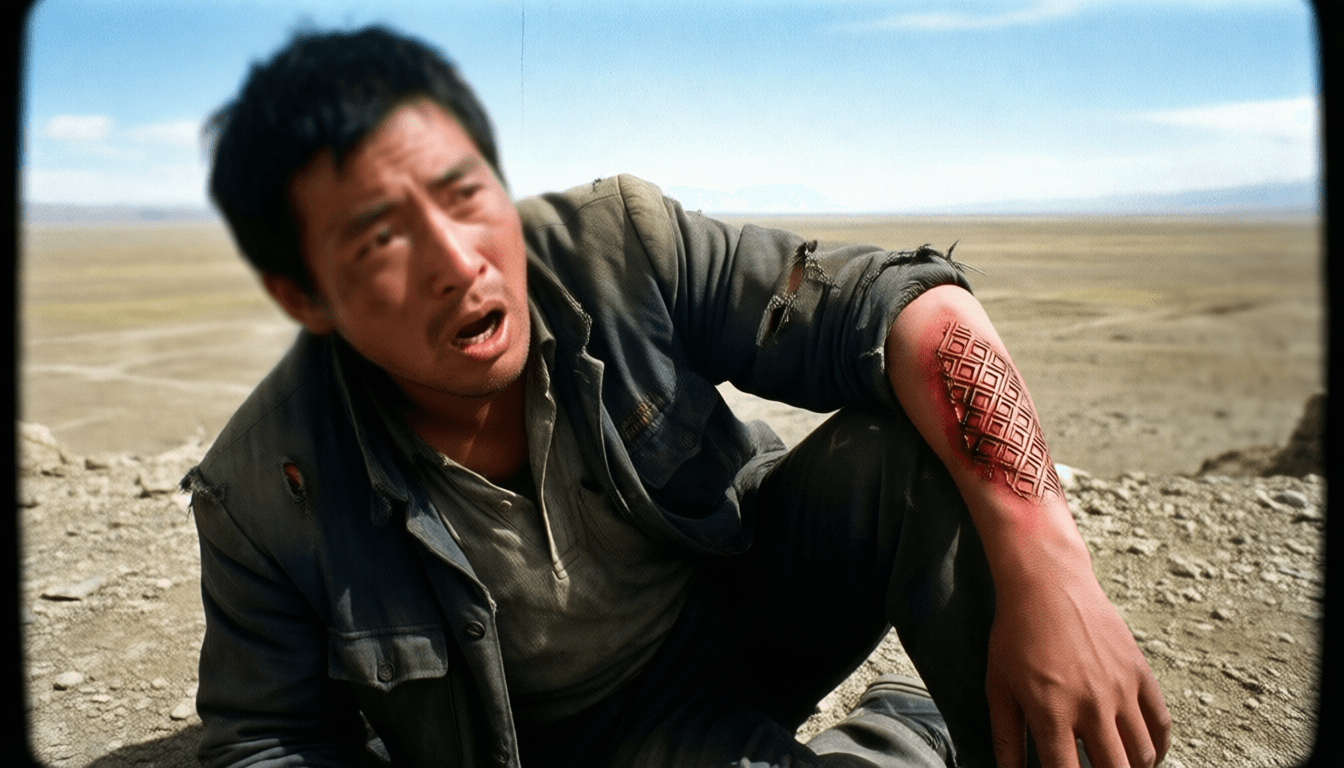
An intense, searing heat immediately flared from the surface of the pipe gripping me. It wasn't merely hot; it was a focused, consuming fire that melted the synthetic fibers of my sleeve and seemed to brand my skin. The metallic scent in the air turned acrid and chemical, burning my nostrils. Now, an unbearable, roaring din emanated from the pipes themselves, permeating not through the air but directly through the rock into my flesh, filling my skull. It felt like a conscious physical assault. I screamed and thrashed, the pain piercing like a white-hot spear. The pipe holding my arm tightened further, the metal feeling solid yet subtly yielding, like living muscle, offering no escape. I pulled with all my might, the pressure threatening to break bone. In a desperate, primal struggle, I managed to wrench free, leaving a section of my jacket and a layer of my skin behind. The instant I was released, the pipes snapped back to their original positions with a 'whoosh', and the humming subsided to a low, menacing throb. I half-crawled, half-stumbled backward, the din receding, a chilling, resonant silence now pursuing me towards the cave entrance like a predator.
Bursting out of the cave, I gasped for air, collapsing onto the dusty ground under the vast, indifferent sky. The desert wind, once a subtle presence, felt like a blessed purification. My left arm throbbed with a deep, aching pain, skin blistered and peeling. The burn was unlike anything I'd ever seen: a perfect, intricate lattice pattern, directly mirroring the microscopic texture of the pipe that had held me. An elaborate geometric scar, not explainable by mere thermal injury.
Weeks later, reviewing the photos I'd taken, one blurry shot from just before the incident caught my eye. Most details were indistinct due to rapid movement, but one of the smaller, finger-like pipes that had gripped me appeared subtly reconfigured compared to an earlier photo of the exact same section taken just minutes prior. A slight curve, a tiny displacement. Easily dismissed as camera shake, yet undeniably there.
The Baigong Resonating Pipes are not merely a geological anomaly, nor are they the forgotten remnants of an impossibly ancient civilization. They are something else entirely. A vast, complex network that is alive in ways beyond our current biological understanding, or conduits for a singular, incomprehensible intelligence. And it branded me, left its resonance within me, took its toll. It's no longer a question of who made these pipes, but what they are, and why they lie dormant... only to awaken when disturbed. The true horror lies not in what they might be, but in the chilling realization that they are. And they are listening.
[ CLASSIFIED VERDICT ]
[ACCESS LOG - SOURCE FILE]
The Baigong Resonating Pipes, located at the foot of Baigong Mountain in Qinghai Province, China, are rusted metal pipes embedded in rock over 150,000 years old. These ancient structures are inexplicable by modern technology, contain 'unidentified elements,' and defy known geological formation processes. This enigmatic existence leads to speculation of an unknown ancient civilization or non-human intelligence, remaining an unsolved mystery for scientists.