The Ghost of Drydock 4
Most people dismiss the Philadelphia Experiment as mere hearsay. A naval urban legend tells of the USS Eldridge, a US Navy destroyer, conducting an experiment in 1943 to become invisible to enemy radar, with horrific side effects for its crew. The official record is clear: the Navy denies it, dismissing it as a misunderstanding of a routine degaussing experiment. The story barely survives in the realm of conspiracy theories, bolstered only by cryptic letters sent in 1956 by a man named Carlos Allende to UFO researcher Morris K. Jessup. In all respects, the matter was all but closed.
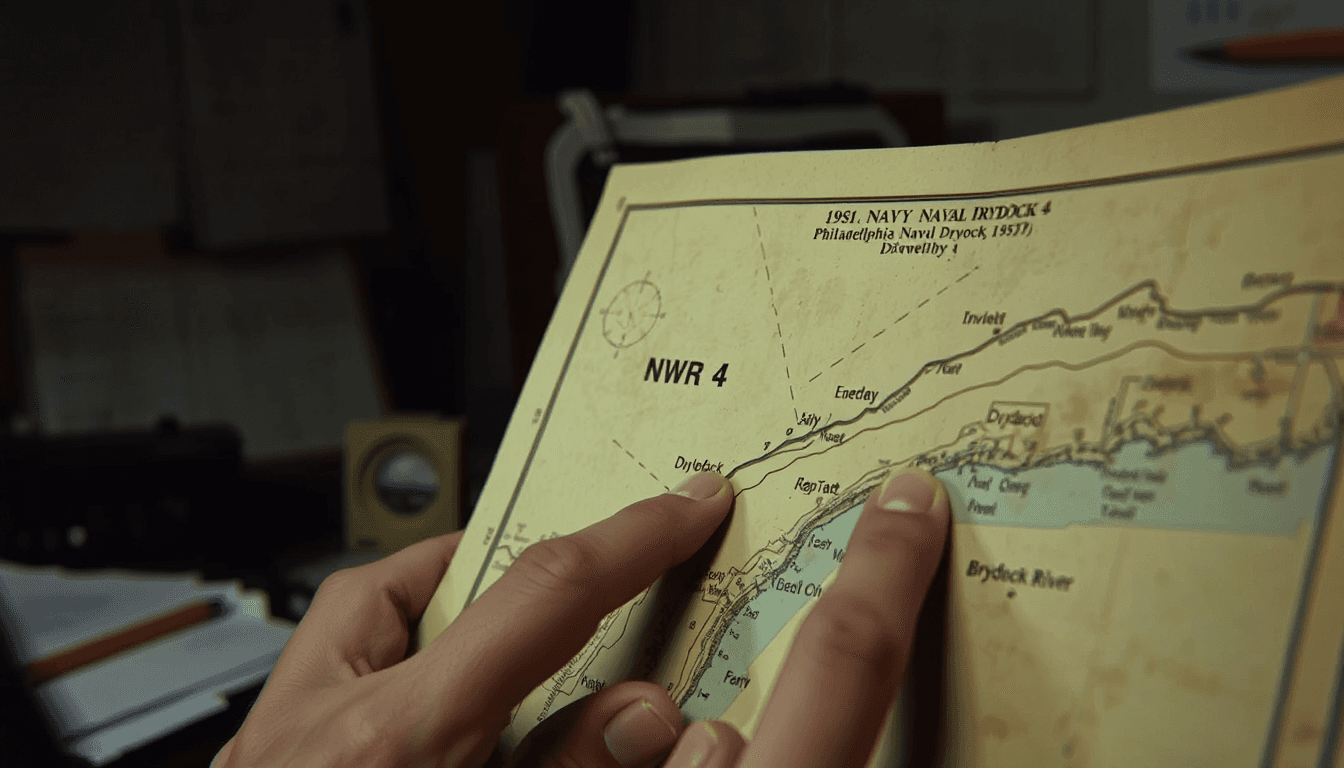
My investigation didn't start with Allende, but with a perfectly ordinary piece of government surplus purchased at an online auction: a US Navy hydrographic survey chart of the Delaware River, dated 1951. It would have been utterly unremarkable, had it not been for a faded ink handwritten annotation next to the Philadelphia Naval Shipyard, at the location of the decommissioned Drydock 4. The annotation referred to the unlisted location with a three-letter acronym: 'NWR'. Below it, along with coordinates, was this note: 1.7-second sonic echo delay. Signal range maintained. Inquire ONR.
NWR wasn't a standard naval abbreviation. ONR, however, clearly stood for the Office of Naval Research. A 1.7-second sonic delay in an empty drydock was physically impossible. Sound should travel that distance almost instantaneously. This implied the signal had either passed through a medium far denser than air, or traveled a distance exceeding 90,000 feet. The shipyard itself was now a half-abandoned industrial leviathan. According to the city's demolition permits, Drydock 4 was scheduled to be filled in and paved over within a week. The annotation on the map was a loose thread. I decided to pull it.
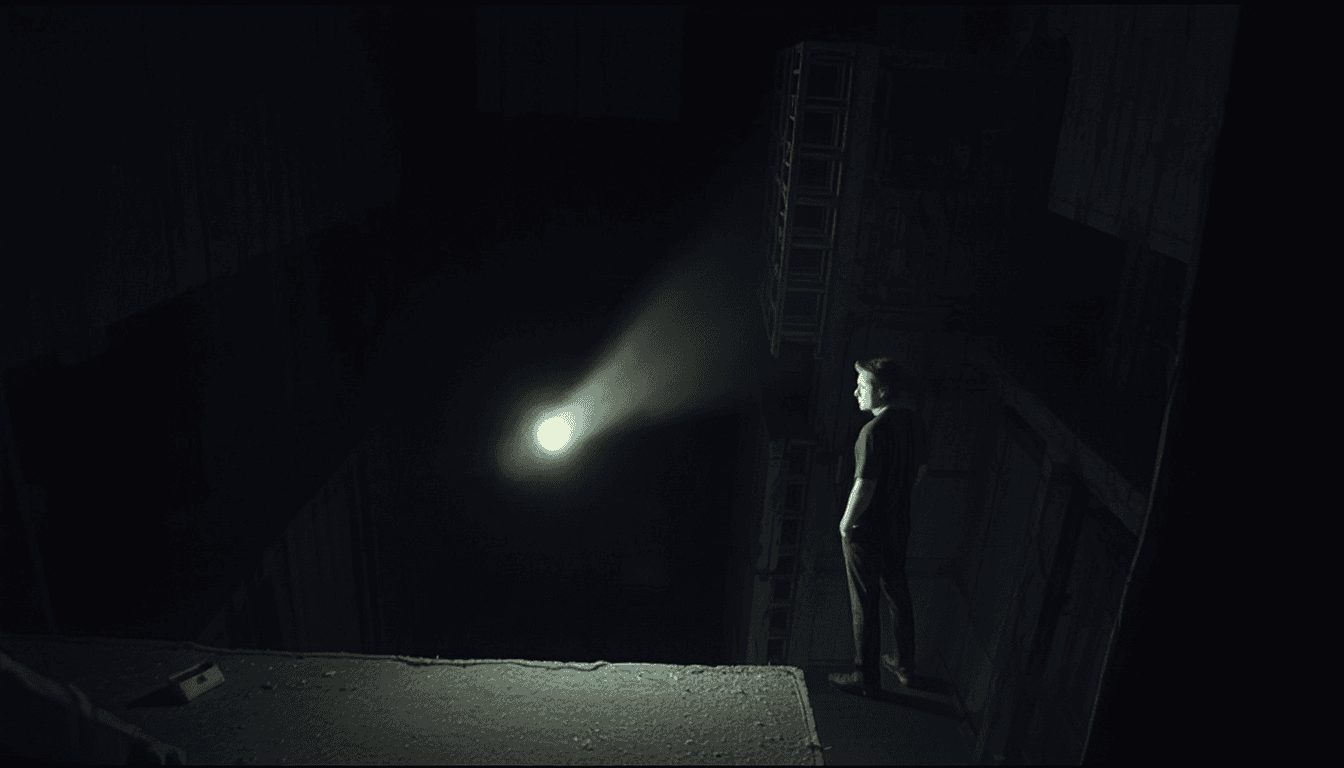
Getting into the closed-off shipyard at night was a matter of patience and a pair of bolt cutters. The air was heavy with the smell of stagnant water and rust. Drydock 4 was a monumental tomb built to cradle warships, a concrete canyon. Its scale was overwhelming: a thousand feet long, a hundred feet wide, sixty feet deep.
Standing at the edge, my headlamp beam projected a cone into the oppressive darkness. The sheer scale of the space disoriented me. The floor, where the spines of ships once rested, was lined with colossal concrete keel blocks, each the size of a small car. As I descended the rusted metal stairs, my boots clanged against the steps.
But the reverberation was wrong. It wasn't the sharp echo returning from a distant wall. The sound was dull, muffled, as if absorbed by the air itself. I clicked my tongue. The sound was immediately swallowed. Complete acoustic death. I pulled out my digital recorder and set it to measure ambient noise. The meter barely budged. Such silence in a structure of this size was the first anomaly.
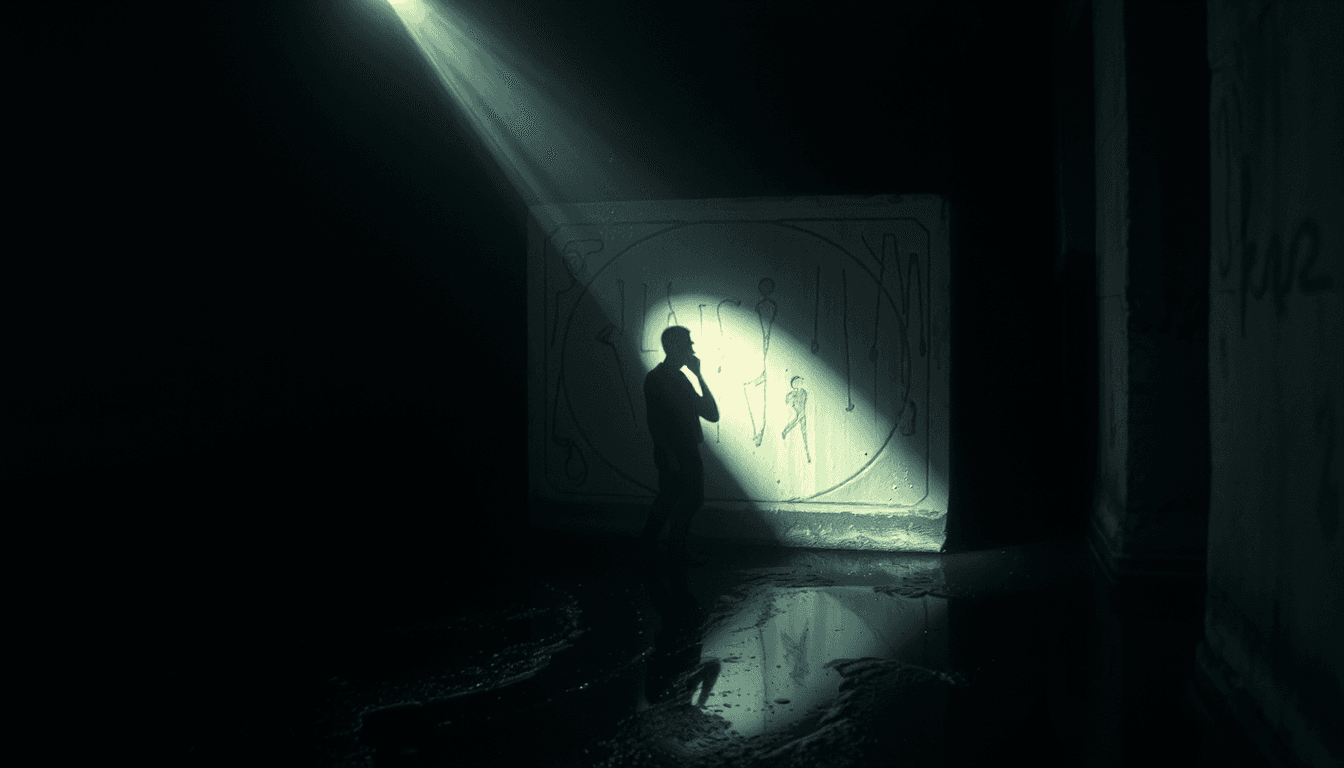
The drydock floor was thinly covered with a black, oily film of stagnant water. As I walked towards the center, my light illuminated something on the surface of a keel block. It wasn't a stain. It was a shadow etched into the concrete. Faint silhouettes of men, elongated and distorted as if seen through a warped lens. One of them was the perfect outline of a man's torso and shoulders, fused directly into the edge of the block. The surrounding concrete was discolored, as if scorched by intense heat.
I moved deeper into the drydock, towards the far end where the massive caisson gate stood firmly closed. The air grew colder, and a distinct smell of ozone, like immediately after a lightning strike, began to emerge. My headlamp started to flicker. Its beam momentarily contracted, as if squeezed by an invisible pressure.
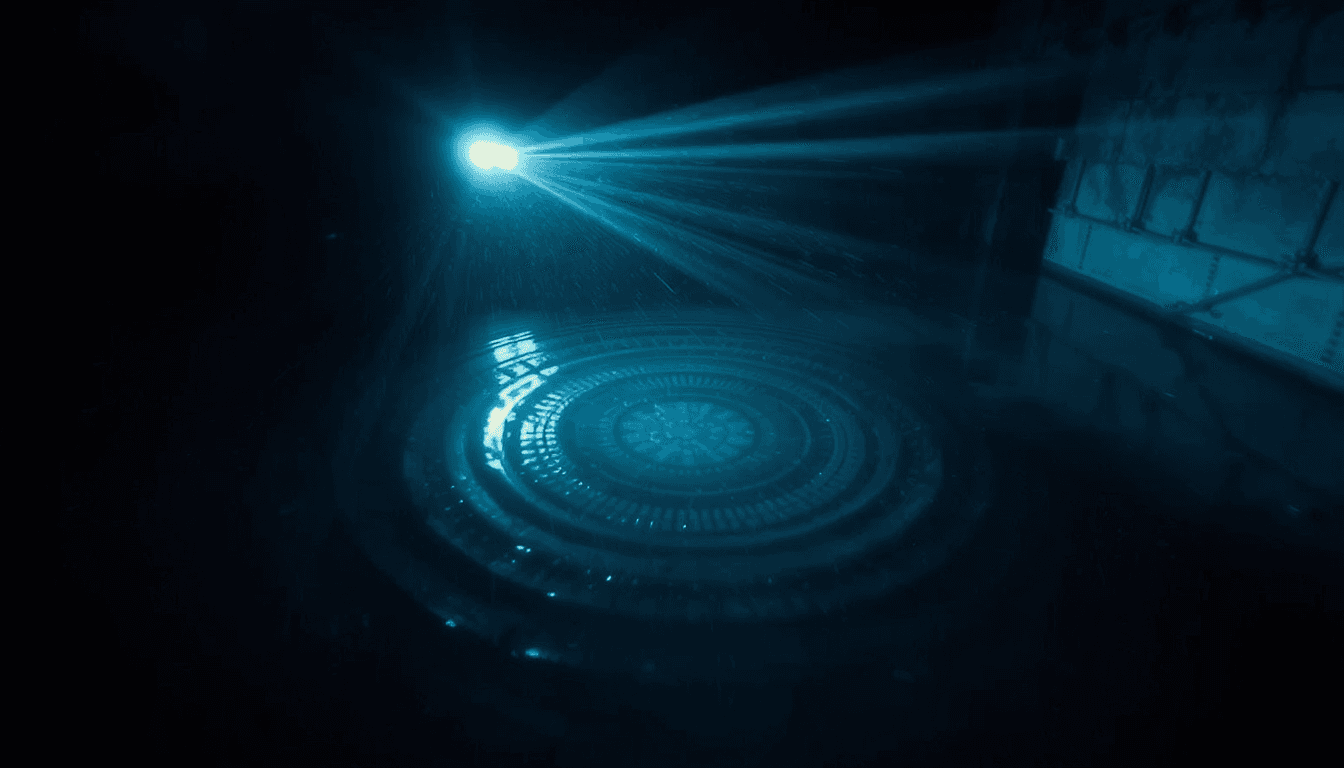
I stopped and held my breath. The stagnant water beneath my feet was no longer still. Small concentric ripples were forming, but they were flowing in reverse. Instead of spreading outwards from a central point, they converged inwards from the edges of the puddle, towards an invisible point in the air about three feet in front of me. It defied every law of fluid dynamics I knew.
Slowly, I backed away, raising my headlamp. Its beam passed through the space where the ripples converged. For a split second, the light bent. It refracted at impossible angles, creating a shimmering, heat-haze effect in the cold air. A low, ominous hum began to emanate from the recorder clipped to my waist. This was no ghostly apparition. It was a localized physical event. A scar on the very fabric of space. NWR on the map—Not Water Related. The echo hadn't traveled through air. It had passed through this.
A deep, ponderous groan resonated through the drydock. This time, the sound was perfectly transmitted, amplified by the concrete walls. It was the sound of colossal steel grinding against steel. I spun around. A thousand feet away, the hundreds-of-tons steel plate that sealed the drydock entrance, the caisson gate, was moving. It was sliding shut along decades-old tracks, at an agonizingly deliberate, slow pace. There were no machines, no power. It was just closing.
Terror seized me. I was being trapped. I started to run, my boots splashing through the oily water. The shimmering distortion in the air was now larger and more defined. It wasn't just refracting light; it was absorbing it. It looked like a vague, man-shaped void hovering between me and the only exit.
As I sprinted towards it, a crushing weight pressed in on me from all sides. The air became viscous, thick, making it hard to breathe. The ozone smell was pungent. The void stood directly in my path. There was no choice but to go through it. I squeezed my eyes shut, bracing to throw myself forward.
The sensation wasn't a physical impact. It was an instantaneous, absolute sense of dissolution. A cold, electrical grinding that vibrated through my bones. For a fleeting moment, I felt my body in all directions at once: my back was my front, my left hand felt the right wall. My vision blurred with superimposed images: the rusted stairs, the concrete floor, and the steel hull of a grey warship that wasn't there. A brief, intense pressure, like steel piercing steel, pulsed in my left arm.
And then I was through. I stumbled, collapsing hard onto the concrete floor, gasping for air. The caisson gate was now barely twenty feet from fully closing. I scrambled up and flung myself through the shrinking gap, tumbling onto the gravel outside just as the colossal door slammed shut with a final groan.
I don't know how long I lay on the ground. The world was nothing but the sound of my own ragged breathing. When I finally pushed myself up, the shipyard was quiet, abandoned, indifferent, just as it had been. The drydock was sealed.
Back in my office, I reviewed the evidence. The audio file from the recorder was 90 percent static. But at the exact moment I passed through the distortion, a distinct waveform had been recorded. Isolating that section and playing it back slowly, it wasn't mere noise. It was a collage of sounds: the hum of an old generator, panicked shouts, and a single clear voice: "...field unstable! We're in the bulkhead! We're in the bulkhead!"
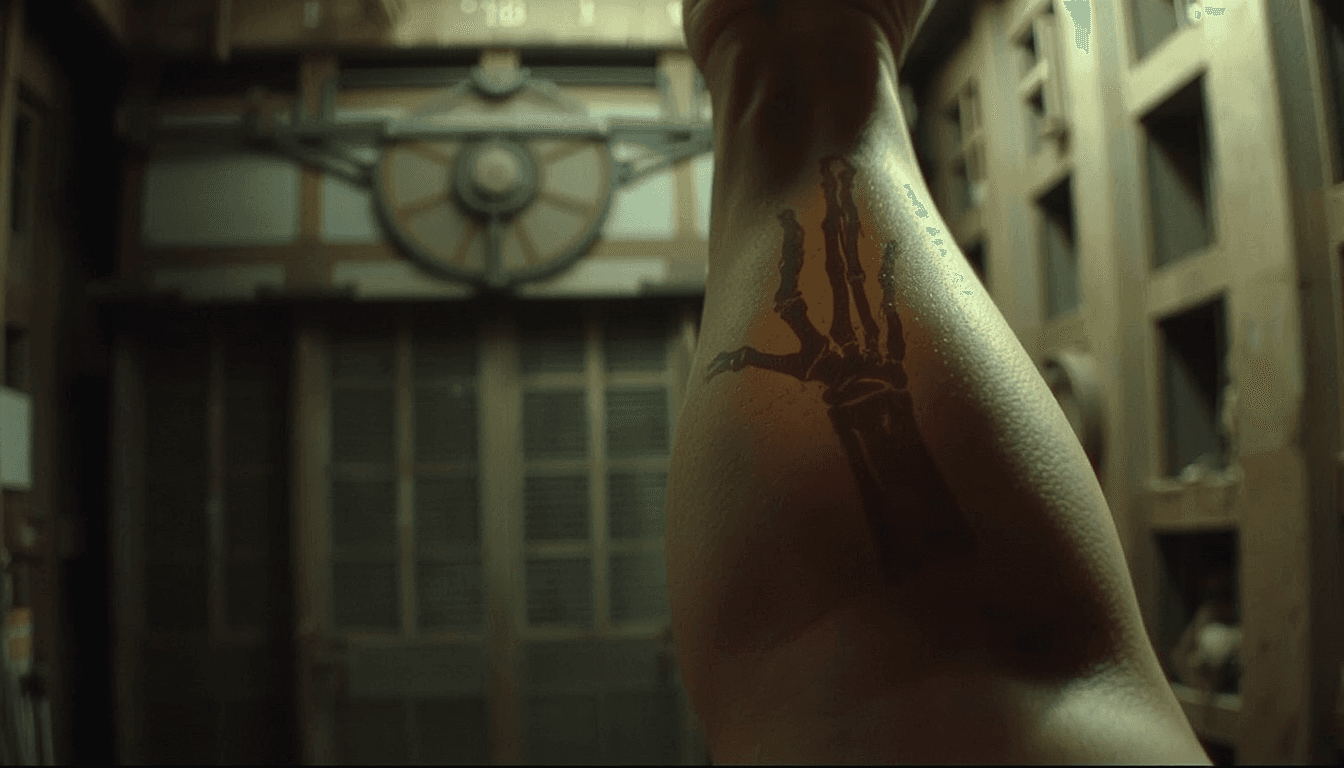
The report remains incomplete. There is no logical explanation for what occurred. There is only the data, and one other piece of evidence: my left arm, below the elbow, aches with a deep, bone-chilling cold that won't dissipate. It looks fine, feels normal. But last night, under the dim monitor light, I noticed something. Holding my hand up to the light, the faint, dark outline of the bones within began to show. At certain lights, certain angles, my flesh was becoming translucent.
[ CLASSIFIED VERDICT ]
[ACCESS LOG - SOURCE FILE]
This story is based on the mysterious urban legend of the Philadelphia Experiment, where in 1943, the U.S. Navy destroyer USS Eldridge allegedly conducted an experiment to become invisible to enemy radar. Conspiracy theories widely claim that this experiment caused the crew to experience spatio-temporal anomalies and horrific physical side effects. Although officially denied, it remains a famous urban legend where many still question the truth.