The Dover Demon: An Impossible Chill in the Woods
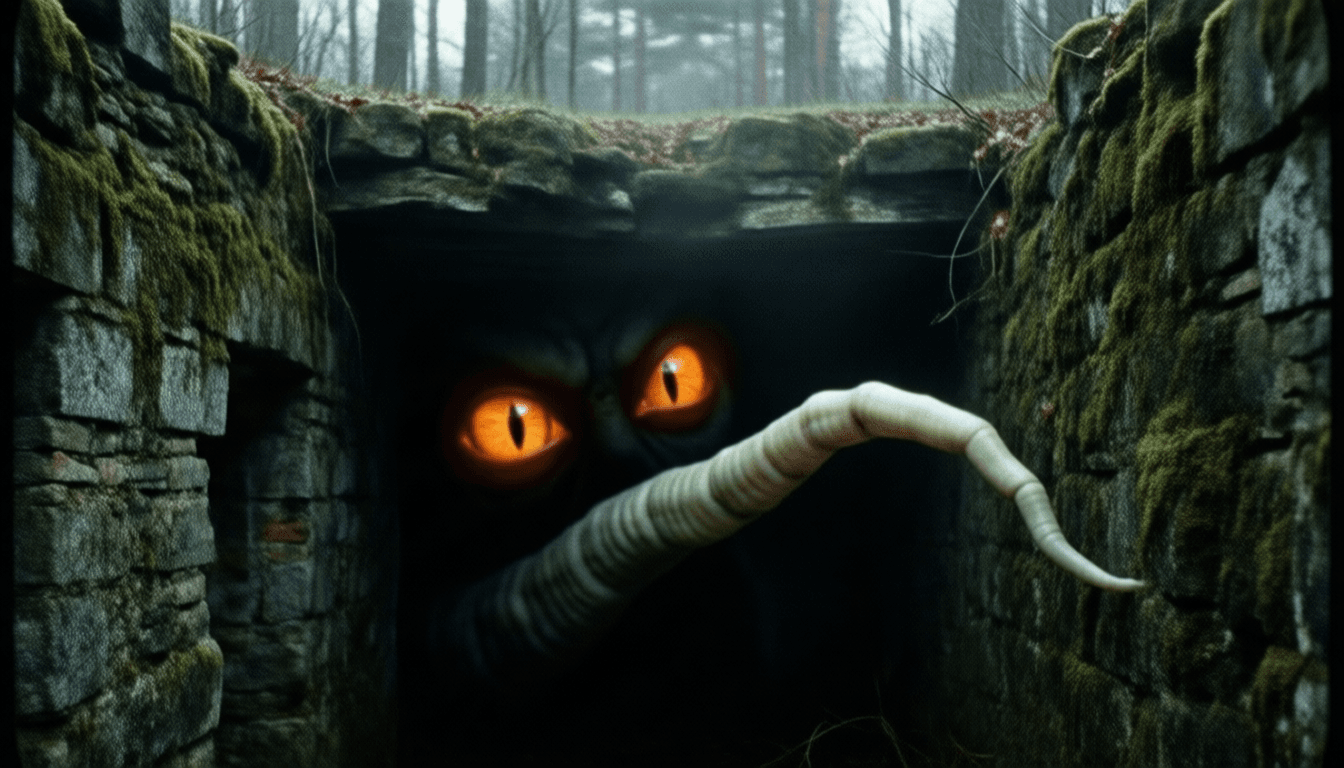
The official police reports on the Dover Demon, compiled in Dover, Massachusetts in July 1977, are publicly accessible. These reports consistently describe a chilling creature seen by four teenage witnesses within a 24-hour period, with descriptions including a "watermelon-like head," "large, glowing orange eyes," and "long, slender limbs." The sketches they independently drew reveal an unpleasantly identical form. While many dismiss it as mass hallucination or a youthful prank, the repetition of such detailed descriptions among unrelated witnesses has always intrigued me. However, an anonymous tip posted on the 'New England Cryptozoology Watch' forum last fall instantly captured my attention. The post described not a visual sighting, but an auditory experience near that very forest: "A moist, bone-scraping noise against stone, followed by an impossible silence." This specific, vivid description was absent from the official 1977 records but aligned with heavily redacted supplementary FBI materials related to the incident that I had been tracking for years. It hinted at observations that were never meant to be connected to the general public.
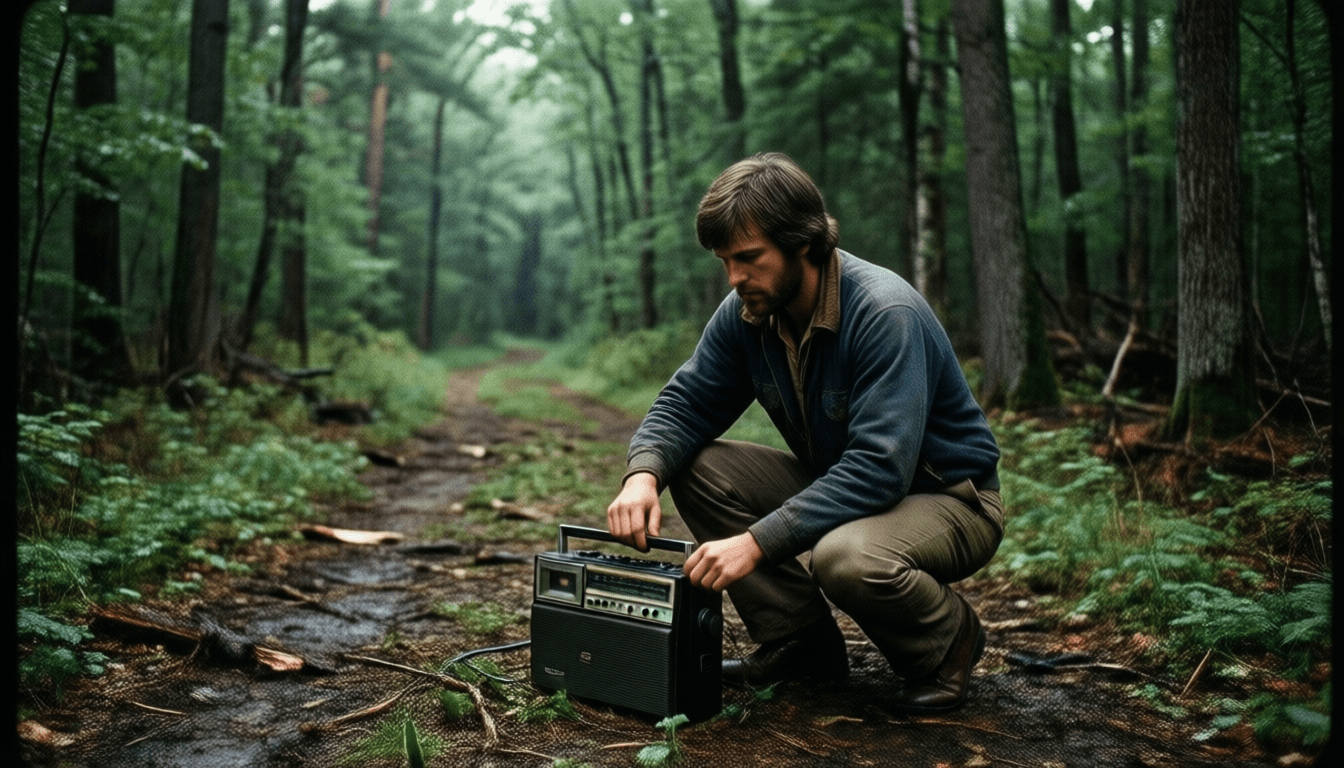
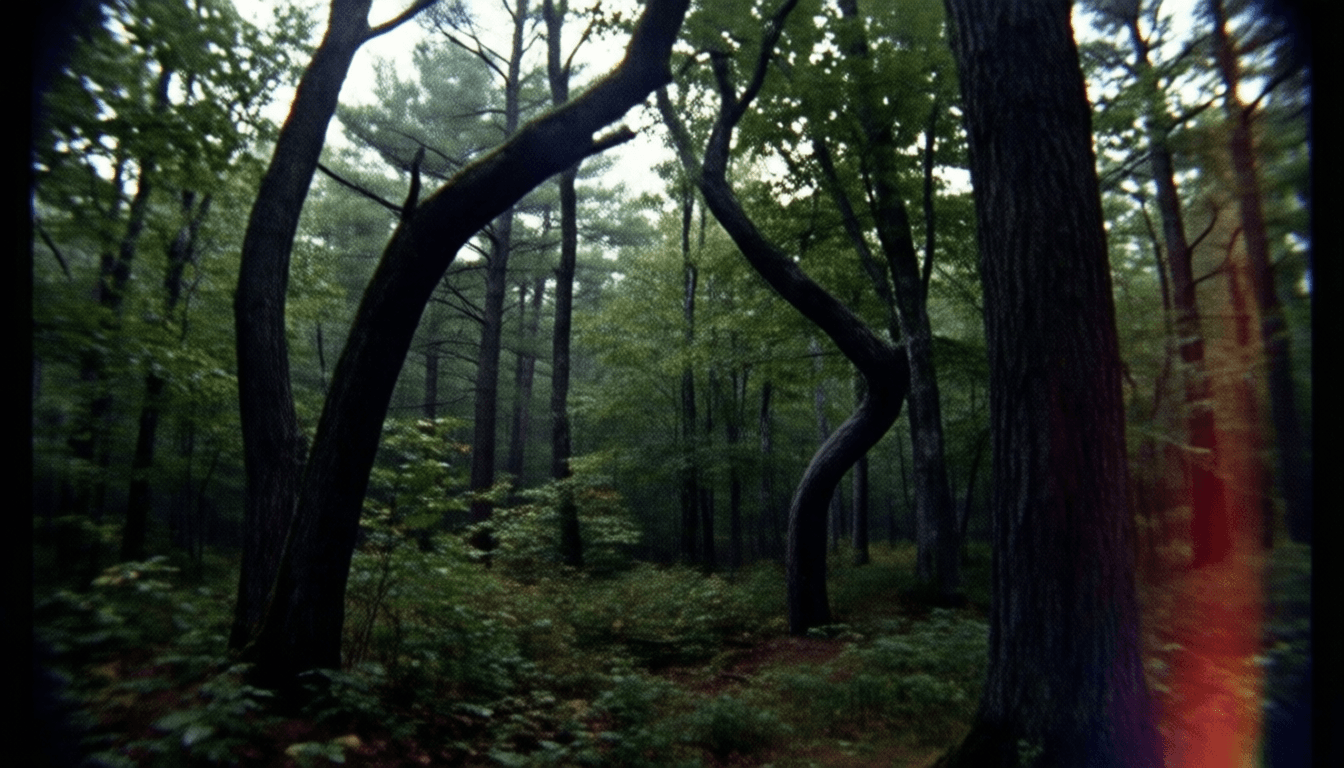
Drawn by that unsettling correlation, I headed to the precise location identified in the leaked supplementary materials: an old, forgotten logging path where Dover's marshlands met dense second-growth forest. Late summer humidity hung heavy in the air, thick with the smell of damp earth and decaying leaves. Cicadas performed a ceaseless, buzzing symphony from unseen treetops. My gear was minimal but precise: a high-sensitivity audio recorder, an infrared camera, and a handheld atmospheric sensor. My initial goal was to identify geological features—unusual rock formations, sinkholes, or peculiar water sources—that could explain the reported sound or create acoustic anomalies. The path was overgrown, and I had to push through thorny thickets and carefully navigate treacherous, slick roots. The overwhelming green swallowed ambient sounds, already creating pockets of suffocating silence even before I reached my target zone. I noted the specific age of old stone walls, colonial-era land divisions, now slowly being reclaimed by the forest.
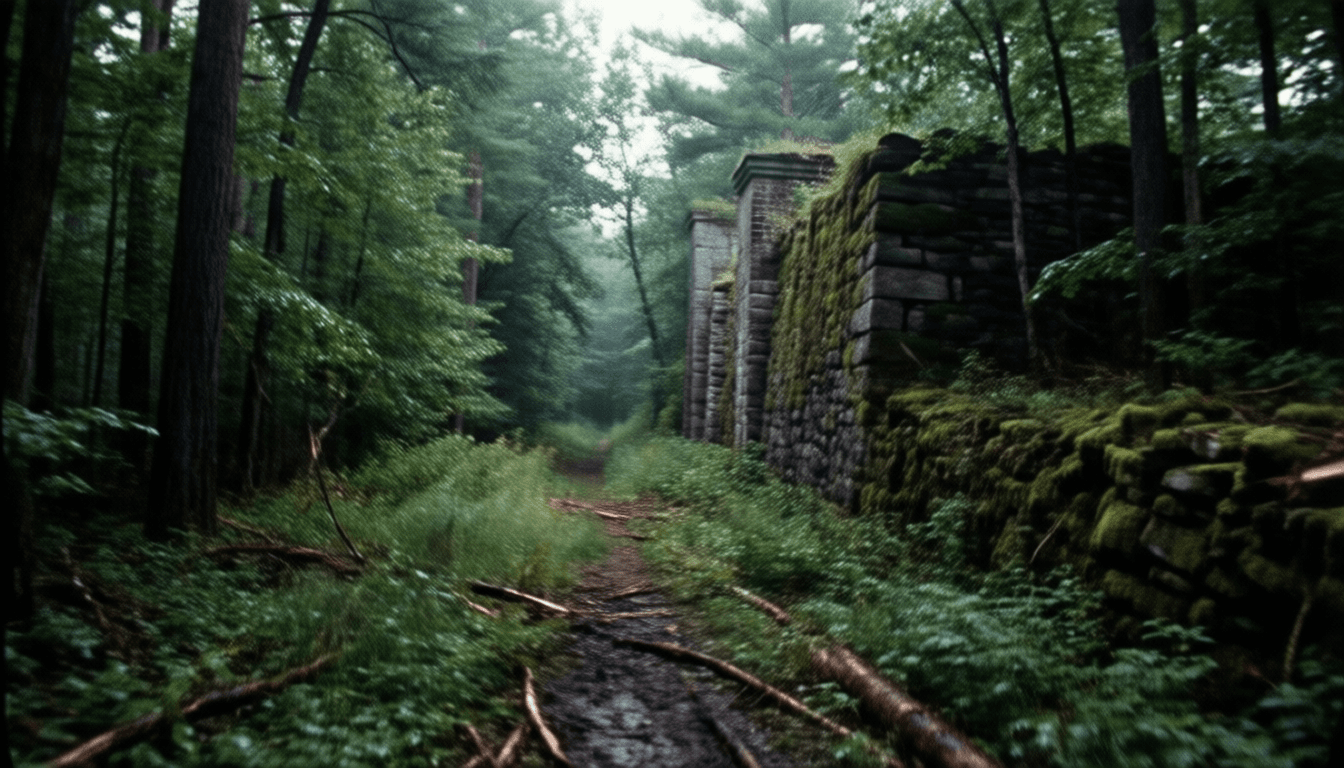
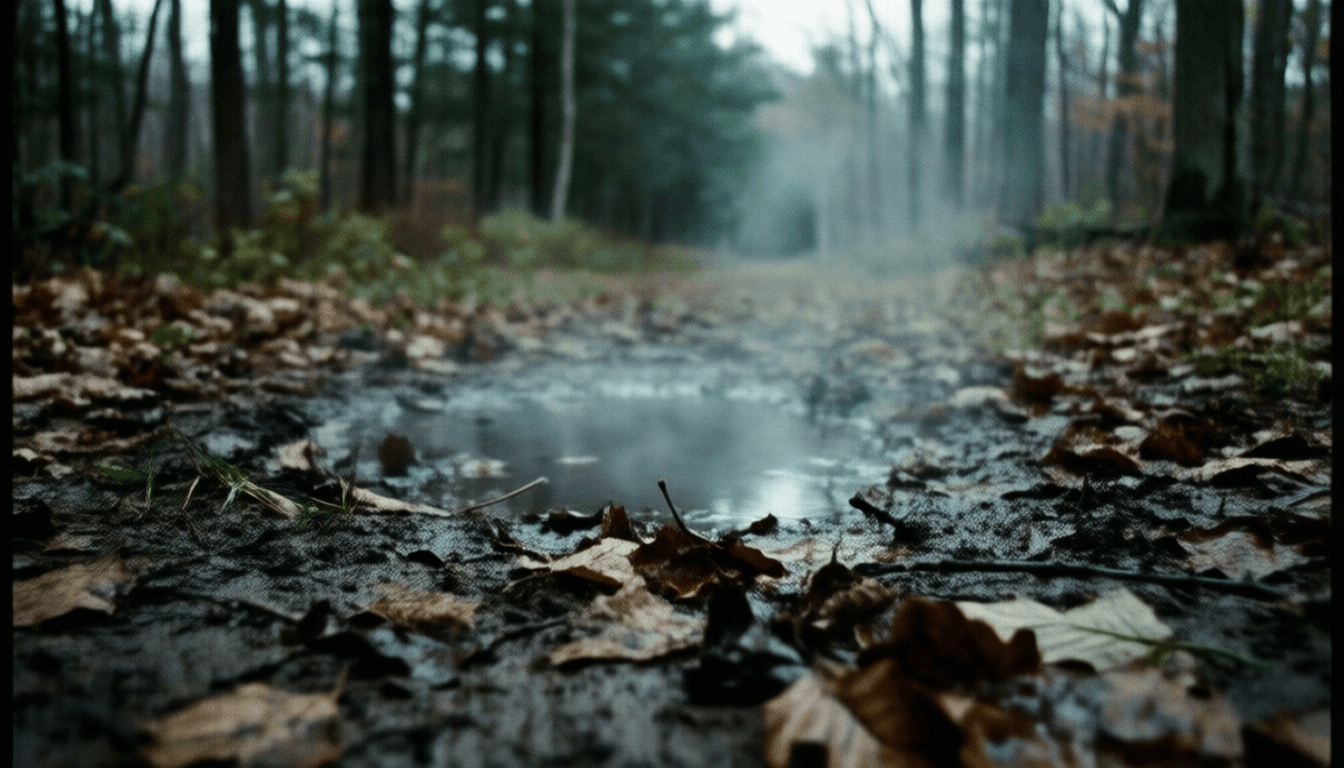
Deeper in, the cicada chorus began to fade. Not abruptly, but a slow, almost imperceptible dwindling until an unnatural stillness settled. It wasn't the peaceful quiet of deep woods. It was an oppressive, heavy silence that seemed to absorb all sound, including my own footsteps. The air grew noticeably colder. A damp, clinging chill, out of place in the humid summer sun, emanated from pools of water, where faint wisps of mist rose. Then, the sound began. Faintly at first, distant, almost rhythmic
Following the sound, now a relentless, grinding pulse, I came to a small, mossy clearing dominated by an old, partially collapsed rock wall. The stones were slick with a strange, oily condensation. The scraping abruptly ceased, replaced by a deep, resonant
I instinctively flinched back. The moment I turned to flee, the earth beneath my feet gave way. Not a collapse, but the ground itself seemed to liquefy, like viscous mud, seizing my legs. The surrounding trees shifted as if swayed by an impossible breeze meant only for them. The low
I don't recall the exact sequence of my escape, only a blur of impossible cold, the smell of ozone and damp stone, and the ceaseless
Most of my equipment worked. The thermal camera was ruined, its internal components melted. But the audio recorder yielded chilling results. Every scene from the climax was a dense mass of "moist scraping" and "humming," devoid of any other forest sounds. The recorded frequencies went beyond what any natural soundscape could produce, causing instant, severe nausea and disorientation after just a few seconds of playback. My digital camera contained a series of photos taken just before I fled. Most were indistinct, capturing deep, unnatural shadows and strange, almost impossible distortions of foliage, as if light itself had warped. But one photo, taken seconds before the camera died, captured a faint, glowing orange smudge in the darkness, and within it, a blurred outline. It was less a creature than a
My most recent log entry on the Dover Demon does not declare the discovery of a cryptid. Instead, I meticulously detailed an "environmental anomaly" — impossible cold, acoustic phenomena, localized light distortion. I concluded with a restrained observation: "A specific region in Dover, Massachusetts, continues to exhibit an anomalous uncooperativeness to standard physical laws. The very earth, as if through a chillingly active sentience, seems to guard its secrets." That persistent cold still remains, like the phantom limb pain of fear. And lately, I compulsively check Dover area news, especially for reports of missing hikers along old logging roads, or sudden, inexplicable power outages. The whispers from 1977 feel less like an urban legend, and more like a warning, echoing the impossible silence I faced in that clearing.
[ CLASSIFIED VERDICT ]
[ACCESS LOG - SOURCE FILE]
The Dover Demon is an unidentified creature reported by four teenage witnesses in Dover, Massachusetts in July 1977. They described the creature as having a "watermelon-shaped head," "large, glowing orange eyes," and "long, thin limbs," which has intrigued many while also drawing skepticism.