Shadows of Fleet Street: The Blood-Soaked Barber Shop
London police archives hold dormant documents detailing mysterious events from the early 19th century. Particularly, a peculiar pattern of a sharp increase in missing persons reports was discovered in a specific area between 1803 and 1810. These disappearances, centered around a narrow, unnamed alley off Fleet Street, differed from typical urban vanishings. Several early reports repeatedly mentioned vague references to 'commercial premises with peculiar underground modifications.' Digging into London's old land registry documents, records for a barber shop building sold in 1801 came to light. The record included a unique clause: 'a peculiar internal drainage system leading through a filtration room to the River Thames.' This was decades before the legend of Sweeney Todd was popularized. Perhaps the gruesome tale was not pure fiction but a distorted echo of a much more ominous truth. The address recorded had now become a forgotten place, erased even from maps.
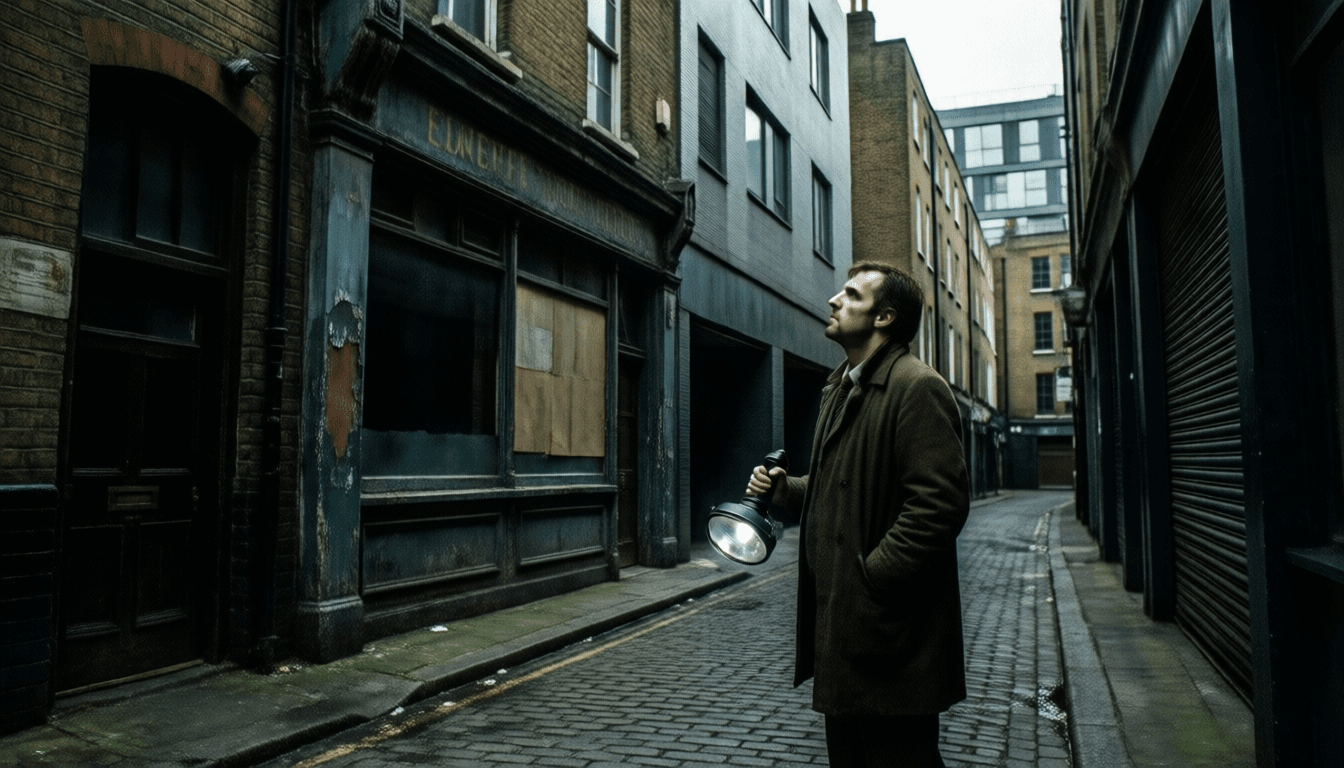
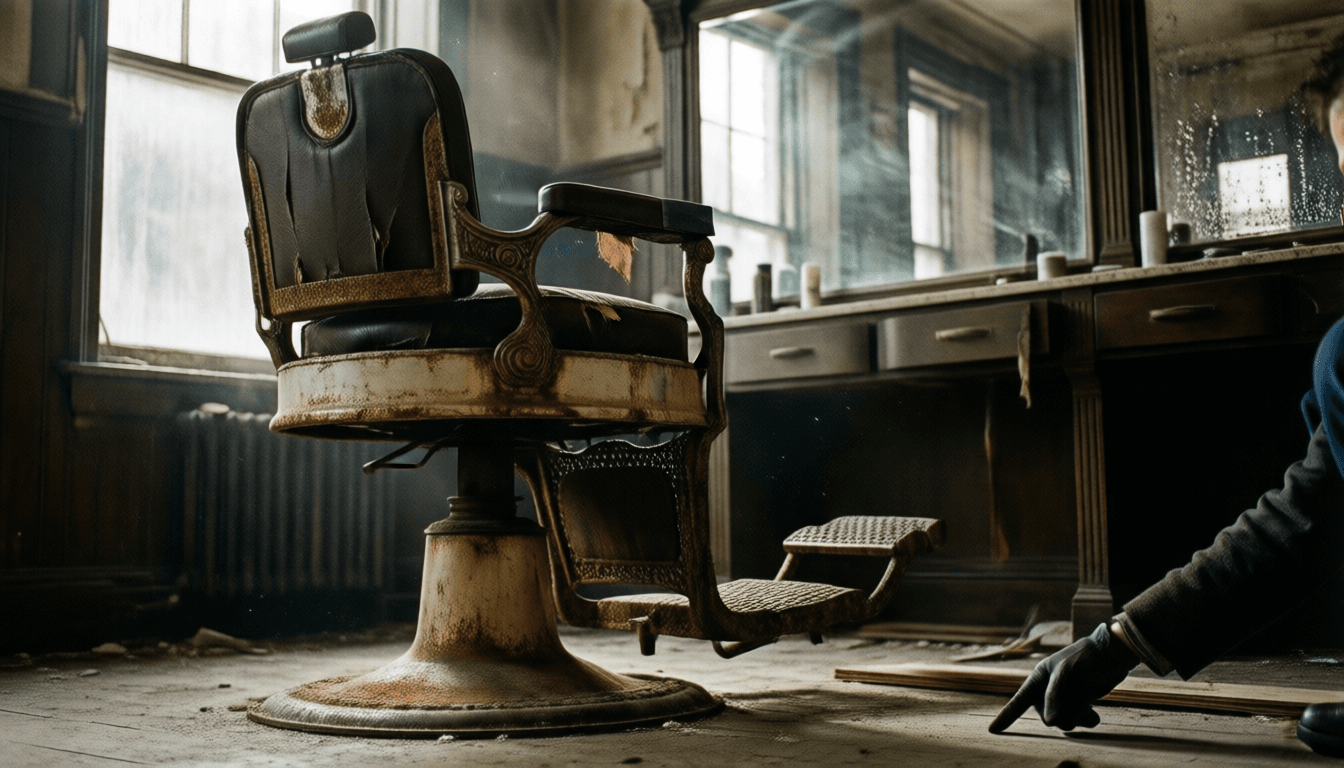
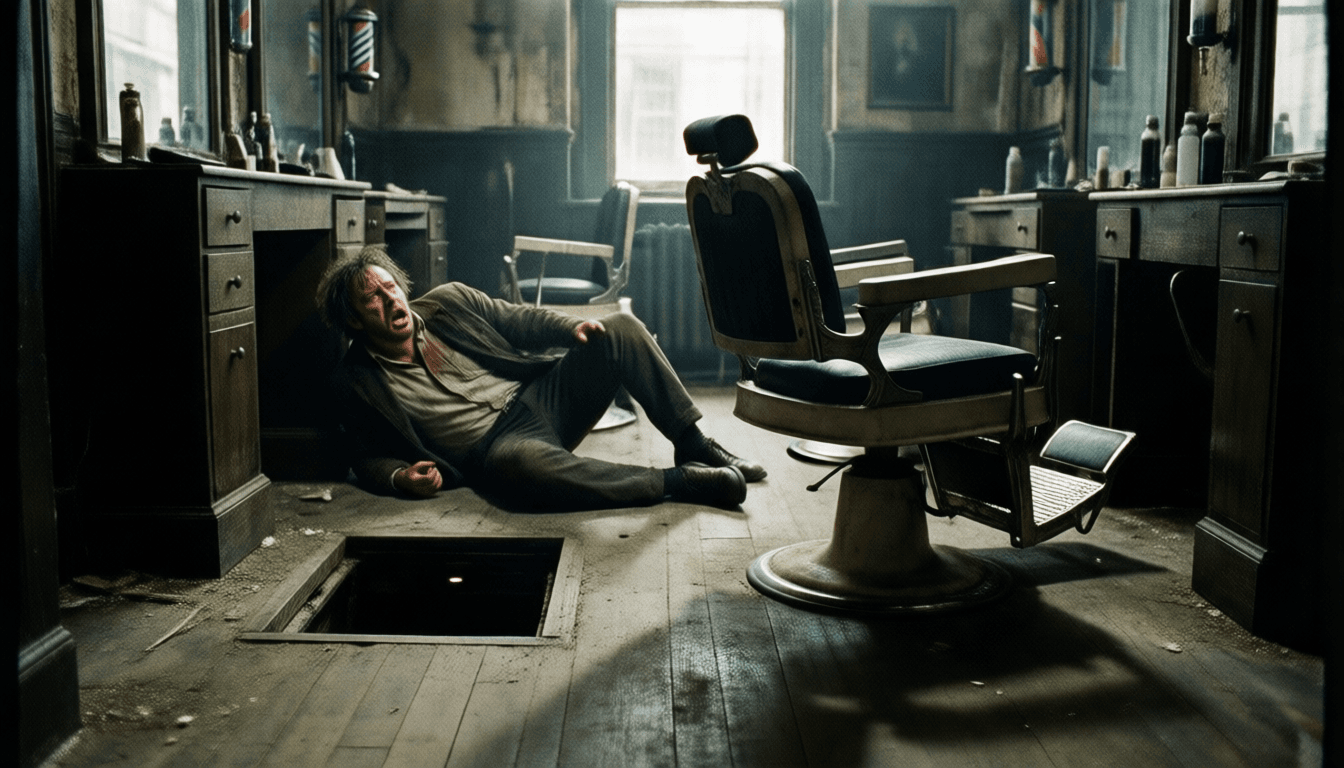
Drawn by the anomaly in these records, I located the forgotten place. It was a narrow, unremarkable building facade, nestled between a modern sandwich shop and a newspaper stand in a back alley just off Ludgate Circus. Though outwardly normal, its original purpose was obscure, seemingly abandoned for over a century. After negotiating with an indifferent real estate manager who claimed no knowledge of the building's internal structure, I finally gained entry. A musty, dusty smell, faintly sweet, was accompanied by a metallic, bloody odor that assailed my nostrils. The ground floor was a single room, surprisingly well-preserved. Faded wallpaper, a cracked porcelain sink, and at its center, a heavy, worn barber chair with torn leather, facing a rusted mercury mirror. The silence within was absolute, as if the city beyond was a distant world. Profound stillness. My gaze immediately fell upon the 'peculiar drainage system.' Carefully lifting a loose floorboard near the barber chair, a dark, narrow vertical passage, completely hidden, plunged into an abyss.
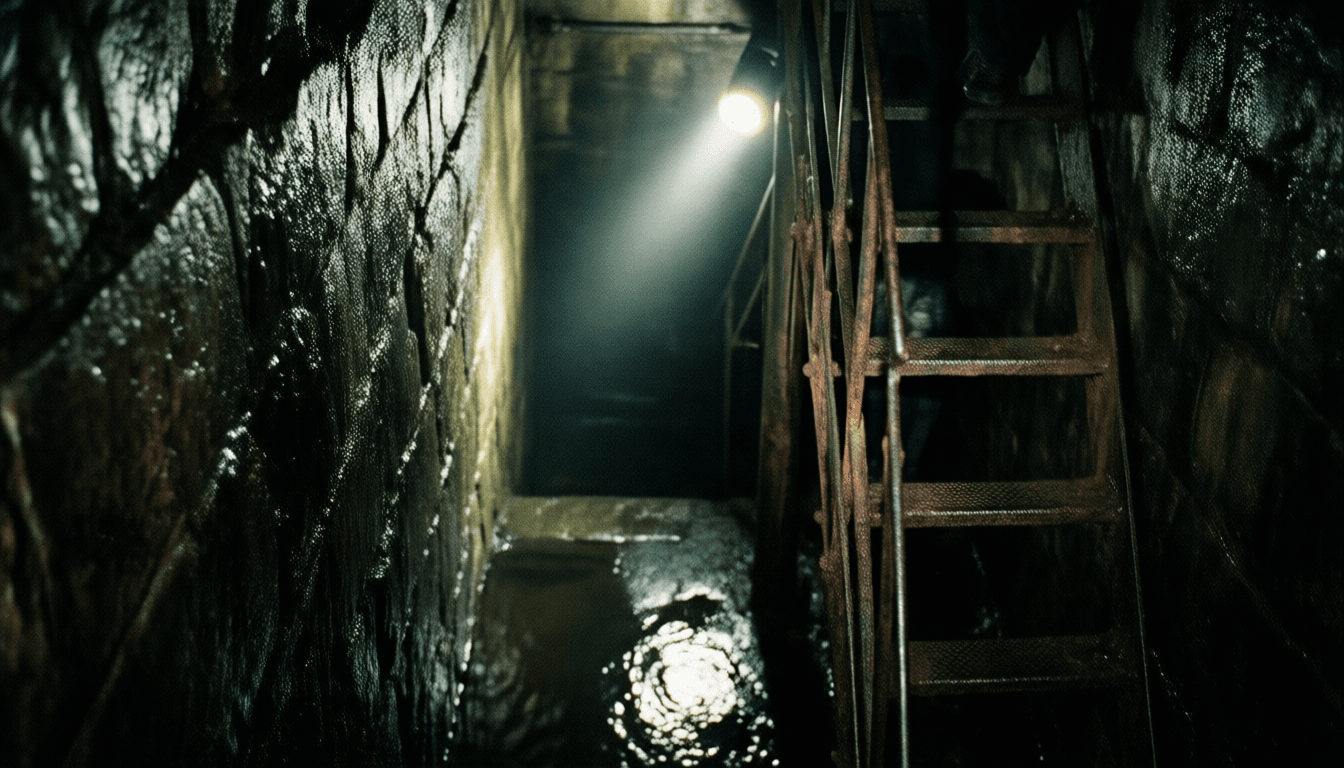
Relying on a rusted iron ladder, I descended. The air immediately grew heavy and humid, and the metallic scent intensified, almost choking me. My shallow breaths echoed within the passage, but sometimes they seemed a beat too fast or strangely distorted, as if someone was breathing beside me. Water droplets began to form on the rough stone walls. Not falling from above, but slowly spreading as if seeping from the stone itself, soon becoming sticky, dark streaks of liquid that flowed not down, but in a slow, almost imperceptible curve upwards before vanishing. Amidst the damp humidity, an intense, unnatural chill emanated from various spots. Then, a sound. A faint, rhythmic 'shick-shick-shick' sound. Like a razor being stropped on leather. It was always faint, barely there, always just beyond the next bend, or even directly above me, even though I was underground. It was psychological torture. A deep dread began to rise within me, not my own, but imbued with an ancient, patient malevolence.
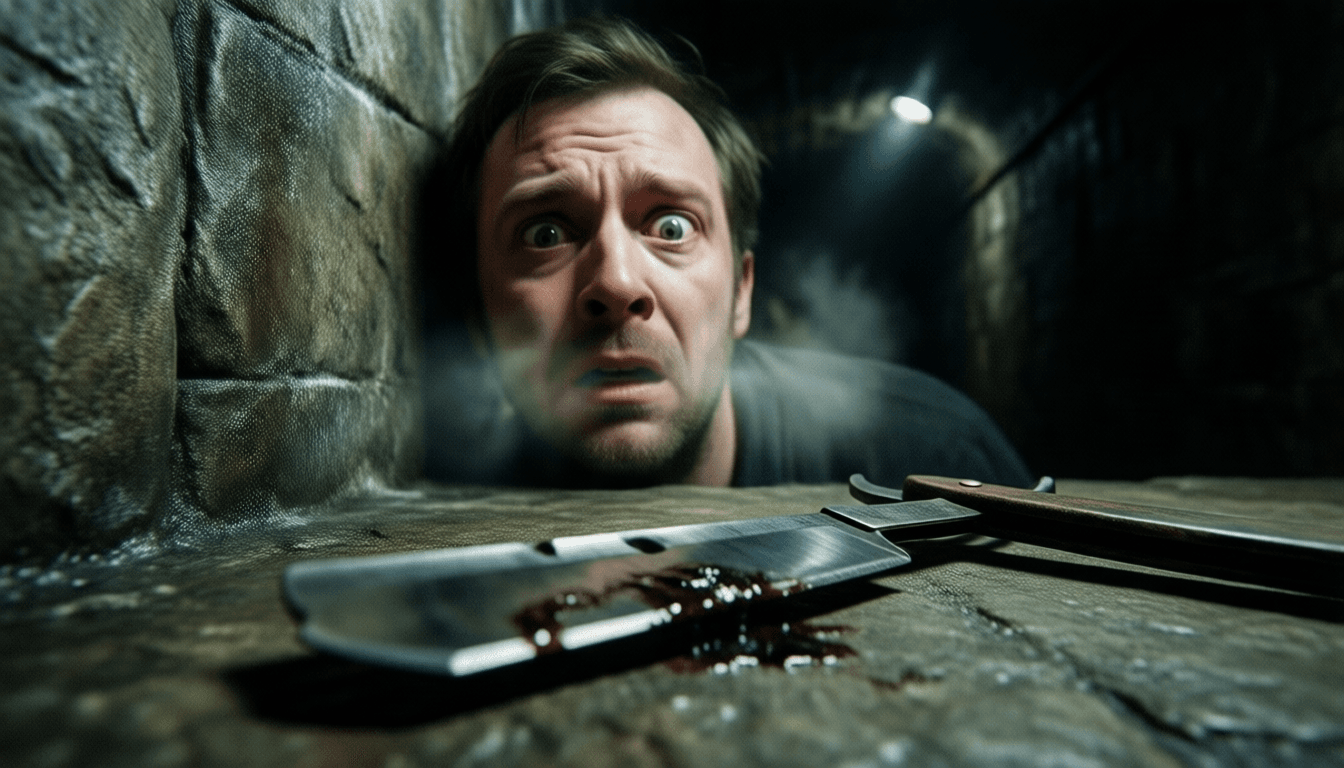
The passage led to a small underground room. It was no mere drain; it was an intricately constructed stone chamber. A deep, narrow groove ran along one wall, connected by a sealed iron door that seemed to lead to the filtration room mentioned in the registry documents. The metallic smell here was overwhelming, almost nauseating. The moment I examined the groove, a loud, deliberate 'thud' echoed from above. The trapdoor to the passage had closed. The sound reverberated through the stone, giving the feeling that everything was over. I was trapped. From upstairs, the barber chair began to creak. The groaning grew more intense. The 'shick-shick-shick' of the razor grew fiercer, now distinctly audible and incredibly close. It was accompanied by a damp, sloshing sound. The groove in the stone chamber began to fill, not with water, but with a viscous, dark liquid. The strong scent of old blood filled the air. A sudden, intense pressure gripped my throat, my head slammed against the cold stone wall, choking me. My wrists felt immovably pinned. The air in my lungs felt torn away. The sound of the razor stropping was no longer an echo. It was right by my ear, followed by a gruesome, wet 'shick, thud' incredibly close. An old, heavy straight razor, glistening with something dark and sticky, dropped from an unseen hand, clattering onto the stone floor at my feet. The ghostly blade touched my exposed throat, cold and unyielding. I struggled. Survival instinct overwhelmed fear, confronting an invisible yet utterly clear and lethal presence.
I don't remember how I escaped. Perhaps the invisible grip loosened, or an unknown strength surged within me. I scrambled up the passage, my fingernails tearing on the ladder rungs. Bursting into the abandoned barber shop, I collapsed on the dusty floor, gasping for breath. Silence returned. A deep, complete silence. The trapdoor to the passage was open, seemingly untouched. The barber chair also stood still, unmoved. There was no trace of the horror I had experienced, no evidence of a struggle. My body bore no injuries beyond the abrasions from my desperate escape. But a ghostly coldness remained on my neck, and the pungent, sour metallic odor clung to my skin, refusing to wash off. Days later, I returned to the archives and re-examined the old police records. Focusing on the undetected victims, I then noted the bodies rediscovered in the Thames weeks and months later. They were often dismembered, their blood meticulously drained. And the 'filtration room' mentioned in the registry documents was not for filtering sewage. It was a space for 'processing'. The building still stands, an ordinary, forgotten shell in a narrow London alley. I still catch that metallic scent with every deep breath, and feel the ghostly pressure on my neck. An eternal imprint. Legend is not just a story. It is a memory ingrained in the very fabric of a place, a blood-soaked history ceaselessly repeating itself, leaving an indelible mark.
[ CLASSIFIED VERDICT ]
[ACCESS LOG - SOURCE FILE]
This story is based on the cruel legend of Sweeney Todd, the barber of London. It is rumored that he murdered his customers and processed their bodies into meat for human meat pies. This fiction explores the hypothesis that this legend might be a distorted echo of real events.