Pompeii: Eternal Scream in Ash
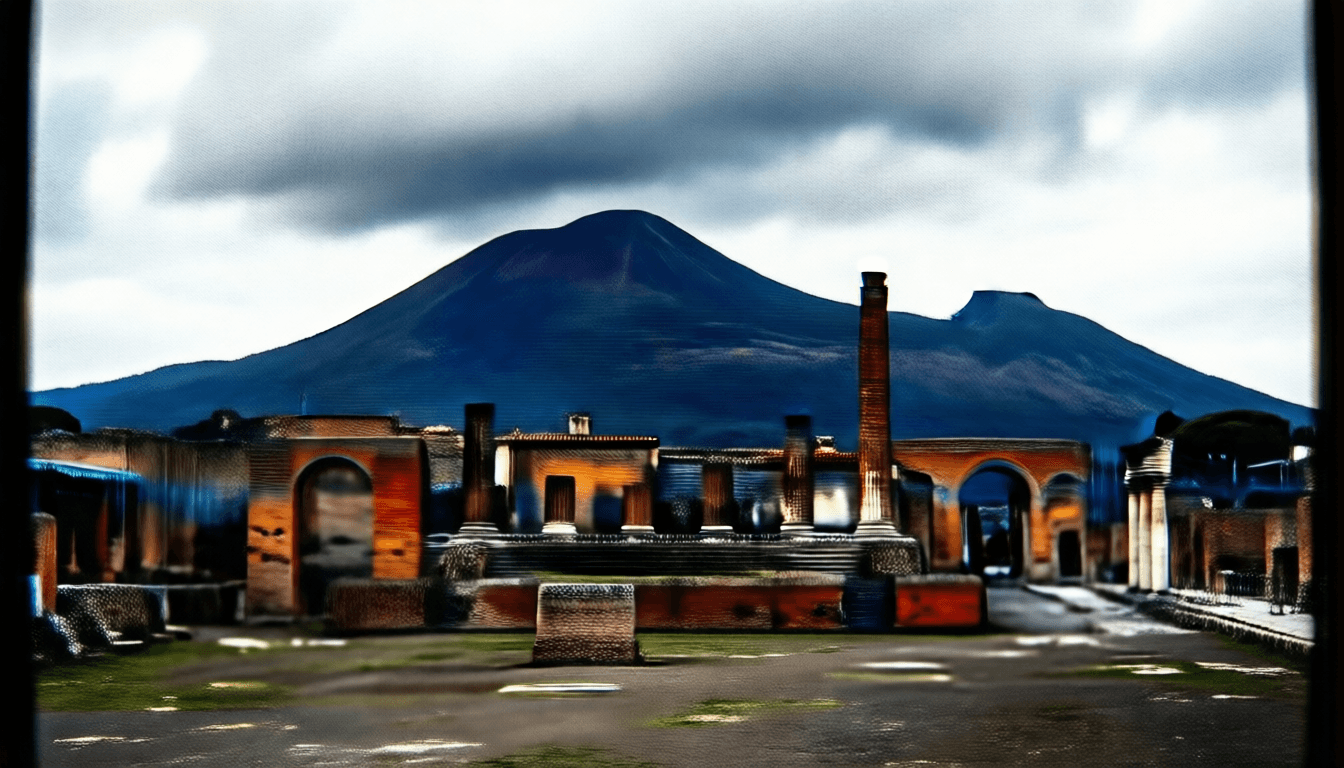
From the sun-drenched hills of the Bay of Naples, the ancient city of Pompeii appears as if time itself has fractured. Yet, the true marvel lies not in its ruin, but in its unparalleled state of preservation. Imagine entire bakeries where bread still seems to cool in the oven, or wealthy villas where vivid frescoes and delicate mosaics adorn walls as if their inhabitants had just stepped away. On the cobbled streets, the ruts of chariot wheels are etched into the very stone. This is not the result of slow decay, nor the delicate hand of archaeology painstakingly revealing fragments. This is a bustling Roman city, caught in a violent, final heartbeat, an entire civilization buried by a force so sudden and complete that it created the ultimate time capsule — a city trapped not in ice, but in the embrace of Mount Vesuvius.
The excavations of Pompeii, which began in the mid-18th century, transcended mere archaeological exploration. What was uncovered beneath meters of hardened volcanic ash and pumice was not just architecture, but life itself. Early excavators found houses, taverns, baths, and temples, but it was the discovery of strange, hollow spaces within the solidified ash that would forever change our understanding of Vesuvius's legacy.
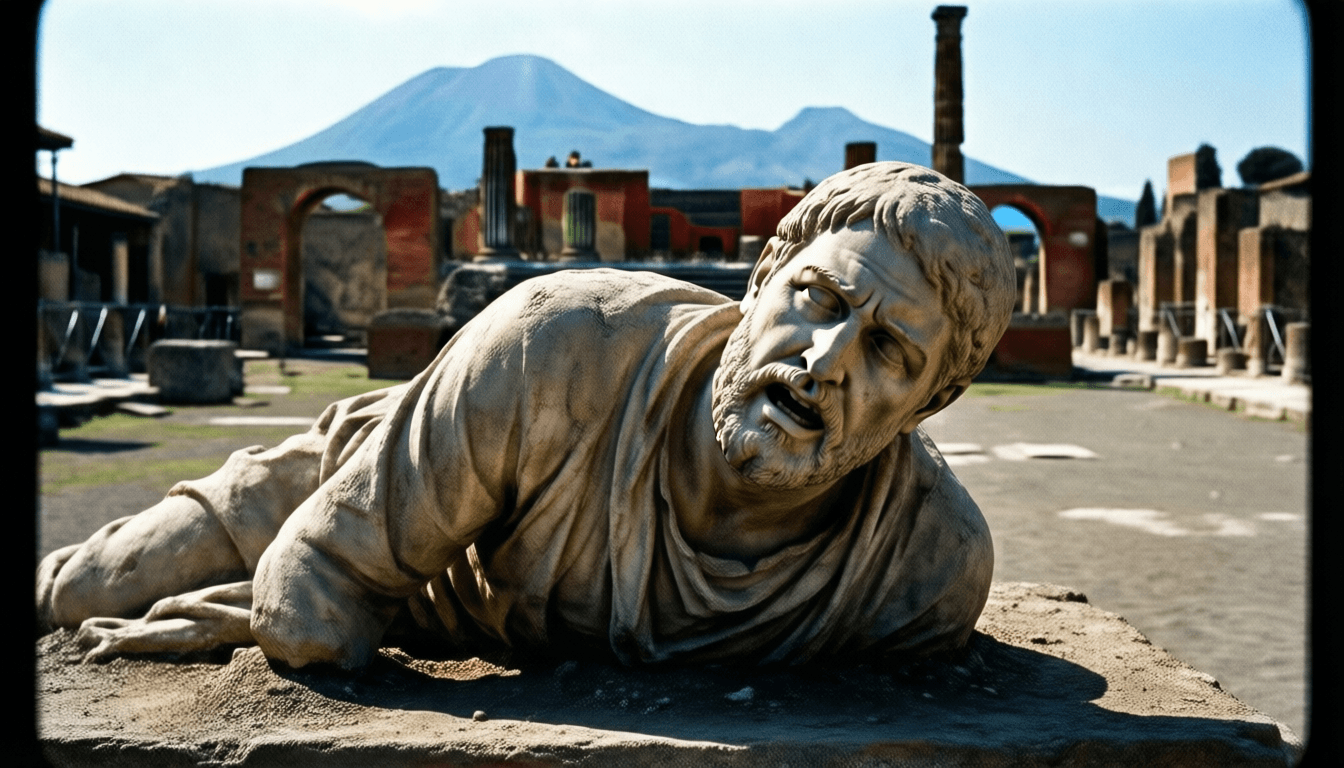
In 1863, archaeologist Giuseppe Fiorelli realized these voids hinted at human and animal forms and pioneered an innovative technique: pouring liquid plaster into them. When the hardened plaster was carefully dug out, it revealed not bones, but precise, agonizing forms of men, women, children, and even pets, captured in their final, desperate moments. These plaster casts are not statues; they are physical records, chillingly direct conduits to the apocalypse of August 24, 79 AD.
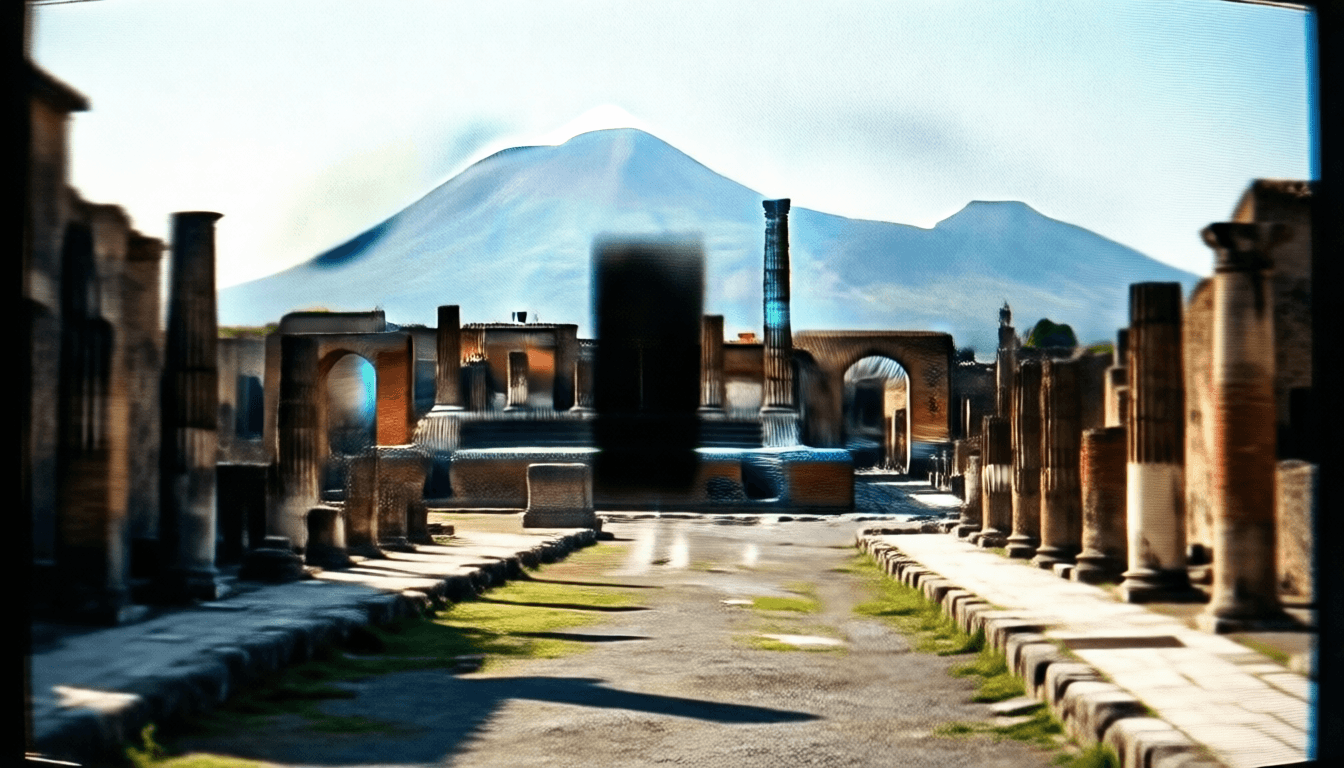
The common understanding of a volcanic eruption is immediate, overwhelming destruction. Yet, at Pompeii, destruction married an unprecedented form of preservation. How could a cataclysmic event, spewing tons of superheated debris, simultaneously safeguard the most delicate details of human existence? We find intricate carvings on wooden furniture, perfectly preserved scrolls, and even untouched meals on dining tables.
The sheer speed of burial by successive layers of fine ash and pumice provided an initial protective shroud, meticulously encasing everything before decay could truly begin. But paradoxically, it was the specific nature of the final pyroclastic flows – clouds of superheated gas and volcanic ash moving at immense speeds – that enabled the ultimate preservation. These flows, instantly lethal, did not pulverize everything.
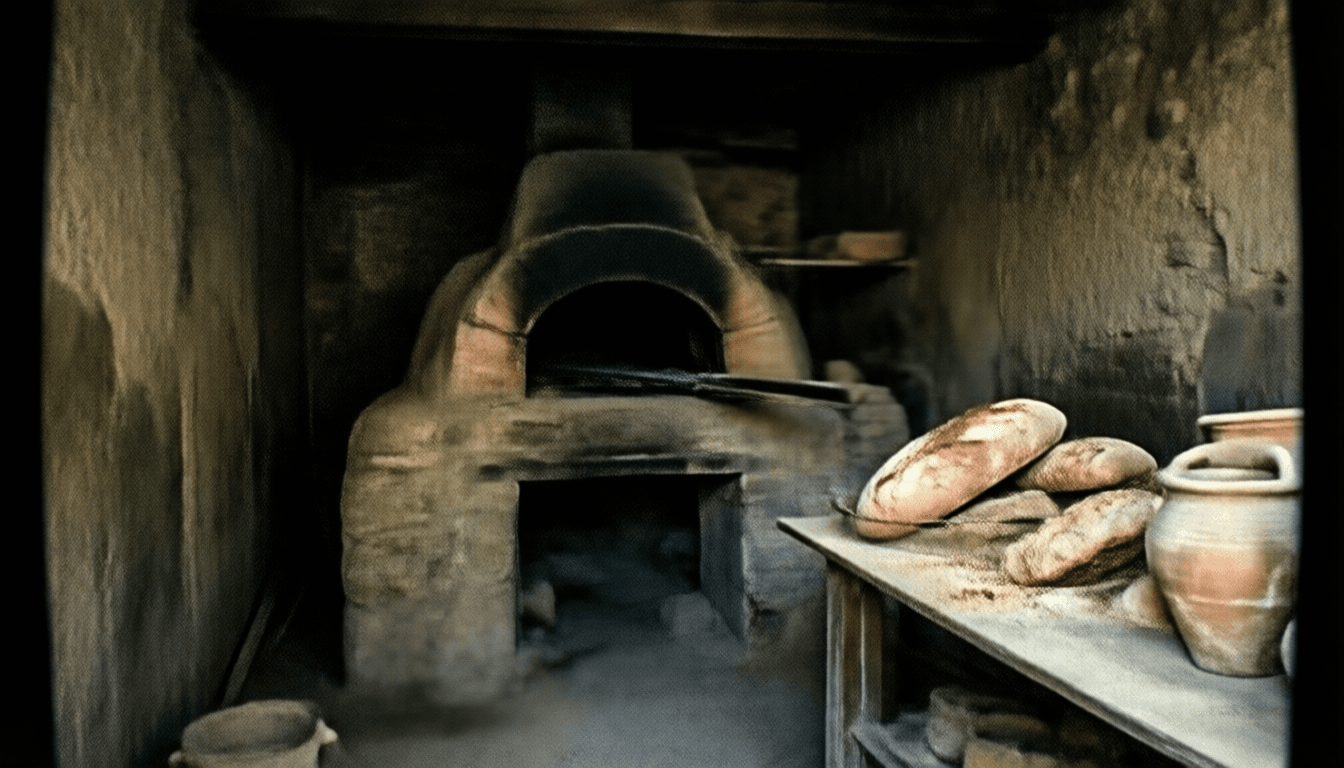
Instead, they enveloped, solidified, and essentially mummified the city and its inhabitants, leaving behind the perfect molds that Fiorelli would later discover. This unique geological choreography poses profound questions: How often does such destructive force act as the ultimate preservative?
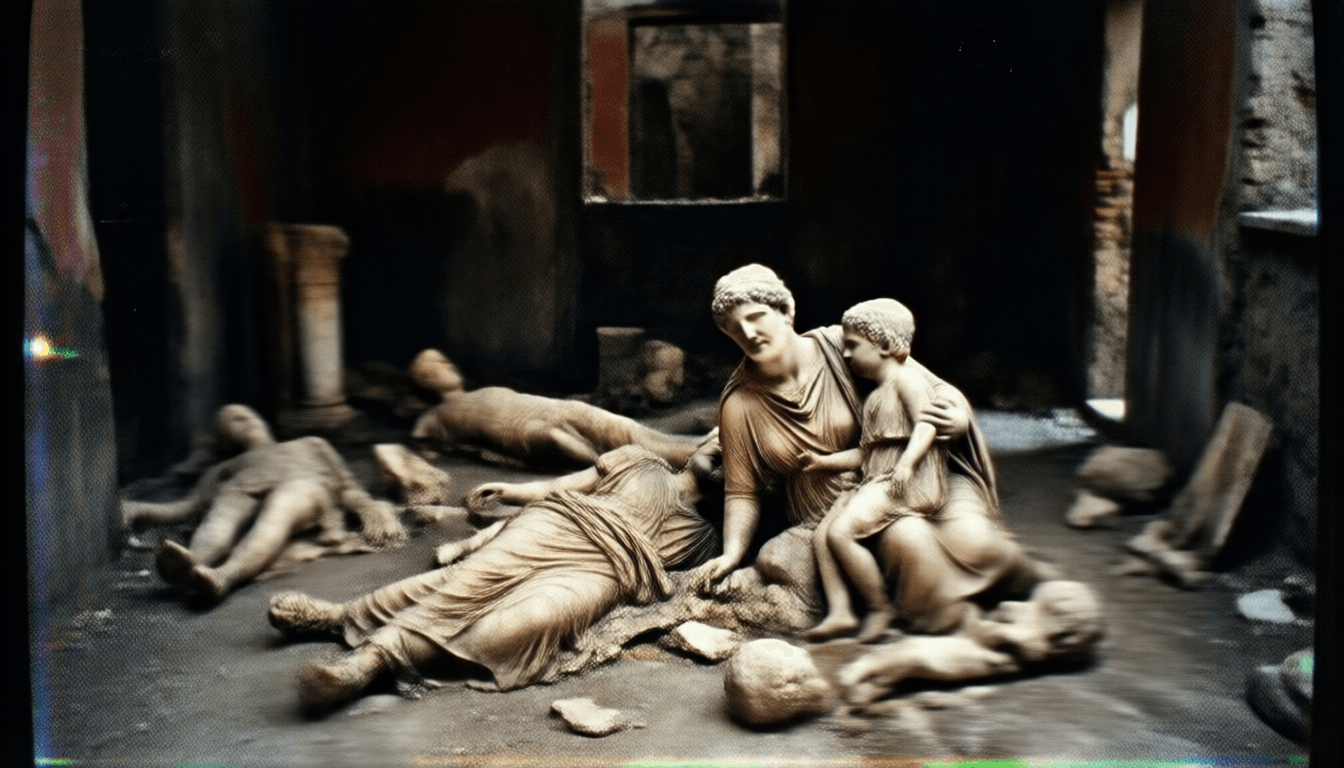
The true heart of Pompeii's mystery lies within these plaster casts. They are not mere scientific curiosities; they are a direct confrontation with death. The countless casts scattered throughout the city – a mother shielding her child, a dog thrashing on its leash, an individual collapsed on the street – defy easy explanation. What precise combination of temperature, ash consistency, and rapid cooling allowed such fleeting human forms, and even delicate fabrics and foodstuffs, to leave such perfect, lasting impressions?
Modern vulcanology struggles to fully recreate the exact conditions that created Pompeii's time capsule. We understand pyroclastic flows, but the specific chemistry and physics that facilitated such widespread, detailed preservation, rather than pulverization, remain the unique fingerprint of the 79 AD Vesuvius eruption. It speaks of a fleeting, almost impossible moment where geological violence departed from being solely destructive, to becoming, for a moment, an unintentional sculptor of memory.
Today, Vesuvius still looms, a silent, unwavering presence over the modern cities that thrive beneath its shadow. Pompeii, resurrected from its ash-filled tomb, remains a poignant, breathtaking testament not only to nature's power but to the indelible imprint of human existence. It serves as a stark reminder of how quickly life can be extinguished, and perhaps, more profoundly, how uniquely it can be preserved.
We walk its streets, gaze at its frescoes, and stand before its plaster casts, confronting a moment from two millennia ago firsthand. And we ponder what secrets still lie beneath unexcavated earth, what other lives, captured in their final breath, await revelation. Pompeii is an unparalleled window into the past, a city where time truly stopped, forever refusing to be simply understood as destruction, forcing us to confront the sudden, overwhelming fragility and astonishing endurance of human history.
[ CLASSIFIED VERDICT ]
[ACCESS LOG - SOURCE FILE]
This story explores the paradoxical phenomenon of Pompeii's destruction, which eerily preserved every moment of life perfectly. Especially, the plaster casts discovered by Giuseppe Fiorelli in 1863 vividly capture the agonizing final moments of the citizens during the Vesuvius eruption, presenting a haunting mystery as if time itself had stopped. This unique method of preservation, which modern science struggles to fully explain, reveals nature's wondrous paradox beyond a simple disaster.