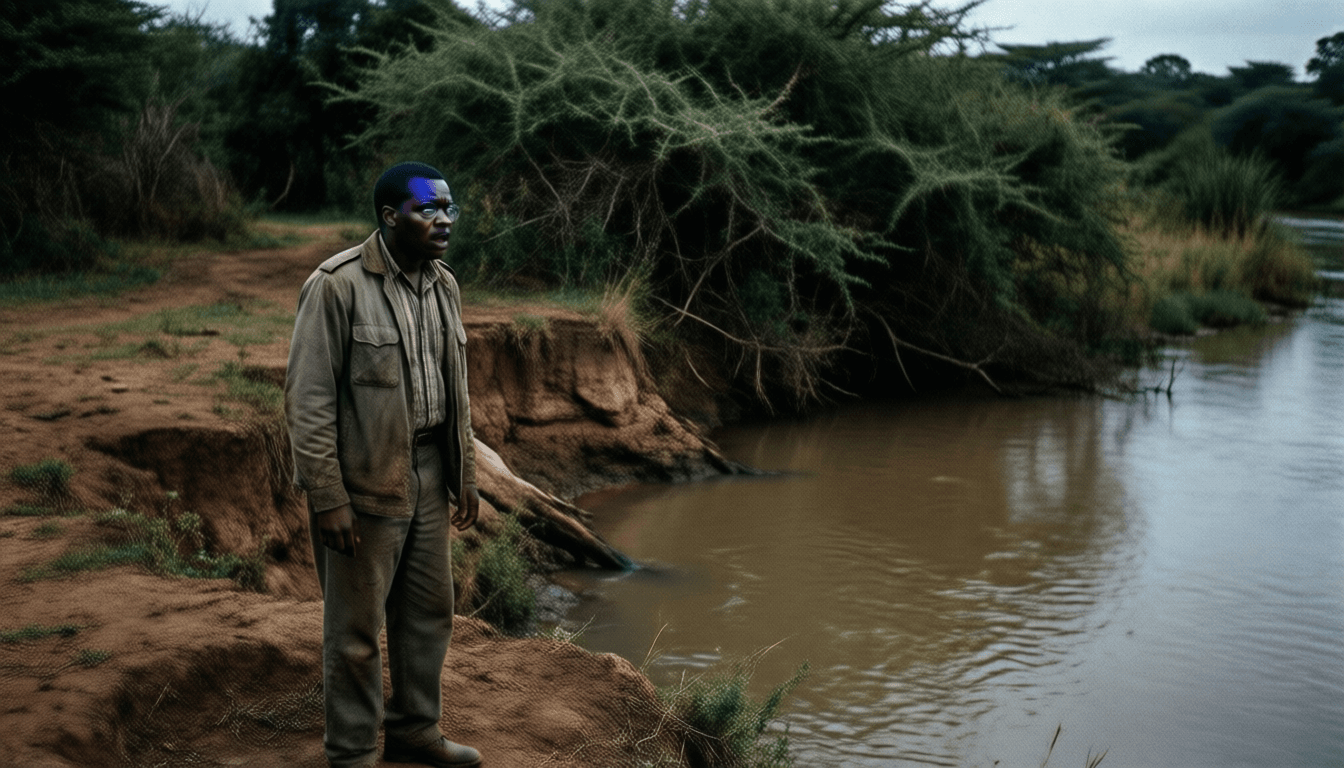
Shadow on the Msunduzi Riverbank: Tokoloshe
In a remote region of KwaZulu-Natal, South Africa, particularly along the Msunduzi River near the village of Elandskop, reports have been consistently emerging over recent years about an unprecedented frequency of drowning incidents. These incidents, primarily involving young men and children, were officially recorded as accidental deaths due to strong currents, slippery riverbanks, or alcohol consumption. However, what prevents these incidents from being dismissed as mere accidents are the small, inexplicable physical anomalies found on the victims. These were bruises or indentations concentrated on the ankles, calves, and sometimes the back of the neck. Forensic reports consistently dismissed these as post-mortem damage, minor animal bites, or marks sustained during rescue attempts. However, cross-referencing autopsy records with local police reports revealed a chillingly similar pattern. These marks were too small for most known predators in the region and were consistently found on all victims who disappeared into the river. The whispers of local residents, perpetually dismissed by authorities, attributed these 'unfortunate' deaths to the Tokoloshe, a malicious water spirit said to torment those who trespass its domain. This investigation was launched to ascertain whether a verifiable non-supernatural explanation exists for these recurring physical traces, or if the local legend holds a deeper, darker truth.
Upon arriving in Elandskop, I was met with the resigned, familiar silence of the residents regarding the incidents along the river. The Msunduzi River here flows through a deeply carved valley, flanked on both sides by dense thorny bushes and eroded earth. The air was thick with the smell of damp soil and the unseen water. The river itself, while deceptively calm in some sections, had a discernible current beneath its surface. I set up a temporary base near a riverbend where most incidents were recorded.
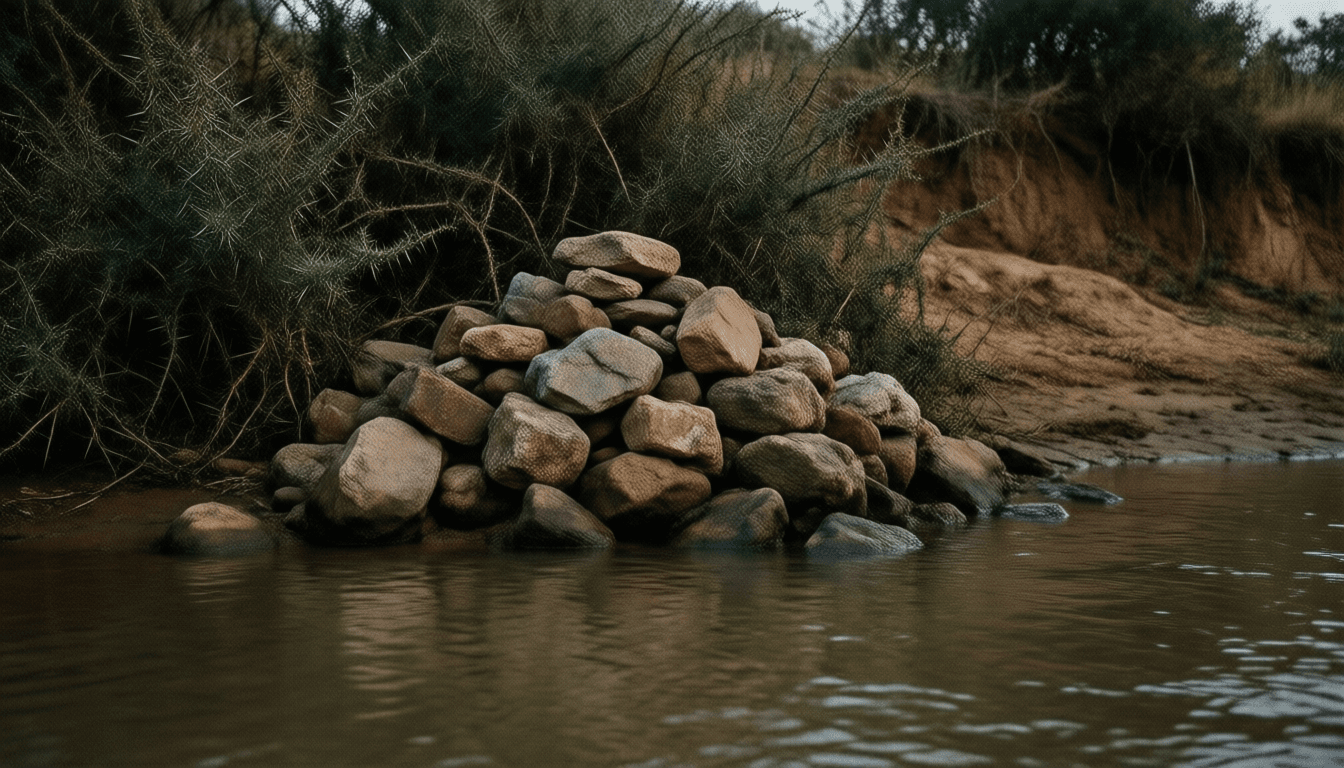
Initial surveys of the riverbank revealed no unusual terrain or obvious hazards beyond natural erosion. However, along a less-frequented section of the river where a young boy had vanished three months prior, I discovered a collection of rough, irregularly shaped stones piled low by the water's edge. Partially submerged, these stones did not appear to be naturally accumulated but rather crudely, yet deliberately, arranged. Their purpose was unclear, though local legends sometimes link Tokoloshe activity to small stone offerings or markers. Despite the distant village sounds, the suffocating stillness that pervaded this particular stretch of the river was immediate and unsettling.
Late in the afternoon, I returned to the marked riverbank. The light was fading, casting long, distorted shadows. The air was unnaturally quiet, and the usual sounds of insects near the water's surface were conspicuously absent. My recording equipment captured only the faint lapping of the river against the bank, a sound that oddly resonated slowly, as if the air itself was denser.
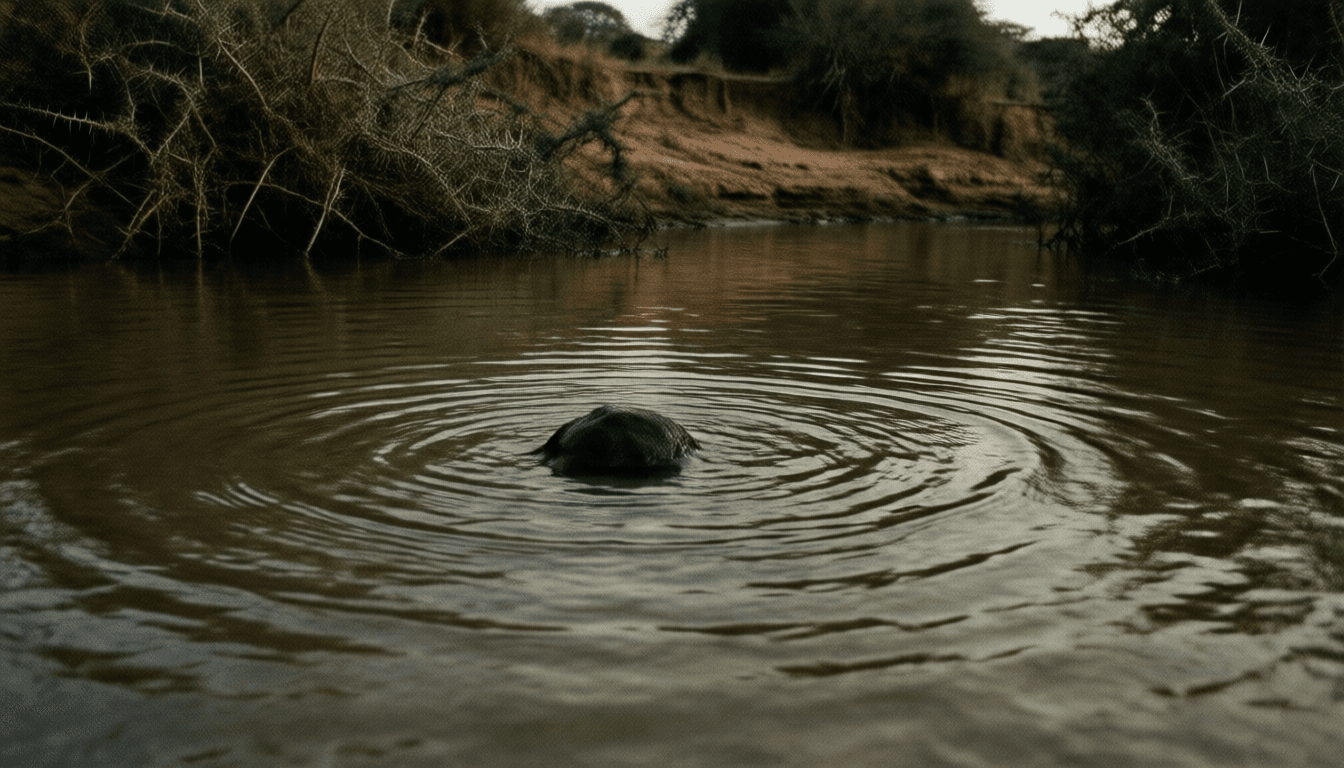
As I began to photograph the stones, a subtle, almost imperceptible movement on the water's surface caught my eye. A series of small, concentric ripples spread out from directly beneath the largest stone, then vanished as abruptly as they appeared. I dismissed it as fish or current, but the water's surface was perfectly still.
Minutes later, a cold, distinct pressure squeezed my right ankle. It felt as if a small, damp hand had momentarily gripped me from beneath the water. But there was nothing there. I instinctively stepped back, my heart pounding. The river stones, previously dull and inert, now had a subtle sheen, as if freshly wet. I focused my camera on the largest stone. Just as I adjusted the lens, a distinct, small splash sounded directly behind me, followed by a rapid, successive scraping sound against the rocks just out of my line of sight. It was too small for any local animal I knew, too heavy for a frog. The sound quickly receded into the dense bushes, leaving behind an absolute, profound silence. This silence pressed down on me like a physical weight. The ambient air suddenly dropped several degrees, chilling my exposed skin despite the humid temperature. The psychological pressure was palpable. The river was no longer mere water; it was a cold, watchful presence.
The scraping sound led me further down the river, away from my equipment. The thicket of reeds and thorny bushes grew denser, narrowing the path until I was forced to step into a shallow, stagnant water channel. The water here was murky, thigh-deep, eerily warm in some places and shockingly cold in others. Suddenly, a sharp tug on my left ankle unbalanced me. A tiny, incredibly strong hand seemed to have gripped me with precise force. I stumbled, splashing, struggling to regain my footing.
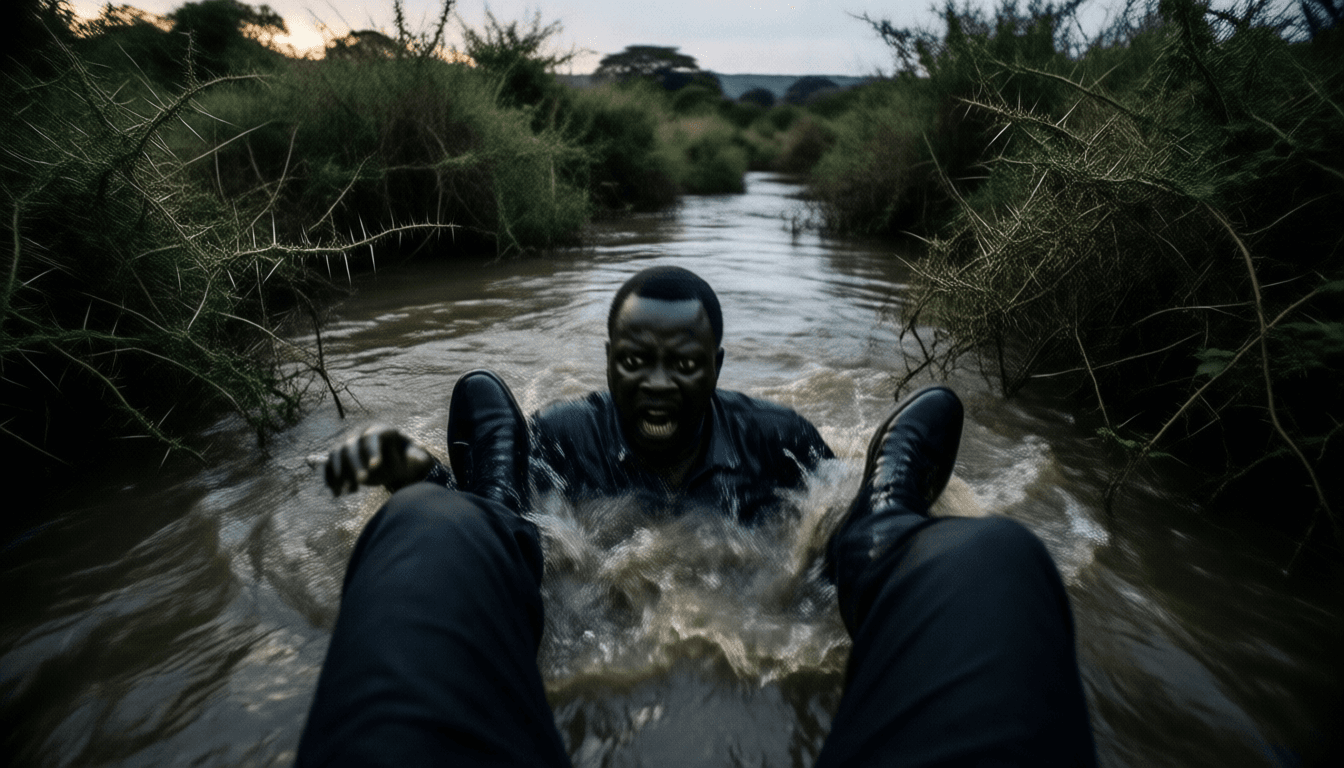
Then a stronger pull came on my right calf, a pinching sensation that seemed to bore across the skin like a tiny vice. I cried out, struggling against the unseen force. Not just because of my struggle, but the water around my legs began to churn violently on its own. A localized vortex formed, pulling downwards with immense suction. I felt small, rubbery hands scratching at my shins, followed by a heavy pressure on my shoulders, as if something was trying to push my head underwater.
This was no animal. This was deliberate.
I kicked and thrashed blindly. A desperate swing connected with something small, damp, and incredibly hard. Suddenly, a sharp, high-pitched shriek, like a trapped animal, pierced through the gurgling water. The pressure on my shoulders lessened, and the pinching on my legs intensified for a moment before abruptly releasing. The violent churning of the water stopped as quickly as it began, leaving only my ragged breathing and the slow, quiet flow of the channel. I scrambled, hunched, onto the riverbank, trembling, muddy, and gripped by a profound, chilling terror.
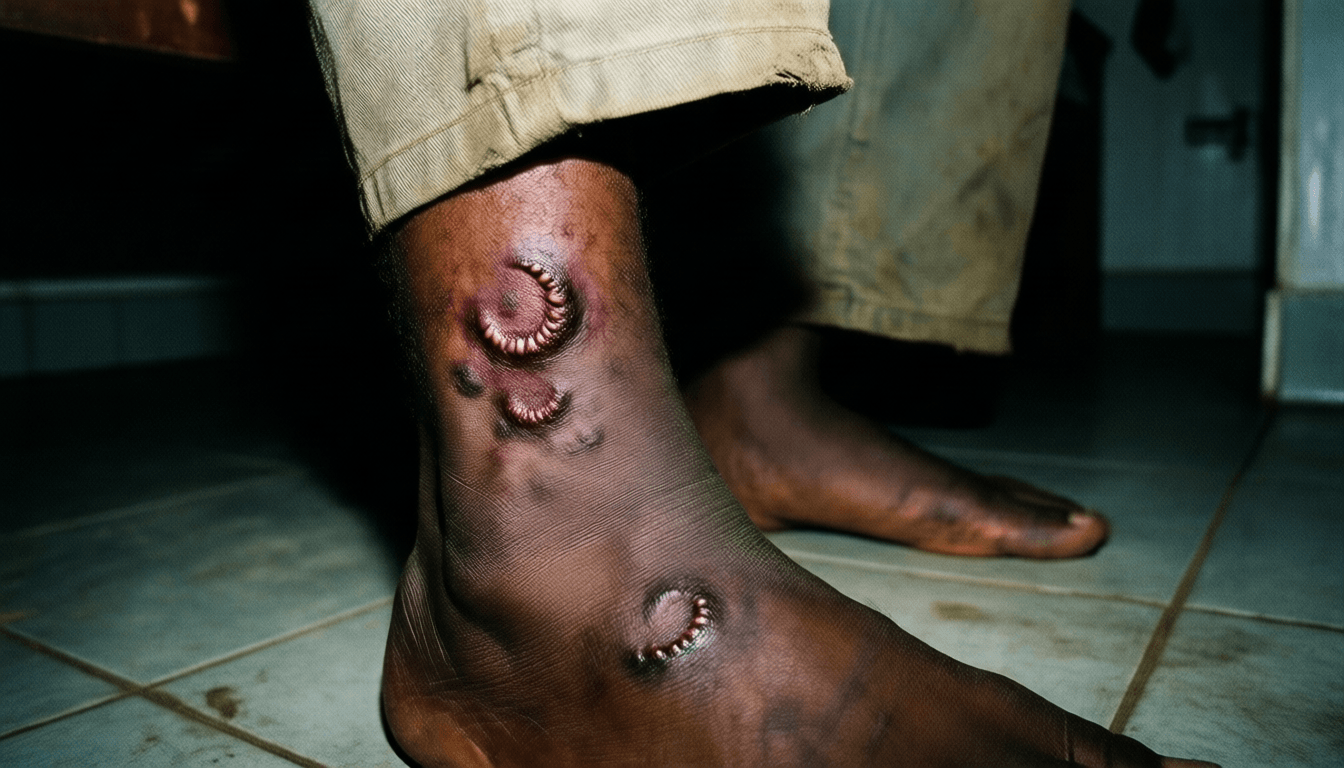
I abandoned most of my equipment in my desperate retreat, making my way back to the vehicle. The drive to the nearest town was a blur. Under the harsh motel bathroom light, my ankles and calves were covered in small, deep bruises. Tiny, rounded indentations clustered together, some leaving crescent-shaped lacerations as if from impossibly small, sharp teeth. There were too many, too deep, and the pattern too clear to be mere scratches or insect bites. They matched with chilling accuracy the 'inexplicable marks' detailed in police reports of the Msunduzi River drowning victims.
The dried water on my trousers left a fine, reddish-brown residue that clung to the fabric with unnatural tenacity. The smell was distinct. Not merely river sediment, but a metallic fishiness, an earthy musk, and a cloyingly sweet odor. The scent haunted my memory and my clothes, which I promptly burned.
I did not see a creature in the traditional sense, no clear outline or form. But I felt it. Small, yet immensely strong hands. Small, sharp teeth. The inexplicable manipulation of the water around me. And the sudden, unsettling silence it commanded. The experience was no hallucination; the marks on my skin were proof. The Tokoloshe of the Msunduzi River is not merely a product of cultural myth or a convenient explanation for tragic accidents. It is a physically potent, malevolent entity, firmly bound to its watery domain. The drownings are not accidents. They are the deliberate actions of something small, unseen, and utterly lethal. And it remains in the river, its actions undisturbed, its existence confirmed. I am merely one additional, living piece of evidence.
[ CLASSIFIED VERDICT ]
[ACCESS LOG - SOURCE FILE]
Frequent mysterious drownings along the Msunduzi River cannot be dismissed as mere accidents due to small, inexplicable bruises and indentations found on the victims. Local residents attribute these deaths to the Tokoloshe, a malicious water spirit from South African legend. This story confirms the existence of the Tokoloshe through one person's horrifying experience trying to uncover the truth behind the legend.