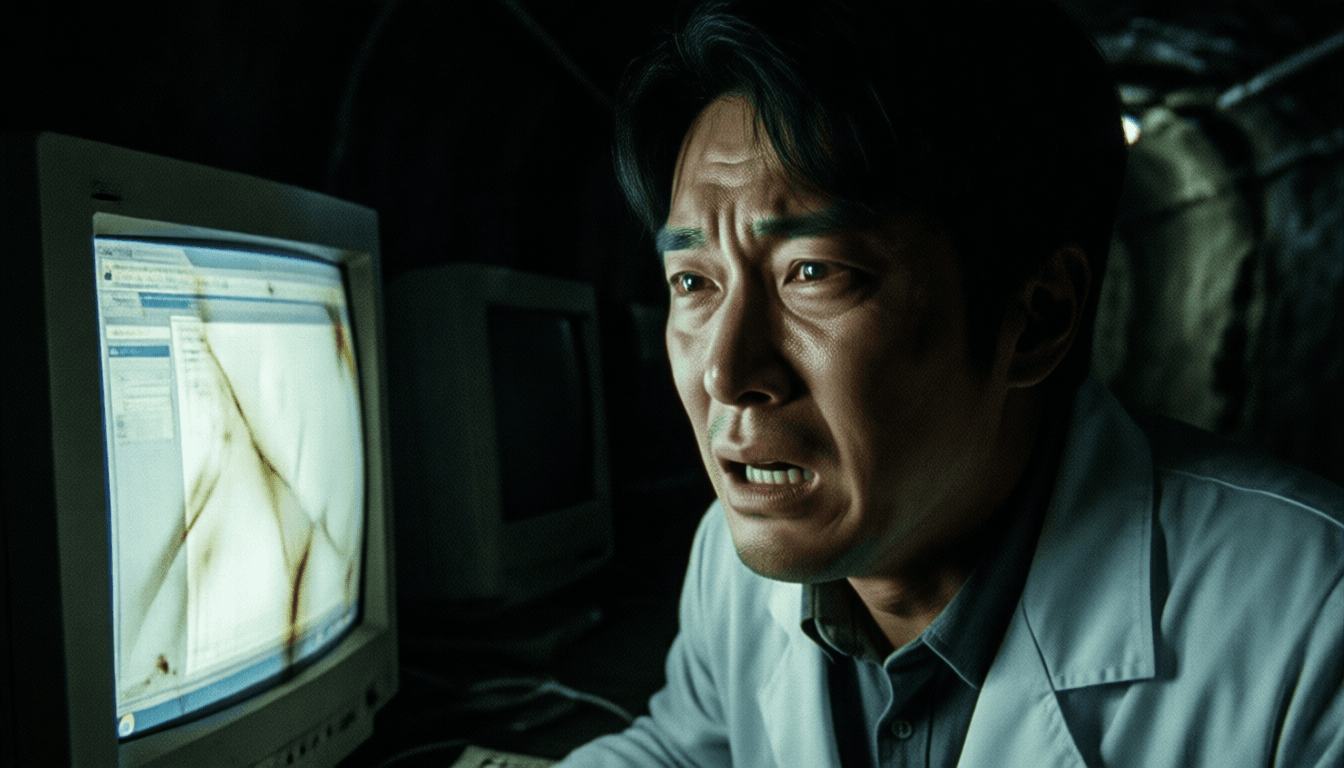
MH370: Not Lost, But Taken
The official narrative of MH370 is an unprecedented mystery surrounding the Malaysia Airlines flight that disappeared on March 8, 2014. A routine flight simply ceased to exist. Communication with air traffic control was lost, the transponder went silent, yet military radar tracked the aircraft turning sharply west, then south, flying for hours until it ran out of fuel somewhere over the vast, unforgiving Indian Ocean. Billions of dollars were spent on the search, and a few fragments were found, confirming a tragic end. However, the full extent of the data remained inaccessible to the public. Beyond satellite pings and radar plots, within certain intelligence agencies, there were whispers of anomalies that defied conventional explanations: momentary, impossible decelerations in its trajectory before it turned. Fragmented, high-frequency "buff" data detected not from the aircraft's systems, but around it. Most unsettling were "ghost images"—distorted, near-instantaneous second radar returns that briefly appeared and vanished at the exact location of MH370, dismissed as equipment malfunction. These weren't signs of a crash. They were signs that something was fundamentally wrong with the fabric of reality around that aircraft. After years of persistent paperwork and leveraging obscure government archival protocols, I gained access to a highly restricted facility dedicated not to finding wreckage, but to precisely modeling the flight's anomalous phase. Not to understand where it ended, but to understand what happened.
The facility was designated "Deep Blue," a windowless subterranean complex nestled deep within an abandoned military installation. At its heart was the EFRC (Environmental Flight Reconstruction Chamber): a 12-meter-diameter spherical, soundproof chamber designed for full immersive data visualization. Inside, a single chair was bolted to the floor, facing a panoramic display array capable of projecting a 360-degree environment. The air was maintained at a constant 18°C, dry and odorless. The only sound was the omnipresent, low-frequency hum emanating from hyper-parallel processing servers housed in a separate, insulated room—a sound that resonated more in the sternum than in the ears.
My objective was to run a "digital twin" simulation of MH370. This was no ordinary flight simulator. It meticulously integrated every known data point—engine telemetry, satellite handshake data, weather patterns, atmospheric pressure, even the precise angles of recovered debris—to reconstruct the aircraft's environment during its inexplicable deviation. The goal was to reach those critical moments: to see if the radar "ghost images," anomalous decelerations, and high-frequency "buffs" could be explained by known physics, or, more chillingly, if they couldn't.
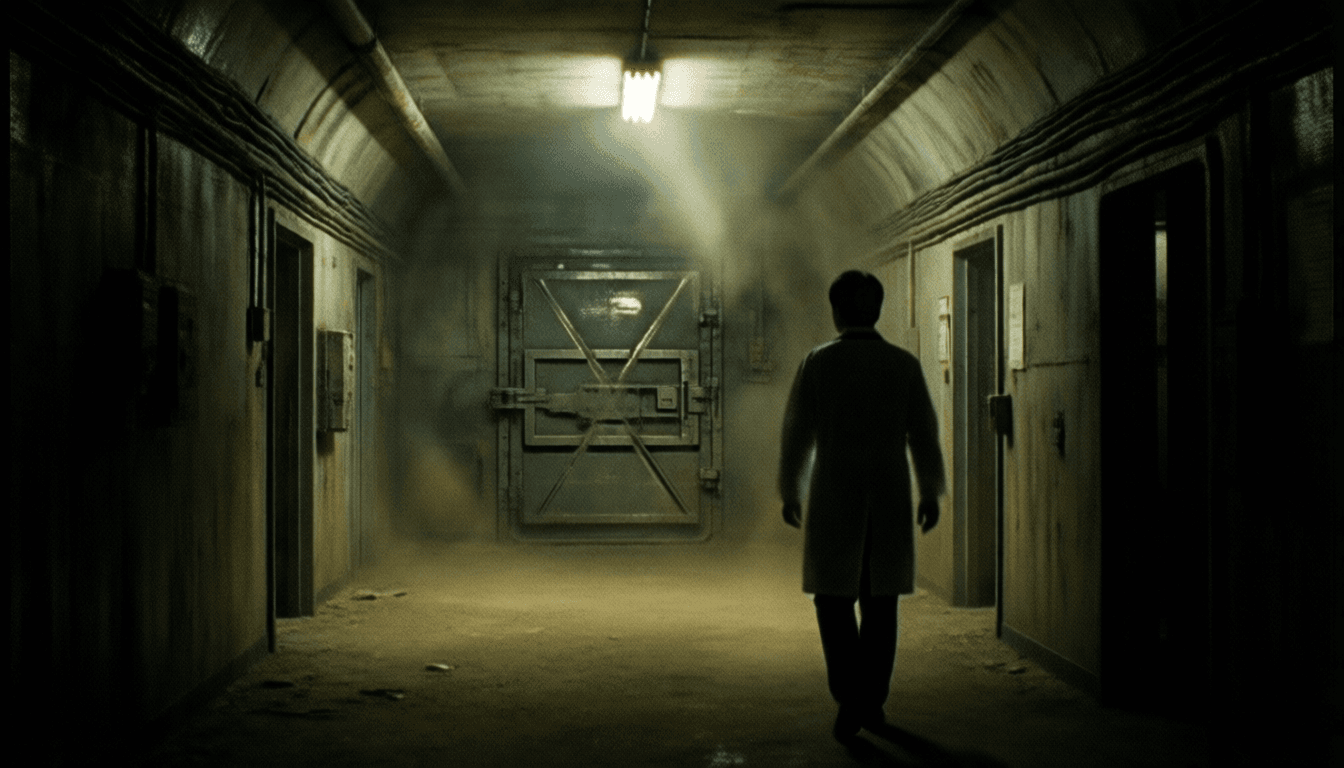
Initial simulations were unsettling in their accuracy, but uneventful. The digital MH370, a wireframe phantom of the actual aircraft, followed its known trajectory. Then, as it approached the transponder's last transmission point, subtle anomalies began. The server hum, previously a steady drone, started to fluctuate in almost imperceptible harmonic overtones. Minutes into the "ghost flight" segment, the EFRC's ambient temperature readings dropped, not sharply, but slowly and steadily. The chamber's HVAC system registered within normal operating parameters, yet it distinctly felt colder. On the vast displays, the simulated ocean below began to show a subtle, persistent shimmer against the programmed wind and current data, not waves.
On the third run, as the simulation neared the moment the "ghost image" radar returns were known to occur, a static flash swept across the panoramic displays. It was fleeting, almost subliminal. When it reappeared, the simulated MH370 seemed to momentarily wobble in its flight path—an impossible shift in center of gravity that the program should have instantly corrected. A faint, high-pitched whine seemed to emanate not from the speakers, but from the very air of the chamber. Despite the EFRC being a sealed, controlled environment, I felt a short, sharp pressure change, as if my ears were popping. The digital altimeter on the displayed cockpit instruments momentarily fluctuated by hundreds of feet before snapping back to an accurate reading, only to repeat again, faster. It was as if the data itself was resisting an unseen influence, writhing in agony. I realized the "ghost image" wasn't an equipment malfunction. It was the data itself screaming.
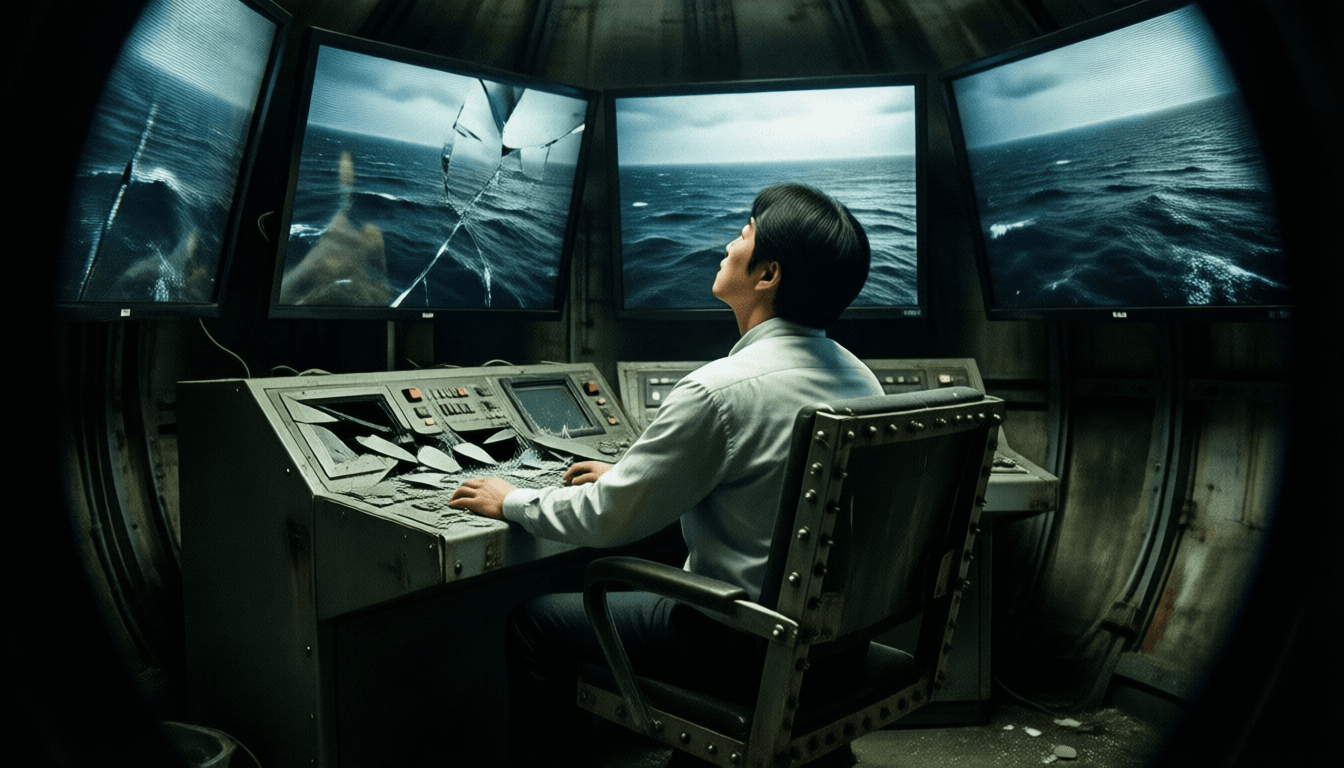
On the fifth attempt, as the simulation reached the precise timestamp of the "high-frequency buff" and the reported anomalous deceleration, the EFRC plunged into darkness. The server hum vanished, replaced by an absolute, choking silence. The screens flickered back to life, but something was terribly wrong. The simulated sky was no longer a clear tropical night. It was a swirling, unnatural purple-black, dotted with points of light that resembled neither stars nor distant city glow.
And the aircraft on screen was no longer a digital twin. It began to accelerate at an impossible, sickening rate, defying all programmed physics. The altimeter spun wildly, showing drops and ascents of thousands of feet per second. A sudden, crushing pressure hit my chest—as if a hand had reached into the chamber and was squeezing. My ears rang so violently I could barely hear my own gasps. The room's pressure shifted realistically, mimicking rapid decompression at extreme altitude, forcing air from my lungs.
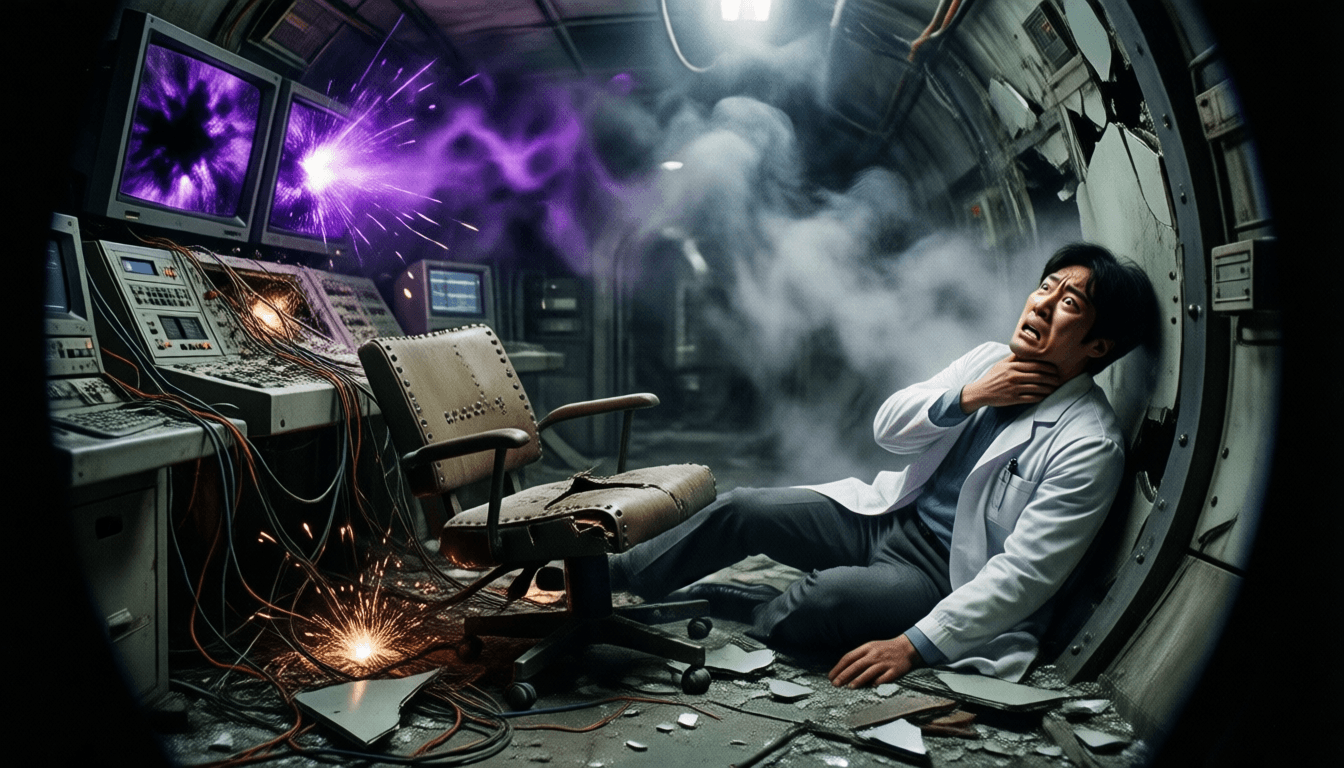
The MH370 on screen became a distorted blur. A faint, luminous something condensed around it. A shimmering, non-Euclidean mass, impossibly dark and impossibly bright at the same time. It wasn't an explosion. I realized it was being consumed. The aircraft's previously blinking lights now glowed an unnatural, sickly green, then extinguished entirely. The crushing pressure in the chamber intensified, narrowing my vision. The chair tore from its bolts, flinging me violently against the EFRC's curved wall. I heard cracking sounds from the actual chamber structure, not the simulation. The air itself thinned and frosted, tasting of ozone and metal. I clutched my throat but couldn't breathe, certain the chamber was collapsing inward. The distorted MH370 on screen wasn't crashing. After it was compressed, it just… vanished. No explosion, no fiery death. Just erasure. And as it vanished, the vast purple-black void on screen seemed to lunge, as if to consume the EFRC itself, the crushing force becoming too great, and I lost consciousness.
I was found hours later, collapsed in a corner of the EFRC, suffering from hypothermia, acute barotrauma (ruptured eardrums), and multiple contusions. The interior of the chamber was a wreck. The chair was ripped from its mounts, console panels were shattered, and several main display projectors were cracked and melted. The server room, however, appeared externally intact but was utterly silent.
The data logs from the final simulation run were completely corrupted. All that remained was an explosion of ultimately indecipherable information: non-repeating fractal patterns that corresponded to no known data compression or encryption protocols. It was less a log and more a scream. One physical detail, however, could not be ignored: lodged deep within the shattered console of my control station was a small, perfectly smooth, obsidian-like fragment. It was non-magnetic and inert, yet possessed an unnatural density. Initial metallurgical analysis was inconclusive. Its atomic structure contained trace elements that matched no known terrestrial or meteoric composition. It was not debris from the EFRC. It was not part of the simulation hardware. It was from somewhere else, deposited during the chamber's violent manifestation.
The EFRC has since been decommissioned, deemed too unstable for further use. My recovery has been slow. The barotrauma healed, but the tinnitus in my left ear persists—a faint, high-pitched whine that occasionally deepens as it did in the chamber. I have vivid, lucid dreams, not of fire or impact, but of an overwhelming, inexplicable absence. A feeling of profound, violent unmaking. MH370 didn't crash. It wasn't hijacked. It wasn't a mechanical failure. What happened that night was an event. An intrusion and infraction upon known physics. The aircraft and its passengers weren't lost. They were taken. And for a few chilling moments, through a conduit of data and a highly advanced simulation, whatever took them almost reached for me, almost took me too. The ocean holds no secrets as horrifying as the void into which MH370 truly vanished. And the faint obsidian fragment I now possess is a constant, cold reminder that some disappearances are not accidents, but the result of forces waiting beyond the edges of our perception, forces we were never meant to understand.

[ CLASSIFIED VERDICT ]
[ACCESS LOG - SOURCE FILE]
The disappearance of Malaysia Airlines Flight MH370 in 2014 remains a profound mystery. While debris was found in the Indian Ocean after the aircraft vanished from radar, the exact circumstances and events during its main flight segment are still unknown. This story builds upon whispers of hidden anomalies like 'ghost images' and 'anomalous data' beyond official reports, exploring the hypothesis that the aircraft was not lost, but erased from physical reality.