
The Whistling Hunter of the Llanos
The thick file folder on my desk is filled with chilling commonalities: ‘unexplained disappearance’. These aren't isolated incidents. They are concentrated in Venezuela's remote Llanos region, particularly along the borders of Portuguesa and Apure states. While local police reports often dismiss them as ‘folk tales’, a strange commonality is mentioned in the few desperate calls made just before the disappearances: ‘a whistling sound’.
I scoured online forums, obscure government bulletin boards, and even a defunct Venezuelan blog that tracked these cases. The most compelling and recent incident concerned a young agricultural worker, Mateo Rojas. Recovered from a damaged local server, his last terrified voice message was less than 30 seconds long. It was a distorted whisper interspersed with gasping breaths. “...the whistling... it's getting louder, no, it's getting softer... my God.” A week later, his pickup truck was found abandoned. The vehicle was intact, the ignition key still in place, but Mateo was gone. There were no signs of a struggle, no footprints. Only the vast, silent savanna remained. Local police closed the case as 'desertion', but I knew better.
My journey to the Llanos felt like entering the world’s colossal, parched lungs. Dust devils danced on the horizon, and the air felt like a thick, oppressive blanket. I followed the path Mateo Rojas had taken, deeper into the agricultural lands, dotted with isolated ranches like forgotten toys. The few farmers I encountered gave me wary glances when I mentioned 'Mateo' or 'the whistling', betraying an ancient unease. They offered no help, only hurried changes of subject, as if merely speaking the words could summon its presence.
I parked my sturdy 4x4 near the exact coordinates where Rojas's truck was found. The immediate heat was suffocating. The land stretched endlessly, a flat landscape of dry grass and sparse, stunted trees. The first thing that struck me was the sound, or rather, the absence of sound. The Llanos should have been vibrant with insects, birds, distant cattle lowing. Here, my dry breathing was the only noise. Despite no rain for days, a patch of earth near where the truck had been was strangely damp, almost bog-like. And a faint, sickeningly sweet odor, as if trying to mask decay with something artificial, wafted in and out on the non-existent breeze.

As the sun slowly sank below the horizon, painting the sky in violent oranges and reds, the silence deepened, becoming almost physical. I was meticulously documenting the sparse vegetation when it began. A faint, high-pitched whistle, a perfect descending scale, seemingly far off yet almost musical. It was precisely as described in local folklore, but utterly ominous in itself.
I froze, listening. The whistle sounded again, clearly closer this time. Yet, my internal compass, which instinctively gauges sound location, insisted it was further away. A wave of disorientation washed over me. I tried to shout, testing the acoustics of the vast plain. My voice instantly vanished, without a single echo. I tried again, louder. A faint, delayed echo returned, but it didn't come from where I shouted. It seemed to shimmer from directly behind me. The hairs on my arms stood on end.
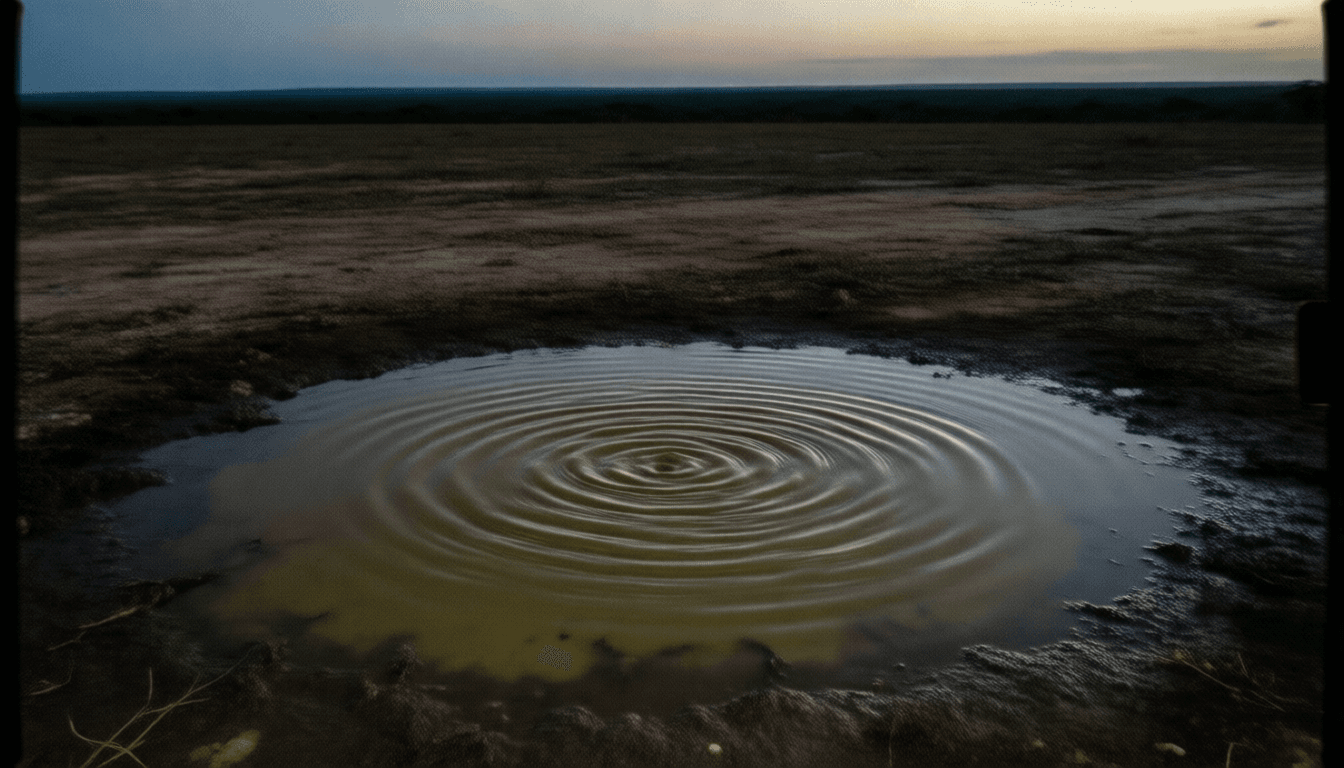
My eyes caught a small puddle near the bog-like area. The water, completely still moments ago, now bore faint ripples. They spread outwards from a center, then, inexplicably, contracted in reverse, returning inwards. The already heavy air around me became intensely cold in patches, then vanished instantly. The whistling was now a complex, mournful melody, seemingly coming from everywhere and nowhere at once. El Silbón's rule – 'the closer it sounds, the further away it is' – became a tangible, terrifying reality. It was everywhere, nowhere, always, and chillingly, in my head.
Night fell swiftly, plunging the savanna into a moonlit abyss of shadows. My 4x4, which had started perfectly an hour ago, was now inert. The engine sputtered, coughed, and died, a thick, oily smoke briefly rising from under the hood. It wasn't an electrical fire; it smelled of ozone and damp earth. My satellite phone was dead, its screen showing only static. I was trapped.
The whistling stopped. The sudden silence was worse. I fumbled for my emergency flashlight; its beam was a feeble defiance against the all-consuming darkness. Then, a deep, crushing pressure descended. It wasn't wind; it was an invisible weight pressing down from above, squeezing the air from my lungs. The ground beneath my feet subtly vibrated. It felt like a soft tremor, but the movement was confined precisely beneath my feet. The dry grasses around me began to sway, not from wind, but as if a colossal, invisible mass was moving through them, approaching.
And the whistling returned. But this time, it wasn't external. It vibrated through my bones. A high-frequency hum echoed within my skull. It was pure sonic agony. I felt an impossibly dense, icy cold air solidify directly behind me. I spun, flashlight beam cutting through the darkness. Nothing. No form, no shadow. Only the growing, physical cold.
An impossibly thin, dry touch grazed my neck, then slowly swept down my arm. The sensation of bone against skin, exquisitely brittle, utterly devoid of warmth. I cried out, flinching, stumbling backward into a thorn bush. The thorns tore at my flesh, but the pain was secondary. As I fell, I heard it distinctly. It was directly above me: the dry, crisp sound of small, hollow objects knocking against each other, the soft, awful rain of slowly, deliberately rattling bones.
I felt a primal, overwhelming hunger emanating from the unseen space directly above me. A silent void that desired not just my life, but my very essence. I thrashed blindly, struggling through the thorns. The pressure in my chest intensified, my vision blurred, my breath caught. I was being depleted, not just of warmth, but of every spark of life. Just as the darkness was about to consume me, the faint, distant bark of an actual dog, and the blare of a car horn, miles away but unnervingly clear in the unnatural silence, pierced the dreadful void. The pressure abruptly lessened. The bone-clacking stopped. The cold receded, and I gasped, drenched in sweat and blood, inexplicably still alive.
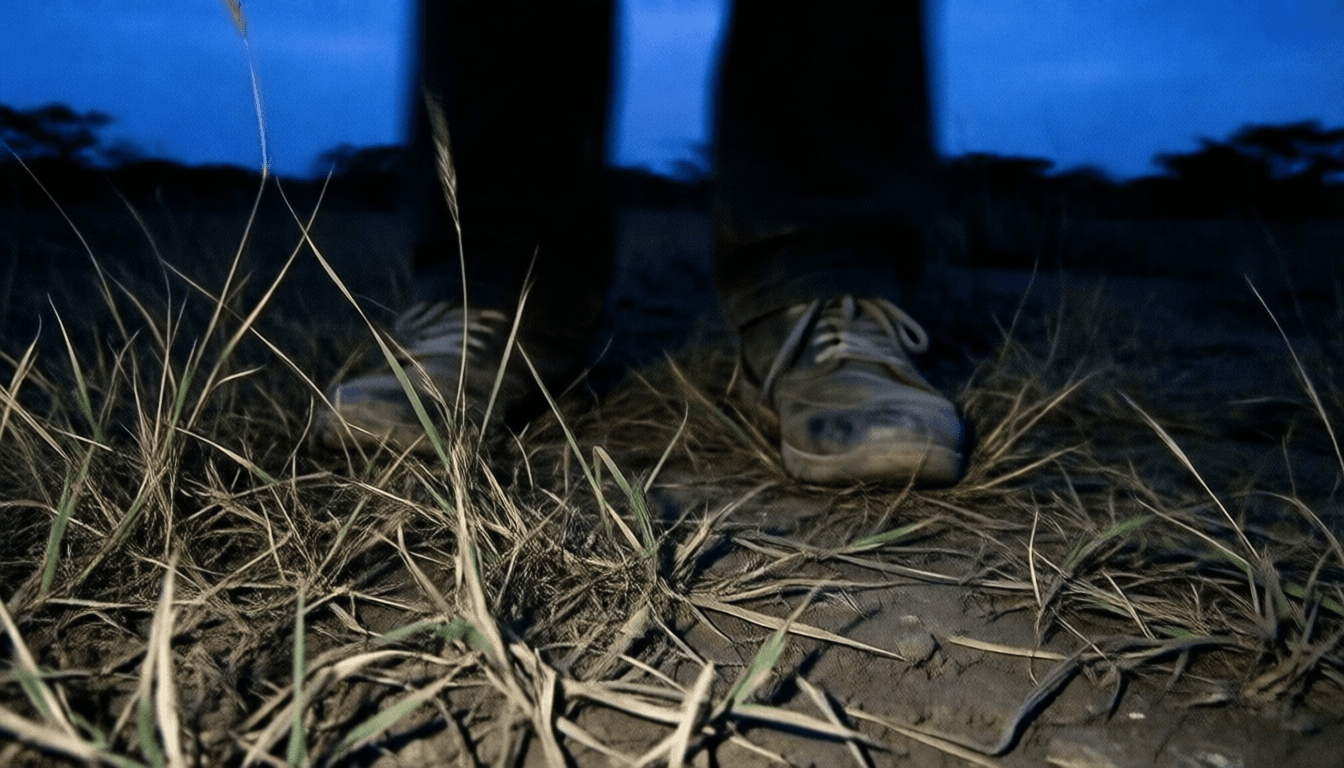
I spent the rest of that night crawling, staggering, driven by instinct beyond conscious thought. And at dawn, a passing farmer found me. I was disoriented, cut, and miles from my abandoned vehicle. He dismissed my fragmented story as heatstroke and delusion. My camera was shattered, my recording device irrevocably damaged.
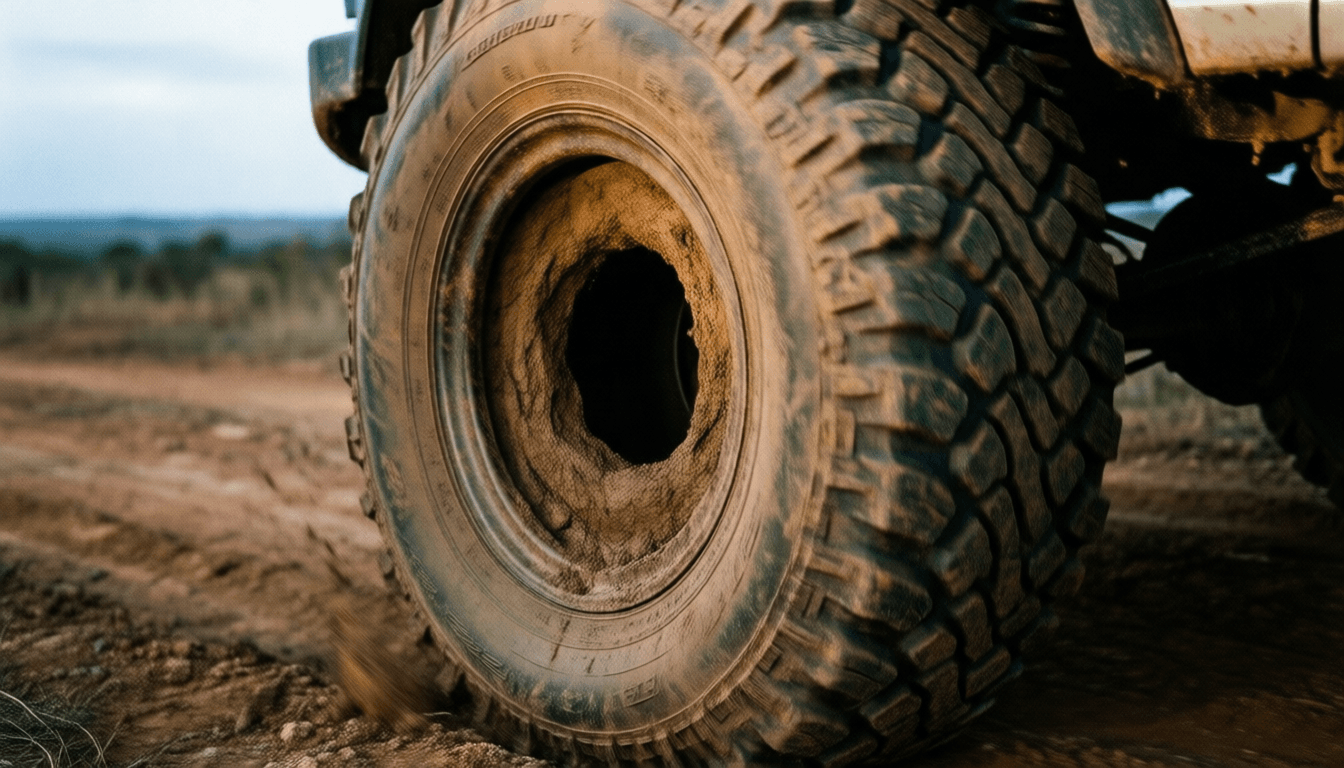
Days later, my 4x4 was recovered. The mechanics found nothing wrong with the engine; it started instantly. But the tires, pristine before, each had a perfectly circular hole punched through their inner sidewall, as if cored out by a hollow cylinder. No metal fragments were found. And the fine, almost invisible dust that coated the inside of the engine block, clogging crucial components, was unexplainable.
I sit now in my study, surrounded by my notes, maps, and countless missing persons reports. The Llanos, that vast, silent space, feels closer than ever. I hear the wind outside, and sometimes, in the low hum of my computer, I hear it: a faint, high-pitched, descending whistle. It's not a sound that fades with distance or time. It's a resonance deep within my bones, a memory of a touch both physical and impossibly ethereal. The fear is no longer about being hunted. It's about the understanding that some things don't adhere to the rules of our world. They just exist. And they don't leave bodies; they leave voids. A void in the records, a void in the lives of those left behind, and an endlessly chilling void where logic and explanation once stood. The whistling, now, was the silence it left behind.
[ CLASSIFIED VERDICT ]
[ACCESS LOG - SOURCE FILE]
El Silbón (The Whistler) is a notorious urban legend originating from the Llanos region of Venezuela. It is known as a spectral entity cursed to roam the plains, carrying the bones of his murdered father and luring victims with a distinctive whistling sound. A terrifying characteristic is that if the whistle sounds close, he is actually far away, and if it sounds far, he is already very close.