The Cold Shadow of Kopiase: Traces of Obayifo
The first clue to this investigation didn't come from an obscure folklore journal, but an online forum post by a Ghanaian medical student in late 2021. Titled 'Unexplained Infant Wasting Syndrome in Ashanti Region – Traditional vs. Clinical Interpretations,' the post detailed recurring cases of severe malnutrition and lethargy among newborns and infants in the village of Kopiase. While advocating for scientific inquiry, the student reluctantly mentioned the local explanation: "Obayifo." Traditional tales described them as vampiric witches active at night, draining life force, often associated with peculiar lights, and specifically targeting the vitality of young children. The student dismissed it as superstition, yet the absence of a clear pathogen, minimal response to standard nutritional treatments, and mothers' testimonies of witnessing "cold spots" and "flickering shadows" near their children hinted at something beyond simple neglect or common illness. This intersection of modern medical frustration and ancient fear demanded closer examination.
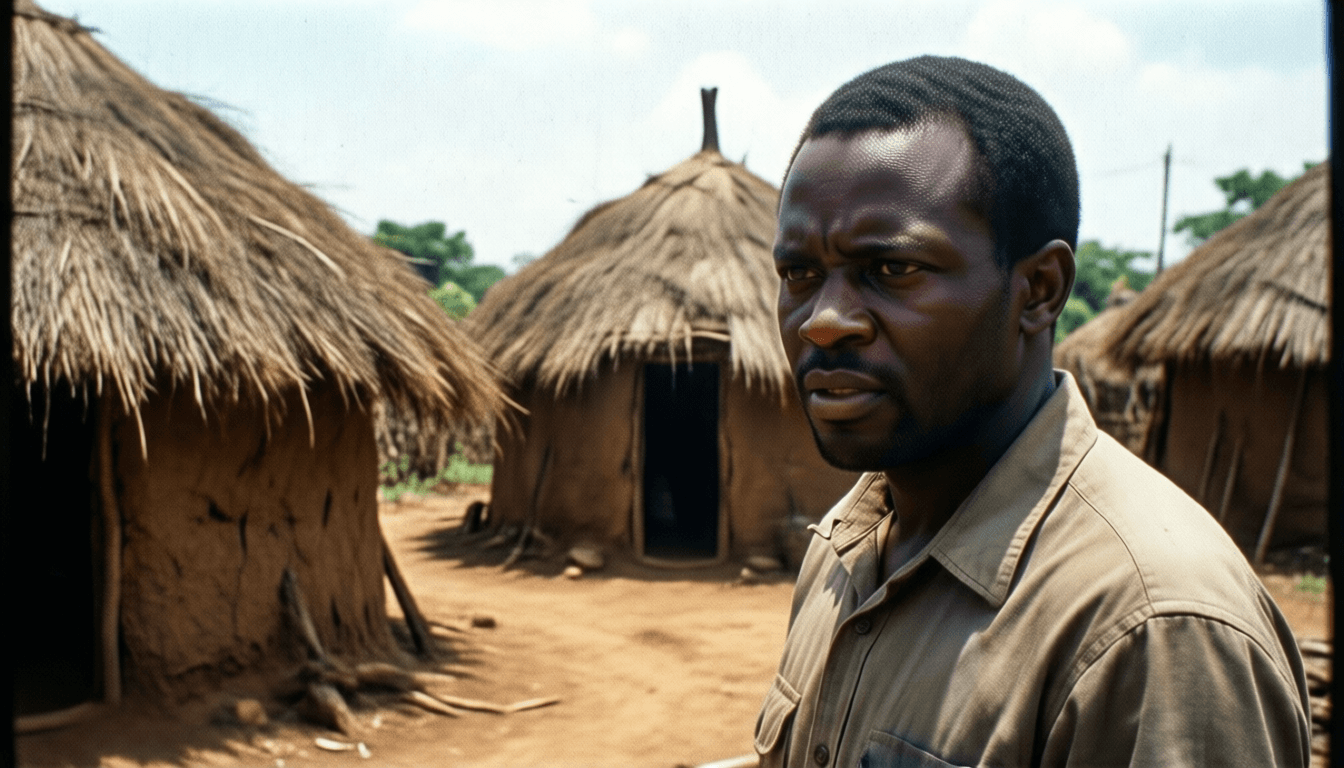
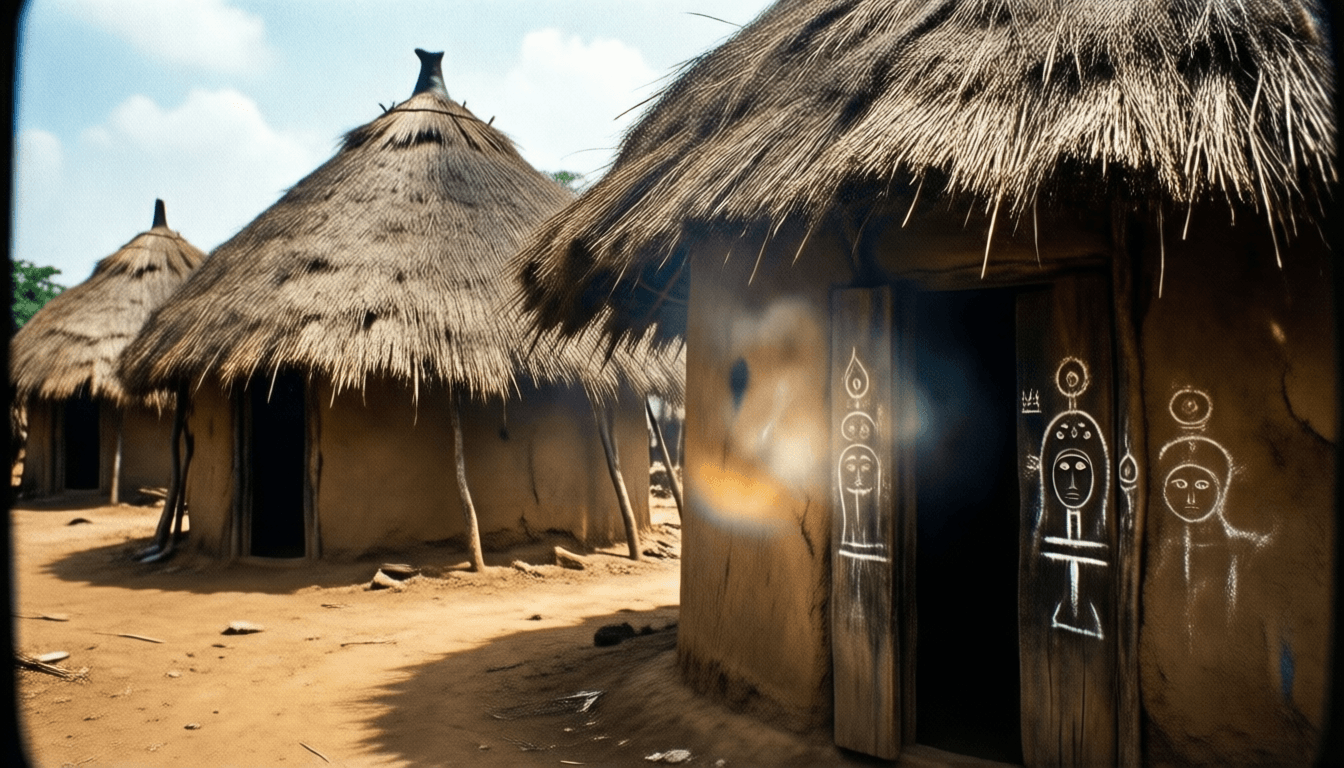
Upon arriving in Kopiase, I encountered a familiar mix of cautious hospitality and guarded suspicion. The oppressive equatorial heat was a constant, suffocating weight, and the air was thick with the scent of woodsmoke and damp earth. My objective was a cluster of dwellings where the "wasting sickness," as detailed in the student's records, had the highest incidence. Three mud huts with palm-leaf thatched roofs, set slightly apart from the village path. The silence within the cluster felt unnatural, a stark contrast to the distant thud of fufu pounding or children's shouts of daily life. The ground, usually teeming with small insects, was remarkably still. The hut pinpointed as the epicenter of the incidents, recently vacated by a family after the death of their infant, baked under the afternoon sun. Its doorway, adorned with faded ritual chalk markings, seemed to absorb light rather than reflect it.
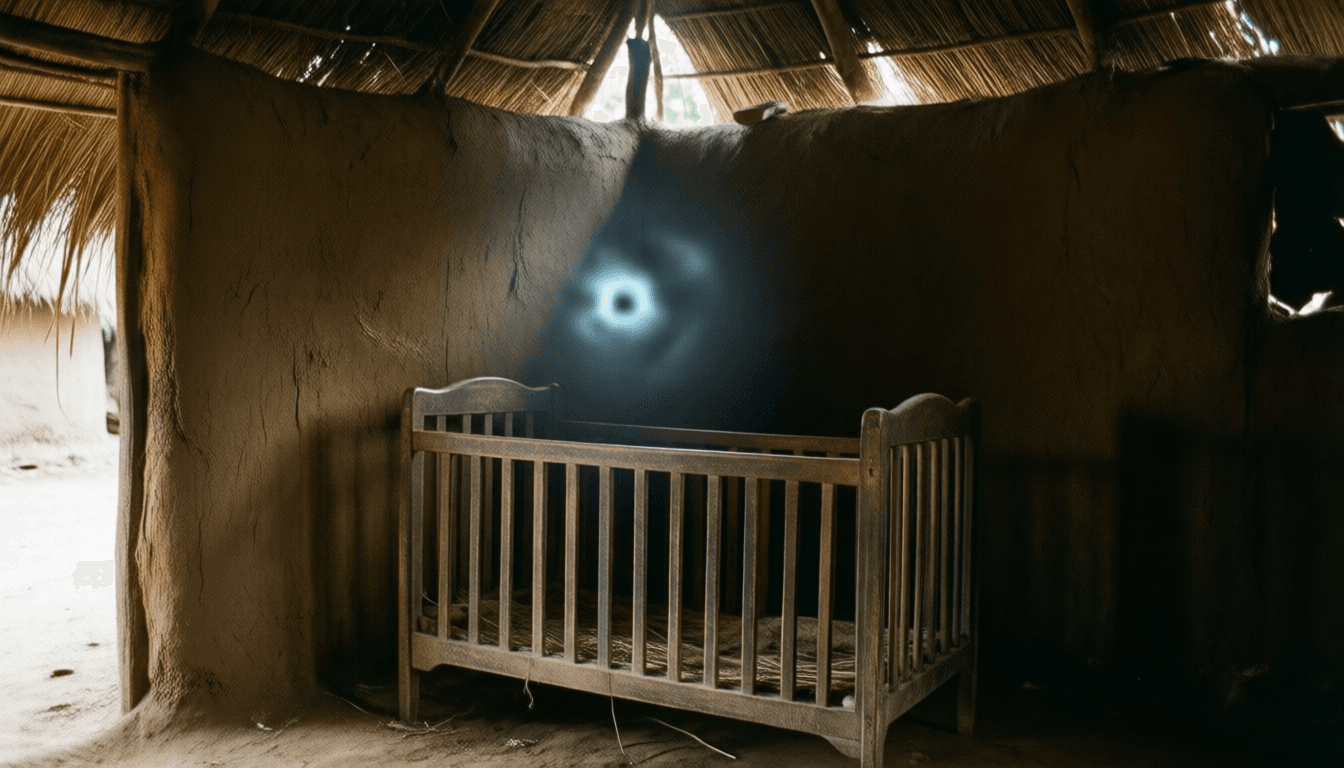
The air inside the hut was stagnant and heavy. Dust motes danced in the faint shafts of light filtering through the thatch, yet in one corner near a small, empty infant's cot, a strange, localized chill lingered. I activated my thermal imager. The ambient temperature was 34°C, but around the cot, it registered an impossible 22°C. My audio recorder, set to pick up ambient noise, captured nothing but a faint mechanical hum. Outside, I was certain I could hear cicadas. I stepped away from the cold spot to verify this phenomenon; the warmth returned. Stepping back into it, the chill enveloped me once more, like an invisible curtain.
As darkness fell, the inexplicable phenomena began to intensify. My portable camcorder, fully charged hours earlier, flickered erratically before dying, refusing to restart even after multiple attempts. A small LED lantern, which I knew to be reliable, pulsed subtly as if resisting an unseen current. A faint, sickeningly sweet odor, like overripe fruit mixed with something metallic, would gradually fill the hut, then dissipate, its source unknown. The stillness outside deepened. The usual nighttime chorus of frogs and insects was eerily absent, replaced by a profound, suffocating silence that pressed against the hut's walls. It was as if the hut itself was holding its breath.
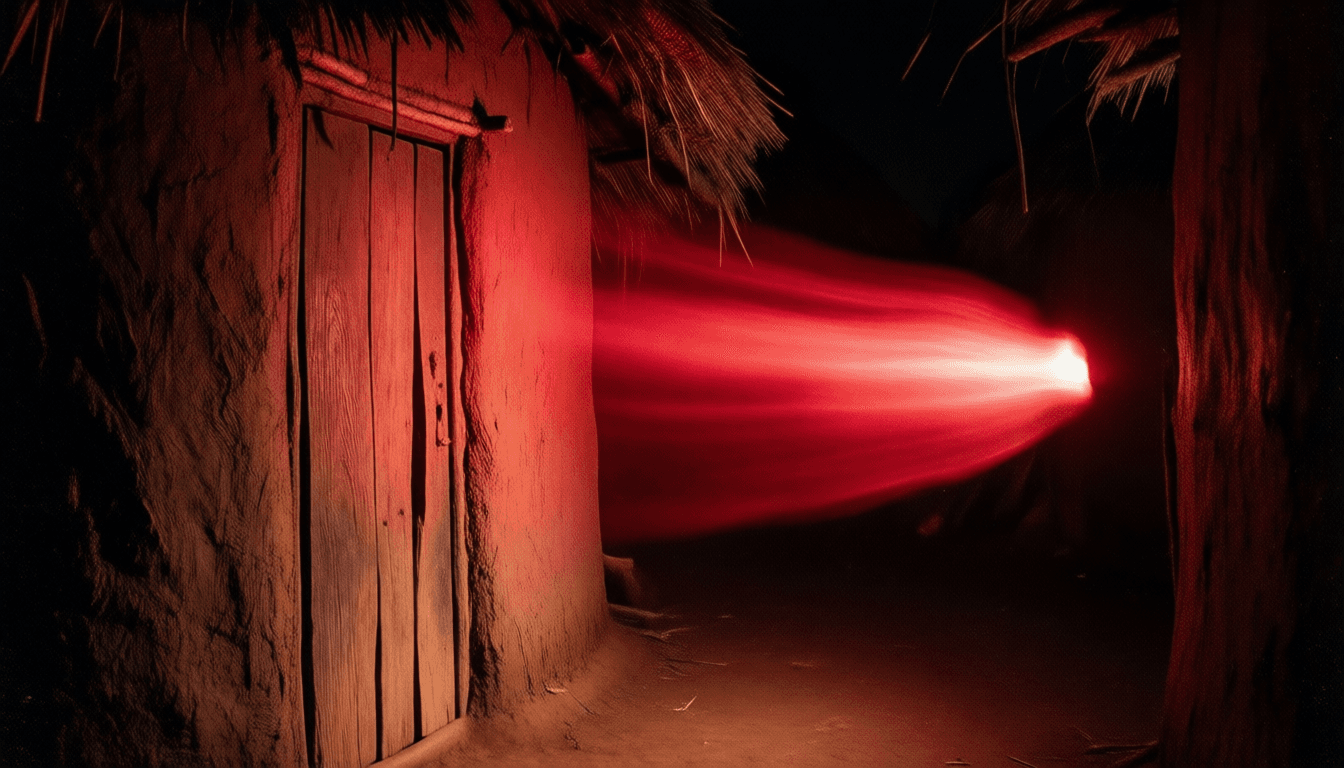
Suddenly, the air within the hut grew thick and heavy, almost viscous. The sickeningly sweet odor intensified, becoming overpoweringly nauseating. My digital thermometer now registered 15°C throughout the hut, an impossible reading given the 28°C outside. My breath plumed into white vapor. Then, from the corner where the infant's cot lay, a soft red light began to pulsate. A deep, arterial glow that, paradoxically, emitted no heat but felt profoundly cold. It slowly elongated, twisting into an amorphous but distinctly present form, its edges shimmering with an unnatural fluidity.
A profound weariness washed over me. A sudden, dizzying lethargy drained my energy. My limbs felt heavy as lead, movements sluggish and uncoordinated. I tried to retreat. I reached for the small, low door I had deliberately left ajar for a quick exit. But as my hand touched the rough wood, the door slammed shut with a dull thud, without any breeze or vibration. It was solid, as if fused, unmoving. The glowing form drew closer. Still indistinct, its purpose was now clear. An intense, localized cold pressure settled on my chest. A deep, sucking sensation, as if the very breath was being drawn from my lungs. A sharp, burning chill spread through my bloodstream, my heart pounding erratically. And then, a cold grip around my neck. Not physically constricting, but rather, sucking something out. My vision blurred, the edges turning grey, and a sharp, high-pitched whine filled my ears, cutting through the oppressive silence. I thrashed, struggling against an unseen force. Strength drained from me, the oppressive cold and the sensation of being siphoned overwhelming me. It was not a mere physical assault; it was an attempt to empty me, to consume something fundamental that sustained life.
I don't remember how I escaped. Was it a desperate, primal instinct, a spasm of will against the unseen predator? The last thing I recall before collapsing outside the hut was a final surge of profound exhaustion and the fading red light within the dwelling. When the villagers found me at dawn, I was feverish, disoriented, and despite the rising sun, afflicted by a deep, chronic chill throughout my body. Medical examinations were inconclusive. No pathogen, no trauma, nothing beyond severe dehydration and exhaustion.
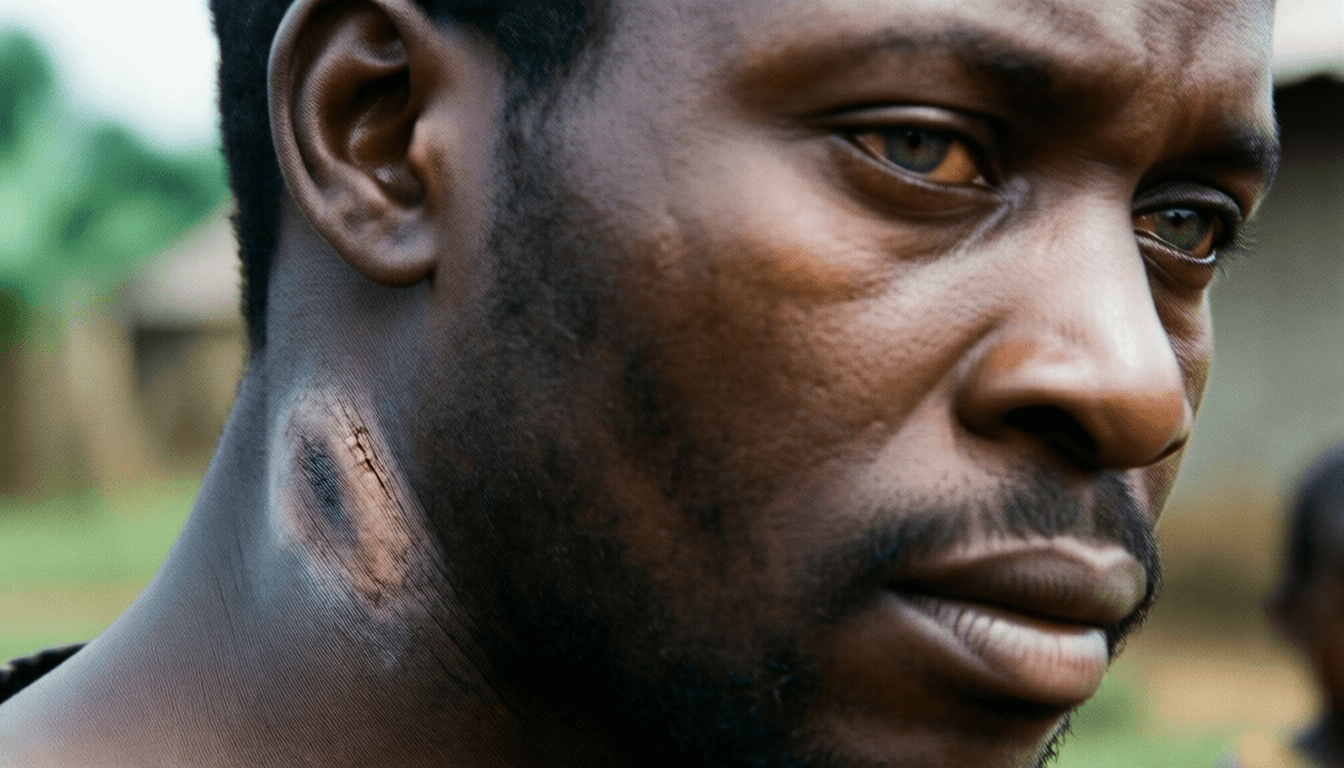
But weeks later, the chill persists. Not an ordinary chill, but an internal coldness emanating from my chest. That area still feels abnormally cold to the touch. On the left side of my neck, where I felt the icy pressure, a faint, strangely discolored bruise-like mark remains. It too, is perpetually cold. Since then, there's been an unexplained, chronic fatigue that no amount of rest alleviates. A feeling of being drained that plagues my every waking moment. Sometimes, I catch glimpses of a faint red flicker at the edge of my vision, or a fleeting whiff of that sickeningly sweet odor in the air. The "wasting sickness" of Kopiase, once dismissed as superstition, now manifests as a chilling, undeniable reality within me. The Obayifo hadn't just taken from infants. It marks its encounters, it remembers. And I, the skeptical investigator, am now merely the leftover proof of its existence.
[ CLASSIFIED VERDICT ]
[ACCESS LOG - SOURCE FILE]
This story is based on 'Obayifo,' a folklore myth from Ghana's Ashanti region. Obayifo are believed to be vampiric witches active at night, draining the life force, especially from children, and are often associated with strange lights and cold spots, causing phenomena like infant wasting syndrome.