The Unseen Hands of Jangsan Stream Reservoir
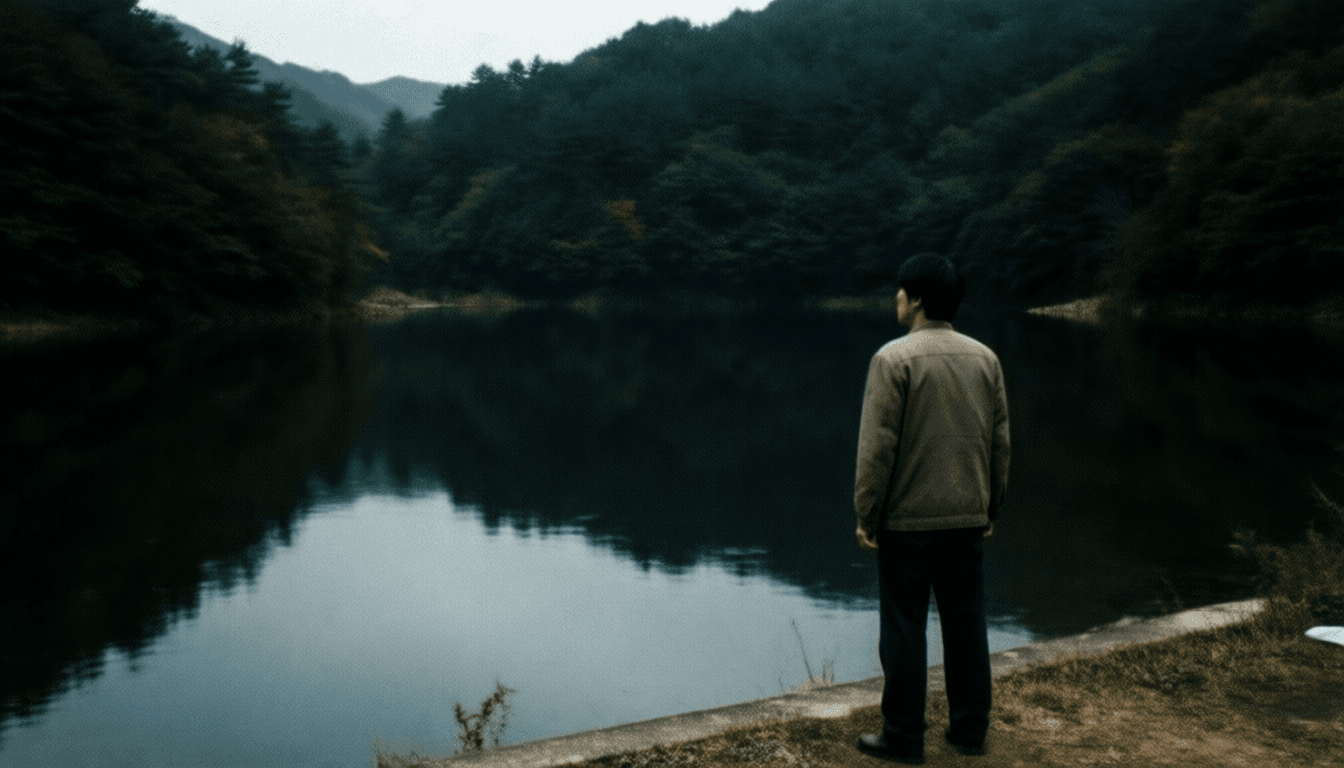
Jangsan Stream Reservoir on the outskirts of Gyeonggi Province has been known as an ill-fated place for decades. Nestled deep within the forest, its quiet infamy has persisted with intermittent disappearances attributed to strong currents or carelessness. However, over the past two years, the situation has dramatically changed. A total of six drownings have occurred, including two skilled local swimmers, who vanished without any struggle. Witness accounts, often dismissed as grief-stricken hysteria, consistently mention an 'eerie calmness on the water' or 'a feeling of something pulling from below.' Recovered bodies were sometimes unnervingly peaceful, as if they had no chance to resist, while others showed grotesquely contorted poses inexplicable by mere water currents. Village elders whisper of 'mulgwisin'—water ghosts—who pull the living to replace those who drowned. Our investigation aimed to document the precise environmental conditions of Jangsan Stream to find scientific grounds for these tragic events, or perhaps, to uncover the true nature of 'other' explanations.
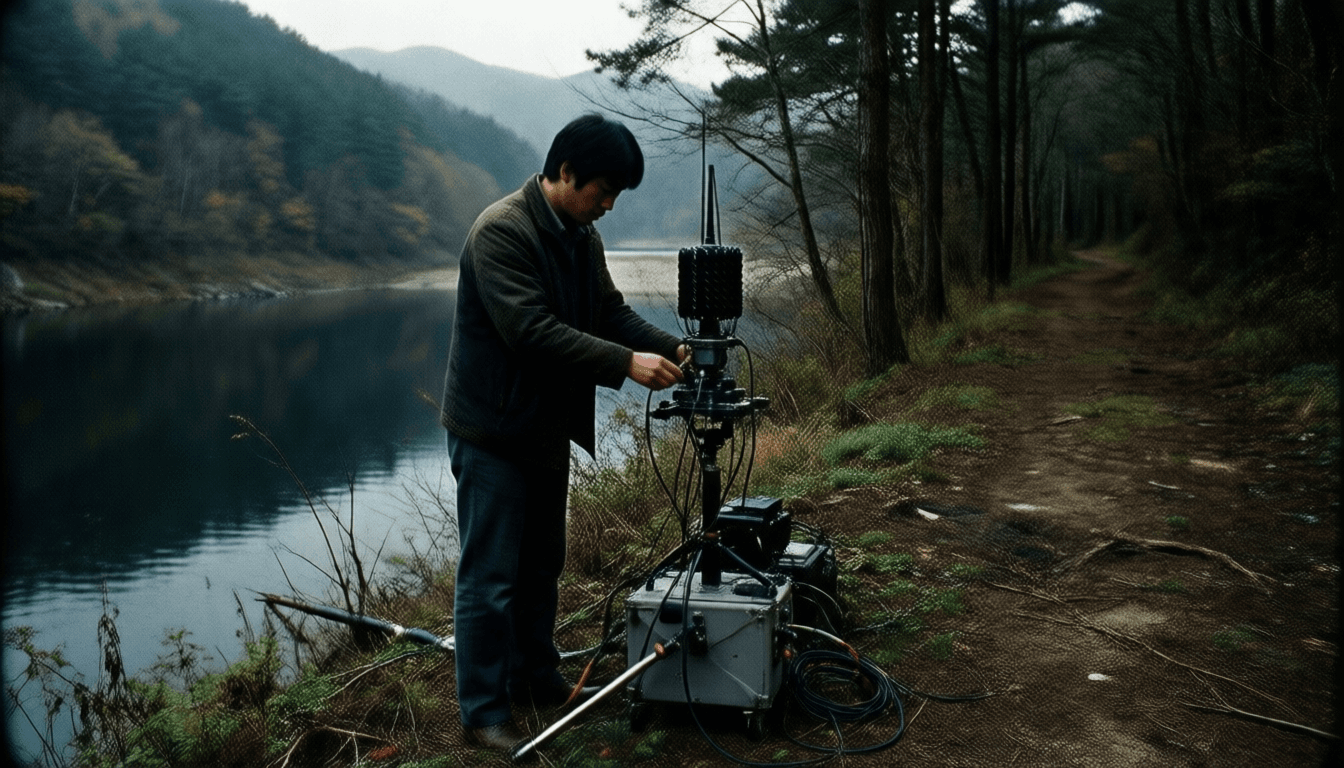
I arrived at Jangsan Stream Reservoir on a Tuesday morning, typically a sparsely populated time. The air felt palpably different upon arrival. A heavy silence hung over the water, seemingly absorbing even distant sounds. The reservoir itself was vast and deep, fed by a narrow, fast-flowing stream at one end and contained by an old concrete dam at the other. Forest paths hinted at past recreational activities, now only left with abandoned traces. I set up my equipment: an array of high-sensitivity hydrophones, a low-light capable underwater camera, and a portable atmospheric sensor pack, positioning them near the 'accident zone'—a particularly deep section where most disappearances occurred. The water surface was incredibly flat, reflecting the overcast sky like a black mirror. The only sound was the low hum of my drone as I prepared it for aerial survey, a stark contrast to the profound natural silence surrounding it.
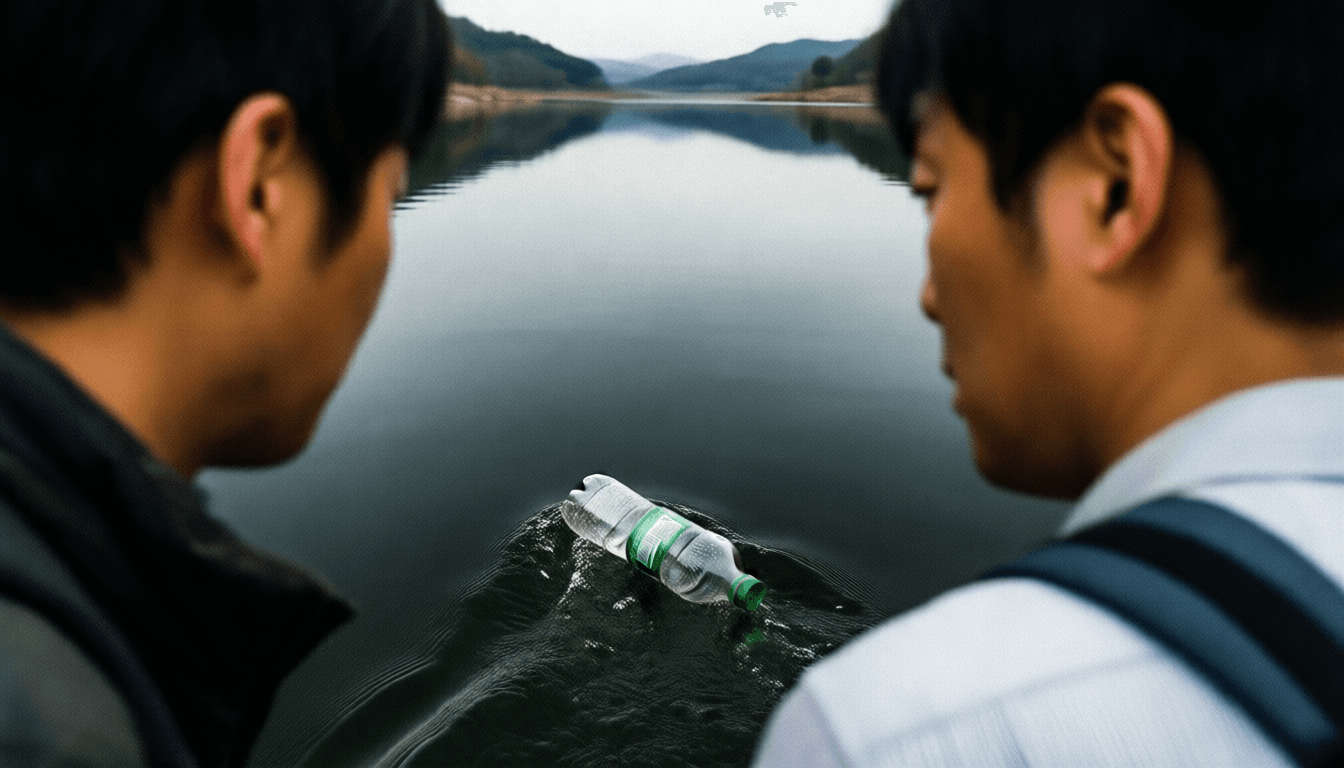
As the day progressed, subtle anomalies began. The hydrophones picked up a low, rhythmic thrumming from the depths, distinct from natural underwater sounds. Simultaneously, distant natural sounds, like birdsong from the forest or the faint engine of a faraway car, seemed to reach my ears with an inexplicable delay whenever I was close to the water's edge, as if the air itself had become denser. Despite a light breeze rustling the shoreline leaves, the water surface in the accident zone remained perfectly ripple-less, like polished obsidian. Initially, a discarded plastic bottle floating near the shore began to drift infinitesimally, almost imperceptibly, towards the center of the accident zone, seemingly defying the subtle surface currents and wind direction.
The atmospheric sensors recorded localized, intensely cold pockets that couldn't be explained by shade or wind. These 'cold spots' seemed to emanate from the water, delivering sudden chills and goosebumps despite the otherwise mild temperatures. Looking into the murky depths with a polarized lens on my camera, I briefly caught glimpses of anomalous distortions—not fish, not debris—but momentary flickers of light, non-propagating ripples, and shifts in the perceived density of the water, like ghostly currents pulling at the fabric of reality just beneath the surface. The oppressive silence pressed down harder; even faint splashes or rustling leaves felt amplified and alien.
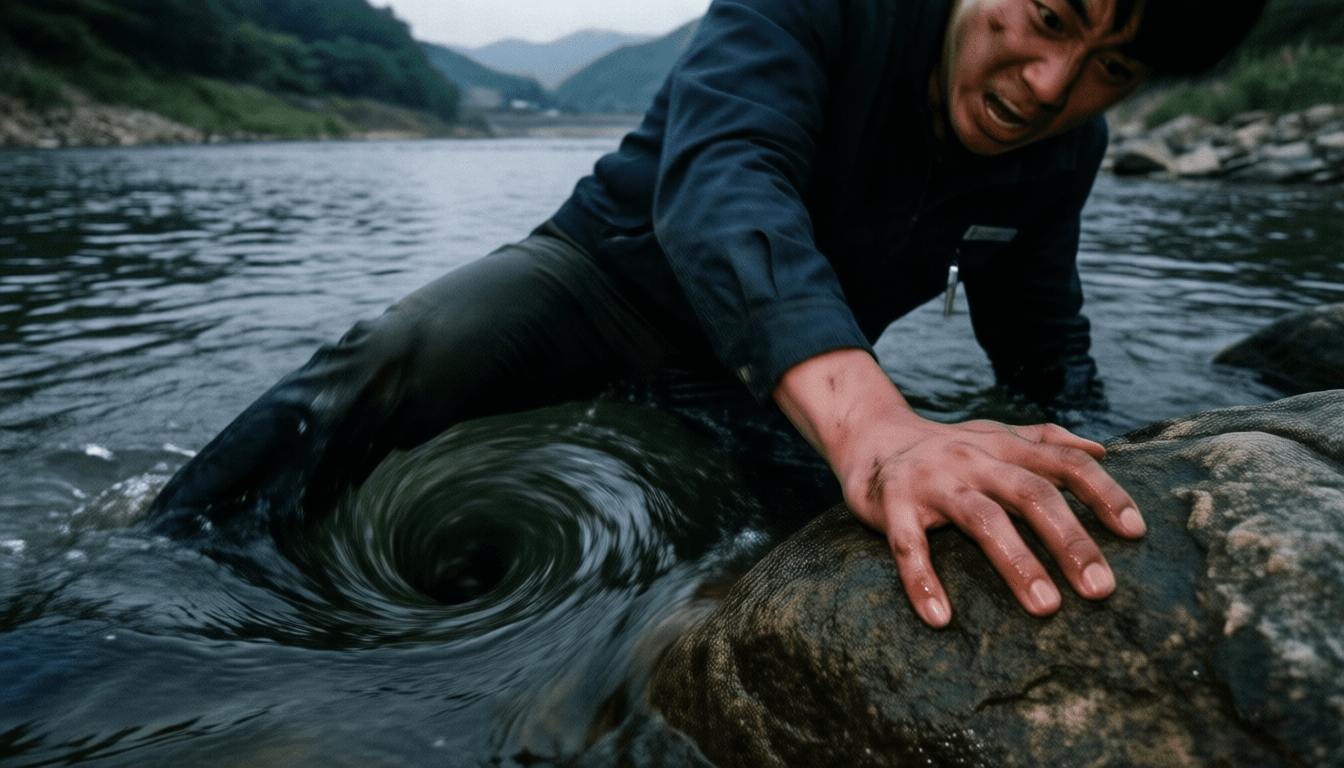
As twilight descended, I was crouched at the edge of a rocky outcrop, adjusting the underwater camera. The low thrumming from the hydrophones had now morphed into a resonant thumping. Without warning, a powerful, invisible force gripped my ankle, violently yanking me towards the water. There were no visible currents, no submerged obstacles, nothing physical to cling to, yet the pull was instantaneous and overwhelming. I scrambled, clawing at the wet rocks, my fingers scraping against the rough surface. The previously calm water at the reservoir's edge now swirled inward around my feet, forming an inexplicable vortex. I felt cold, skeletal, yet incredibly strong hands clenching my leg, dragging me deeper. There was nothing but the rush of blood in my ears, a choked gasp escaping my throat.
When my face briefly broke the surface, the icy cold was absolute, the water pressure immense. I sensed blurry, dark, indistinct shapes swirling in the murky water directly beneath me. Not fish, but something vaguely human-like, writhing. I resisted desperately, my face breaking the surface again. I saw the air bubbles I had exhaled moments before, trapped just beneath the surface, slowly sinking instead of rising. With a desperate burst of adrenaline, I thrashed fiercely, my leg scraping against the rock face, and managed to break free from the grip. The instant my body was completely out of the water, the pull vanished, the swirling water calmed, and the reservoir returned to its ominously still silence. I lay gasping, soaked, injured, and utterly terrified.
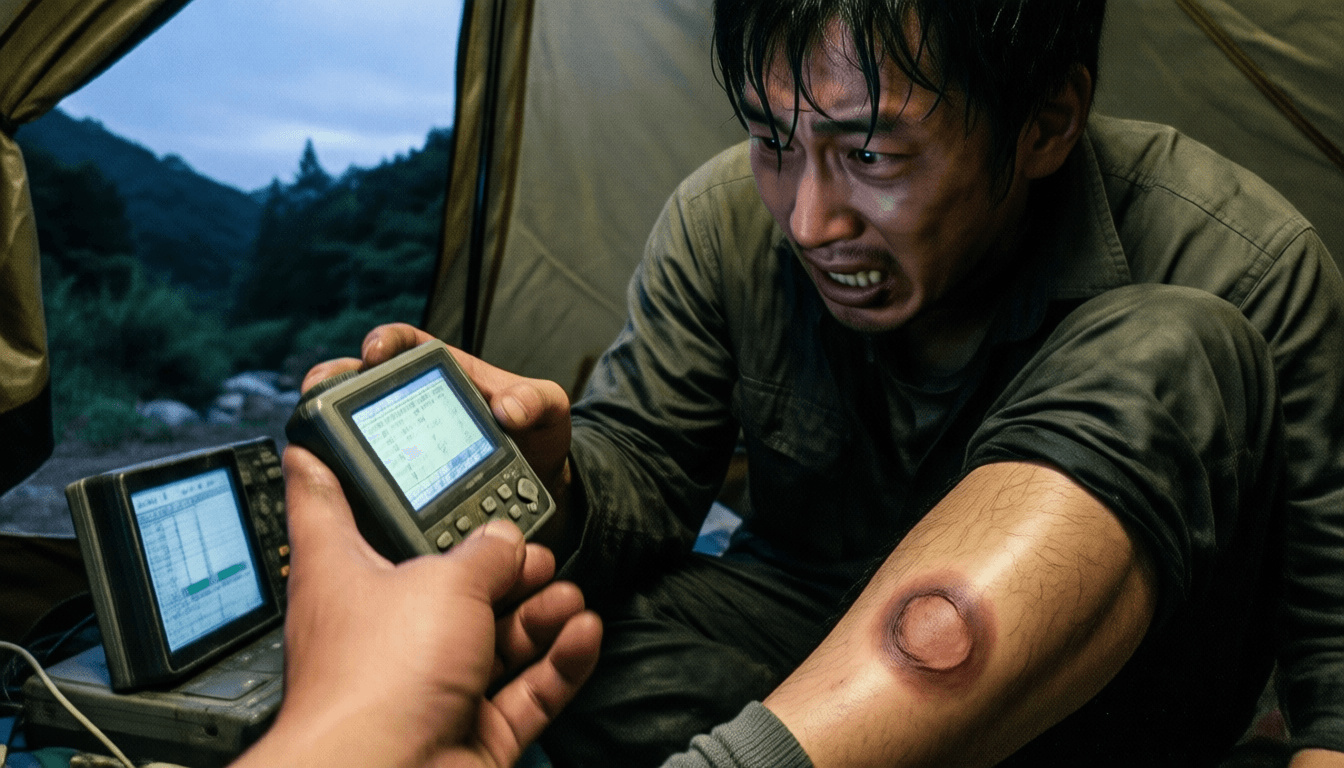
I crawled away from the water's edge, my body trembling. My breath was ragged, and a deep, rounded bruise, throbbing fiercely as if gripped by invisible pincers, bloomed on my left ankle. My clothes were drenched, yet an abnormal coldness clung to my skin like a second skin. Returning to my makeshift setup, I reviewed the data. The hydrophone recording from the climax was chilling. Beneath the sound of my violent splashing, multiple faint, desperate whispers and gasps were clearly layered, containing an impossible resonance that seemed to emanate from the water itself.
The underwater camera footage was indistinct, blurred by the murkiness and my struggle, but in the final seconds before I broke free, it captured a momentary distortion: a sudden, impossible darkening of light within the water, as if multiple forms had passed through the lens simultaneously, yet left no trace. I never returned to Jangsan Stream. Official drowning reports at the reservoir continued, perhaps even increasing. The data collected offered no scientific explanation for the forces I experienced—no strong currents, no geological anomalies. Instead, it left only a chilling, unwavering implication. The recorded whispers, the cold, the unseen hands, the defiance of physical laws—these were not evidence of myth, but documented manifestations of a predatory intelligence in the depths, an insatiable hunger to pull the living down to join the ranks of the dead. Jangsan Stream's currents were not merely the flow of water; they were an unseen, grasping collective, always waiting, always taking.
[ CLASSIFIED VERDICT ]
[ACCESS LOG - SOURCE FILE]
According to Korean folklore, a 'mulgwisin' (water ghost) is the spirit of someone who drowned, dragging living people into the water to drown them and take their place. They are known to appear especially in deep waters like reservoirs or rivers, causing strange phenomena such as pulling on people's legs from beneath the surface. This story reinterprets the mulgwisin legend in a modern context, using the invisible grip and pull felt from under the water to bring its existence to life.