The Living Hospital: Gonjiam
The internet, indulging in a fascination with the macabre, transformed Gonjiam Psychiatric Hospital into a digital shrine. Decades-old videos, boasting hundreds of thousands of views, captured flickering lights, inexplicable whispers, and a pervasive, unexplainable chill. Forum boards buzzed with rumors of the director's suicide, mass patient deaths, and staff disappearances. Most pervasive were tales of 'the seven wards of horror,' each said to house a malevolent spirit. Domestic media and blogs fueled its infamy with sensational titles like 'the most haunted house.' Despite police warnings and physical barriers, a steady stream of amateur explorers, 'ghost hunters,' and documentary filmmakers persisted. Their every testimony, whether exaggerated or fabricated, culminated in equipment failures, sudden illnesses, or profound terror, cementing Gonjiam's reputation as a place that actively resisted investigation. The official explanation for the hospital's abandonment in the early 1990s was always financial difficulties and regulatory issues, yet it felt strangely insufficient when confronted with the chillingly consistent reports. It wasn't just a ruin. Something actively... existed within its decaying walls.
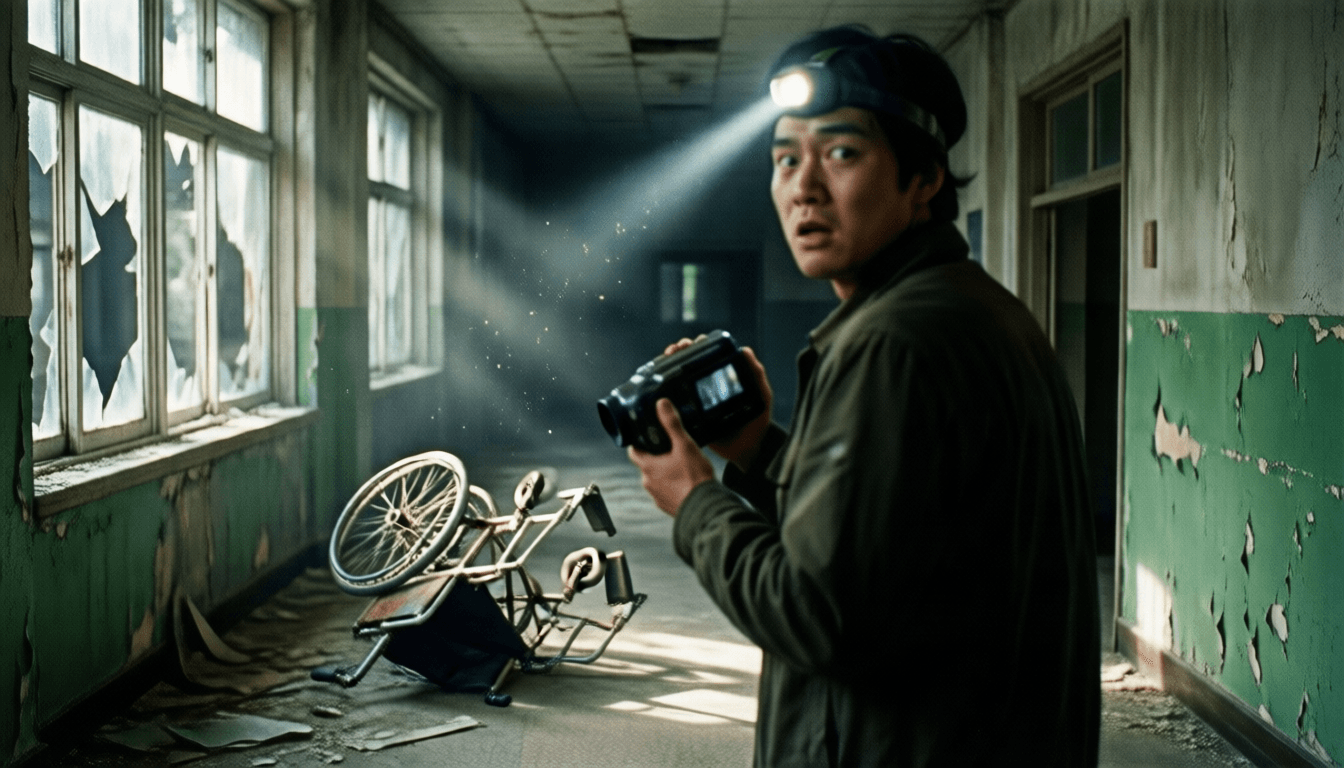
The intrusion, like that of countless predecessors, was through a carelessly broken barbed-wire fence. The path, worn clear by previous footsteps through overgrown bushes, led directly to the main building entrance. The moment I stepped into the hospital lobby, the air distinctly shifted. It wasn't merely cold; it was damp, thick with a musty, aquatic scent, interwoven with a sickeningly sweet, viscous aroma. The silence was profound but unnatural, as if the building itself absorbed all sound, leaving only the dull thud of my own heartbeat echoing in my ears. Dust motes danced in the light filtering through broken windows, vaguely illuminating wide patches of peeled paint, an overturned wheelchair, and yellowed, crumbling patient records. My objective was clear: to systematically document the infamous 'wards' using a thermal camera, EMF meter, and calibrated audio recorder, seeking objective anomalous phenomena. The first few wards were as expected: corrosion, graffiti, typical urban exploration detritus. Nothing unexpected, save for the oppressive weight of the silence that seemed to press down on the air.
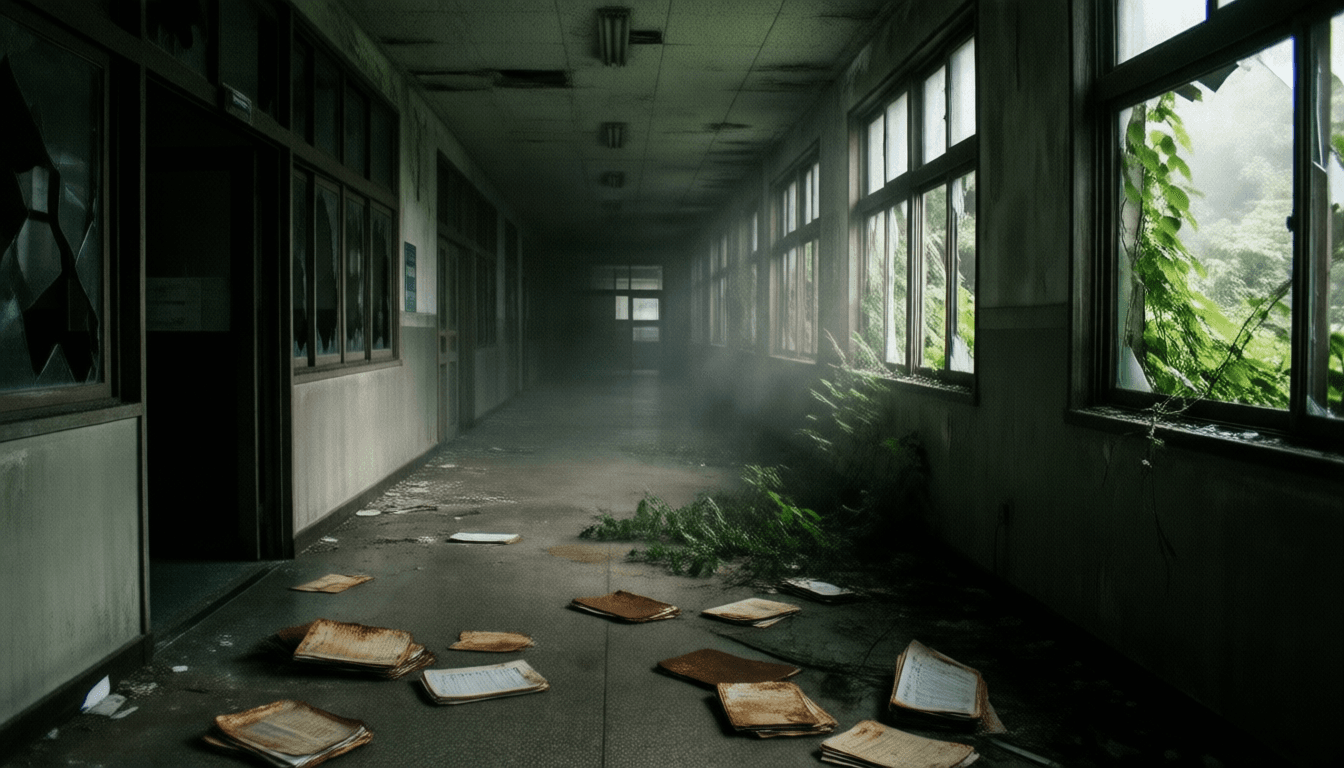
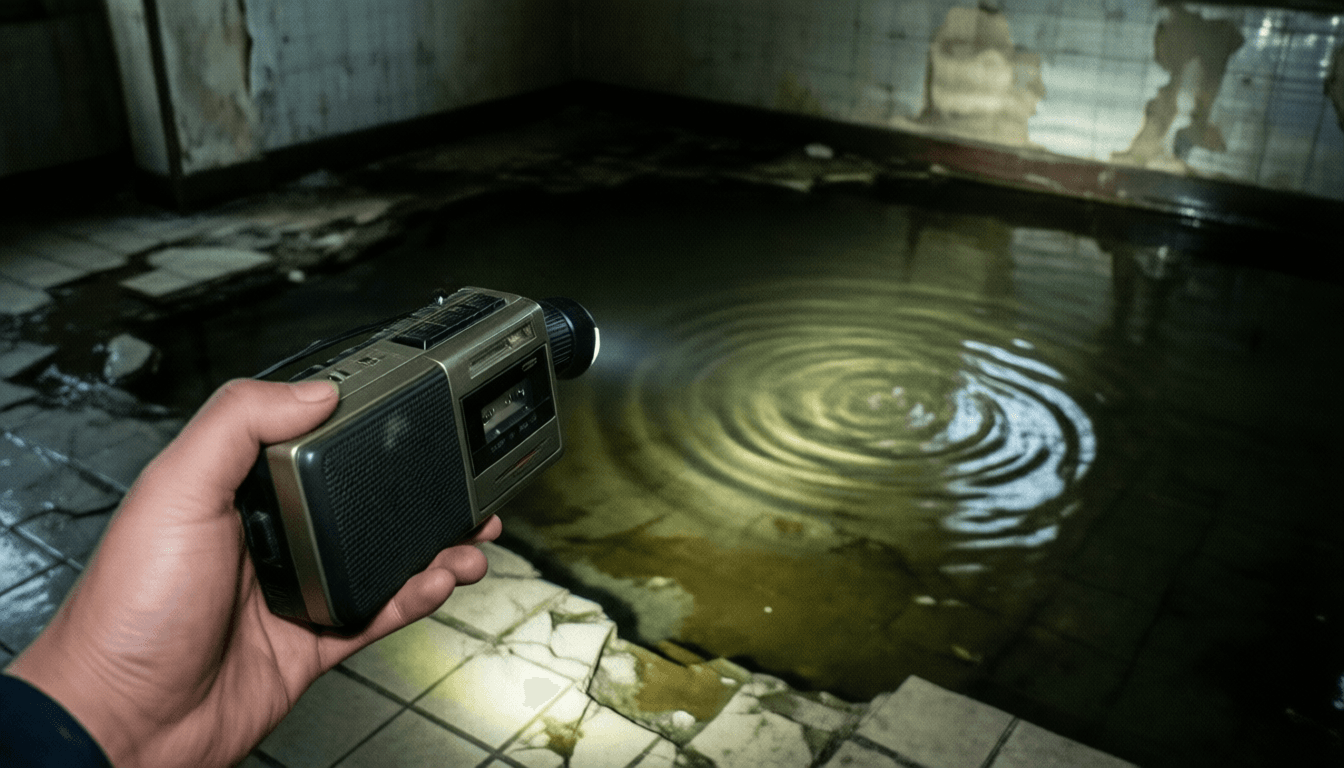
However, deeper within the hospital, particularly in the areas rumored to have been patient rooms and operating theaters, unsettling characteristics began to manifest. The already dim light seemed to darken. Not due to physical obstruction, but as if the headlamp's beam itself struggled to penetrate an unseen medium, dissipating. Audio recording equipment consistently registered a low-frequency hum, despite normal EMF readings. In one section, the drip of water from corroded pipes resonated with an abnormal echo. The sound seemed to branch and linger impossibly long before abruptly ceasing entirely. The residual reverberation hung in the air for a moment, then was sucked into absolute silence. A more chilling phenomenon occurred in what was once a hydrotherapy room. A shallow pool of stagnant, slimy water intermittently rippled. Not from any external disturbance, but as if something moved beneath it. Yet, the most extreme experience was in the 'director's office,' where rumors of his suicide circulated. Every surface here was covered in a fine layer of dust, undisturbed by any airflow. But a deep drag mark scored the floor, as if a large, heavy object had been pulled, abruptly ending at a wall. Astonishingly, the dust itself was subtly moving against the expected direction of air currents, as if the air itself was attempting to resettle the disturbed particles. The building seemed to be asserting its own will.
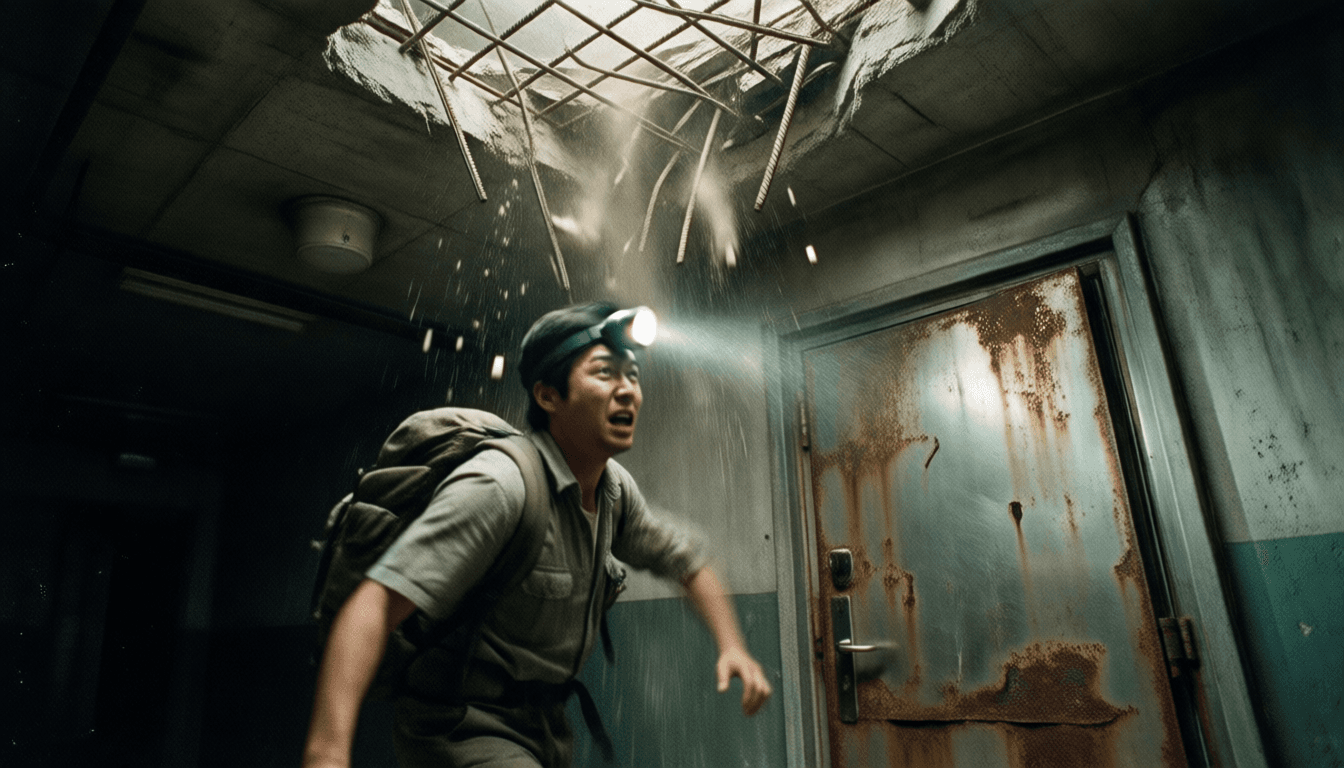
The climax of documented anomalies occurred on the lowest accessible floor, commonly known as the morgue. The air here was distinctly colder, the sickeningly sweet scent even more potent, assaulting my nostrils. The audio equipment's hum escalated into a high-pitched whine. As I stepped deeper inside, a slightly ajar emergency exit door suddenly slammed shut with a bang. It wasn't merely closed; it felt sealed shut with immense pressure, the corroded metal groaning, its edges visibly warping. My headlamp beam illuminated the door, revealing fine cracks spreading across its surface, as if the metal was actively under stress. Simultaneously, the floor beneath my feet began to vibrate. Not an external tremor, but a deep, resonant hum emanating from within the concrete. Fine dust rained down from the ceiling. A section of the left wall, already weakened, visibly buckled inwards, pushing me back. A sharp, almost electrical discharge crackled in the air, and in a far corner of the room, the stagnant air suddenly moved violently, as if a huge, invisible something had forcibly expanded. The vibrations intensified, and a section of the concrete ceiling directly above me began to descend. Slowly at first, then accelerating, scattering rebar fragments and debris. It wasn't a collapse. It was a descent with intent, a mechanism designed to crush me. The air buzzed with unbearable pressure, and then, a sudden, piercing cold from behind me. Not merely external temperature, but an internal chill, as if something had passed through me. I desperately ran to the emergency exit door, shoving against it, but it wouldn't budge. The ceiling continued its deliberate descent, the gap rapidly narrowing. Just as the building seemed about to crush me, an invisible force, a sudden, violent push from behind, hurled me forward. I stumbled out through a newly formed crack in the emergency exit doorframe, a fissure that hadn't existed moments before. My skin scraped, I gasped for air, staggering. Behind me, the sound of grinding concrete confirmed the room was completely sealed. The hum stopped. Silence returned. Now, it was absolute, and mocking.
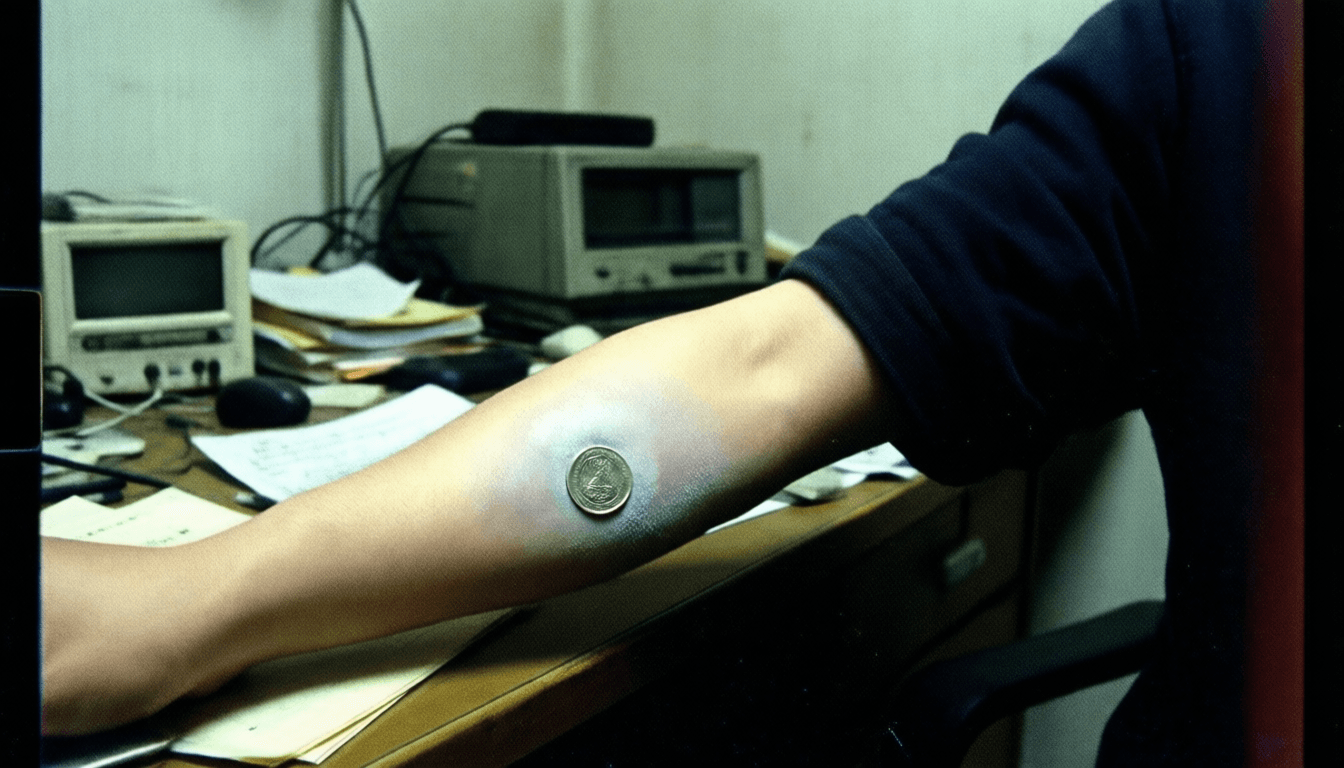
The escape from Gonjiam was messy. Minor scrapes, severe bruises, and an immediate, unshakable terror dominated the aftermath. Equipment was lost or rendered useless. Yet, the most lasting impact was not the physical injuries, but the chilling anomalies that surfaced weeks later and persist to this day. A coin-sized patch of skin on my left forearm consistently maintains a temperature lower than the surrounding tissue. Sensation is normal, yet the cold is relentless. Medical examinations have found no explanation, despite normal blood flow or nerve function. Furthermore, the sickly sweet metallic scent of Gonjiam occasionally returns without external stimulus. It's a phantom smell, accompanied by moments of deep, immersive silence where all surrounding sound temporarily ceases, leaving only a ringing in my ears. The digital archives associated with the documentary effort were meticulously purged, and any public footage of the expedition was deliberately corrupted or removed. It felt not merely like a withdrawal from the site, but an attempt at complete erasure. The hospital itself was demolished in 2018, its physical structure reduced to rubble. But the persistent cold on my skin, the phantom smell, the intermittent profound silence—these are not mere memories. They are... evidence. They suggest that what Gonjiam harbored, the force that actively distorted reality, was not confined within crumbling walls. It merely... relocated. And perhaps, a piece of it, a particularly virulent strain, made its way out into the world.
[ CLASSIFIED VERDICT ]
[ACCESS LOG - SOURCE FILE]
Gonjiam Psychiatric Hospital was a real, abandoned hospital located in Gyeonggi-do, South Korea, infamous as one of the country's most haunted places. Urban legends claimed patients died mysteriously, the director committed suicide, and the building was home to malevolent spirits. While officially attributed to financial issues, its supernatural notoriety drew countless thrill-seekers until its demolition in 2018.