Echoes of the Frozen Peak
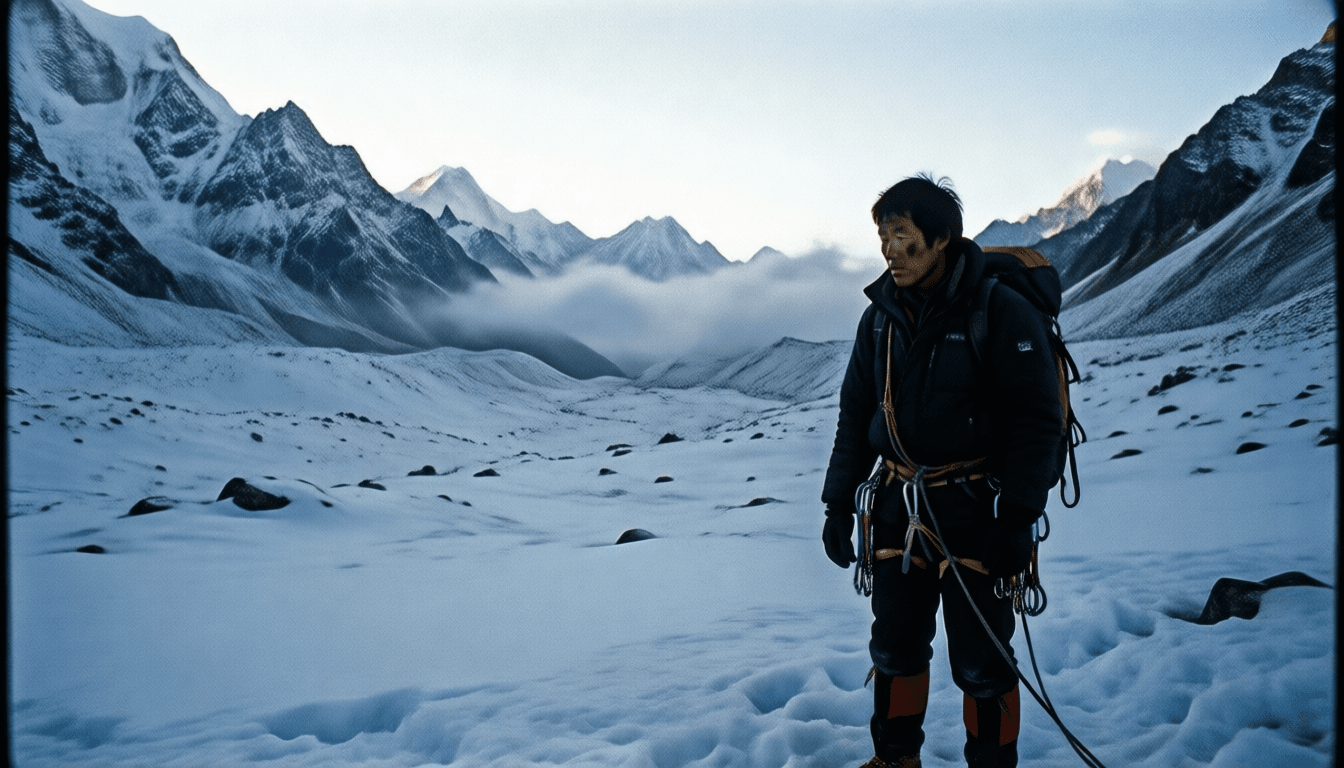
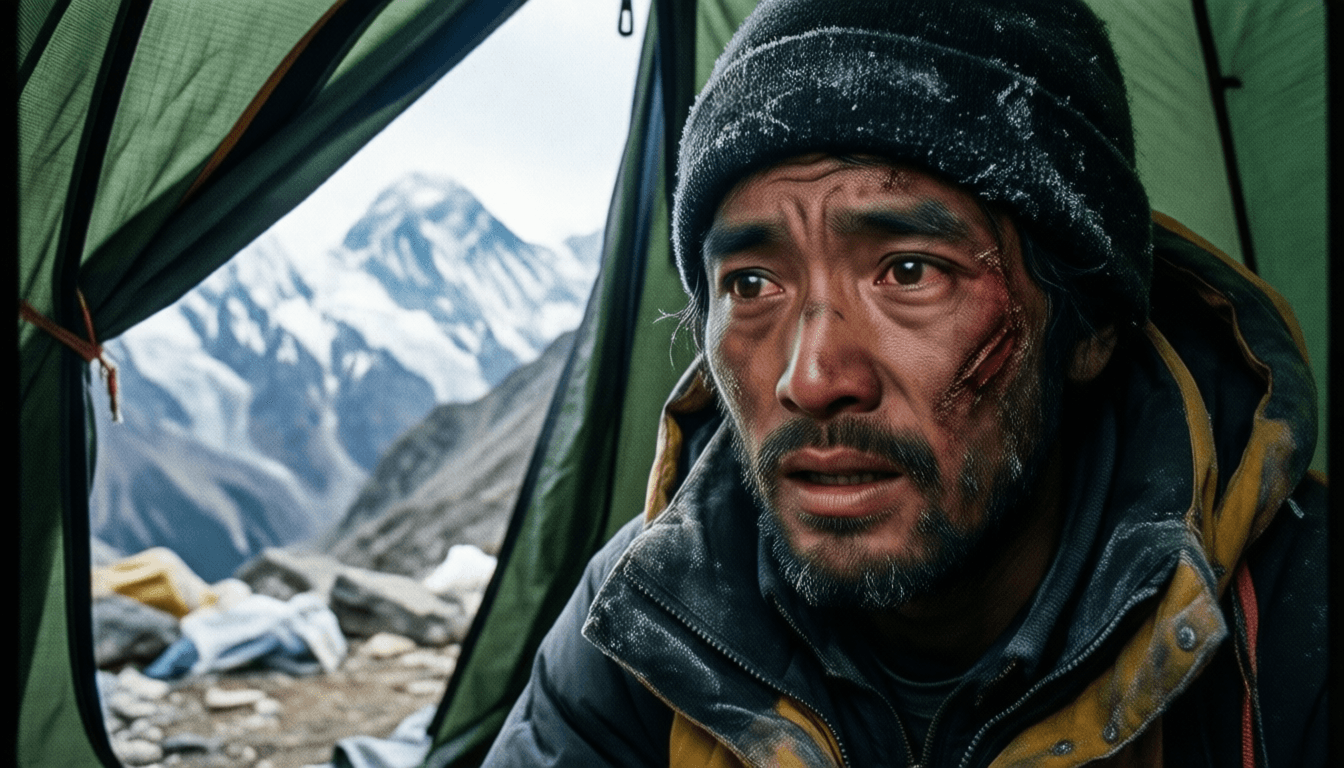
In late 2015, veteran Japanese solo climber Koji Tanaka vanished without a trace at 5,800 meters on the Himalayan Ringmur Pass. The official report from the Nepal Tourism Board classified it as “a fatal fall due to acute mountain sickness.” His satellite phone’s GPS, however, sent irregular signals for three days, charting a confusing trajectory that defied his route—sometimes backtracking, sometimes leaping forward, before ceasing entirely. His body was never recovered. Yet, the sole item retrieved during a private search operation was Tanaka’s severely damaged digital camera. When forensic recovery extracted a few corrupted frames, one rough image, half-obscured by snow, depicted a colossal bipedal silhouette moving at impossible speed across the snowfield. This was officially dismissed as “lens flare and distortion from snow.” But among local Sherpa guides, the disappearance at Ringmur Pass reignited whispers of the “Ghost of the Frozen Peak”—a rarely seen guardian, or perhaps something far more malevolent, that has roamed these specific, desolate valleys for generations, leaving behind only impossible footprints and echoes of absence. I began an independent investigation, intrigued by the consistent geographic pattern of these “disappearances” and the unusual coherence in local folklore.
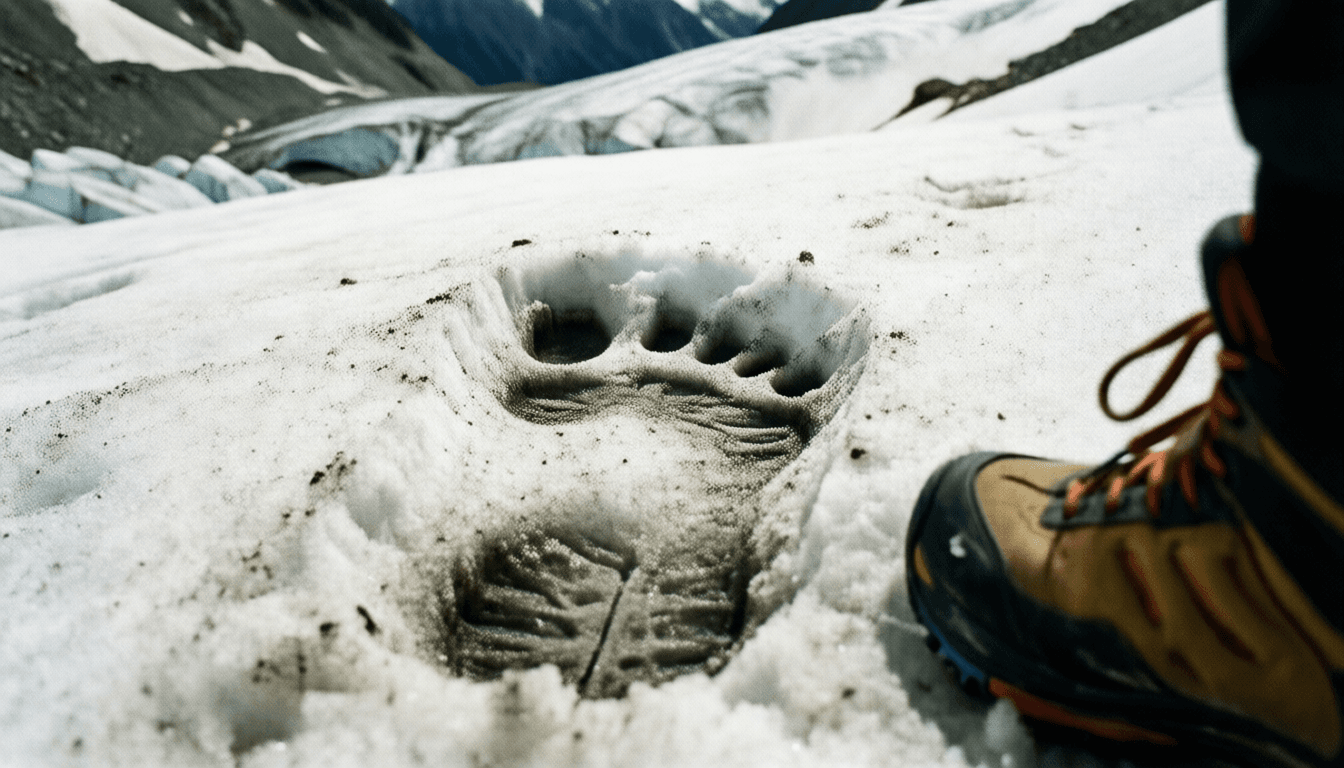
My expedition was modest: myself, a Sherpa guide named Tenzin, and minimal gear. We set out for the less-traveled Ringmur Pass, known for its extreme solitude. The air was already thin and transparent, unnaturally still. Not the vibrant quiet of nature, but an absorptive silence, as if sound itself were being drawn away. Vast, ice-covered peaks towered, overwhelming the senses. The taciturn Tenzin pointed to ancient cairns and prayer flags, warning me to stay on the path. He spoke quietly of the “mountain’s hunger,” dismissing my scientific inquiries with a significant gaze at the mists swirling above. For several days, we established a base camp below the pass, acclimatizing. The first anomaly was subtle: footprints etched in the hard snow near glacial runoff. Far larger than any known local animal, they ascended upward from a deep crevice, then simply vanished. Tenzin attributed it to snowdrifts, but I recorded their impossible stride pattern.
As we ascended the main route of the Ringmur Pass, the environment subtly warped. The silence deepened, pressing against my ears as if to crush them, making even my own breathing sound incredibly loud. I tested it by calling Tenzin’s name. The echo, which should have returned sharp and immediate in this vast space, was strangely delayed, distorted, and returned from a direction that didn’t correspond to any rock face. It was wet and hoarse, as if filtered through a heavy medium. In a small, frozen stream, exposed pockets of water around boulders seemed for fleeting moments to flow against the main current. I told myself it was just tricks of light and rippling surfaces, but the visual illusion was profoundly unsettling. More footprints appeared. Sometimes crossing our path, always gracefully moving over treacherous terrain as if with no effort. In some places, they were impossibly deep, as if something immense had pressed down, yet where they ascended near-vertical ice walls, there were no scrapes, no signs of struggle. Tenzin became agitated, frequently checking the sky, his eyes wide. An indescribable, primal scent—a mix of ozone, wet fur, and metal—occasionally drifted through the windless air, then dissipated.
The sense of isolation pressed in. My perception of time warped. I constantly scanned the vast, featureless landscape, convinced I was seeing movement in my peripheral vision. My scientific composure began to crack under the relentless, unsettling consistency of the inexplicable. Satellite phone signals became intermittent, then died completely. Tenzin, increasingly unnerved, urged a retreat, but I was convinced I was on the verge of a crucial discovery and pushed onward.
A sudden, furious blizzard descended, trapping us high on the pass. Tenzin, desperate for shelter, slipped and plunged into a deep, ice-covered crevasse, his cries echoing in the storm. I was alone. To find him, in a desperate act more for survival than rescue, I descended into the crevasse myself. The blizzard raged above.
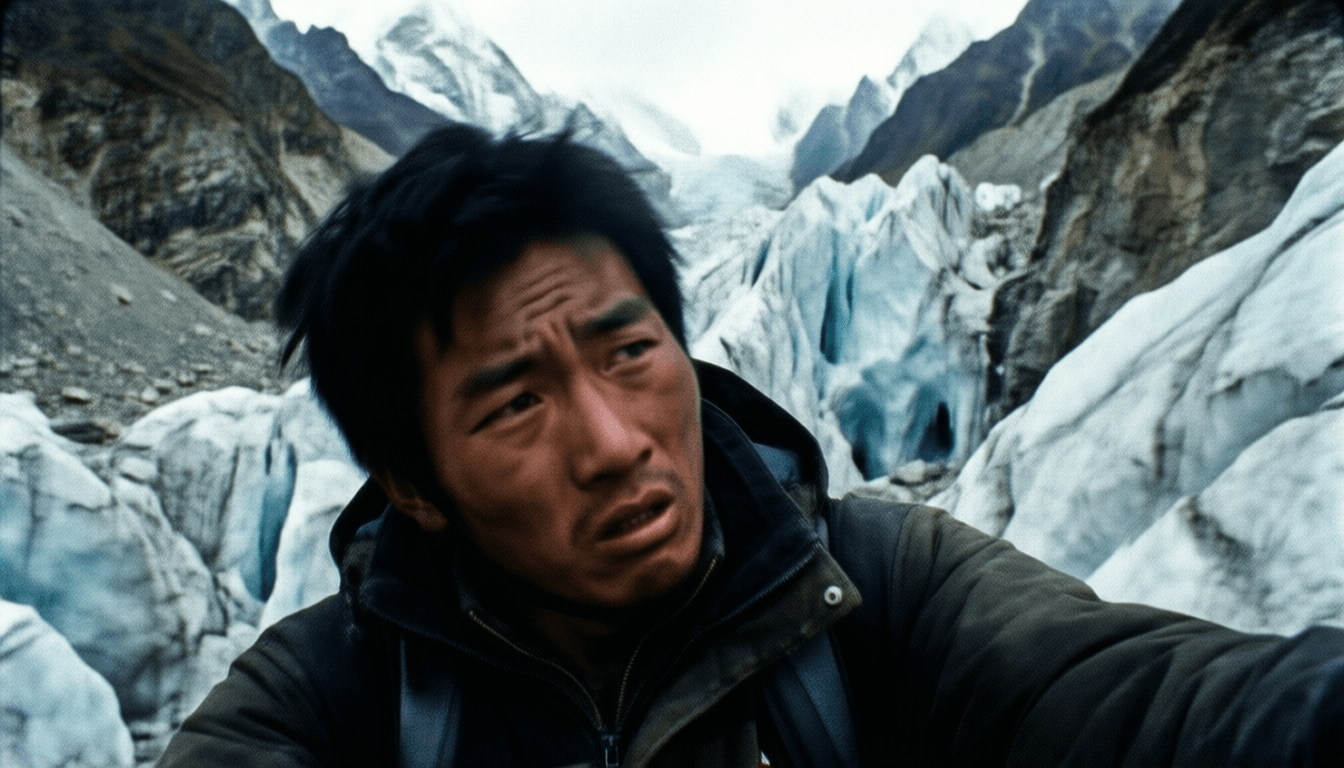
In the eerie, sub-zero darkness of the crevasse, lit only by my headlamp, there was no trace of Tenzin. But the space was not empty. The permeating silence was abruptly shattered by a low, rhythmic thumping vibrating through the ice walls, growing in intensity. The temperature dropped further, an impossible, lung-burning cold.
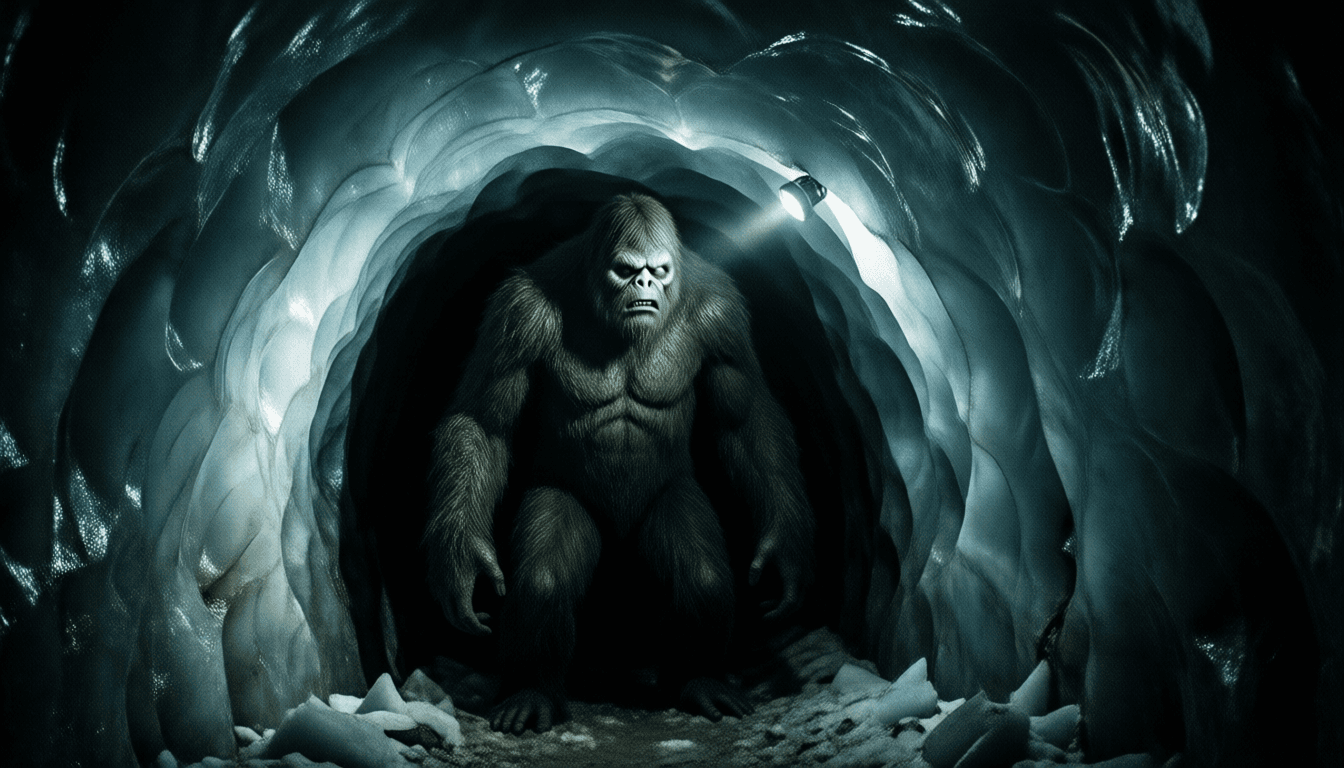
Then, from the absolute blackness at the end of a narrow ice tunnel, it appeared. It didn't walk so much as manifest. It was colossal. Far larger than any bear, covered in thick, matted fur that seemed to absorb light. Its form wasn’t blurred like an optical illusion, but as if it was momentarily less solid, momentarily out of sync with the physical space it occupied. It moved in unnerving, perfect silence, its massive bulk seeming to defy the friction of ice itself.
It closed the distance between us in an instant. There was no roar, no growl. Only a perceptible shift in air pressure and a sickening, musty odor. An incredibly large, clawed hand clamped around my arm. It was impossibly cold and strong, a bone-crushing grip. The skin was rough, like frozen hide. I felt cartilage tearing. My headlamp beam, trapped in its fur, shone on its eyes—not animal eyes, but ancient, intelligent, and devoid of compassion. They reflected the bluish-white ice with chilling indifference. I was slammed against the crevasse wall, ribs cracking. The world spun, my headlamp fell, plunging us back into near-total darkness. I tasted blood. This was no animal. This was something that owned the very physics of this place. A being predating humanity. In a desperate, adrenaline-fueled struggle, I drew my ice axe, not to fight, but to break contact. I swung wildly, feeling it connect with something dense and yielding, a sickening pull. The grip momentarily loosened. I twisted free, falling deeper into a subsidiary vertical shaft of the crevasse. The last sound I heard, before impact and near unconsciousness, was my name, whispered hoarsely from the entity itself. It was the same wet, hoarse echo, amplified and distorted, reverberating through the ice.
I regained consciousness days later, frostbitten and fractured, discovered by a small rescue team tracking my intermittent distress beacon. Tenzin’s body was never found. My account of a “massive, ape-like creature moving like a ghost” was officially attributed to severe concussion and hypothermia-induced hallucinations. My injuries were extensive: multiple broken ribs, a dislocated shoulder, and severe frostbite on my left hand that later required the amputation of several fingers.
Among the recovered equipment wreckage, one severely damaged memory card from a secondary camera contained fragmentary, blurry footage. One frame, captured just before the creature’s attack, showed a huge, dark shape in the blizzard at the crevasse entrance. It was inconclusive, easily dismissible as “falling rock” or “pareidolia.” No fur fragments were found on my torn jacket, and the ice axe was gone.
Weeks later, back in my office, the dull ache of phantom pain was a constant reminder. I revisited old case files: “Shifting Peaks” incidents, “Ringmur Psychosis” reports, the blurry photo from Tanaka’s camera. All had the same inexplicable, insidious pattern. The chilling fear wasn't from the encounter itself. It was from the realization that it had not been a hallucination. The mountains keep their secrets, but sometimes, they return survivors. Maimed, broken, forever cognizant of the impossible truth hidden within their icy heart. The true horror is the silence that surrounds it, the systematic dismissal, and the certainty that others will continue to vanish on Ringmur Pass. Their disappearances will be neatly categorized as “unexplained.” And all the while, the ancient, cold intelligence of the peaks will continue its vigil. I find myself obsessively checking Himalayan weather forecasts; every news report of a missing climber sends a fresh wave of cold dread through me. The mountain whispers, and now, I can hear it.
[ CLASSIFIED VERDICT ]
[ACCESS LOG - SOURCE FILE]
For generations, rumors of the "Ghost of the Frozen Peak" have circulated around the Himalayas' Ringmur Pass. This area is known for climbers disappearing without a trace, officially attributed to altitude sickness or accidents, but locals whisper of an unknown entity leaving impossible footprints. This entity is believed to be either a guardian of the mountain or something far more malevolent.