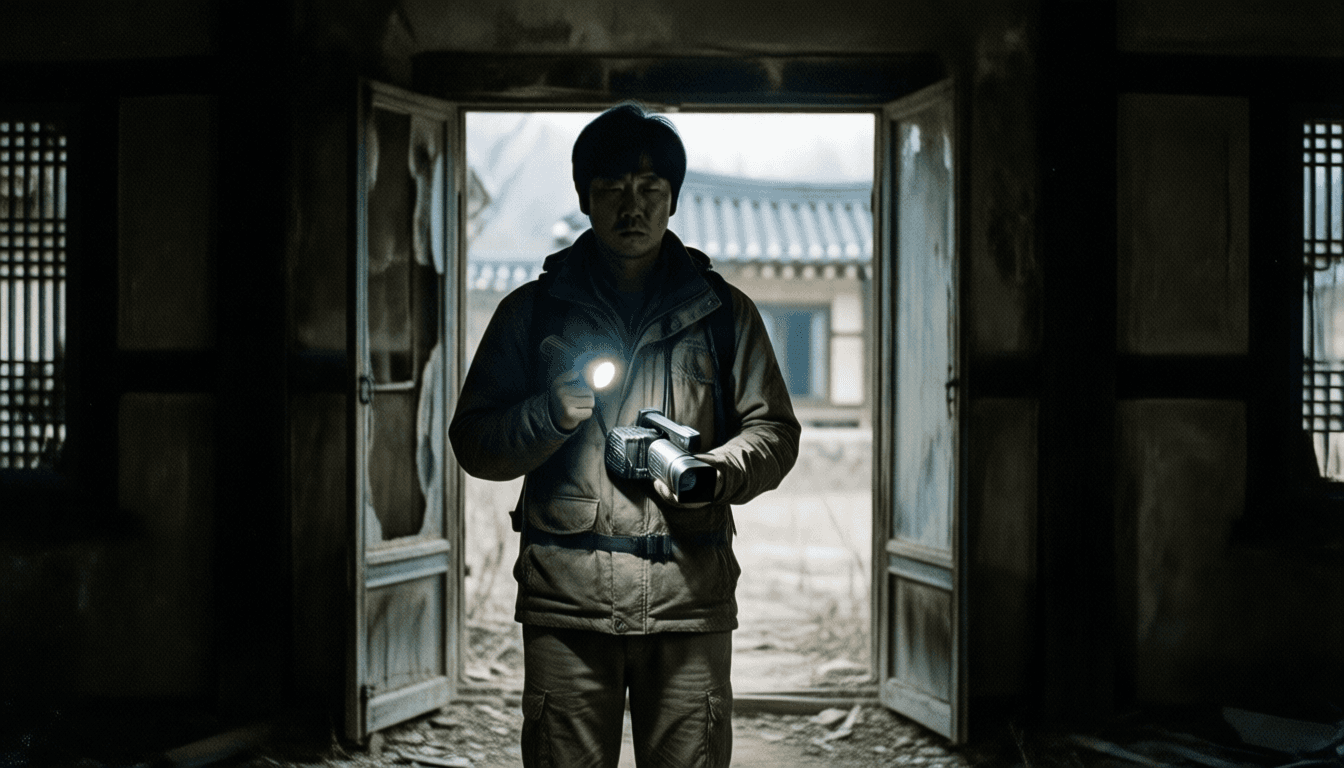
Eternal Chill: The Record of the Cursed Display Case
The archival search began smoothly. It wasn't a direct investigation into the infamous 'Dybbuk Box'. Instead, it was sparked by fragmented internet posts and obscure digital secondhand transaction records scattered over a decade. These described not a specific item, but a 'type' of object: small, dark wooden display cases, often described as 'European antiques' or 'Jewish folk art', with faint, almost seeped-in Hebrew characters inscribed along their inner edges. The consistent pattern wasn't just their appearance. These items were listed briefly, then sold, only for sellers or subsequent owners to post increasingly agitated and often incoherent warnings of inexplicable misfortune, sudden illness, or a deep, pervasive terror. These warnings would then vanish, quietly deleted, or the user accounts themselves would be deactivated. The most recent thread discovered was on a local antique appraisal forum, a single urgent message: "Found one at an abandoned estate auction in Red Willow County. This quiet… something's wrong. It's… watching." The post cut off abruptly mid-thought. This was the only tangible lead, pointing to a specific location, according to local records, abandoned for years.
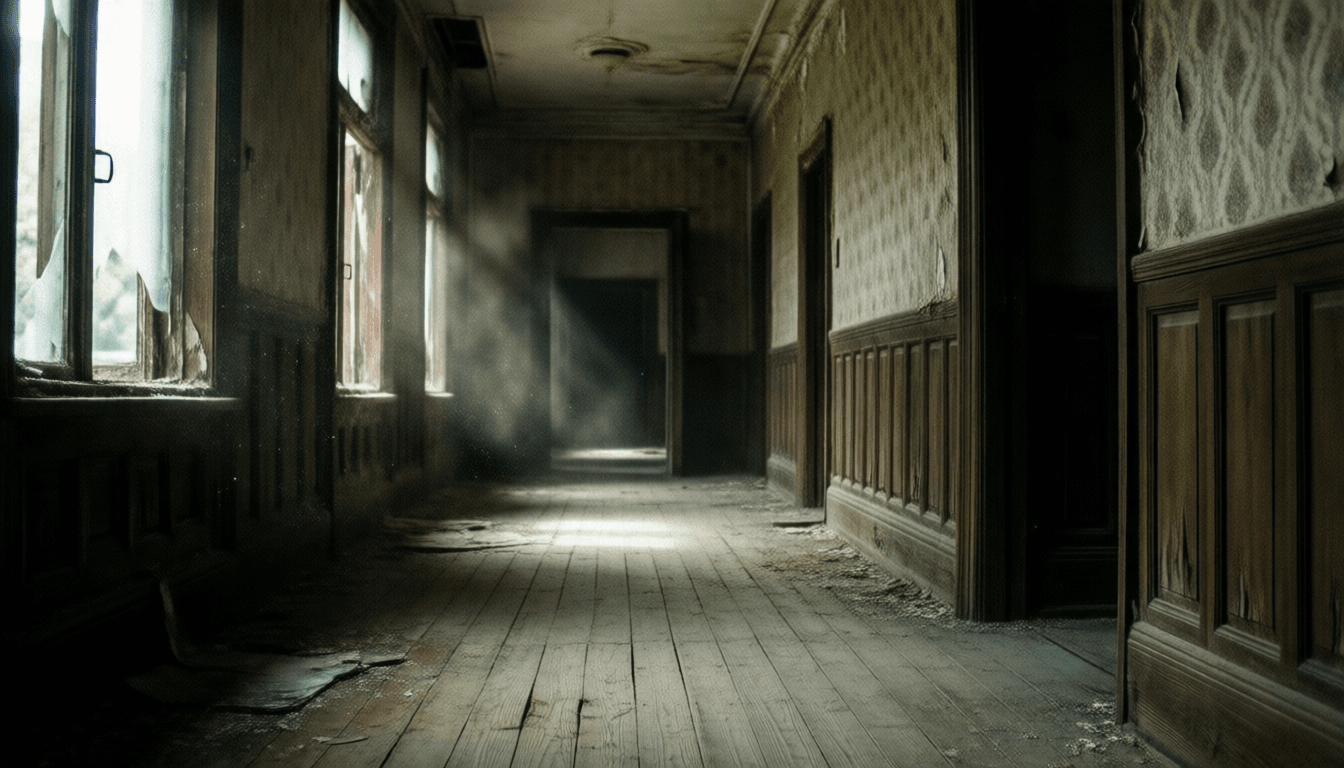
On a Tuesday, the late autumn air already biting, I arrived in Red Willow County. The address led to an isolated, overgrown mansion on the edge of a forgotten farm track. The house stood, a skeletal relic of faded Victorian grandeur, its windows like dark eyes reflecting the leaden sky. Inside, the air hung thick with the smell of damp decay and forgotten lives. It was like a museum of abandonment. Dust blanketed everything: twisted furniture, stacks of moldering books, broken crockery. The old floorboards groaned under my weight, a creaking chorus of complaint. Following the hint from the 'abandoned estate auction' post, I moved systematically through the debris, past peeling wallpaper and water-stained ceilings. The quiet here wasn't merely an absence of sound; it was a presence, an oppressive weight that seemed to absorb even the house's groans and the rustle of my clothes. It felt like walking inside a soundproofed vault. Finally, in the deepest corner of a locked attic, half-buried beneath moth-eaten tapestries, I found it. A small, unassuming wooden display case, perhaps 60 centimeters tall. Dark and unpolished, with a simple brass clasp. Its upper door was slightly ajar, revealing an interior compartment. No visible Hebrew characters yet.
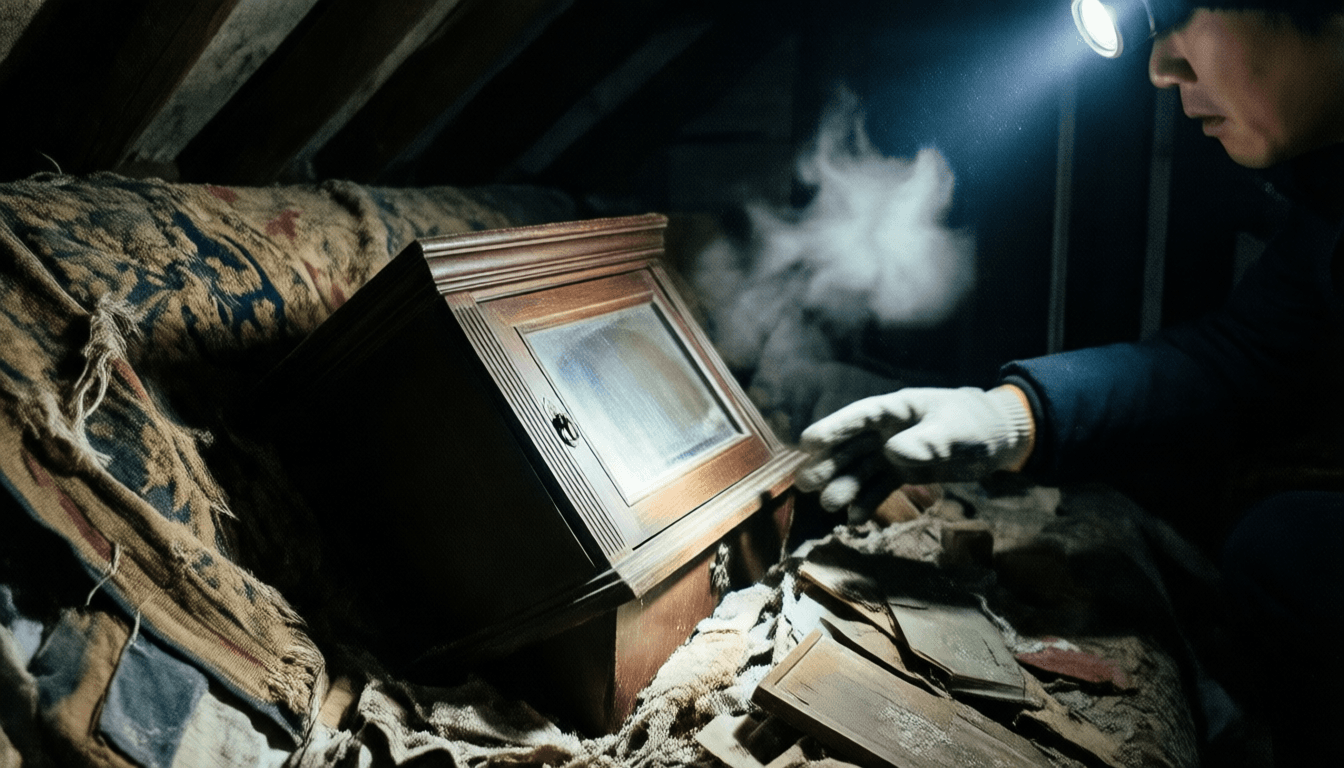
The moment I began documenting the display case, a subtle shift occurred. The ambient air grew noticeably colder. Not the chill of an unheated house, but an isolated, absolute zero cold that hung in the air. My breath plumed white. I reached out a gloved hand. The wood, visually similar to the dust-laden furniture around it, felt abnormally slick and damp despite being bone-dry. I shone my headlamp into the slightly open compartment. The interior was a cavern of complete black, absorbing light with unnatural efficiency. Out of the darkness, almost unseen, characters began to reveal themselves: intricate, stylized Hebrew script carved into the inner frame, so precise they seemed beyond human craftsmanship, faintly shimmering as if absorbing distant light. A faint, almost imperceptible hum resonated within the wood. It was less a sound heard by the ear and more a vibration felt through the bones of my fingers holding the camera. I tried to open the door fully, but despite the clasp being undone, it resisted, as if locked by an unseen mechanism. The silence intensified, becoming a physical pressure that bore down on my eardrums. Outside, the wind howled, but no sound penetrated the attic. It was as if the house, or perhaps the world itself, ceased to exist beyond this small, cold space.
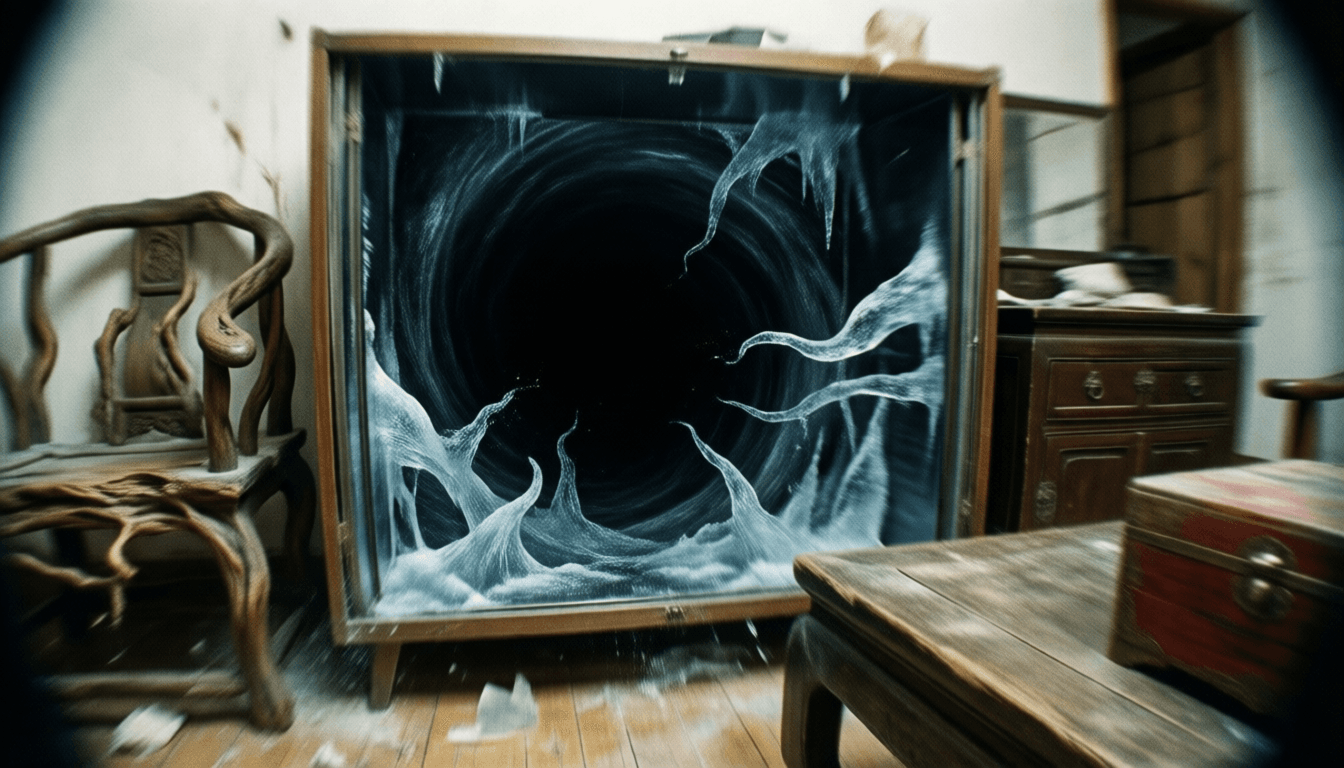
My patience worn thin, I exerted more force, intent on fully opening the display case door for photographic documentation. Suddenly, with a sound not of wood breaking, but something else, a deep, internal fracture, the door sprang open. Immediately, the attic air grew impossibly heavy, crushing my lungs. I gasped and struggled for breath, as if submerged in deep water. My vision blurred. The surrounding stacks of old books and furniture began to vibrate violently. A nearby armchair, previously solid, seemed to compress inwards on itself. Its wooden frame twisted like wet paper, then burst in a silent explosion of dust and splinters. I tried to step back, but an invisible, unyielding force pinned me against the wall. It wasn't just pressure; it was an active restraint, simultaneously cold and scorching. The now fully open display case door revealed not an empty compartment, but an absolute, all-consuming black vortex that pulled at the edges of my perception, threatening to unravel my sanity. A deep, bone-chilling whisper vibrated through my very marrow. It was not words heard, but words felt. An ancient, desperate plea for liberation instantly morphed into an overwhelming murderous intent. My vision tunneled. The last sensation registered before the black darkness consumed me was the feeling of impossible, icy tendrils wrapping around my throat, tightening.
Hours later, I lay outside the house, trembling violently. My throat ached, and a deep tinnitus rang in my ears. The chill that had permeated the attic now clung to my body, an internal cold that no amount of clothing or warmth could dissipate. My camera was shattered, its memory card corrupted. My gloves were torn, and a clear red bruise marked my neck. I stumbled to my feet. The world was a disorienting fog. I tried to re-enter the house, to verify what I had experienced. But the attic stairs were gone. Not destroyed, not boarded up. They were simply absent. Where the stairs should have been, the second-floor floorboards extended smoothly to the wall, as if they had never existed. The house itself… seemed even quieter. Not the oppressive silence from before, but an empty, almost content stillness. There was no trace of the display case anywhere. No broken wood fragments, no disturbed dust. It was as if the entire event had been erased from physical space, leaving only the indelible cold in my bones and the sharp, silent scream in my throat.
Days later, back in my office, the faintly shimmering Hebrew characters I'd seen in the display case began to appear, momentarily and impossibly, at the edges of my documents, on my computer screen. And one morning, a new post appeared on a small, obscure historical society forum. A harmless inquiry from a new user. It was about an 'intriguing antique wooden display case' recently acquired at a rural estate auction. It mentioned faint, almost seeped-in Hebrew characters. The post contained no further details or warnings, only a quiet, unsettling invitation. I stared at the cold spot on my desk: a permanent, perfectly circular mark of absolute zero where my coffee cup had rested. The archive wasn't just a collection of information. It was a spreading infection, and I was now its silent carrier.

[ CLASSIFIED VERDICT ]
[ACCESS LOG - SOURCE FILE]
This story is based on an urban legend rooted in the infamous Jewish folklore surrounding the 'Dybbuk Box'. This box is said to imprison a malevolent spirit called a 'Dybbuk', known for bringing misfortune, illness, and terror upon its owners. It is widely believed that opening the box releases the Dybbuk, allowing it to possess the owner and wreak havoc on their surroundings.