Engineered Silence
Official records, once considered immutable truths, were often nothing more than sieves straining reality. Consider the events surrounding February 21, 1965. For nearly sixty years, the official narrative held firm. Yet, in November 2021, the convictions of Muhammad Aziz and Khalil Islam, who had been found guilty of assassinating Malcolm X, were vacated. This unprecedented judicial reversal, rooted in decades-old evidence re-examination and the exposure of concealed FBI and NYPD files, tore at the fabric of sanctioned history. The immediate questions shifted beyond merely ‘who’ else was involved, to ‘what’ else was covered up. Whispers, long relegated to the fringes of online forums or academic footnotes, began to converge on a peculiar detail: an 'erased witness' listed in early, unarchived internal police memos. A name which, when cross-referenced with local government payrolls of the era, bore no documented association with the Nation of Islam or Malcolm X's inner circle, but rather, had records of association with federal intelligence agencies. The official explanation, released years later, vaguely cited 'administrative error.' But for those pursuing precise truth, an administrative error of this magnitude, tied to such a pivotal historical moment, was an anomaly to be dug into.
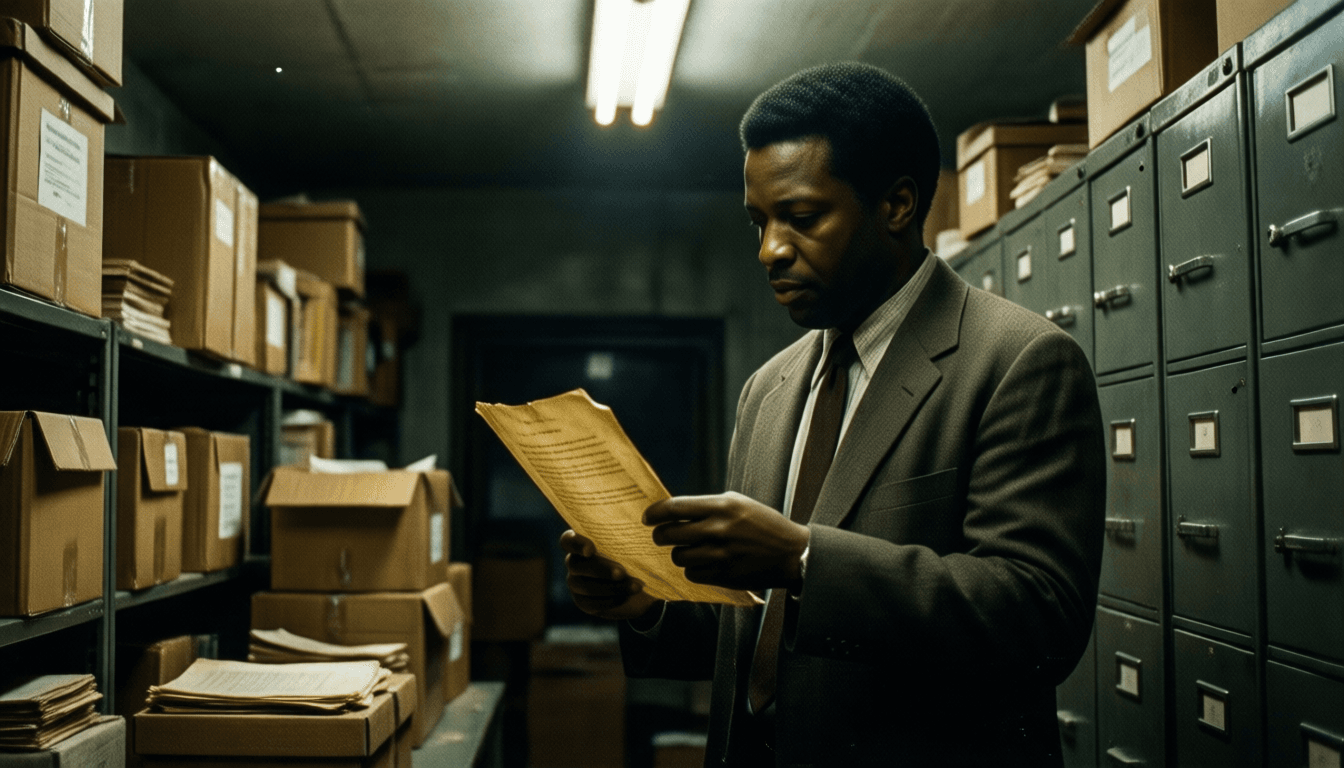
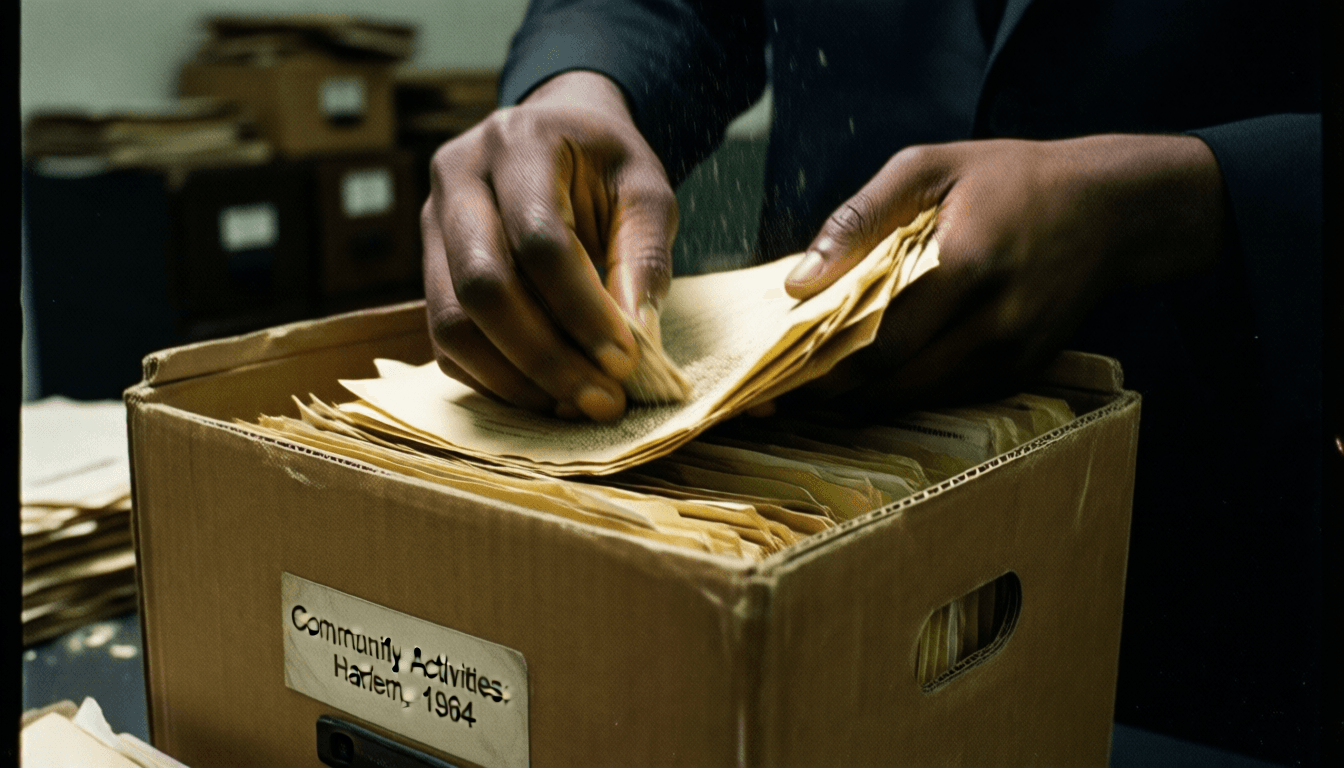
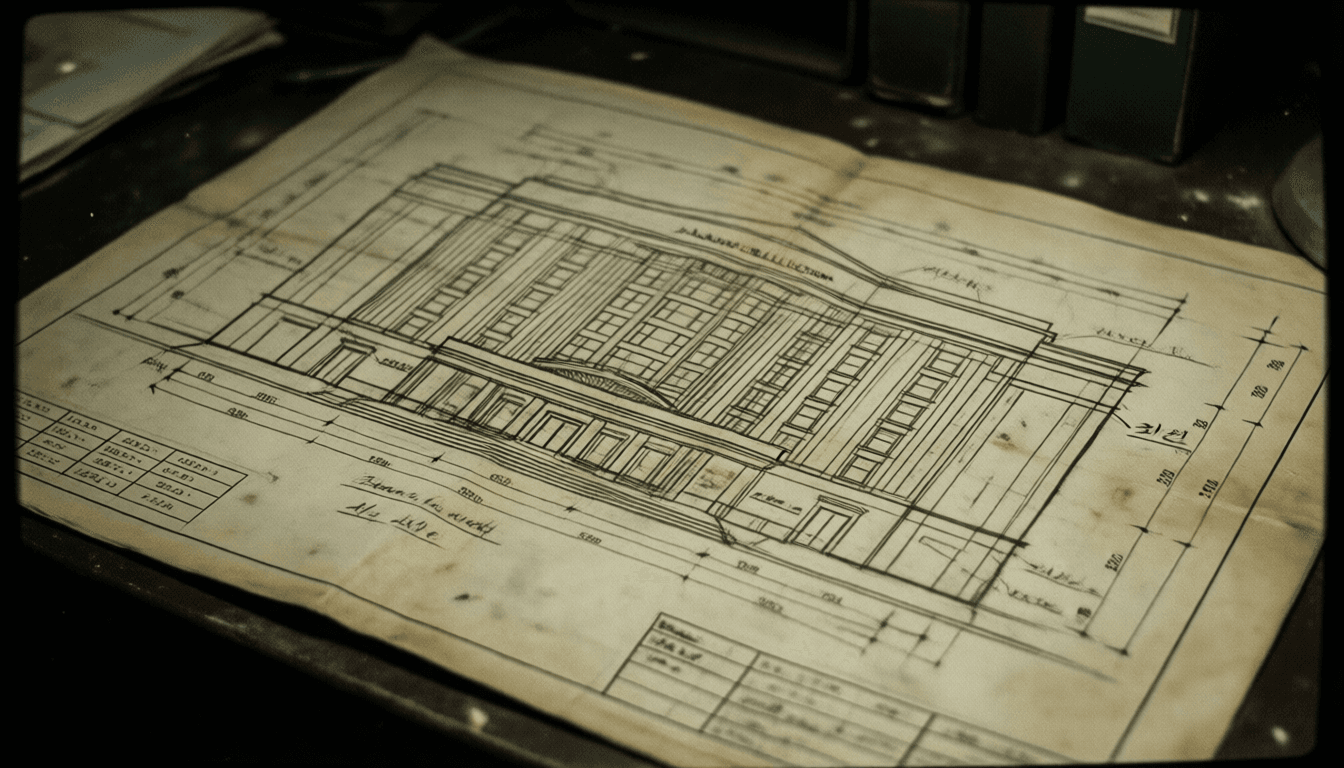
Our investigation began, as most do, in the decaying repositories on the city’s outskirts – places housing 'low-access' materials. Dust-laden cabinets held the operational remnants of the mid-20th century city: building permits, public works contracts, and crucially, ancillary police reports concerning specific historical incidents. Our focus was the immediate vicinity of the Auburn Ballroom on that fateful day. We weren't looking for a grand conspiracy, but for mundane, easily overlooked details that, when pieced together, might reveal an anomaly. The first few days yielded little beyond confirmation of what was already known. Then came a peculiar filing error. Within a box marked 'Community Activities: Harlem, 1964,' tucked between local dance promotion flyers and anti-poverty campaign literature, was a thin folder. It contained not activity materials, but a series of meticulously hand-drawn diagrams depicting pedestrian flow and security checkpoints around the Auburn Ballroom. Marked 'Internal Use Only,' the diagrams were almost obsessively precise, showing sightlines from adjacent buildings, emergency exit access points, even the exact angle of streetlights relative to the entrance. And what made them extraordinary was a series of small, penciled annotations in the margins. A single word underlined, accompanied by a three-digit military time code: "Delay."
The discovery of the cryptic diagrams shifted the investigation’s focus from mere confirmation to a more clandestine exploration. We began cross-referencing these diagrams with aerial photographs and newspaper accounts from the day. Initially subtle discrepancies began to accumulate. The diagrams indicated a dark sedan innocuously positioned at a specific point on St. Nicholas Avenue. Yet, traffic reports from the era – sparse as they were – had no record of such a vehicle at that time. More chilling was the acoustics. Internal architectural schematics of the Auburn Ballroom depicted a main hall with specific reverberation characteristics designed for public speaking. Yet, numerous witness statements of the shooting mentioned 'unnatural sound dampening.' Gunshots were muffled, screams swallowed. It was as if the very air had thickened, resisting sound waves. Back in the archives, late into the evening, in the quiet hum of old fluorescent lights and the absence of anyone else, a strange incident occurred. Reviewing microfilmed scans of a local community newsletter from February 1965, a specific page repeatedly failed to load. Not a technical glitch, but a consistent digital void appearing over a specific article. It was a short, almost innocuous piece about an 'upcoming community safety initiative' propelled by an ambiguous federal grant. Adjacent pages loaded perfectly. A digital ghost in the machine, a precisely bored hole where innocuous information should have been. The stillness in the archives pressed down, not a lack of sound, but an oppressive presence. As if even the dust held its breath.
Driven by the accumulating discrepancies and the inexplicable digital 'void' in the records, we sought a physical copy of that community newsletter. It was stored in a restricted 'special materials' vault, accessible only by special request. The vault was a windowless concrete room, sealed to maintain constant temperature and humidity, defying the passage of time. The sole copy of the newsletter was yellowed and brittle, folded within a larger binder of unrelated materials. As the delicate pages were carefully turned, revealing the 'Community Safety Initiative' article, a flash of insight struck. The article mentioned a pilot program for 'enhanced urban monitoring equipment' specifically deployed in Harlem's 'high-flow public assembly points.' It listed a prototype device code-named 'Echo,' designed to 'optimize the audio environment for public discourse.' A small, blurry photograph accompanied the article. Ostensibly a street corner photo, the background held an almost indiscernible outline. With painstaking digital enhancement, the outline sharpened. It was a small, metallic fixture subtly integrated into the exterior wall of the Auburn Ballroom building. It was positioned at the exact point where 'unnatural sound dampening' had been reported, and directly above where the 'ghost' black sedan would have been parked, according to the secret diagrams. The 'Echo' device, ostensibly for 'audio optimization,' was, by its design, a sound suppression mechanism.
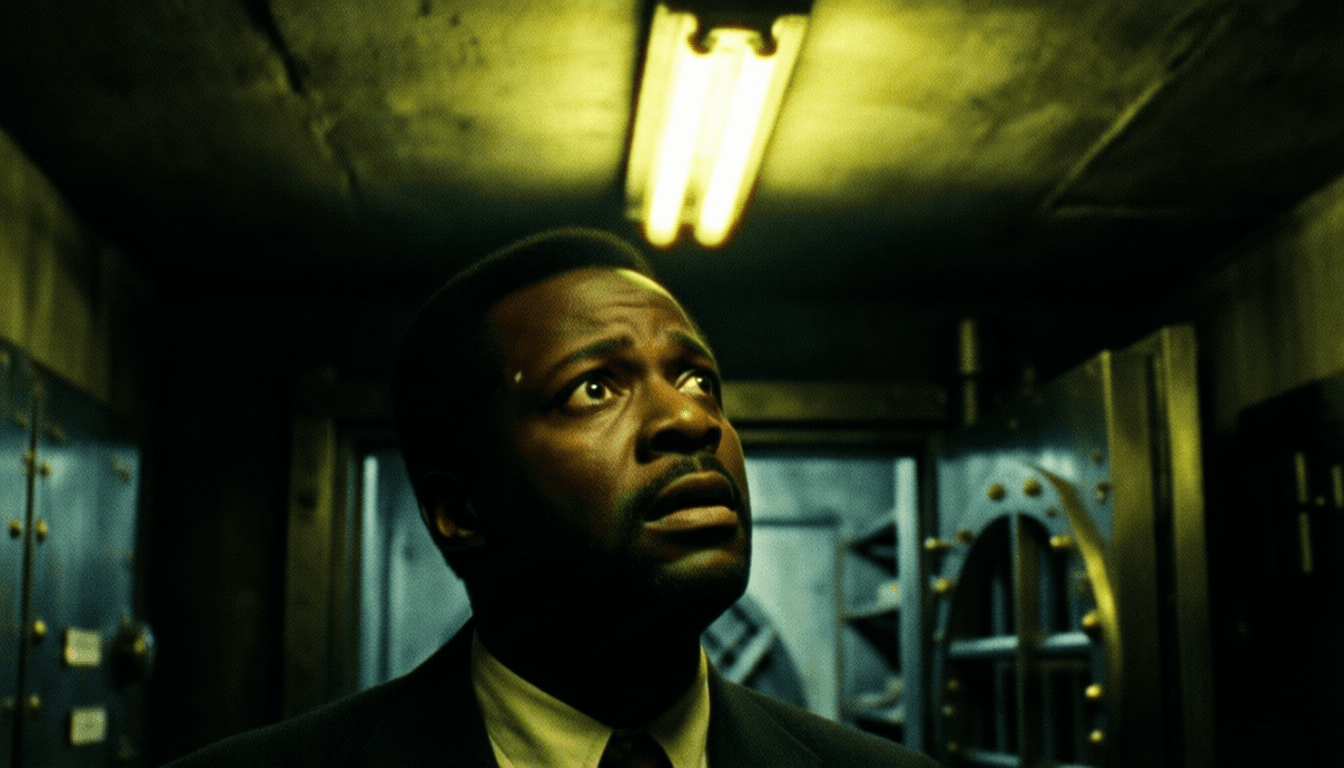
The final piece of the puzzle lay in a series of architectural modifications approved for the Auburn Ballroom in late 1964, specifically for an 'Interim Communication Repeater.' The blueprints specified power conduits leading to this point, designed for rapid installation and removal. The implication hit like a physical blow. The 'unnatural dampening' was not a subjective memory, but an engineered phenomenon. The official narrative, which relied on the chaos of the moment, suddenly became a calculated orchestration. Someone had 'removed' sound at that crucial juncture, creating pockets of acoustic confusion in a crowded room. The realization was immediate and visceral. The very 'physics' of the event – the propagation of sound, the observation of movement – had been subtly, yet fundamentally, twisted. Given this technology, the meticulously constructed official account was physically impossible. In the moment of this impossible truth clarifying, a deep hum began beneath the concrete floor, followed by a faint metallic 'click' from the slightly ajar vault door. The overhead lights flickered once, then dimmed. The vault was bathed in a sickly yellow glow. An oppressive quiet returned, deeper and more profound than before. It wasn't just the archives breathing; now, something else was listening, and reacting. The hum intensified. A low thrum that vibrated in the bones. Shadows detached themselves from the far wall. Not moving, but simply 'being' where they hadn't been before. It was the crushing weight of systemic power, the undeniable presence of the authority that had executed such a precise and terrible manipulation. This knowledge was now a burden, an undeniable threat. Escape was no longer a matter of prudence, but of urgent necessity. The air was thick with unseen pressure, and the 'click' of the vault door closing resonated like thunder in the abruptly manufactured silence.
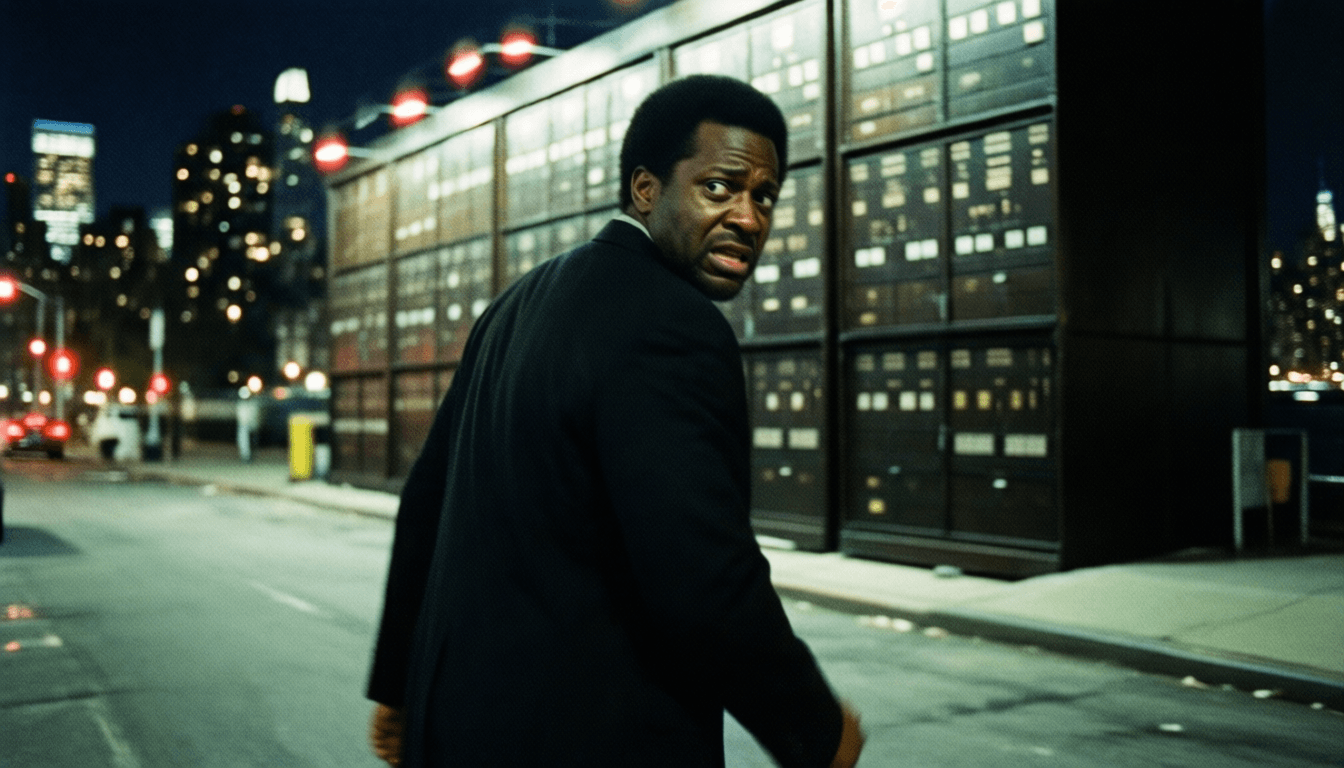
The escape was near-frenzied: a sequence of terrified movements and suppressed breaths. In the cold night air, the familiar sounds of the city seemed an overwhelming cacophony after the impossible quiet of the vault. The now-folded community newsletter felt like a leaden weight in the bag – it was evidence, an undeniable anomaly. But what to do with it? This revelation wasn't merely a 'who' but a 'how.' A chillingly precise manipulation of environment, a moment of enforced silence. Its implication extended beyond a single incident, suggesting a methodology, a capability to redefine the very nature of covert operations. The knowledge settled in the chest like cold ash. Every mundane sound now felt engineered, every shadow a potential observer. The hum from the vault was gone, but it echoed in the ears. The silence it had created – the engineered silence – was the true terror. A silence that swallowed truth. The official records, once doubted, were now understood not as blatant attempts to deceive, but as calculated fabrications intended to obscure an intricate mechanism of deceit. The seemingly normal world outside now felt like an elaborate stage. Some narratives were not merely encouraged; they were physically enforced. The image that remained wasn't the blurry photo of the 'Echo' device, but the sound of nothing, the calculated absence of sound. It remains to haunt us, a quiet terror, confirming that some truths are too dangerous to utter, and the forces that buried them are still active, always listening.
[ CLASSIFIED VERDICT ]
[ACCESS LOG - SOURCE FILE]
The assassination of Malcolm X stands as one of the most controversial moments in American history. Despite official narratives, rumors of deeper conspiracies and cover-ups surrounding the assassination have persisted for decades. The overturning of two convictions in 2021 further intensified these suspicions, fueling the belief that untold truths might still exist.