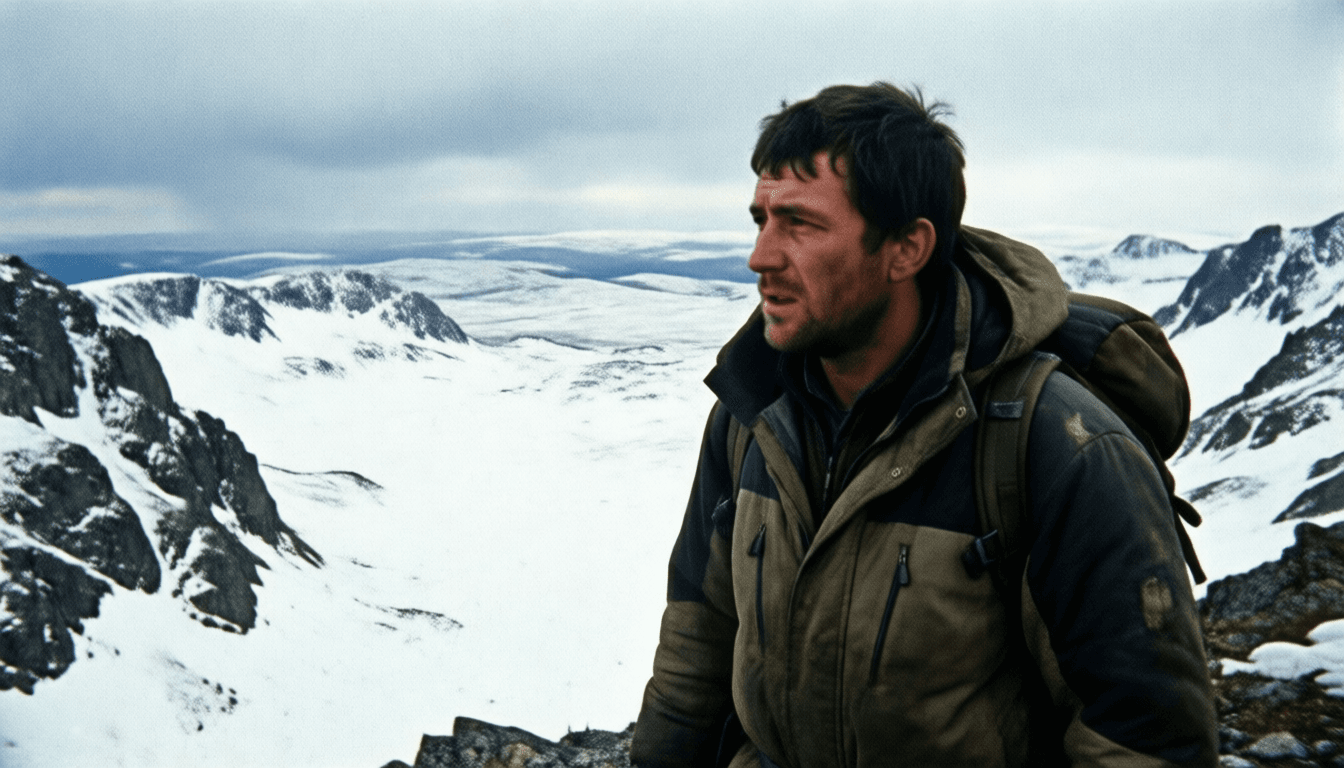
Echoes of Kholat Syakhl
Fragments of the 1959 Dyatlov Pass incident still circulate online: nine experienced climbers mysteriously dead, their camp abandoned, and their tent ripped open from the inside. The official report vaguely mentioned an 'unknown compelling force.' What haunted researchers wasn't just the mystery, but the chilling **details**: internal organ damage without external impact, skull fractures from falls that shouldn't have been fatal, a missing tongue, traces of radiation on clothing, and even reports of 'orange spheres' witnessed in the sky. Conspiracy theories ranged from military weapon tests to unidentified creatures. However, in 2017, a subsequently deleted anonymous post mentioned a **second, smaller expedition** that occurred approximately 20km west of the original incident site, on another unnamed ridge within the Kholat Syakhl mountain range. The poster, who called themselves a 'disaster tourist,' described an equally inexplicable scene of abandoned equipment, with the added detail of a faint distress signal containing only static and what sounded like human screams **being rewound**. No bodies were found at this second site, and the incident was quickly dismissed as false or mistaken. But the silence, and the specific details echoing the original tragedy, resonated ominously within me. This report aims to uncover the truth behind such 'echoes.'
I embarked on a solo expedition, following the coordinates from the deleted post. It was a desolate, wind-scoured mountain saddle nestled between two unnamed peaks in the Northern Ural Mountains. Despite being late autumn, the air cut like an Arctic blade. The monochrome landscape of endless rock and snow was vast and indifferent. I set up a minimal bivouac to shield against the relentless wind. The silence here was profound; a heavy blanket that swallowed even the rustle of my footsteps. My first goal was to find the physical debris described in the post. The wind howled ceaselessly, like a mournful wail. I found no abandoned camps or equipment, only endless snow and old, twisted pines. Yet, the ground here felt different. A subtle, almost imperceptible vibration, like a massive engine running far away, emanated from beneath. My Geiger counter, which I took out just in case, detected no abnormal radiation. Nevertheless, a heavy, cold unease settled upon me. It wasn't the feeling of being watched by a predator, but a distinct sense of being observed by **the landscape itself**.
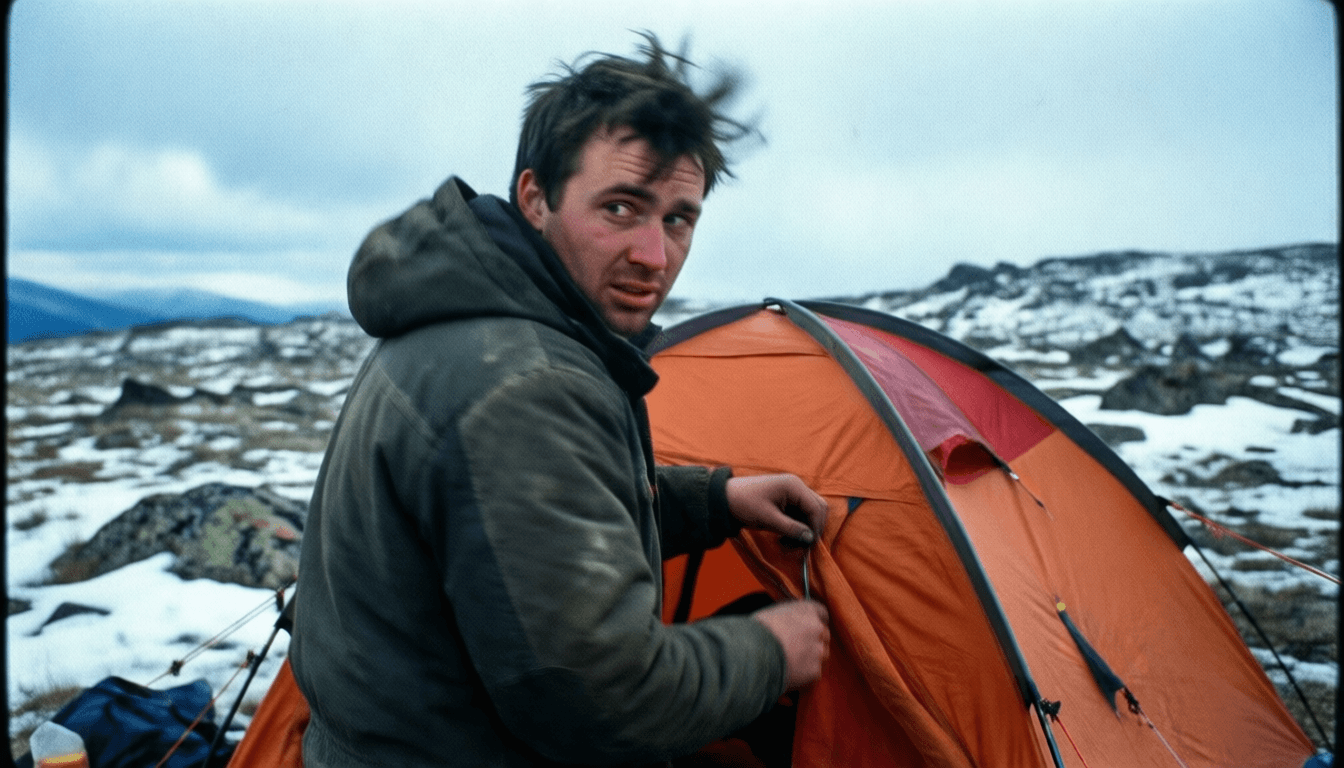
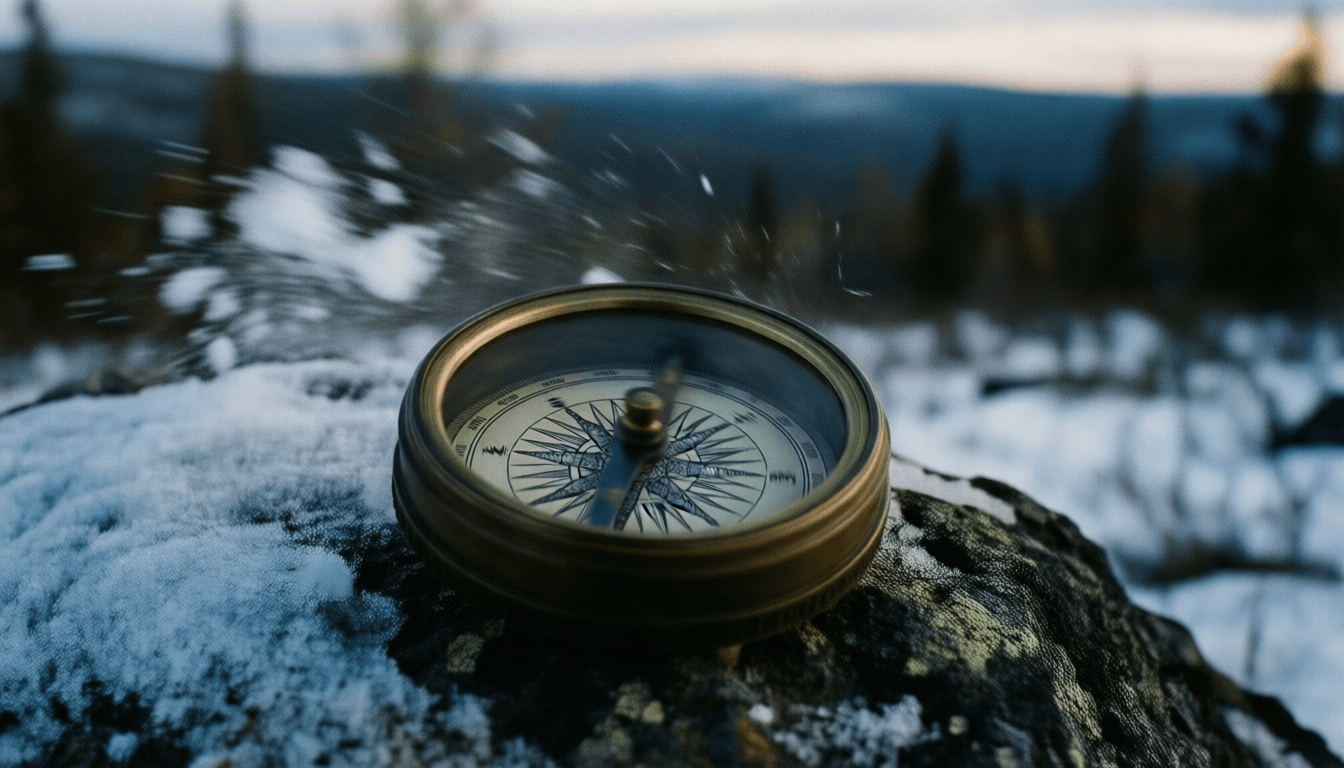
As twilight bled into an overwhelming, starless night, the anomalies began. The steady, howling wind abruptly died. The silence that followed was absolute, terrifying. It wasn't the natural quiet of a remote wilderness, but a vacuum, as if sound itself had been sucked from the air. I could hear the blood rushing in my veins, the frantic thump of my heart against my ribs. And then the snow began to move. Not from a blizzard or a gust, but in localized eddies, as if an invisible hand were stirring sugar. One patch near my tent seemed to move **uphill** for several seconds before collapsing back into a flat layer. My compass spun wildly, then settled on a random, unmoving direction—southwest, deep into the mountain—defying its internal mechanics.
My headlamp flickered, its light unnaturally distorted, casting long, eerie shadows. A faint, high-pitched humming began, coming from **everywhere at once**. The sound subtly warped my sense of distance. Despite the sub-zero external temperatures, the temperature inside my tent fluctuated erratically. One corner momentarily dropped to an unimaginable -50°C before returning to normal, leaving behind icy marks on the fabric. I recorded this with my thermal sensor, but the data itself appeared corrupted, showing as unintelligible, chaotic waveforms.
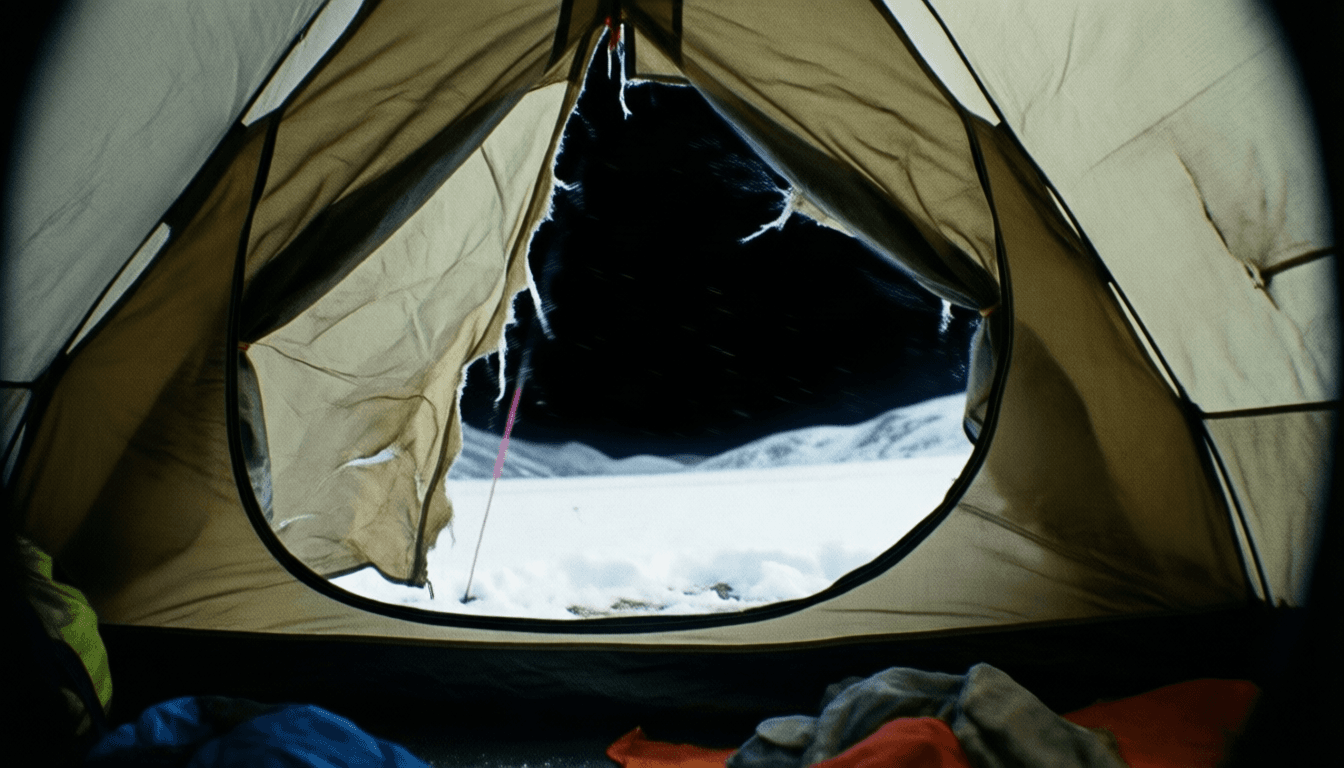
The humming intensified, becoming a painful, skull-piercing resonance. My ears popped, and a sudden, immense pressure built up internally. I fumbled for my satellite phone, but it was dead, its screen a blank mirror. The tent itself began to buckle inwards, not from wind, but from an invisible, omnipresent force. The fabric stretched taut, groaning, as if bearing the weight of an unseen ocean. I heard a tearing sound, but it wasn't from outside; it was from **inside** the tent. A seam on the floor ripped open, exposing bare earth.
Through the gap, I saw it. It wasn't a creature. It was a momentary distortion in the air, a pure **black distortion** cast over the snowy ground. A faint internal light pulsed within it, like a heart made of shadow. The pressure soon became unbearable. It wasn't merely external; my very bones felt compressed, my lungs struggling against unseen shackles. I gasped, a rattling sound swallowed by the distorted air. A sudden, sharp 'crack' echoed from my chest. Internal damage, with no contact. I crumpled in a wave of nausea and agonizing pain. The air became impossibly cold, draining all warmth, yet paradoxically felt burning. My skin was simultaneously frozen and scalded. As I gasped and fumbled for my ice axe, the black distortion seemed to **flow** towards me, not moving across the ground, but **warping** the space between us. A precise, sharp pain erupted in my left thigh, as if struck by a blunt, heavy object, yet there was nothing there. I thrashed, eyes closed, barely managing to rip open the tent's entrance. The outside world was a dizzying maelstrom of snow and static, crackling in the air. I tumbled out, the crushing pressure momentarily released. I gasped, convulsing, leaving behind the impossible tear in the tent and the chilling internal trauma that would define my escape.
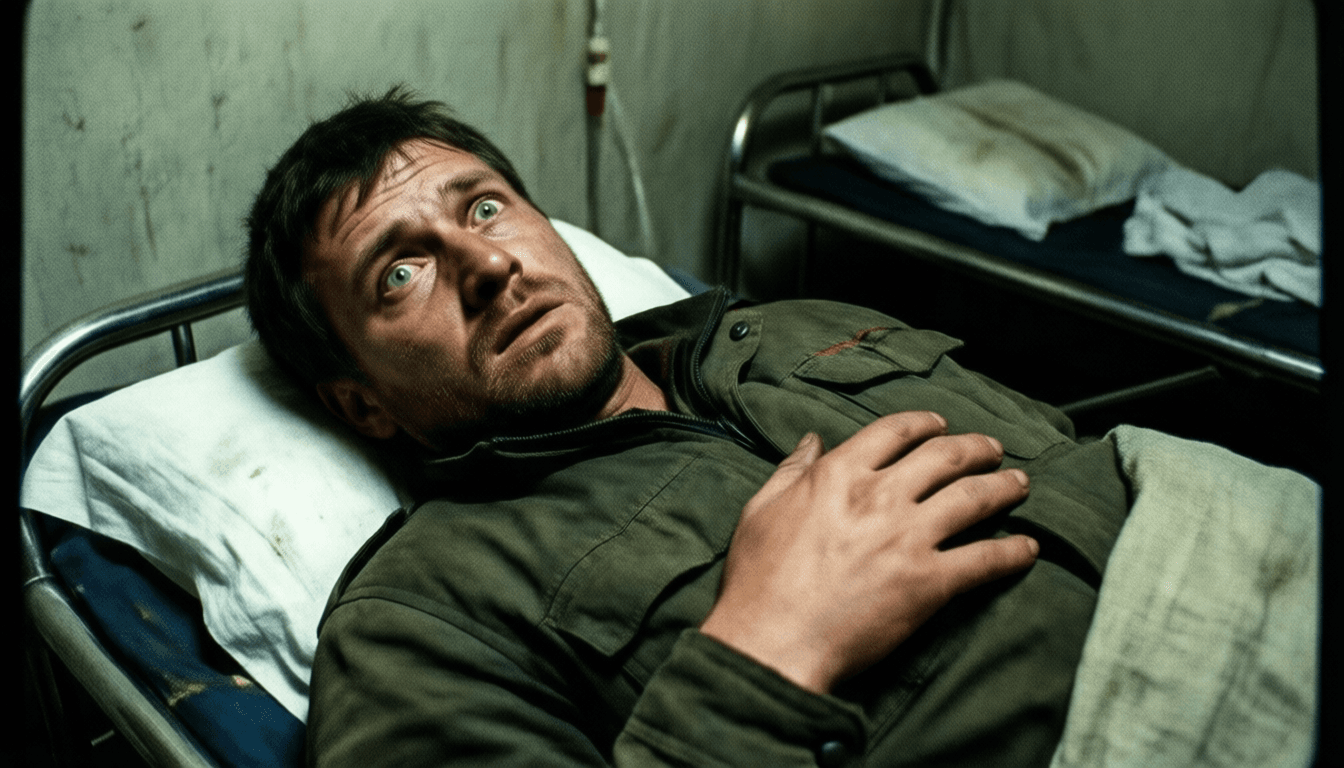
Days later, I awoke in a remote medical outpost. A search and rescue team had pulled me from the snow, inexplicably stating that my distress beacon, which I had confirmed was dead, was **still active**. My physical condition was a medical anomaly. My left thigh bore a deep bruise, unlike any known impact, and X-rays showed no bone damage. More shocking was the fractured rib: **a single** clean break, with no evidence of external force, consistent with internal trauma from a severe deceleration impact, an event I had not experienced. Doctors attributed it to hypothermia and hallucination—a common diagnosis for isolated survivors.
My backpack was mostly intact, but my digital voice recorder contained only static, save for one chilling segment. A 1.7-second human whisper seemed to be **played backwards**, the words unintelligible but resonating with an unearthly cadence. My thermal sensor, after data corruption, recorded one final, anomalous reading: a localized temperature drop to -70°C at a distance of 1.2 meters, precisely when my agony had peaked. The coordinates roughly pointed to **inside my tent**.
The incident was closed as 'unexplained climbing accident.' Yet, I still feel it. The phantom pain of the broken rib, the dull ache in my thigh that pulses with the cadence of that unheard whisper. What I experienced was neither natural phenomenon nor delusion. It was a precise, calculated **action**. I saw no entity, but I felt its presence, its **intent**. And I still hear the silence—the impossible, heavy silence that precedes its touch. The 'unknown compelling force' was not just a convenient Cold War excuse. It was an accurate description. And it still waits, in the bleak, forgotten corners of the Ural Mountains, ready to exert its incomprehensible pressure. It leaves no footprints, only echoes in the broken minds and shattered bones of those who venture too close. And it knows I got away.
[ CLASSIFIED VERDICT ]
[ACCESS LOG - SOURCE FILE]
The 1959 Dyatlov Pass incident in the Russian Ural Mountains involved the mysterious deaths of nine experienced climbers, officially attributed to an 'unknown compelling force'. Gruesome details, such as internal organ damage without external impact, inexplicable skull fractures, a missing tongue, and traces of radiation on clothing, have left the incident a chilling mystery for over half a century.