Distortion in the Forest: The Return of the Hodag
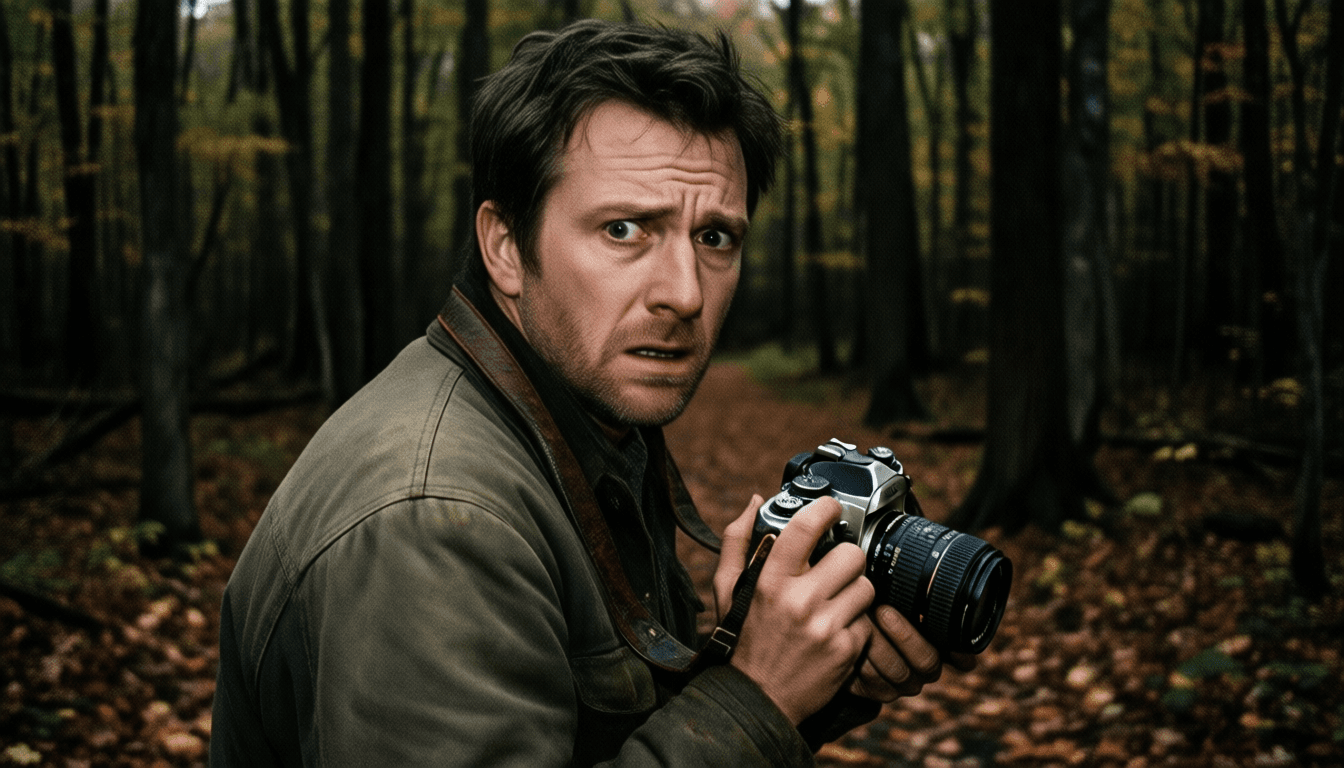
The Hodag had been a friendly mascot in Rhinelander, Wisconsin, for decades. Its horned, fanged likeness proudly adorned signs and souvenirs, seen as a harmless relic born from a logger's prank. But late last autumn, a different kind of Hodag story began to surface. Online forums dedicated to Wisconsin's wild spaces saw increasingly disturbed posts. A seasoned hunter reported a vile stench in a remote section of the Chequamegon-Nicolet National Forest, describing it as "the smell of decay and ozone, damp iron and freshly caught prey." More unsettling was a deep, resonant growl that vibrated through the ground. This sound was always preceded by an inexplicable silence; many reported that even on warm days, bird songs and insect noises completely vanished. Most chillingly, multiple trail cameras set up by local wildlife enthusiasts had either malfunctioned or gone missing entirely. A few recovered cameras showed corrupted files, often just frozen frames, but one camera, belonging to a missing wildlife photographer, offered a macabre clue. The last geo-tagged image, just before its battery mysteriously drained, showed a section of the forest engulfed in an abnormally dark, heavy mist. A damaged audio file recovered with it, amidst the static, allowed a local university sound expert to isolate a low-frequency rumble inconsistent with any known animal, followed by a wet tearing sound, and then complete silence. The camera was found weeks later, placed on a fallen log miles from its last known location, remarkably clean, with no fingerprints or signs of human contact. Locals dismissed official explanations of bear attacks or mental illness, whispering of the Hodag's return, now with a horror absent from old campfire tales.
Armed with the missing photographer's last coordinates and a growing sense of unease, I, an archivist specializing in local folklore and anomalous phenomena, drove down a logging road leading into that section of the Chequamegon-Nicolet National Forest. Despite the late autumn sun still being high, the air grew noticeably colder and heavier. The dense canopy overhead seemed to swallow all sound, amplifying even the rustle of dry leaves underfoot in the dreadful silence. No bird chirps, no bustling squirrels, no distant hum of logging equipment broke this oppressive stillness. The foul odor mentioned in reports was even stronger here, clinging to the damp air like a physical presence. A metallic, briny smell mingled with an ancient, musky scent, like a rotting swamp but far more potent. The path underfoot was strangely disturbed. There were no broken branches or clear footprints, yet large sections of leaf litter were swept aside as if by something immense, with no compression marks in the soil beneath. It defied the usual laws of forest floor physics. Deeper in, near a cluster of ancient pines, a piece of the missing photographer's equipment was found: a high-end lens cap, not merely scratched but partially melted and warped into a grotesque, unnatural shape. Yet, there were no signs of burning or scorching anywhere.
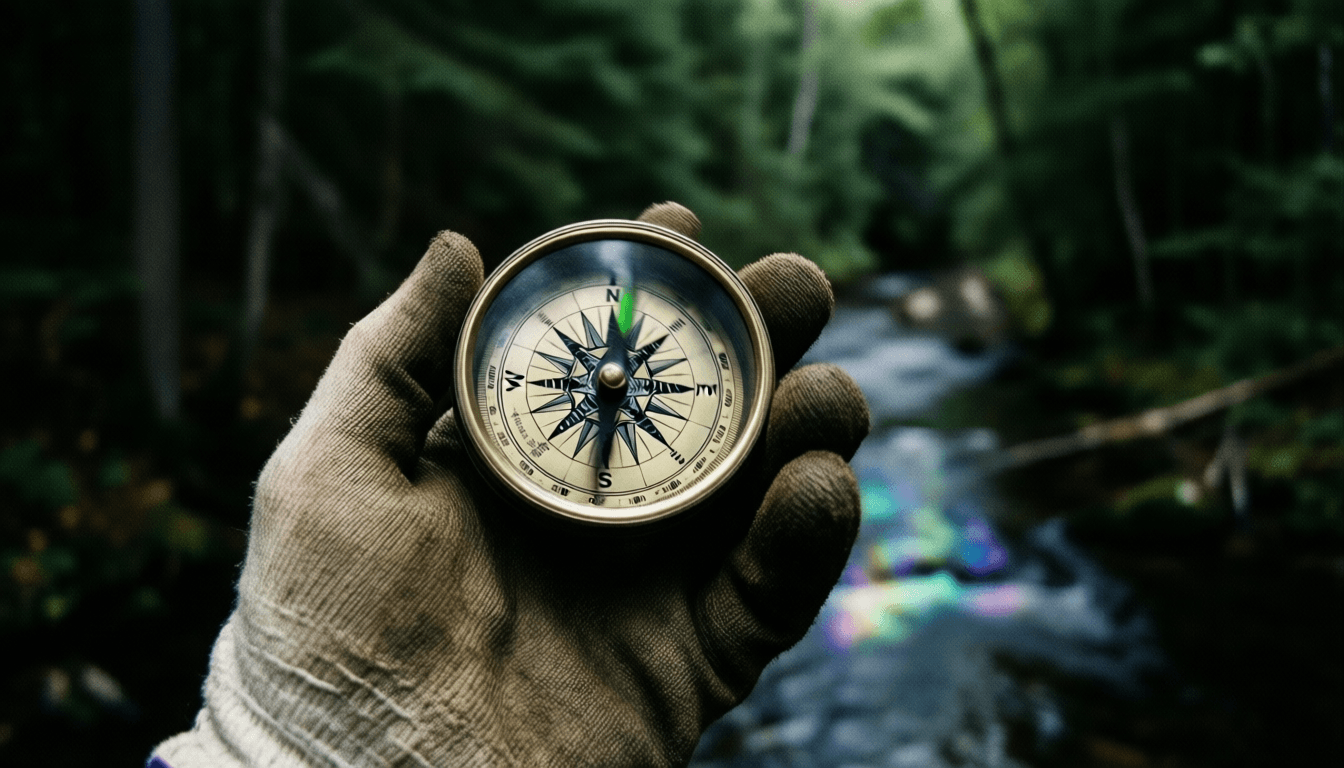
As I ventured deeper, the silence transformed into a deafening physical pressure, my own heartbeat thundering in my ears. My normally reliable compass spun erratically, and my GPS receiver continuously tried to acquire satellite signals, but despite being fully charged, its screen soon flickered and went completely dead. The repulsive stench was now a constant, nauseating presence, bringing tears to my eyes and tightening my throat. A small, clear stream flowed across a hollow. Its surface shimmered with an unnatural iridescence, reflecting the cloudy sky in distorted, swirling patterns that didn't match the gentle current at all. In some places, the water seemed to hesitate, forming eddies that flowed upstream for several meters before reluctantly rejoining the normal flow. This subtle defiance of physical laws made me disoriented and stopped me in my tracks. At the edge of my vision, I caught glimpses of dark, swift movement—a massive shadow between the trees—vanishing the moment I turned my head. Broken branches were found, seemingly snapped with immense force, their breaks impossibly clean, almost surgically severed, with no splinters. The deeper I went, the less the forest felt like a natural environment, and more like an intricately crafted trap, with an unseen presence orchestrating every peculiar detail. A low growl finally broke the silence in the distance, not through the air, but vibrating through the ground. The sensation traveled through the soles of my boots, a sound more felt than heard, seeming to emanate from all directions at once.
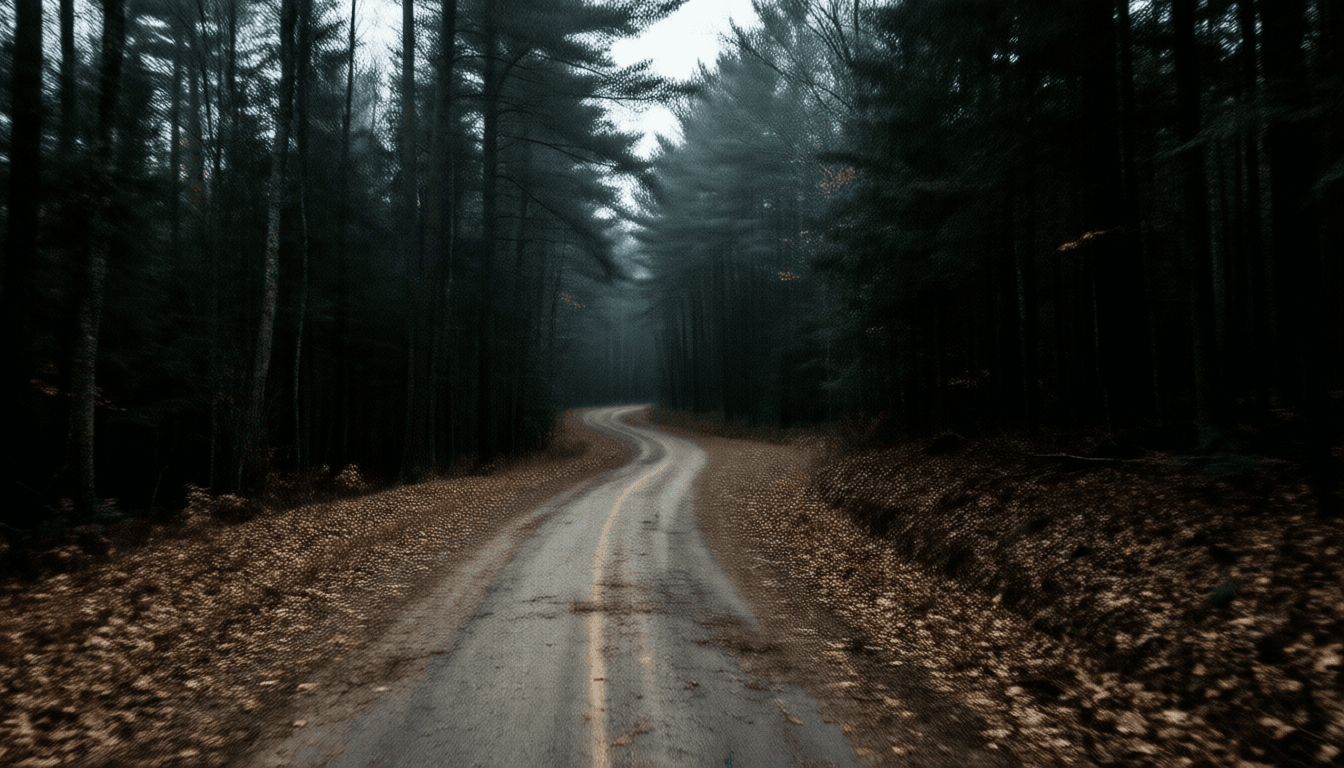
Rounding a stand of ancient, moss-covered cedars, I stepped into a small, eerily open clearing. The air here was thick and heavy with the putrid stench, almost viscous, making it difficult to breathe. In the center of the clearing stood a single, massive pine, its bark twisted and scarred. Its trunk bore incredibly deep gouges, revealing pale inner wood, too large and too regular to be natural. As I approached, a ground-shaking rumble erupted, not just reverberating through the air, but vibrating through the very earth beneath my feet. It was a physical force, disorienting, causing a momentary deafness and a painful ringing in my ears.
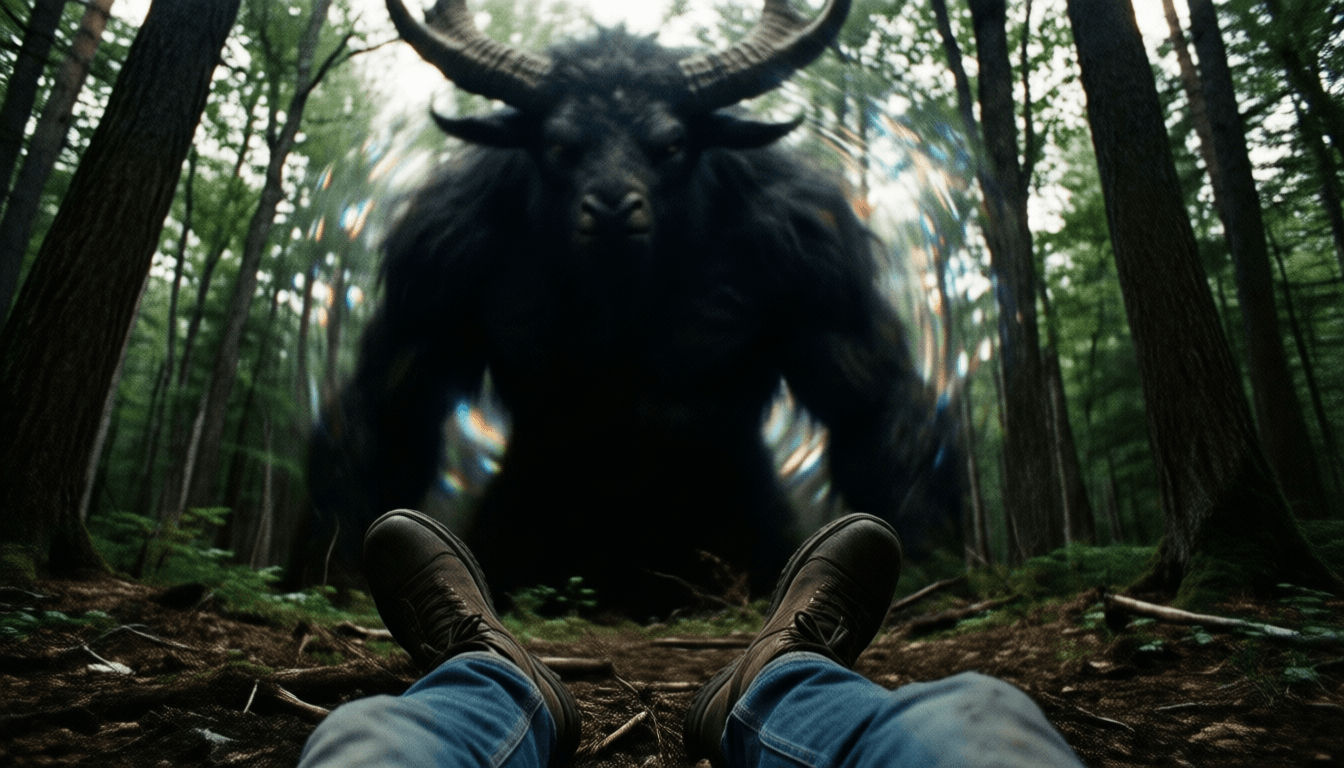
The air directly in front of the ancient pine visibly distorted, shimmering like a heat haze before slowly condensing. From that distortion, a massive, hulking form began to materialize. It was never fully defined, yet its immense scale was undeniable. Short, thick horns rose from a broad, low head, and tremendously muscled limbs would have ended in enormous claws. Its surface seemed to absorb light, appearing as a moving void, and a chilling, palpable malevolence radiated from its very presence.
I tried to flee, but the ground beneath me instantly turned soft and pliable, trapping me up to my ankles as if in a suddenly solidified quicksand. As terror surged, the creature closed the distance not by running with horrifying, impossible speed, but with a series of afterimages, as if phasing through the clearing. It struck. Immense destructive force slammed into my back and shoulders, sending me sprawling. Incredibly sharp claws raked down my spine and shoulders, unleashing a searing, indescribable pain that tore through flesh. The sensation was beyond mere tearing; it was a bizarre, agonizing annihilation of tissue.
As the creature tilted its head at an unnatural angle, preparing for its next attack, my hand instinctively clenched. A blinding flash suddenly erupted from the recovered camera of the missing photographer, which I still held in my other hand – perhaps an electrical surge from the creature's proximity. The Hodag recoiled with an enraged growl, and I seized that agonizing moment of reprieve, wrenching myself free from the soft ground, leaving one foot behind, and scrambling back into the forest. The oppressive air now seemed to solidify around me, every movement a struggle. The Hodag's enraged roar echoed incredibly, simultaneously distant and chillingly close.
I was found hours later, disoriented, hypothermic, and bleeding profusely, having collapsed on an unfamiliar logging road miles from where I had entered. My car was nowhere to be found. When a passing hunter discovered me, I was muttering incoherently about "the silence" and "the smell." On my back and shoulders were three deep, curved lacerations. The skin around the wounds was not merely torn but strangely cauterized, its edges almost melted, healing into bizarre, raised patterns that never became fully smooth.
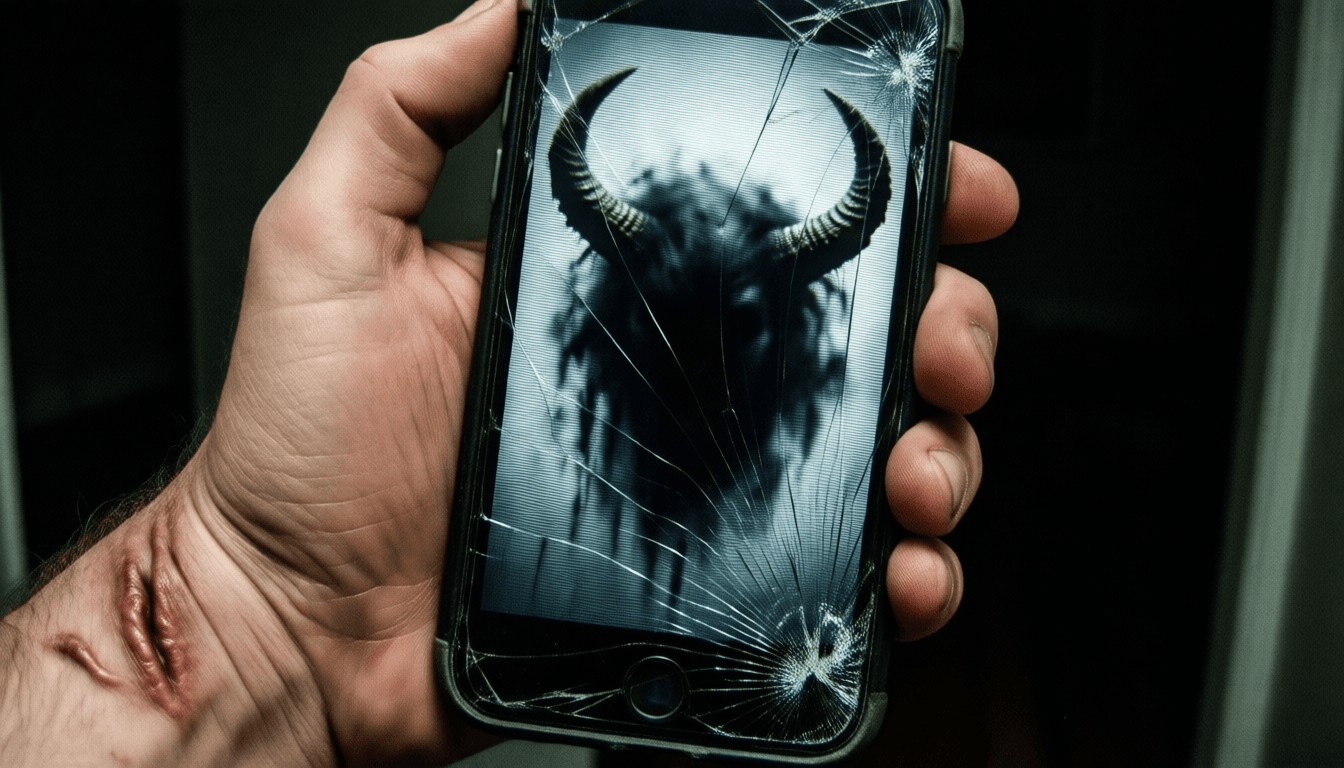
My recovered phone was almost completely drained, but a single corrupted image remained in its gallery. Taken just before my escape, it was mostly blurry and distorted, like a frozen frame. Yet, in the center, a void of absolute darkness was faintly outlined by shimmering distortion, holding an undeniable suggestion of something massive with short, thick horns. The image exuded an unsettling wrongness, like the trace of something that should not exist.
Weeks later, during my recovery, I stared at a map of northern Wisconsin. Tracing the familiar lines of the Chequamegon-Nicolet National Forest, I could still occasionally catch faint whiffs of that metallic, putrid stench, even in the heart of a bustling city, and sometimes felt the eerie sensation of an inexplicable silence descending around me, blocking out all ambient noise. I rarely spoke of "the Hodag" or even "the forest," only "the place" and the "unexplained anomaly" that remained there. Official reports attributed my injuries to a bear attack, though the anomalous nature of the wounds and the complete absence of bear fur or tracks at the scene were noted as "unexplained anomalies." Meanwhile, the wildlife photographer's camera is still classified as evidence in an "unidentified incident," and the sounds from its corrupted data continue to defy categorization. The stream in the hollow, I sometimes think, still remembers how to flow backward.
[ CLASSIFIED VERDICT ]
[ACCESS LOG - SOURCE FILE]
The Hodag is a creature from the folklore of Rhinelander, Wisconsin, USA, typically depicted as a horned, fanged beast. It originated as a hoax by a local man in Rhinelander in the late 19th century and evolved into a beloved local mascot, but in this story, it is portrayed as a much darker and more potent entity.