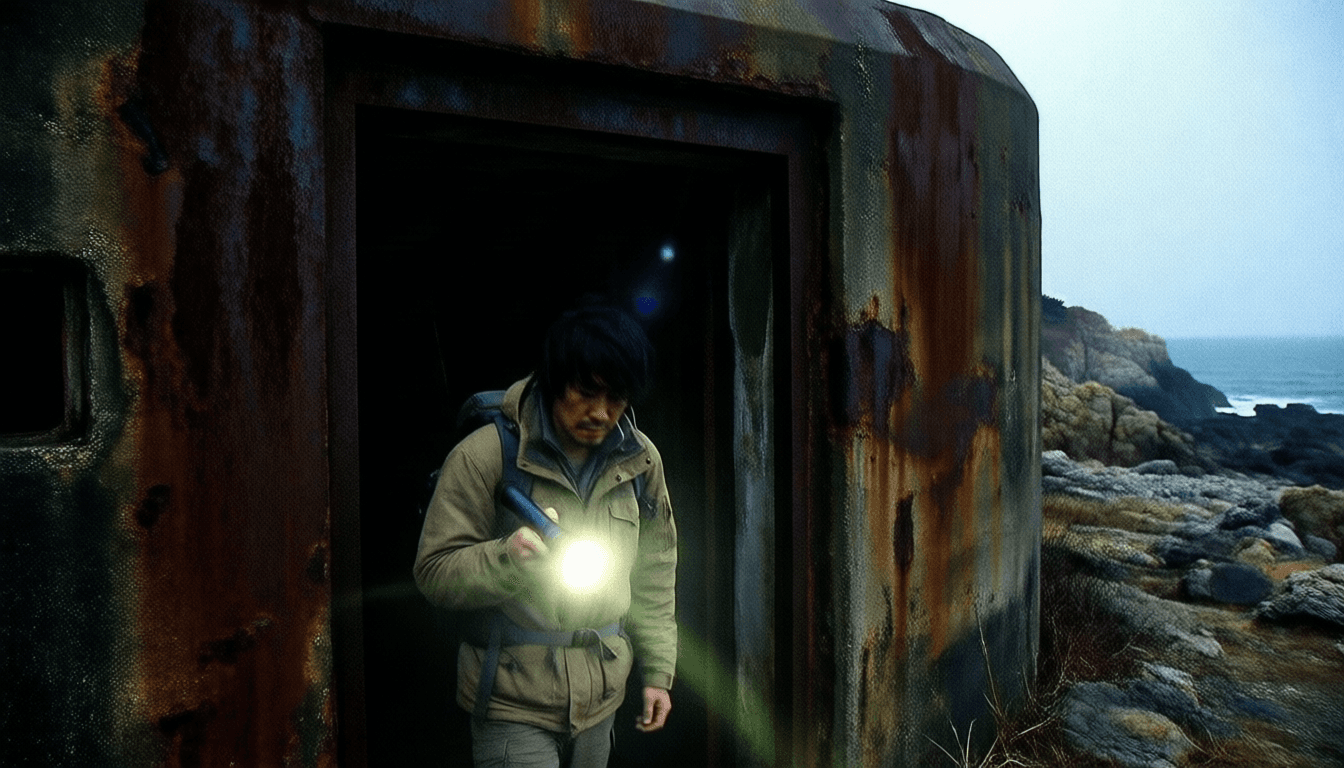
The Sea's Oblivion
Among the online forums dissecting conspiracy theories surrounding the Cheonan sinking incident, a peculiar detail was consistently mentioned: the sudden, unexplained deactivation of a specific coastal sonar array, known as ‘Delta Observatory,’ and its connected observation bunker. Officially stated to have been decommissioned years ago due to budget issues, this remote facility was situated on a rocky promontory overlooking the disputed waters. Yet, an anonymous post archived across various deep-web message boards presented a blurry satellite image, dated the day before the sinking, clearly showing recent vehicle tracks leading up to what appeared to be the sealed entrance of the bunker. The accompanying text was succinct: “Some things are not buried by sealing a door. The sea remembers what you wished to forget.” While dismissed as baseless speculation by official channels, this single unproven claim became a persistent source of dread among those who believed in a darker truth behind the official narrative of the naval tragedy. It was perceived as the phantom limb of a larger conspiracy—a place where sounds, signals, or silence might have been deliberately omitted, or worse, intentionally suppressed.
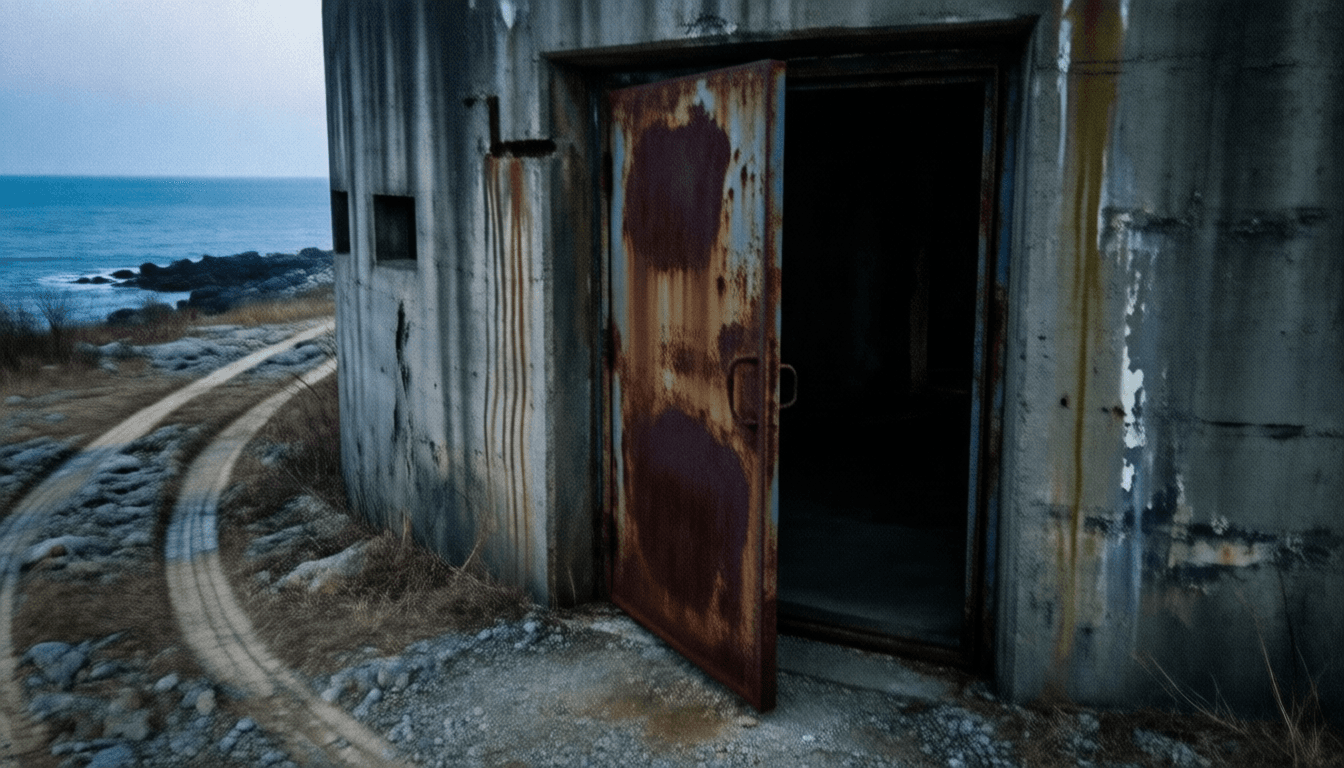
Lured by the incessant whispers online, I packed a modified marine sonar device and industrial endoscope, embarking on an unsanctioned access attempt to the outskirts of the decommissioned naval base, targeting Delta Observatory. The bunker’s entrance, sealed by rusted steel plates, eventually yielded to persistent, quiet effort. The air inside was thick with salt, mold, and a strange, metallic stench utterly uncharacteristic of an active naval operation. Initial rooms were empty, but a narrow, descending corridor spoke of a hasty closure. Saltwater dripped from pipes, its echoes distorted. The distant sound of waves seemed abnormally close, as if emanating from the concrete itself. This place wasn't merely abandoned; it had been meticulously cleared to an almost sterile state, every official record or equipment tag scrubbed clean without a trace.
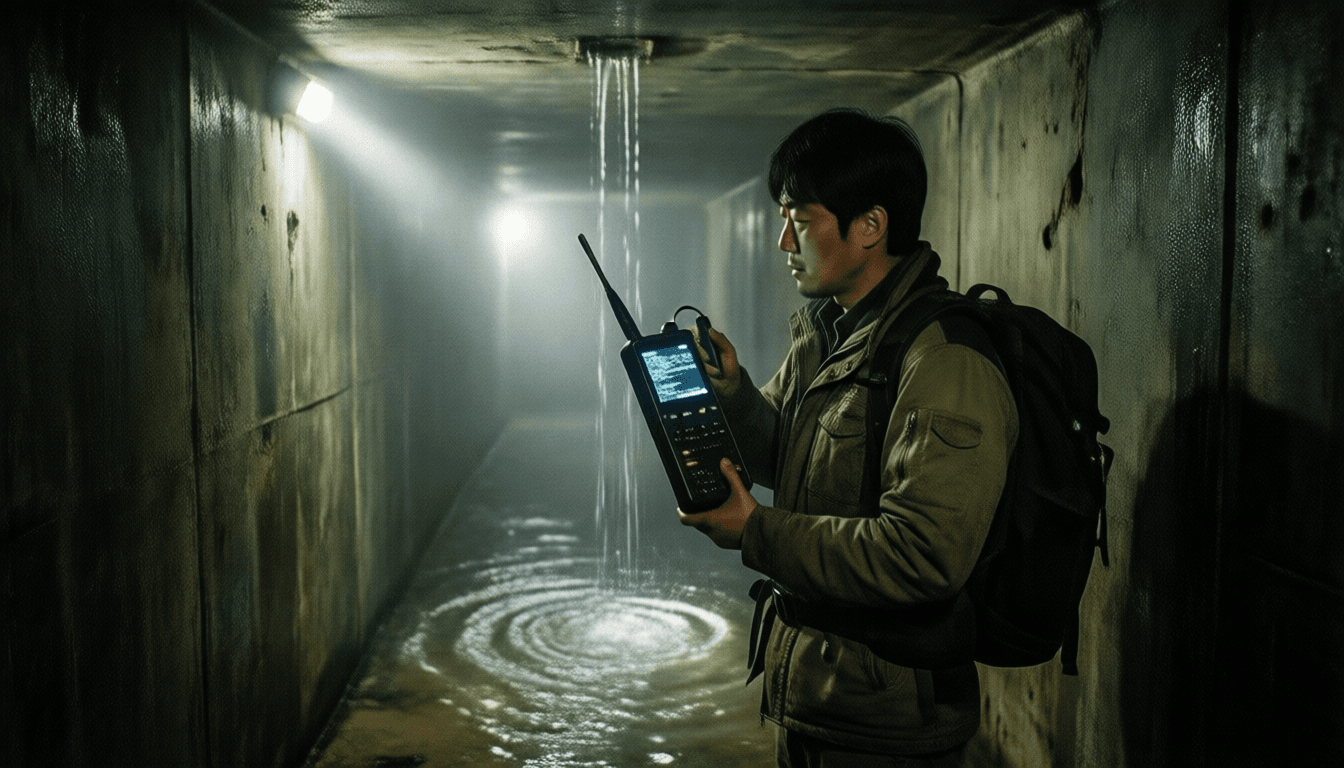
Deeper into the bunker’s lower levels, the environment began to subtly distort. In a sloped maintenance tunnel, stagnant pools of water exhibited counter-currents that defied gravity, or formed microscopic eddies too slow to be readily perceptible. Drops of water from the ceiling would hang suspended for too long, sometimes seeming to momentarily rise from the floor before shattering. My sonar, connected to a recording device, picked up not the expected gurgle of water or decay, but faint, distorted clicks and scrapes—a deep, horribly wrong, metallic groaning under immense pressure. When I spoke, my echoes exhibited erratic, abruptly truncated delays, as if sound waves struggled through an unseen medium.
Periodically, sudden, localized drops in air pressure would violently assault my eardrums, causing a momentary dizziness and disorientation, like being submerged underwater despite being in a dry concrete room. The sensation quickly passed but left a chilling cold tracking down my spine and an unpleasant awareness of physical vulnerability. In the deepest chamber, presumably the main listening room, even the dripping water and distant waves completely vanished. An unnatural, absolute silence pressed down, my own heartbeat sounding like a deafening drum. The air here was colder than anywhere else, a bone-chilling dampness that seemed to emanate from the walls themselves.
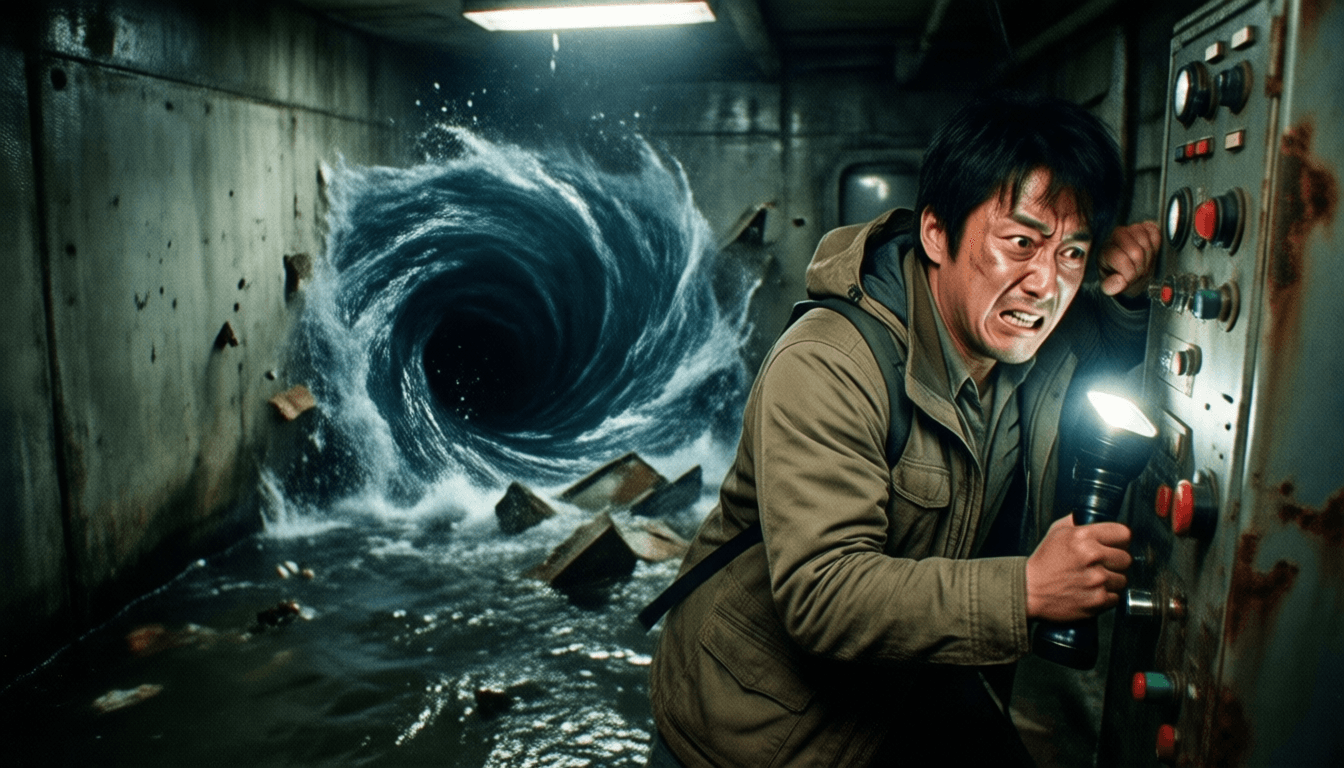
The deepest chamber’s silence was suddenly shattered. The sonar did not produce static, but a sudden, ear-splitting cascade of distorted, impossible noise. Tearing metal, furious rushing water, and something like an animalistic growl all converged, assaulting my bones with a terrible, localized acoustic force. Air pressure dropped violently for an instant, feeling like a physical blow to the chest. The room itself began to distort; concrete walls and floor subtly undulated as if viewed through dense water. From a point in the wall with no pipe or rupture, abnormally cold, foul-smelling seawater erupted. It did not flow along the floor but instead created a violent, localized vortex in the center of the room, sucking any loose objects into its impossible current.
I was flung against a rusted control console by an unseen, overwhelming force, feeling as if the entire weight of the ocean bore down on me. My ribs ached, breath forced from my lungs. It wasn't being pushed by water, but compressed by the environment itself. The saltwater vortex intensified, transforming into a coiling entity of liquid cold. It didn’t splash, it struck me with physical, bruising force. It coiled around my legs, pulling with immense, unyielding power, threatening to drag me into impossible depths within that confined space. The air filled with a metallic smell of ozone and something burnt, like flesh. I fought desperately to maintain consciousness against the crushing pressure and the assault of freezing liquid, feeling the integrity of my body tested to its limits. The cold permeated to my very marrow, trying to pull me completely under. This was not a ghost; it was the physical echo of a catastrophic event, embodied by an unexplained truth. It was trying to replay its horror.
I escaped, barely. My escape gear, inexplicably jammed moments before, ejected me into the cold night air outside the bunker with a sudden, violent release. The sonar recorder, though heavily waterlogged, contained fragmented audio. When later analyzed by experts, the acoustic signatures were bewildering: clear instances of hull breaches, harmonics of deep-sea implosions, and human voices, all layered and distorted, none matching any known source or acoustic profile. One segment, when isolated, contained a rapid series of clicks and low hums that aligned with no known marine vessel or geological event.
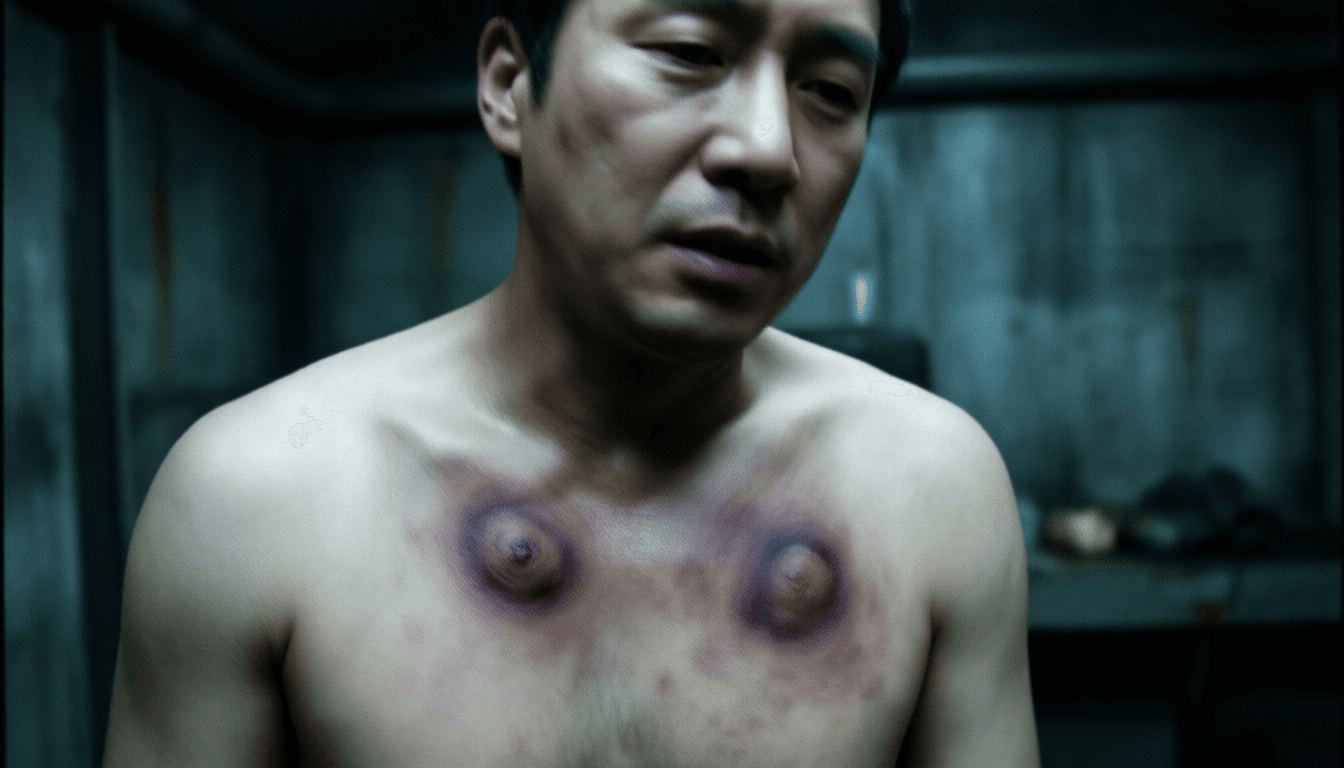
Physically, I suffered severe hypothermia despite the short exposure, and had inexplicable bruises on my ribs and one leg. Despite intact skin, deep, circular indentations remained, as if something massive and cylindrical had pressed with unimaginable force. Medically, it was unexplainable. Mentally, the phantom sensation of crushing pressure persisted: a constant weight on my chest and an unbearable, bone-deep cold, especially near water. The ozone and briny scent also followed me, sometimes faintly, sometimes overwhelmingly—an invisible stain that no amount of scrubbing could remove. The bunker was resealed, and the anonymous deep-web posts vanished. But I carried evidence not of a conspiracy, but of an event—physical trauma that, unclassified and unresolved, could still reach out from the cold, deep silence. The sea, it seems, does not forget. And sometimes, it finds a way to remind you.
[ CLASSIFIED VERDICT ]
[ACCESS LOG - SOURCE FILE]
Among the conspiracy theories surrounding the Cheonan sinking incident, the mysterious deactivation of a coastal sonar facility known as 'Delta Observatory' is frequently mentioned. Rumors that this facility was operational until the day before the incident, and that the sea remembers something that should not be forgotten, contradict official explanations and fueled public fear. This became a persistent source of dread among those who believed in a darker truth hidden behind the official narrative of a specific naval tragedy.