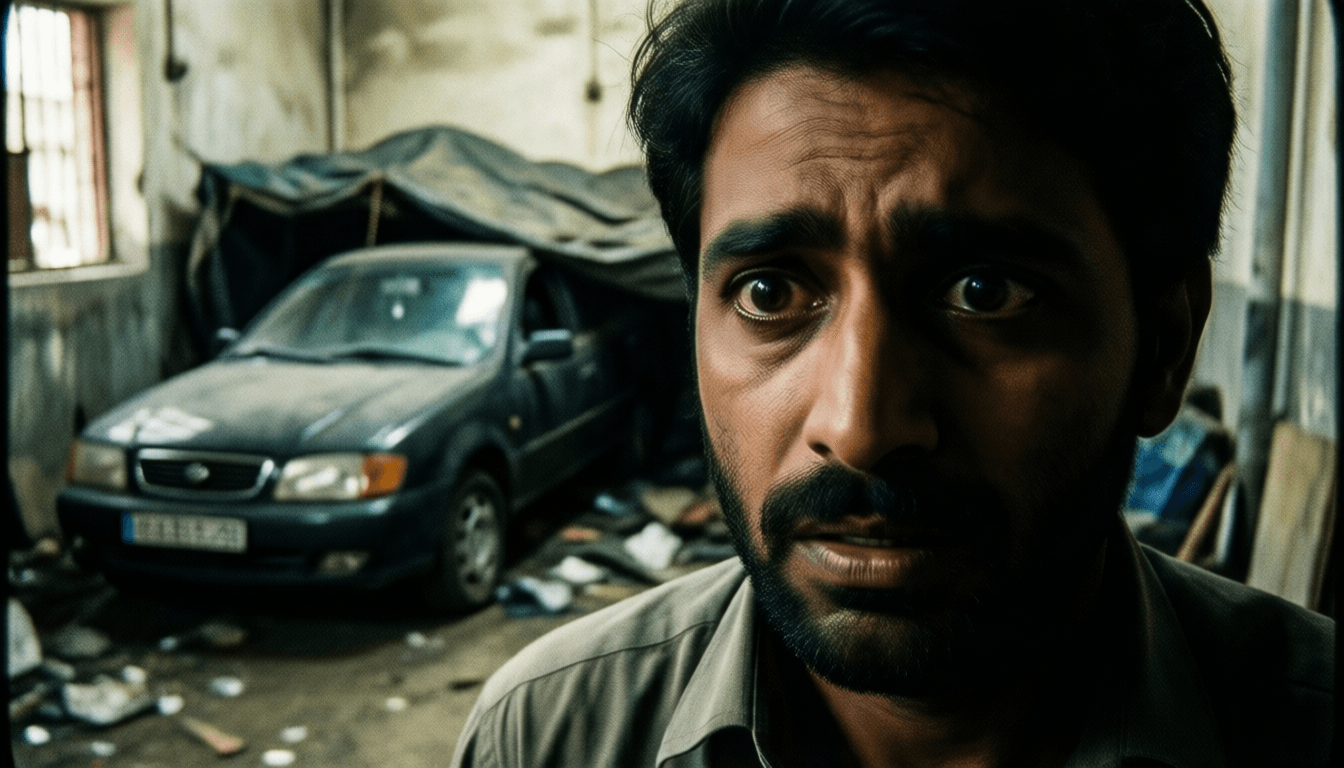
Cold Whispers: The Rawalpindi Mystery
Years after the dust settled in Rawalpindi's labyrinthine markets and quiet tea houses, conversations around Liaquat Bagh still hold a distinct, almost obsessive quality. It's not the story behind the incident itself; such debates are endlessly entangled in geopolitical currents. The ceaseless, chilling whispers focus on the moments 'after' the initial explosion and gunfire on December 27, 2007. Official verdicts cited a skull fracture and impact with a sunroof lever. But locals, privy to glimpses in the chaotic aftermath, tell a starkly different tale. They fixate on the limousine, specifically its interior, post-attack. Not obvious damage, but subtle anomalies. There's persistent local testimony of the driver's side floor being unusually disheveled, almost scuffed, and the unsettling detail that certain parts of the vehicle's interior exuded an extreme cold, even in the harsh winter sun, 'before' the vehicle was sealed off. A blurry, unverifiable photograph, allegedly taken by a civilian immediately after the attack, briefly circulated online, showing a faint, indistinct smudge on the rear passenger door panel. This detail was dismissed as a photographic flaw, yet it fueled a deeper, unspoken local conviction: that something had either 'vanished' from the vehicle, or something that shouldn't exist had been 'left behind'. This particular rumor, dismissed as sensationalist by authorities, solidified into a stubborn, unsettling local legend.
The tip came from a retired police mechanic, a man haunted by what he'd seen in the impound garages where seized vehicles were stored. He spoke of an unofficial annex within a massive municipal storage facility on the city's outskirts, a place where 'sensitive' vehicles, sometimes beyond their usefulness as evidence, were kept for extended periods. Through murky contacts and a trail of falsified documents, access was secured under the guise of 'historical record research'.
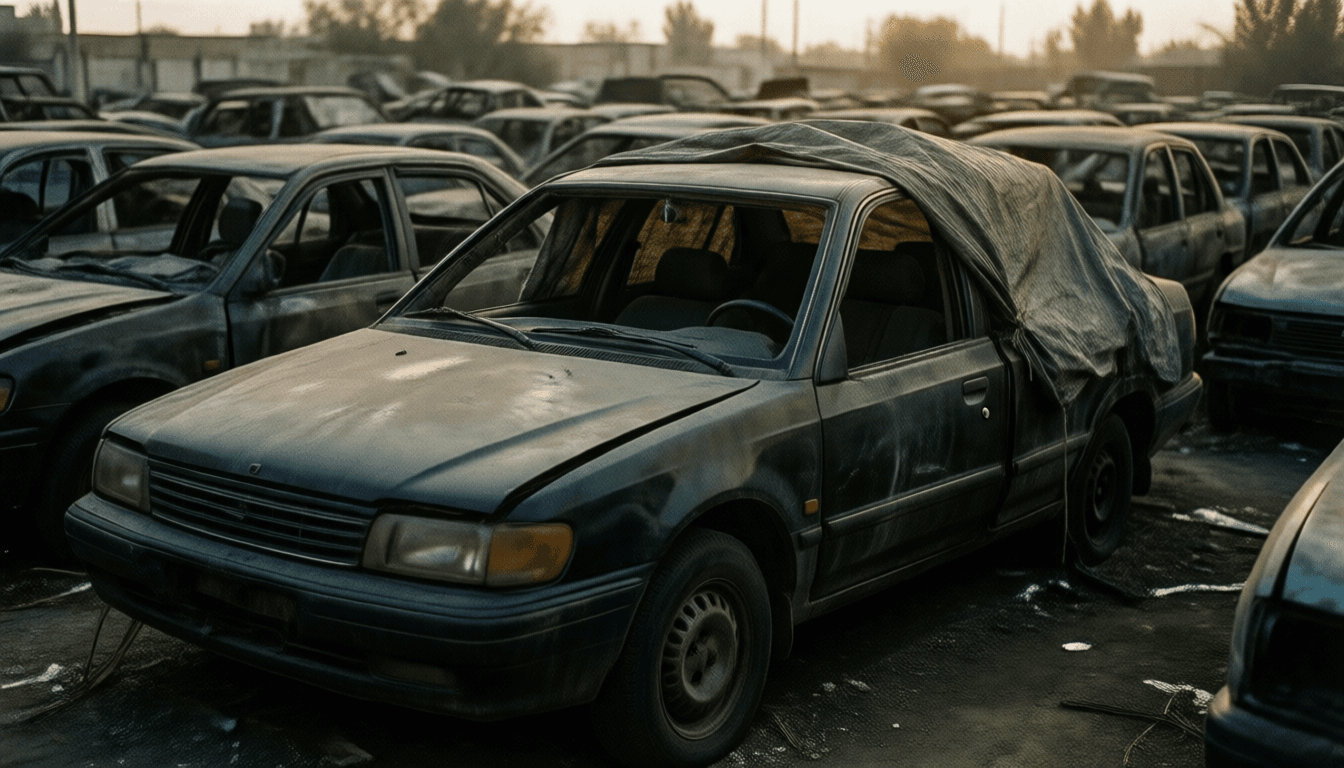
The facility was a metallic graveyard, heavy with the acrid scent of dust and decaying fuel. Our objective, or what was believed to be a part of it, lay in the furthest section. A damaged, dark-colored sedan, or at least its components, was shrouded beneath tarpaulins. Rust bloomed like fungus along corroded panels. The air was thick and still, reducing the city's distant vibrations to a mere tremor. Official license plates were gone, replaced by anonymous tags. No official record of the vehicle's presence here existed. The silence within the section was absolute, heavy, almost palpable.
Carefully pulling back the tarp revealed the sedan's interior, a preserved tableau of violence: twisted metal, shattered glass, and dried, unidentifiable stains. Yet, the whispers returned with chilling clarity. On the rear passenger door panel, where the legendary smudge was rumored to be, a faint yet persistent discoloration remained—not a physical residue, but an intrinsic darkening, as if a shadow had been etched into the plastic, difficult to classify forensically. Moving deeper, an inexplicable localized drop in temperature was immediately noticeable around the driver's side floor. Despite the oppressive heat emanating from the metallic shell of the enclosed facility, the air here was noticeably colder, damp against the skin. A portable thermometer consistently registered 12°C, an impossible reading given the ambient 35°C inside the sealed facility. Attempts to measure it further led to erratic readings, the display flickering and numbers scrambling.
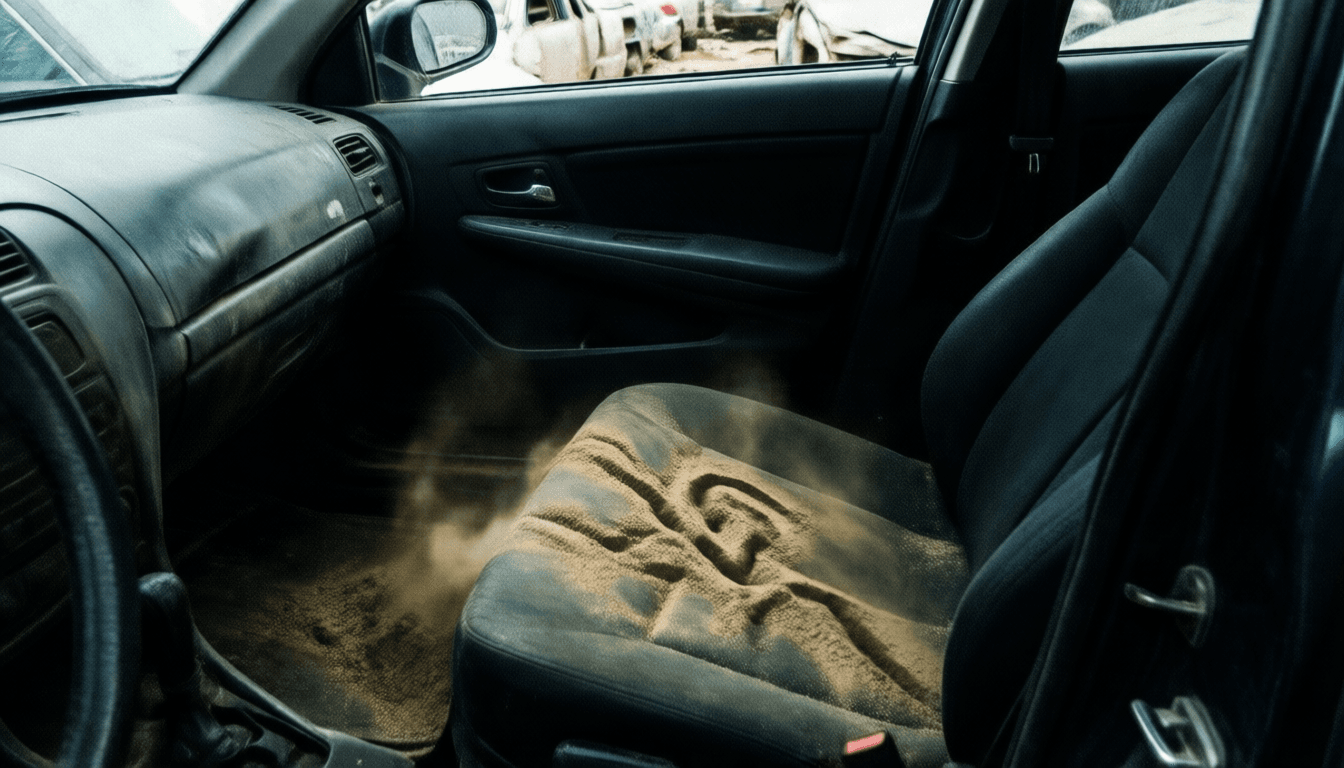
Distant traffic noise from outside the facility began to distort, elongating and undulating. I noticed a faint condensation of my breath in the localized cold zone. The dust on the driver's side floor, rather than settling uniformly, showed intricate, almost deliberate patterns of disturbance, as if fine particles had been meticulously swept or wiped into narrow, concentric swirls. The sensation of being watched intensified—not from the shadows of the facility, but seemingly 'from within the vehicle'. The metallic scent inside sharpened, becoming almost electric, overriding the smell of decay.
As I leaned in to photograph the strange dust patterns, the temperature in the driver's footwell plummeted further. A sudden, sharp 'CRACK' like ice splitting echoed from the dashboard, immediately followed by an intense vibration pulsating through the car's metallic frame. The tremor grew violent, shaking my hands, blurring the camera image. Simultaneously, the vehicle doors, propped open by makeshift supports, slammed shut with a resounding 'THUD' and then 'CLICKED' locked. The sole fluorescent light above the car flickered and died, plunging the section into near darkness, with only the faint emergency lights of the facility seeping through the grimy windows.
The air inside the vehicle instantly became suffocating, heavy, and breathless. The vibrations escalated into violent rocking; the car groaned and bucked as if under immense internal pressure, throwing me violently against the shattered interior structures. An intense, localized pressure descended, as if an invisible weight was trying to pin me to the ruined seat. I clawed at the handles, scraping at the doors, but the locks held firm. The faint discoloration on the passenger door panel began to pulse, darkening and lightening in an unsettling rhythm, like a heartbeat. As I desperately resisted the unseen force and the locked doors, a sudden, searing cold, like a chunk of ice burning, clamped onto my wrist, making me involuntarily shriek and recoil instantly. It was contact. Not a specter, but a furious physical rejection, a violent assertion by something preserving its essence hidden within that metallic tomb.
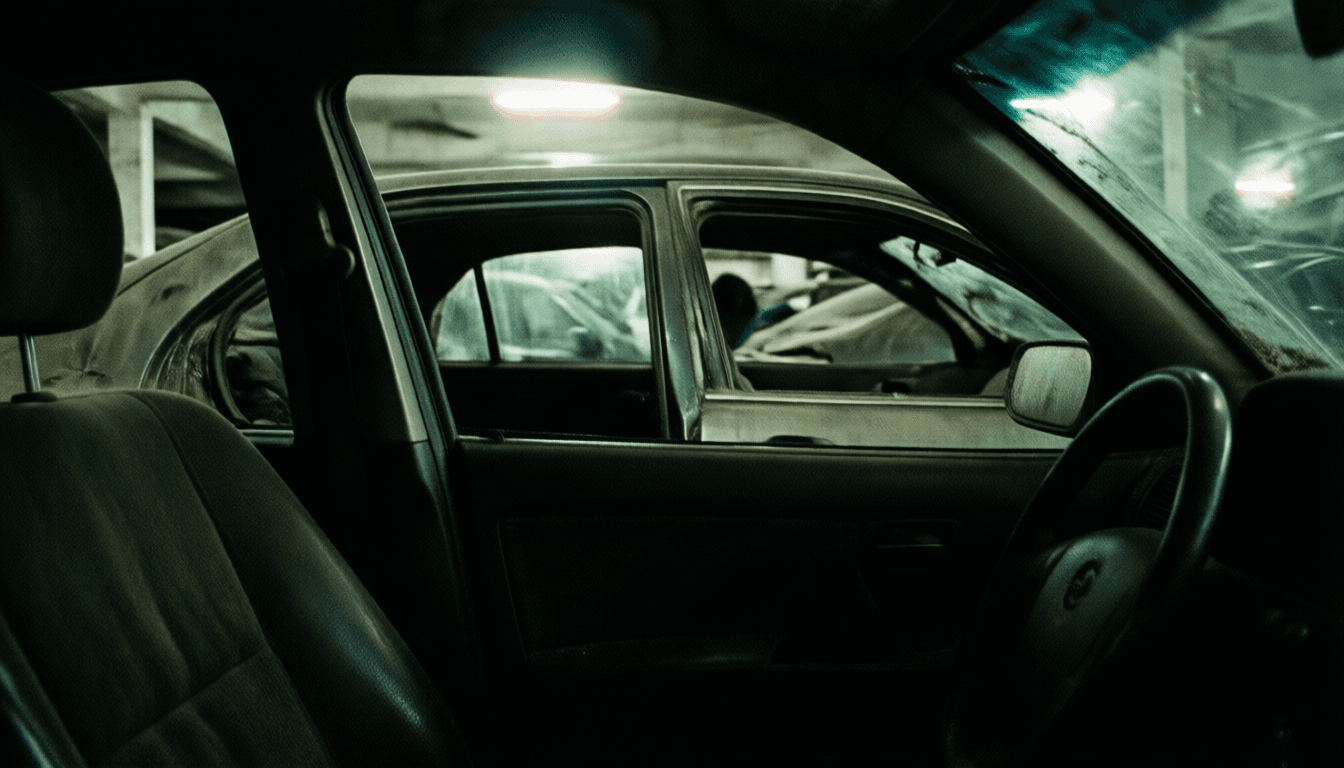
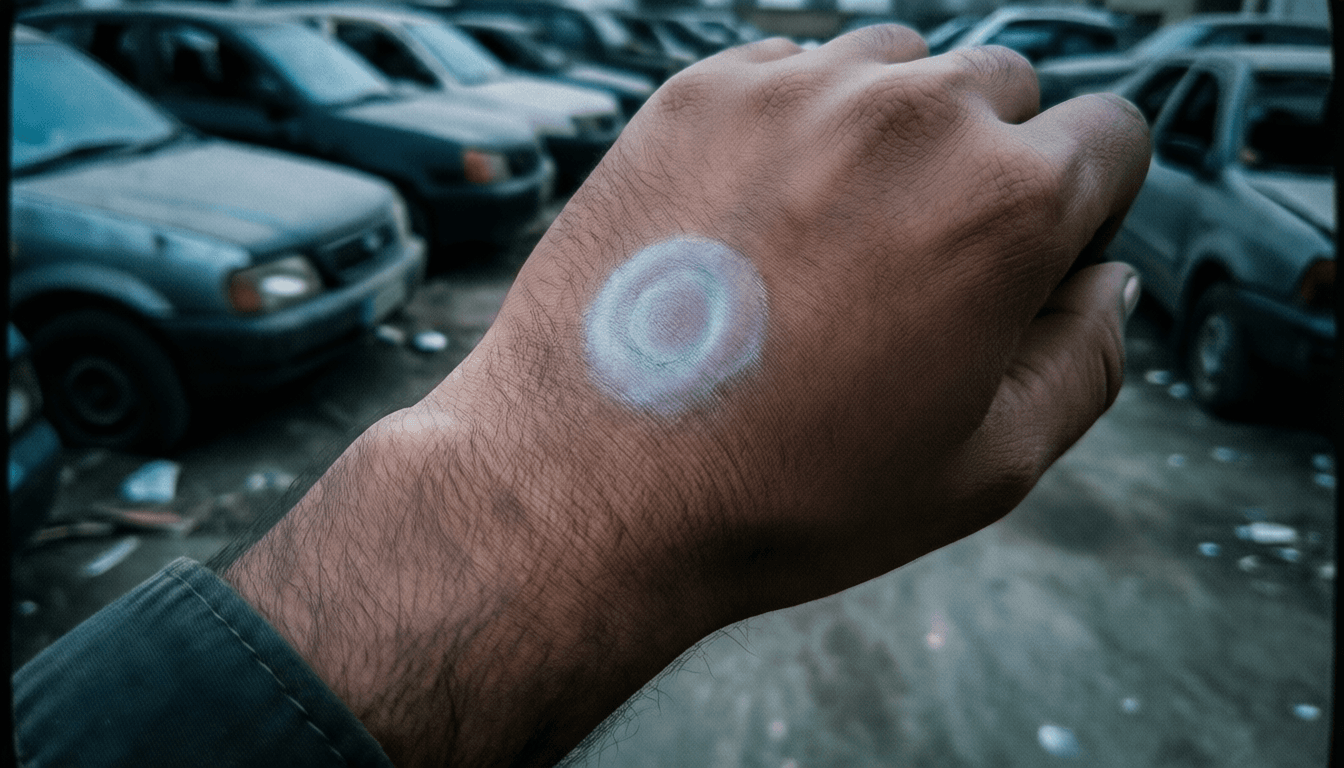
With desperate, adrenaline-fueled strength, I managed to force open a partially crumpled rear door, stumbling out of the sedan, gasping for air in the heavy silence of the dusty impound lot. The vehicle's interior instantly stilled; the vibrations ceased, the temperature normalized, and the overhead light flickered back on, revealing nothing overtly supernatural. Yet, a distinct coldness lingered on my wrist, slowly fading into a faint, circular mark. Not a bruise, but a pale, almost translucent patch of skin where natural pigmentation had completely vanished, like a scar from some unidentifiable frostbite.
Later, reviewing the fragmented photographs, there was a single frame, capturing the impossible brief moment of the dashboard cracking and the doors closing. For a split second, a blurry, indistinct flicker of something in the air within the sedan was visible. The temperature anomalies could not be replicated. The peculiar patterns in the driver's side dust were gone, smoothed over as if they had never existed. The archived photograph with the faint smudge, the very reason for this investigation, now somehow appeared clearer. Less a photographic flaw, more a blurred warning. Driving back, I kept checking my rearview mirror, half-expecting something that wasn't there, yet knowing with chilling certainty that 'something' wasn't inside the vehicle anymore, but now resided within me. The whispers of Rawalpindi no longer felt like distant rumors. They were echoes of a fundamental, unresolved rupture, not just etched in history, but now irrevocably branded into the investigator's own flesh. The truth wasn't uncovered; it was absorbed.
[ CLASSIFIED VERDICT ]
[ACCESS LOG - SOURCE FILE]
Following a tragic incident in Rawalpindi, Pakistan, on December 27, 2007, local whispers continue about the moments after the initial explosion and gunfire. Contrary to official statements, people focus on rumors about the interior of the attacked vehicle, particularly an inexplicable extreme coldness and strange stains. This story is based on a deep-seated local legend concerning something that disappeared or was left behind.