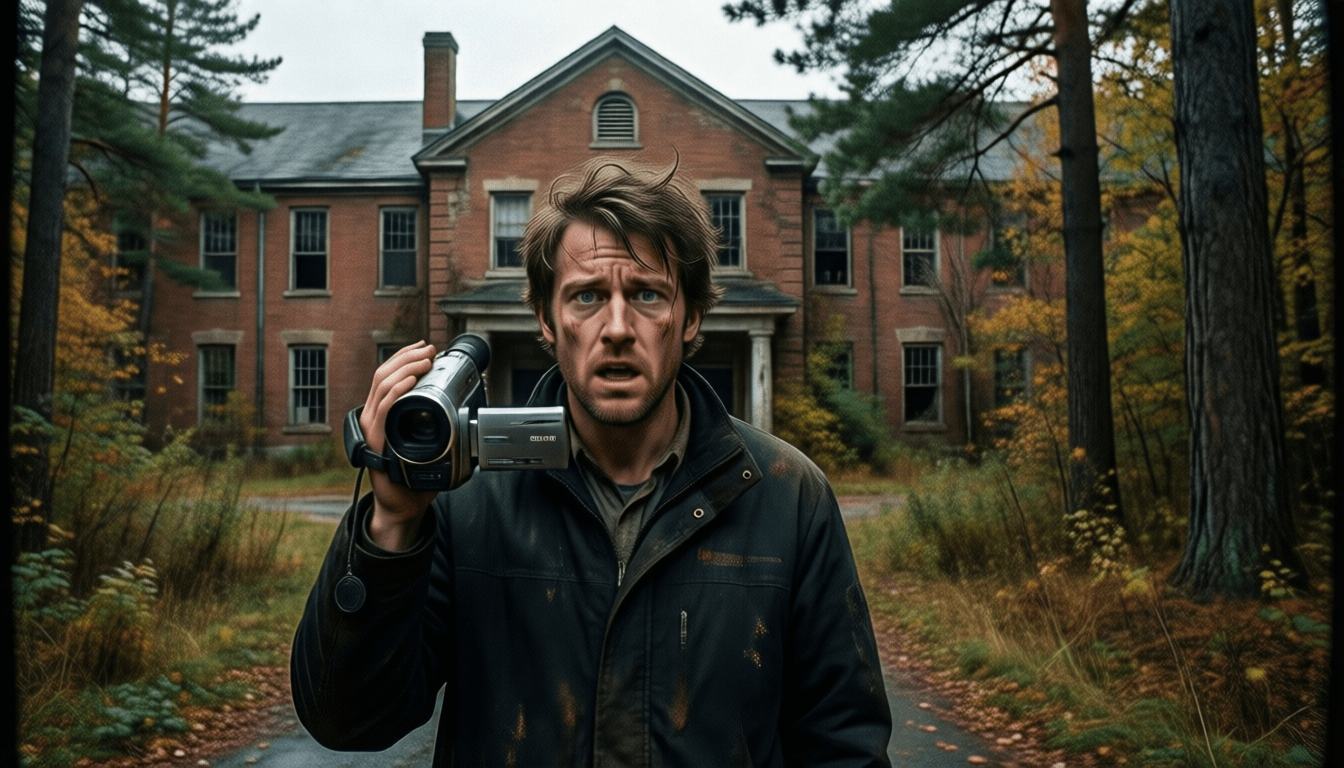
Black-Eyed Children: The Shadow Within Me
For years, the internet has been rife with stories of 'black-eyed children.' Children with eerily pale faces and glossy, obsidian-like eyes who appear on doorsteps or desolate roadsides, demanding to be let inside or given a ride. Many dismissed these as modern folklore, but a series of police records and local news fragments, collectively known as the 'Old Mill Road Incident,' revealed troubling anomalies. From late autumn 2007, a flurry of bizarre 911 calls originated from the sparsely populated Old Mill Road section of rural Vermont, all pointing to the abandoned Caldwell Juvenile Detention Facility. Callers, often in a state of panic, described inexplicable disturbances, power outages, and a deep, pervasive sense of dread. Crucially, some reports, initially dismissed as 'delusional,' spoke of "children who weren't quite right" sighted deep within the Caldwell facility, always preceding the strange phenomena. These geographically concentrated, yet profoundly disturbing, consistent details sparked my investigation. This wasn't merely a ghost story, but a localized surge of unexplainable phenomena, hinting at something far more real, directly connected to a specific, decaying structure.
My purpose was documentation, not sensationalism. Equipped with a professional field recorder, a high-resolution camera, and a sensitive EMF meter, I headed to the Caldwell Juvenile Detention Facility. Miles off the main road, nestled deep within forgotten pine woods, its brick facade was crumbling, and its windows, like missing teeth, were shattered. Even before stepping onto the grounds, a profound silence permeated the air – no birdsong, no insect hum, not even the rustle of wind through the dense branches. The air was perpetually cool, heavy with the scent of damp earth, decaying wood, and a sharp, aged metallic tang. Dust motes danced in the faint light filtering through the gloom, illuminating a floor strewn with broken glass, splintered wood, and the remnants of forgotten lives. In the empty main hall, every step resonated unnaturally, which I calmly attributed to the building's dilapidation.
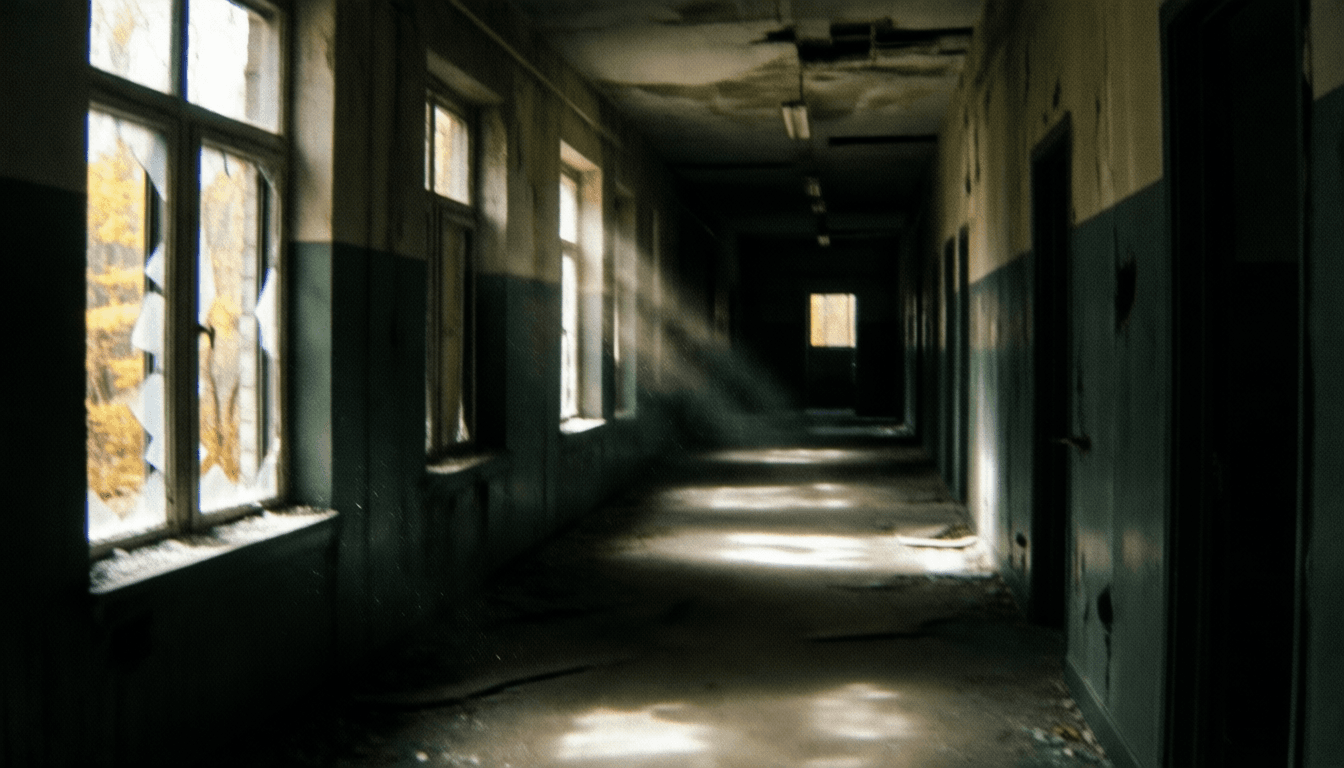
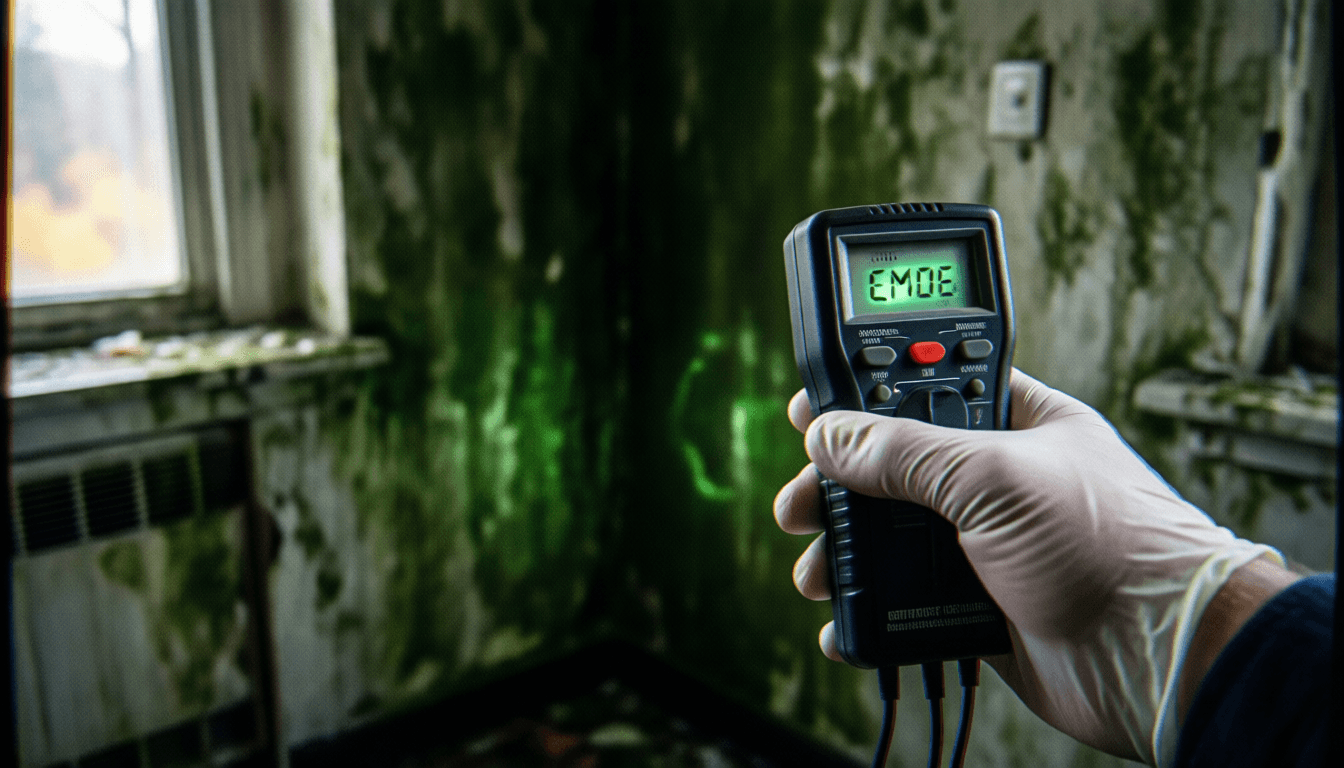
Venturing deeper into what I presumed were the old dormitories, subtle anomalies began. My initially stable EMF meter spiked erratically in specific corners of rooms, despite a complete lack of visible power sources. I dismissed this as residual energy from old wiring. Faint, almost imperceptible whispers seemed to emanate from unused, rusted pipes, too distinct for wind, yet too indistinct to form words. The field recorder captured a low-frequency hum, just below human audibility, a sound absent when I was directly listening. More unsettling were the localized cold spots, constantly shifting. They moved with impossible fluidity, appearing as dark, moving blurs against the dilapidated surroundings on my thermal imager. In the mold-ridden kitchen, a rusty faucet dripped, and for a fleeting moment, the pooled water defied gravity, rising into a small dome above the corroded porcelain before collapsing back with an eerie, near-silent splash. An overwhelming sense of dread began to constrict my gut – a primal unease devoid of rational explanation, which I attributed to the oppressive atmosphere of the desolate building.
I made my way to a small, windowless solitary cell in the farthest wing of the orphanage, locally referred to as the 'isolation room.' The dread intensified, a physical pressure on my chest, turning to nausea, threatening to overwhelm me. Then, they appeared. Not with a sudden shock, but gradually, intentionally condensing from the deepest shadows in the room's corners. One, then two, then three. Thin, unnaturally pale, ghostly figures, dressed in tattered, indistinct clothing. Their eyes were their most dominant feature – absolute black, like obsidian discs embedded in their gaunt faces, reflecting nothing. They didn't speak aloud, but a cold, clear chorus echoed directly in my mind: 'Let us in.' 'Let us pass.' 'We need to leave.' The demand wasn't for physical space, but for internal permission, for vulnerability.
I tried to back away, but the heavy iron door of the isolation room, which I had left ajar, slammed shut with impossible force, its clang immediately swallowed by profound silence. I tugged at the handle, but it was impossibly locked, immovable as if welded shut from the inside. Through the grimy, reinforced windowpane (now my only escape), the glass began to spiderweb and shatter outwards without any external impact. The sharp shards of glass hung in the air for a moment, then dropped with calculated precision at my feet. From cracks in the old concrete floor, thin, viscous black liquid began to seep upwards against gravity, swirling in defiance of all fluid dynamics. My recording equipment shrieked, then died. The camera's final flicker showed nothing but those chilling black eyes, filling the frame before the screen went dark. The air around me became impossibly dense, pressing down, making every movement an immense effort. The presences moved closer with slow, deliberate motion. They didn't physically touch me, but their very presence created an unbearable psychological and physical pressure. My vision blurred, my limbs grew heavy, and my will dwindled under the overwhelming demand for intrusion in the silence. It wasn't a request; it was an encroachment. Mustering a final, desperate burst of strength, I hurled my useless camera at the nearest presence. For a split second, the figure wavered, showing a momentary inconsistency, and I seized the opportunity, throwing myself through the now empty window frame, crawling over the still-floating glass shards. Amidst the tearing agony of my skin, the black liquid on the floor surged behind me, solidifying.
I tumbled out of the Caldwell facility, disoriented and battered. The dense woods were suddenly filled with the normal, aggressive sounds of rustling leaves and chirping insects – sounds that now felt alien and hostile. I drove until my hands were numb, until the sun dipped below the horizon, but the deep dread clung to me like a shroud.
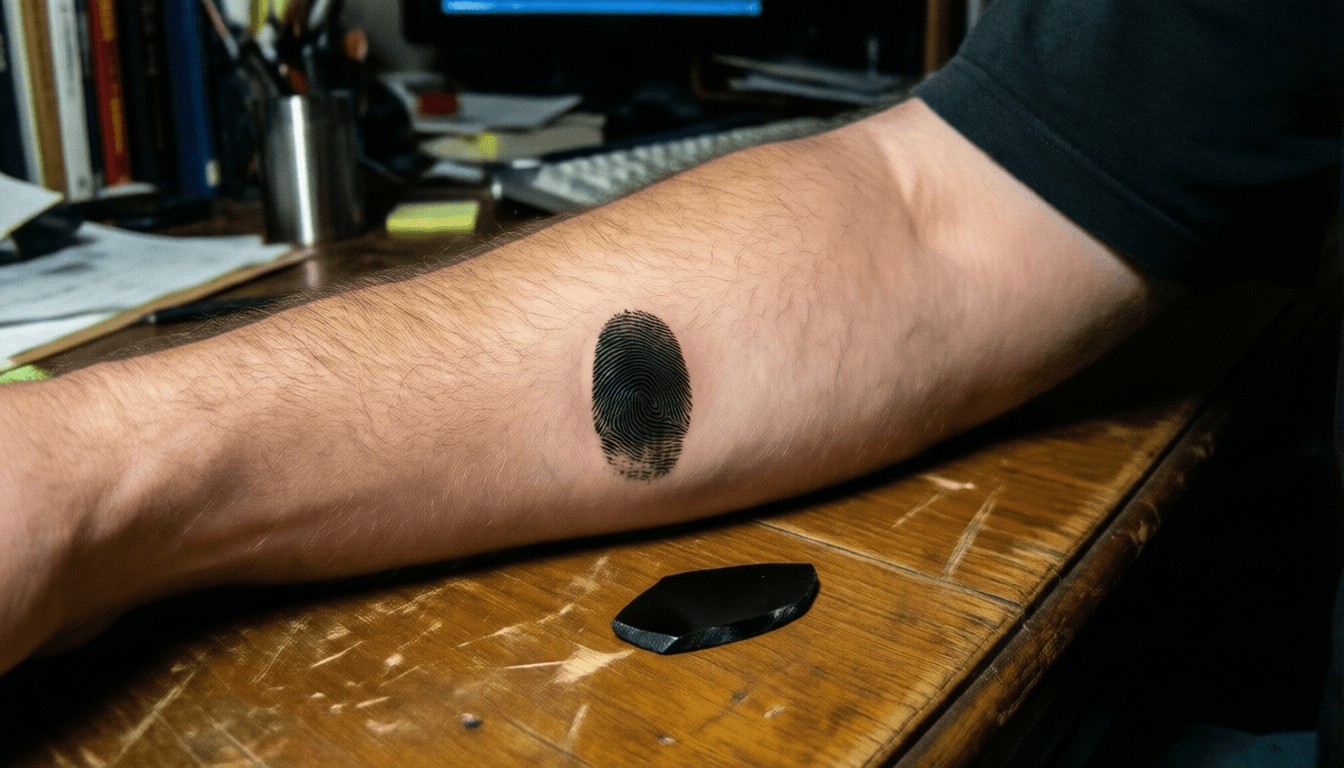
Back in my neat, archival office, a small, round, incredibly smooth piece of obsidian, not found in the Vermont region, inexplicably tumbled out of my jacket pocket. On my left forearm, a faint but transient and distinct mark appeared: a small, perfectly black bruise, the size and shape of a baby's fingerprint. My damaged field recorder was inert, but it yielded one final, chilling artifact. After painstaking data recovery, the last few seconds before it died played back: a distorted, rasping sound, not a child's voice, but something ancient and voracious, overlaid with impossible visual distortions as if the orphanage corridor itself was twisting.
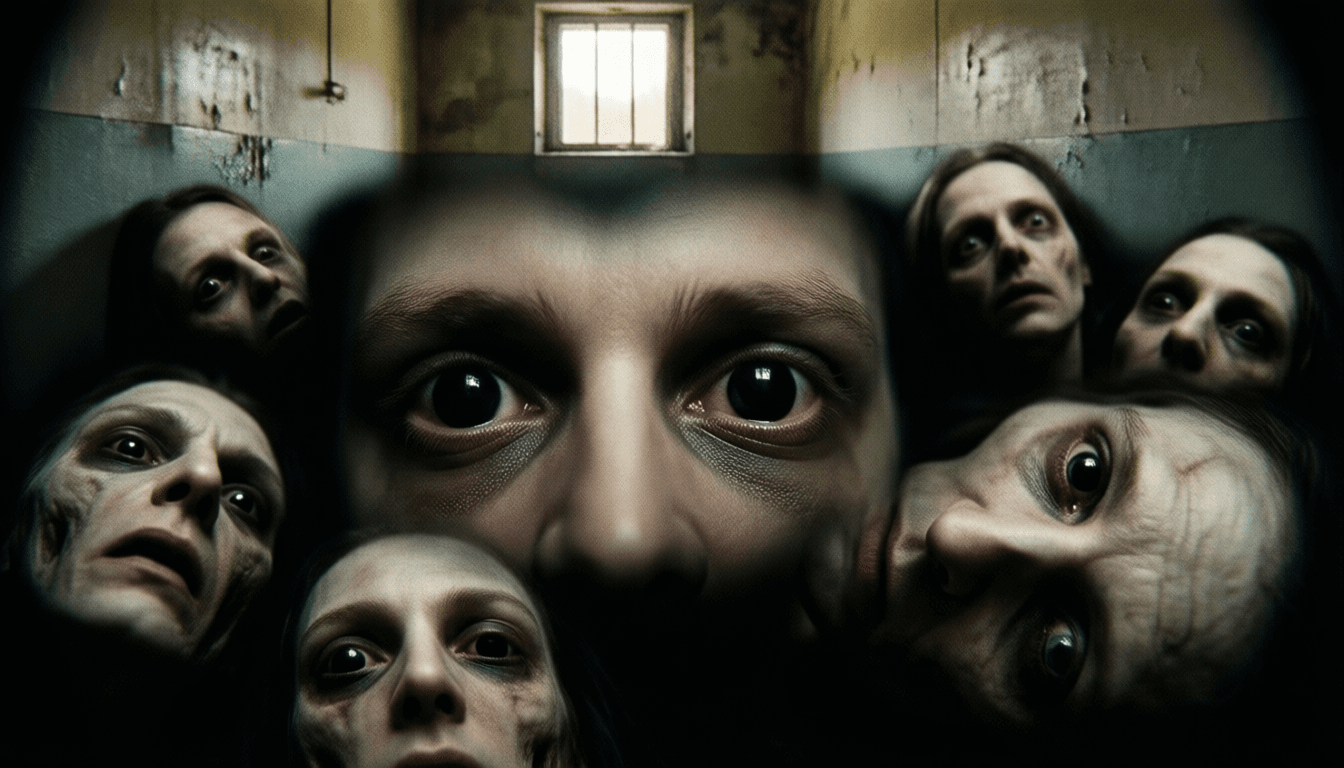
The dread hasn't left. I constantly check mirrors, catching fleeting afterimages of those chilling black eyes at the periphery of my vision. Cold spots return occasionally even in my heated apartment. And this morning, cross-referencing my recovered Caldwell files, I found it: new reports of anomalies, not on Old Mill Road, but in my own neighborhood. The reports detailed strange power fluctuations, sudden, profound silences, and a pervasive, unshakable sense of dread. And for the first time, one caller, in a newly posted forum thread, described a 'faint metallic smell, like old blood' – a detail previously only noted in my unpublished notes from the Caldwell facility. The presence hadn't let me go. It had simply ridden along. The request, 'Let us in,' was never about the orphanage. It was about me.
[ CLASSIFIED VERDICT ]
[ACCESS LOG - SOURCE FILE]
The 'Black-Eyed Children' urban legend describes children with pale faces and black eyes who knock on strangers' doors or ask for help on roadsides, seeking to gain entry into homes. They often display unsettling behavior that makes people uncomfortable, depicted as eerie beings who seem to compel others to let them in. This story gained widespread popularity online after its initial report in Texas in 1996.