Bhangarh Fort: The Shadow That Never Left
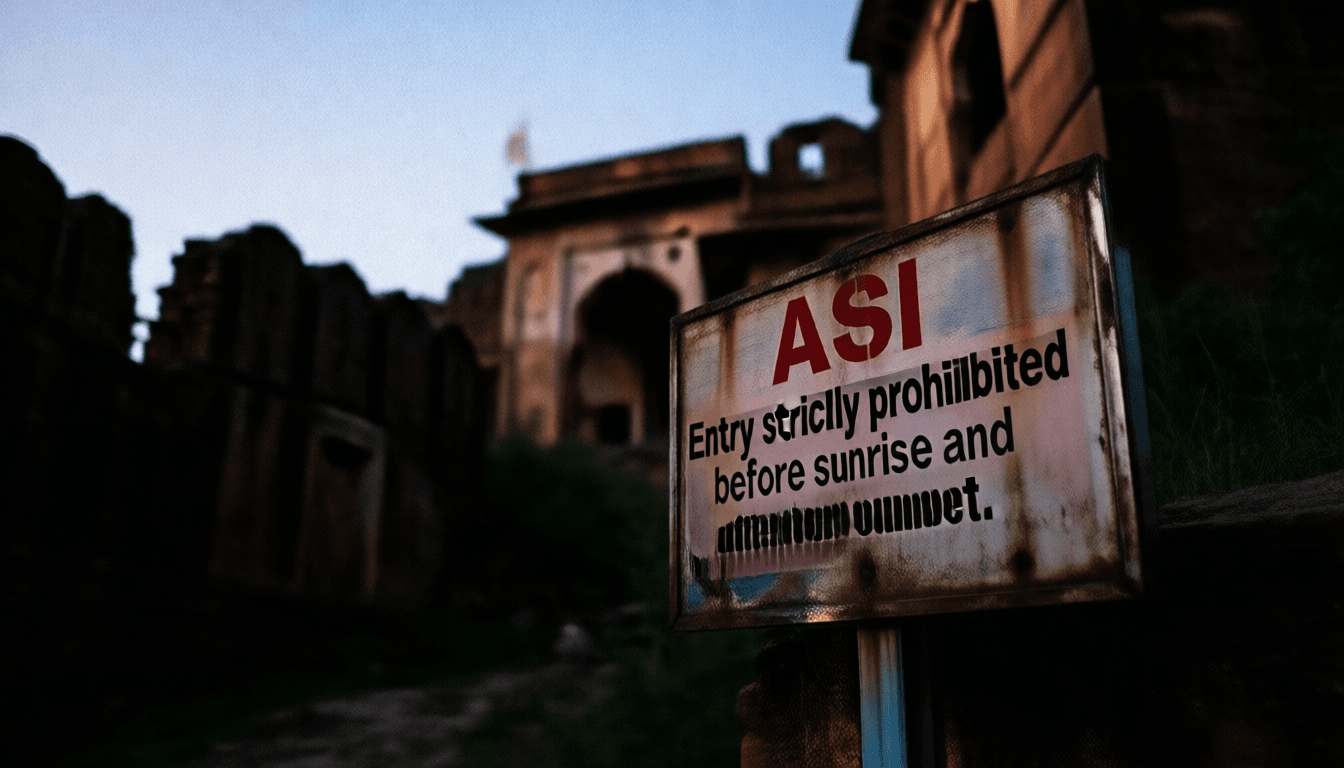
At the entrance to Bhangarh Fort in Rajasthan, India, stands a clear and unequivocal sign erected by the Archaeological Survey of India (ASI): "Entry to the fort is strictly prohibited before sunrise and after sunset." This is no mere suggestion; it's a mandatory injunction, backed by local law enforcement, carrying more weight than official warnings often do. Locals whisper of entire villages vanishing overnight, of travelers evaporating without a trace after disregarding the warning. Authorities attribute these disappearances to "wild animals" or "accidental falls," but for generations, one story has persistently endured: "No one truly leaves who stays after sunset." My interest began with a post on a once-popular, now-deleted paranormal forum, detailing a distorted, raspy audio clip recovered from an abandoned backpack near the fort's main gate. Inside, there was heavy breathing amidst an unnatural silence, followed by a wet, struggling gurgle, and then only stillness. No body was ever found. This was no longer just legend; it was a repetition of inexplicable voids, a pattern.
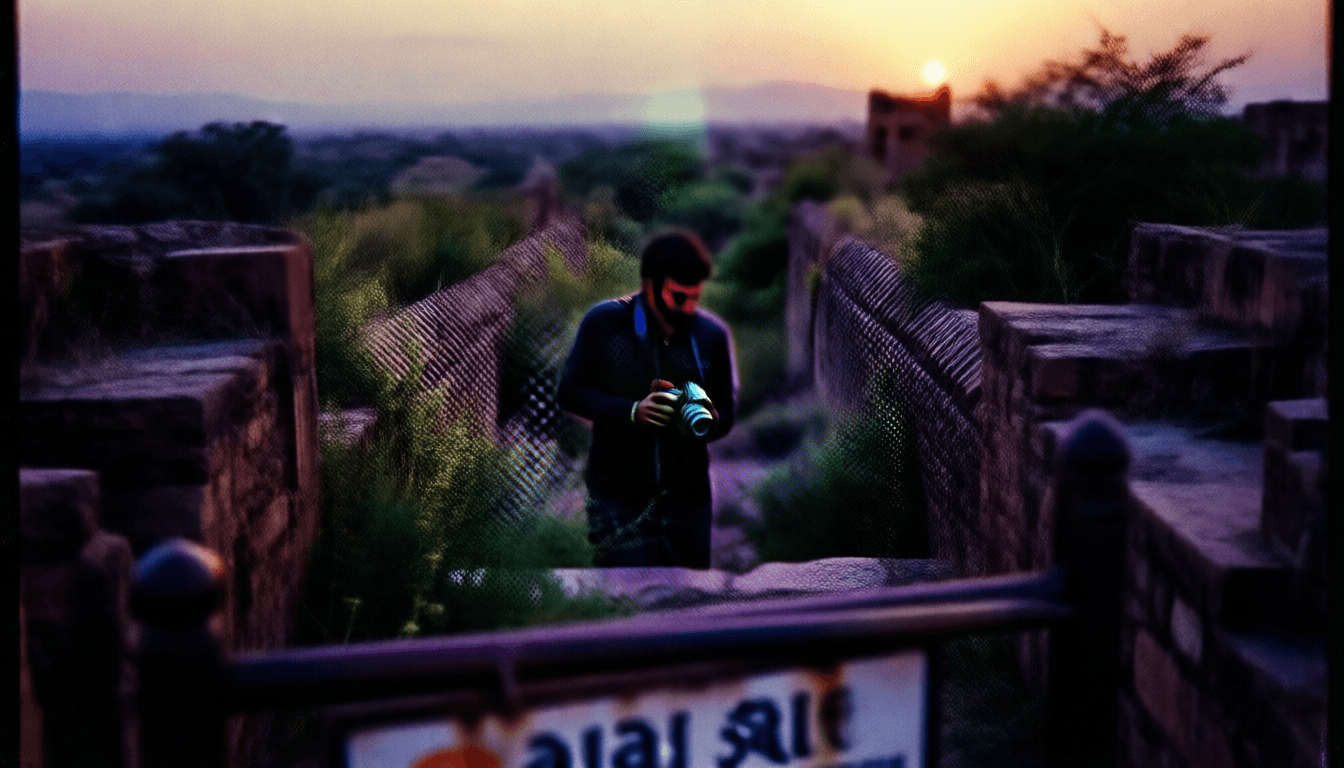
My entry into Bhangarh Fort was carried out with the clandestine desperation one might feel crossing an illegal border. A well-paid local facilitator guided me through a gap in the overgrown outer wall long after the sun had fully dipped below the horizon, painting the arid landscape in deep purples and blood oranges. The air was strikingly still. More than just calm, there was an absence of movement itself. The sparse thorny bushes did not rustle in any breeze, nor was there the distant bark of a dog or the chirp of a cicada. The usual symphony of an Indian night was conspicuously absent, replaced instead by an absolute, profound silence that pressed down, painfully so, on the ears.
The ruins were a skeletal framework of crumbling stone. Temples, marketplaces, palaces, all abandoned, their structures dissolving into the darkness. A flour-fine dust coated everything, making each step feel heavy, the very air thick to breathe. The deeper I ventured, towards what I presumed was the main palace, the air grew noticeably colder. Not the dry chill of a desert night, but a damp, ancient cold that seemed to emanate from the stones themselves. My camera's infrared detector only registered my own body heat, everything else a solitary beacon isolated within a cold, unreadable environment.
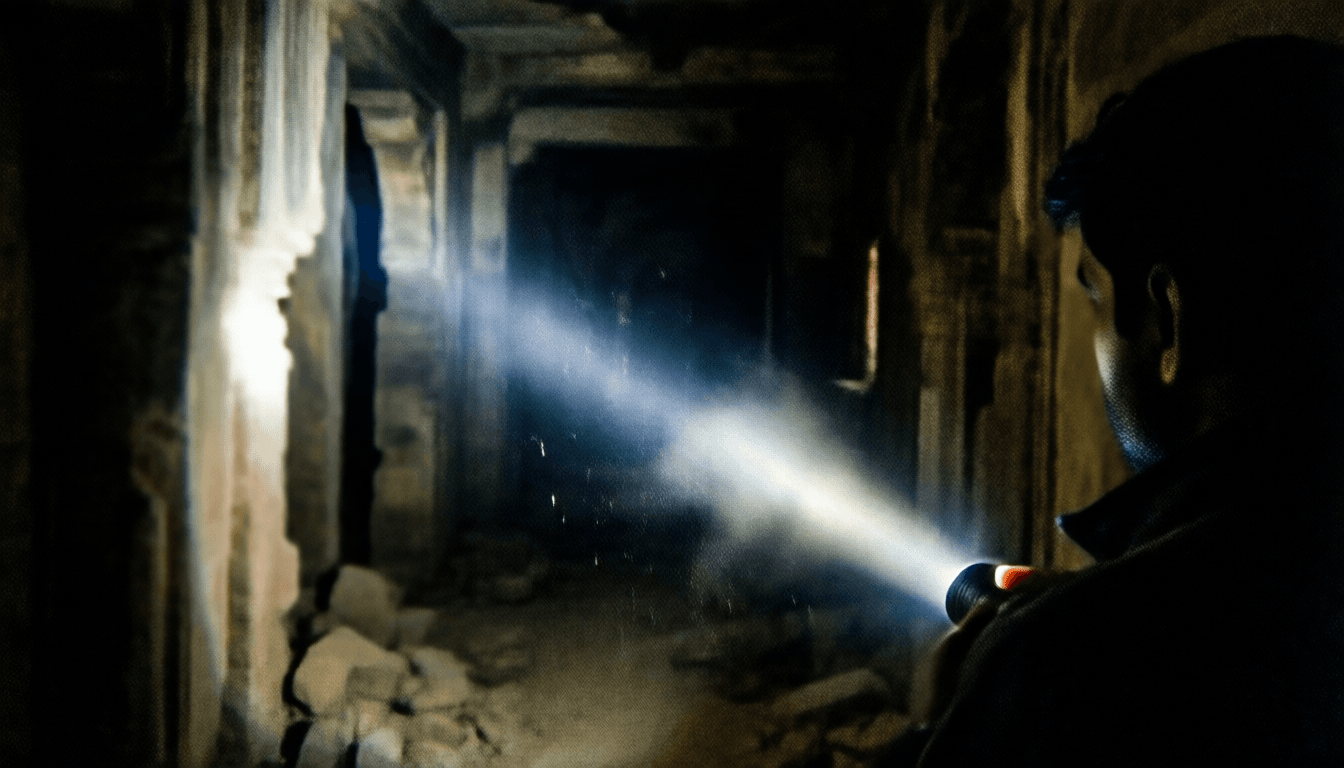
The silence persisted, but I became acutely aware of a pervasive heaviness in the air. More than just cold, it felt like pressure, forcing my lungs to work harder. I navigated the narrow passages within the lightless palace interior. Here, the physical properties of space began to subtly warp. I dropped a small stone from my pocket to gauge the depth of a darkened pit. A faint click echoed, but it seemed to ricochet at impossible angles before returning to me, almost lingering. It wasn't an echo of the impact; it was an echo of the process of falling itself, seemingly elongating its duration.
A moment later, a distinct, icy sigh brushed past me from behind. I whirled around, cutting through the darkness with my flashlight beam, but found nothing. No wind, no open windows, only the oppressive quiet. Then, from an empty room adjacent, came the faint, yet unmistakable, sound of a child weeping. Cautiously, slowly, I moved towards the sound. As I neared the arched doorway, the weeping abruptly ceased, replaced instead by a clear, wet sound of something dragging across the dusty floor. A chilling, unwavering sensation of countless unseen eyes fixated on me crawled across my skin. The leaden air actively resisted my movement, seeming to slow my steps. My own shadow, cast long and distorted by the flashlight, occasionally seemed to move independently at the periphery of my vision—a momentary blur from a deeper darkness, not my own.
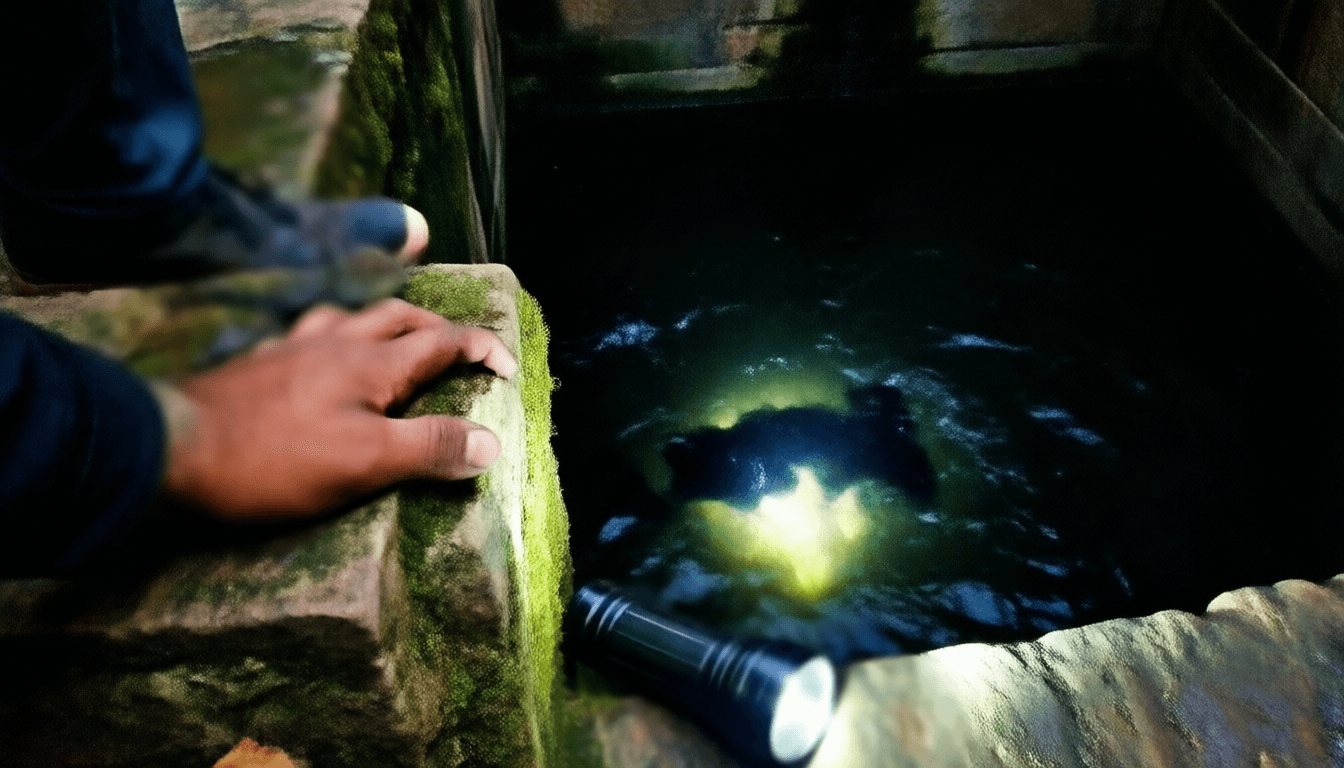
I reached what must have once been the palace courtyard. There stood a ruined stepwell, a baoli. Its ancient steps descended into an inky black abyss. A faint, sweet scent, like decaying flowers and something metallic, permeated the air. My flashlight beam cut through the darkness, illuminating the still surface far below. And then, the surface began to stir. Not from wind, nor from any disturbance I could see. It was from within. Small, concentric ripples spread outwards, growing larger and faster until the entire well churned with impossible energy. Large, slow bubbles began to rise, breaking the surface with a viscous 'splat' and releasing an even more repulsive metallic odor.
Suddenly, my camera strap yanked sharply, nearly tearing it from my grasp. I instinctively tightened my hold. A burning cold, like dry ice, wrapped around my wrist. My fingers instantly went numb. I stumbled back, pulling my arm free. Then the ground beneath my feet seemed to shift. Not an earthquake, but a localized instability, as if the stone itself was liquefying. I sagged slightly, dust and debris clinging to my shoes. From the well, directly beneath me, an impossibly deep, resonating, low, raspy wail erupted. It wasn't an echo; it was there.
Suddenly, a massive, unseen force slammed into my back, flinging me towards the edge of the well. My head struck the stone steps with a sickening thud, stars exploding before my eyes. I tasted blood. Disoriented, I felt cold, rigid fingers—or something like them—clutch my ankle, pulling me inevitably towards the black water. I thrashed, scraping against the rough steps, my nails tearing, mouth full of dust. The pull was immense, mercilessly attempting to drag me over the edge. I watched my flashlight, having fallen from my hand, roll towards the well. Its beam briefly, disturbingly, illuminated a dark, immense mass undulating, shifting, and coalescing just beneath the water's surface. I let out a raw, tearing scream. The grip on my ankle tightened, an bone-chilling cold piercing through my boot. A desperate, adrenaline-fueled kick flailed into the air, and for a fleeting moment, the grip loosened. I writhed, scrambled, half-stumbled away from the well, and away from the invisible, suffocating presence that had sought to consume me, heading for what I hoped was an exit.
For hours I ran, unceasing, until the first strands of dawn painted the horizon. My escape was a blur of desperately clambering over crumbling walls, driven by a primal fear that swallowed even physical pain. I finally made it back to the main road, collapsing beside the ASI sign that now seemed to mock me with its simplicity.
My physical injuries were minor: a deep cut on my scalp, scraped hands, a badly bruised ankle. Local hospital doctors attributed them to a fall in the dark—a plausible, yet incomplete, explanation. But the aftermath was far more profound.
For weeks, my apartment, once a familiar haven of comfort, felt alien. The air in the corners of rooms, especially, carried that same ancient, damp chill I'd felt in Bhangarh Fort, even with the windows closed. I found myself instinctively holding my breath, as if the air itself was too thick to properly inhale. Things seemed to move at the periphery of my vision: books on shelves, shadows on walls, mirroring the deceptive movements I'd witnessed in the fort.
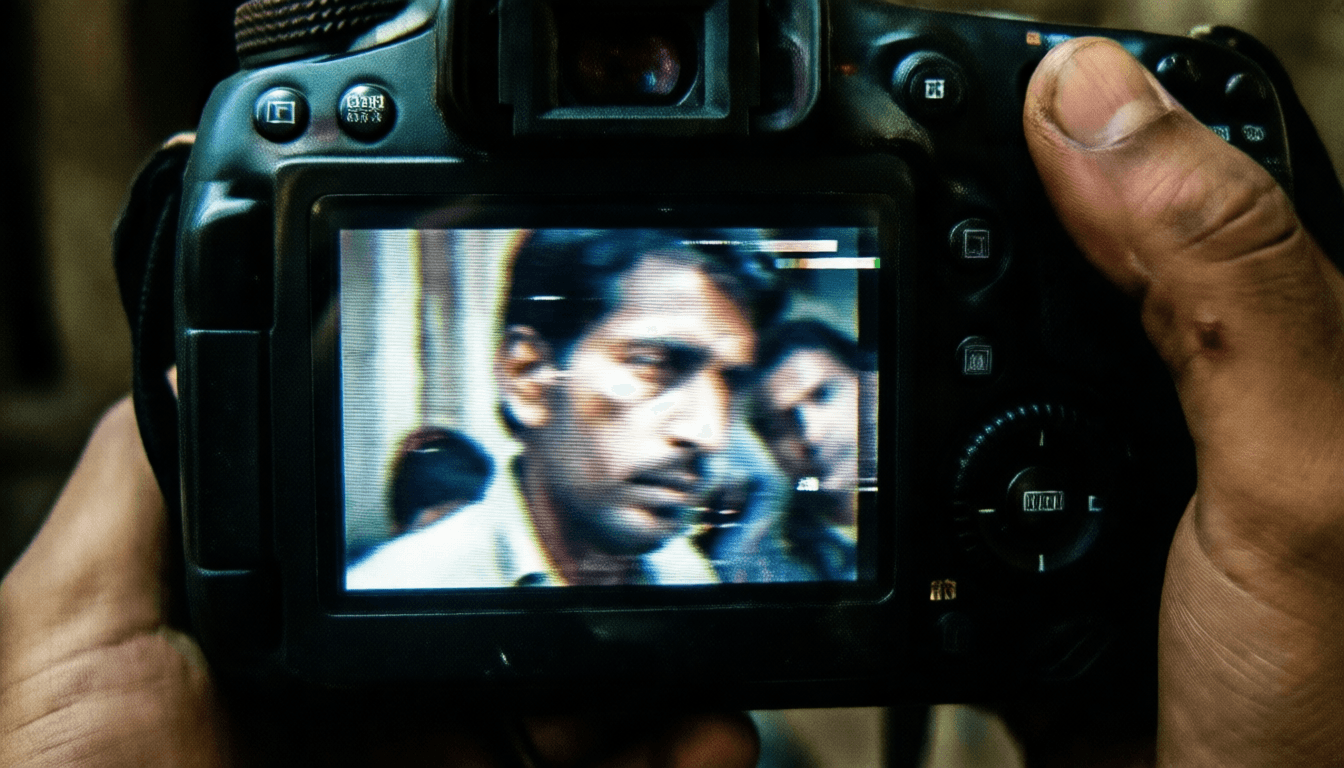
But the most disturbing detail was my camera. Despite the fall, my digital SLR seemed intact. Yet when I reviewed the footage, the section recorded just before my encounter at the baoli was corrupted. Not just static, but a sequence of discontinuous, inverted frames, interspersed with flashes that looked like distorted faces caught in silent agony. And the audio track, meant to capture the sounds of the churning well water, was a low, resonating hum, interspersed with incredibly, agonizingly long seconds of strained, wet breathing. And that sound, impossibly, faded into a whisper of my name, directed right into the microphone. Not an echo, but as if the speaker was right beside me, inside the camera, carrying that same repulsive metallic scent that had filled the well's air. I deleted it, of course, but the memory, the sound, still surfaces in the dead of night. A distinct, physical presence in the quiet of my home. I am absolutely certain something followed me from Bhangarh, and it hasn't left.
[ CLASSIFIED VERDICT ]
[ACCESS LOG - SOURCE FILE]
Bhangarh Fort, located in Rajasthan, India, is a real-world archaeological site famous for being a 'cursed place' where entry is strictly prohibited after sunset. According to local legends, those who stay inside the fort overnight mysteriously disappear or are never able to leave. This story explores a horror experience based on these prohibitions and tales of unexplained disappearances.