Atmospheric Residue: The Unfinished Experiment
Among the common subjects of online horror, the 'Russian Sleep Experiment' is an urban legend claiming Soviet scientists experimented with sleep-depriving gas on political prisoners. Most dismiss it as gruesome fiction. However, in certain deep forums, subtly different data began to circulate from what was generally disseminated. Leaked material included crudely translated internal Cyrillic memos, alongside heavily watermarked, blurry photographs of a ruined facility. These documents, presumed to be preliminary reports, indicated the gas experiment was conducted for 15 days, not 30, on five inmates. While the public focused on the horrific self-mutilation and the prisoners' madness, a single clinical footnote embedded in one of the documents, mentioning the gas's "unpredictable atmospheric persistence," was thoroughly ignored. And with this footnote, geotag metadata found in one of the included photographs pointed to a forgotten corner of Belarus. All of this combined transformed a sensational urban legend into a terrifyingly persistent ghost of reality.
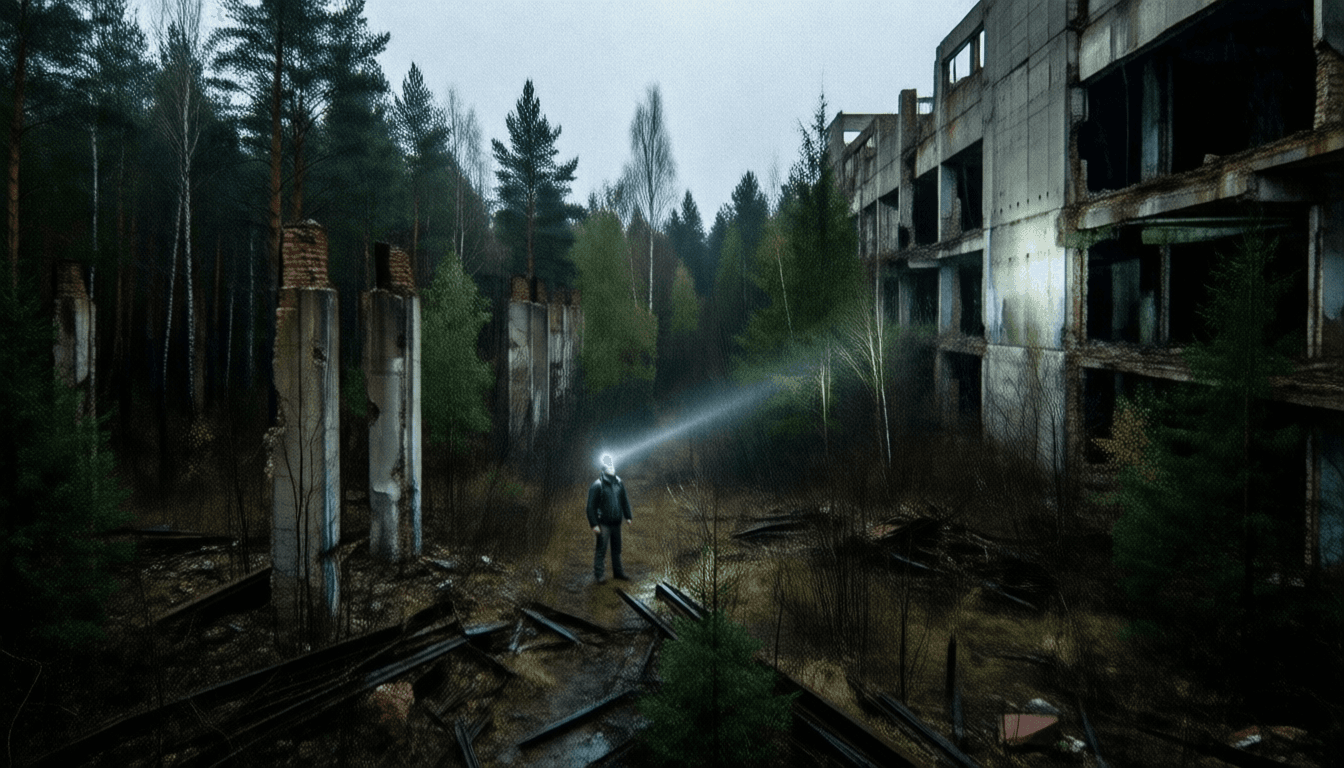
The coordinates led to a landscape of breathtaking desolation. Miles from the nearest village stood a colossal complex of crumbling concrete and rusted rebar, consumed by an ancient forest. The air hung heavy and stagnant with the scent of damp earth and decay. Entry required navigating precarious, unstable corridors; every step threatened to bring down cascades of debris. Flashlight beams cut through the absolute darkness, illuminating only the skeletal remains of what was once a thriving scientific outpost. The crunch of broken glass shards broke the silence, occasionally replaced by the sharp, metallic tang of stale, corrosive chemicals. The building groaned with every gust of wind, a sound an experienced independent archivist might attribute to the structure's resonance, dismissing it as familiar ruin. Deeper within, abandoned laboratories stood frozen in time like clay tablets. Decaying equipment and sterile examination rooms lay untouched, as if their occupants had vanished mid-sentence. Dust motes danced in the flashlight's beam, only to dissolve back into the profound darkness.
Following the layout detailed in the documents, as I neared the area designated as the main experimental block, the environment subtly shifted. The oppressive silence fractured. My own footsteps echoed abnormally long or were muffled, sounding unlike normal steps. A faint, multi-layered murmuring seemed to resonate within the thick concrete walls – like distorted human speech, almost inaudible, buried beneath layers of static and distance. Instinctively, I turned on my audio recorder, but it only captured a low ambient hum. The air grew heavier, stiller. A faint, almost imperceptible sweet scent, like a mix of rotting fruit and chemicals, began to replace the metallic tang. In certain weakly lit areas, the flashlight's beam dimmed, or colors appeared muted even within artificial light. Shadows seemed to writhe at the edge of my vision, yet when I stared directly, nothing was there. I attributed all these phenomena to psychological fatigue and the oppressive atmosphere, but the creeping unease tightened its grip. The murmuring became slightly clearer, sometimes like harsh breathing, other times desperate whispers. I was gripped by a strange hyper-awareness, coupled with an intense internal pressure, as if my own body was subtly stimulated. My portable air quality monitor detected no immediate danger but recorded trace elements consistent with unstable old organic compounds. Despite being alone, the conviction that I was being watched was overwhelming. Every sound, every shadow demanded a second, then a third, terrifying glance.
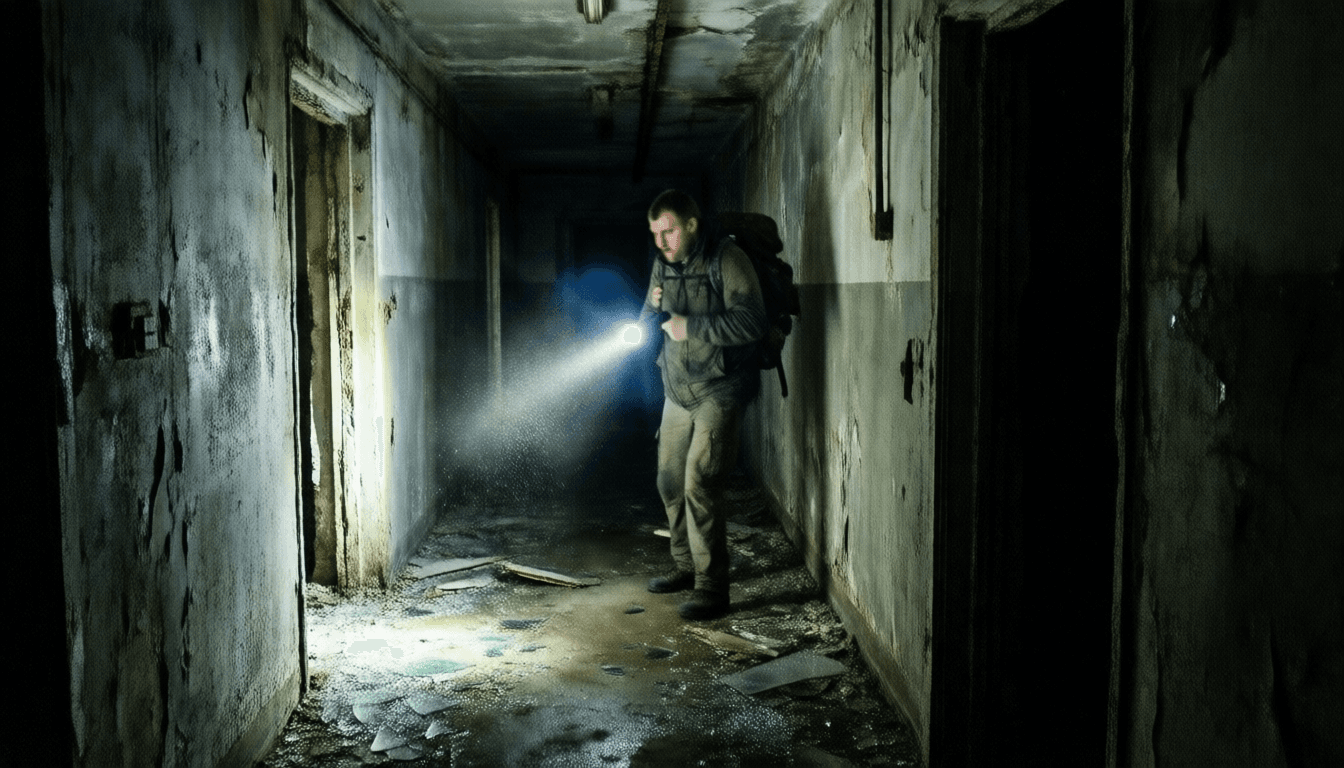
Finally, I located a specific containment chamber, identifiable by a heavily reinforced blast door unlike any other in the facility. Stepping inside, the chamber was remarkably preserved amidst the general decay. Corroded restraints were bolted to a skeletal cot, surrounded by antiquated surveillance equipment. The air here was viscous, and the 'sweet' smell was now sickeningly acrid, burning my throat. This was where the residual stimulant gas had condensed to its highest concentration.
The moment I fully entered the isolation chamber, a low hum began—not mechanical, but a deep vibration that seemed to resonate from the very air itself. The 'sweet' smell intensified, suddenly turning sour, and a crushing pressure descended upon my chest, making breathing a struggle. My muscles began to spasm uncontrollably, involuntary convulsions as if an external force were manipulating my limbs.
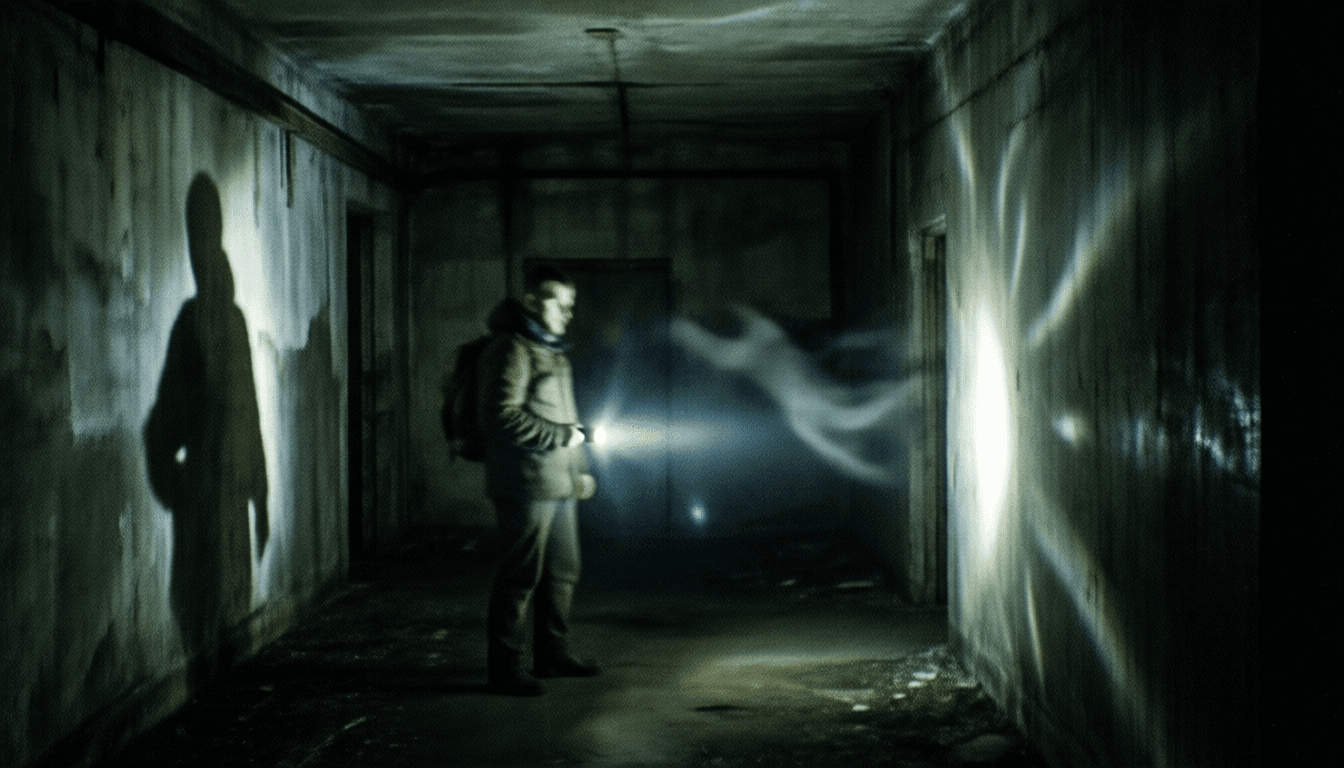
The murmuring erupted into a cacophony of mixed, distorted human voices—screams for sleep, pleas, mad laughter—all played at impossible speeds, sometimes backward, sometimes in perfect, chilling synchronization. These were the actual recordings from the original experiment, somehow stored in decaying media within the chamber walls, but amplified and manipulated by the residual stimulant in the air, making them feel alive, sentient. They didn't enter through my ears but seemed to vibrate directly within my skull, echoing from all directions simultaneously. My audio recorder shrieked with feedback, capturing impossible frequencies. My flashlight flickered, creating distorted halos around objects. Shadows in the corner of my vision seemed to coalesce into faint, writhing forms. It was the product of extreme sensory deprivation and enforced arousal. An overwhelming, maddening craving for sleep became unbearable, yet an abnormal state of hyper-awareness simultaneously prevented the thought, creating a painful conflict within my body.
In a sudden terror of disorientation, I stumbled backward, inadvertently brushing a rusty lever on the control panel. With a shriek of tormented metal, the reinforced blast door slid shut, sealing the chamber. The air quality monitor wailed, indicating unknown compounds had reached lethal levels. Trapped, suffocating on the heavy air, tormented by impossible sounds, fighting my convulsing body, I clawed at the door mechanism. My mind slowly began to disintegrate under the persistent, insidious assault of the stimulant, mirroring the original subjects of the experiment. My attempts to open the door were clumsy, desperate. My body craved rest, but the stimulant relentlessly forced me awake, and I felt my mind unraveling, my body breaking down. The chamber itself was destroying me.
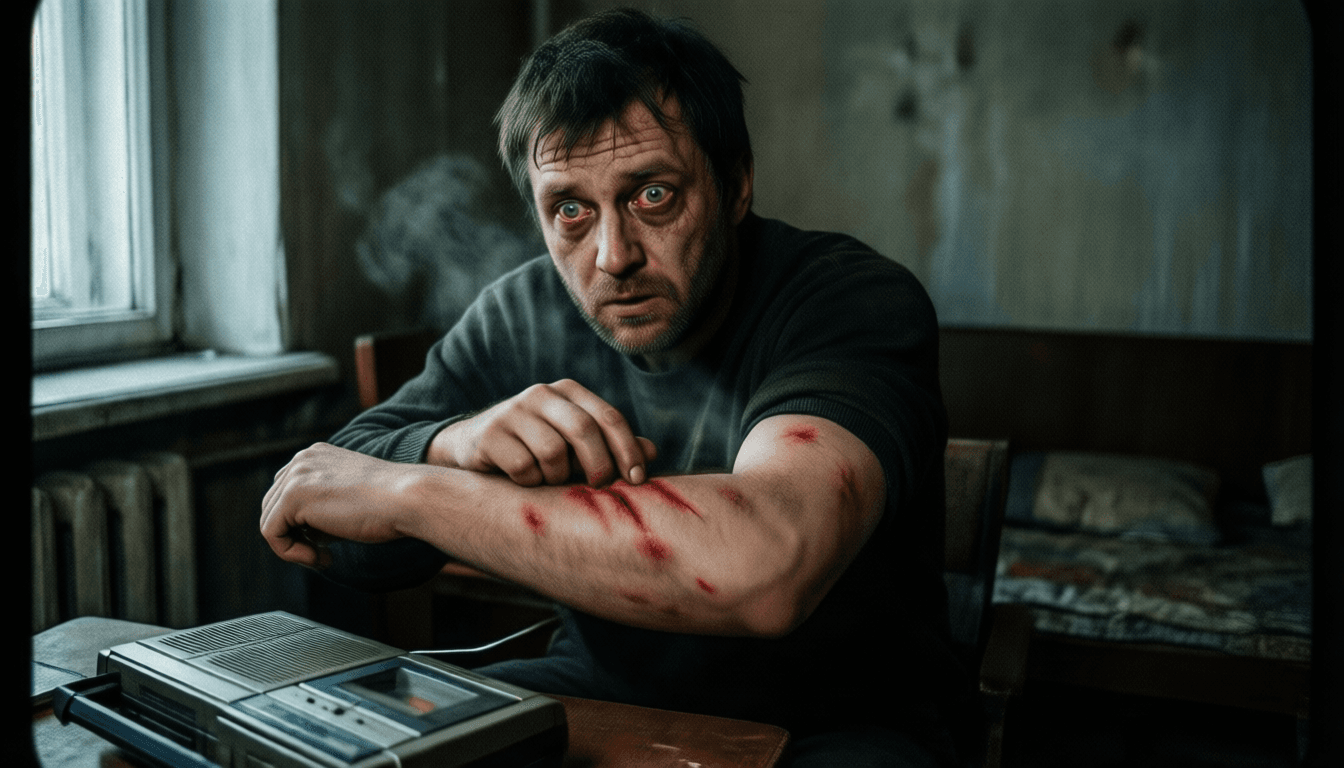
I could never be certain how I escaped the isolation chamber. Perhaps it was a miracle of pure adrenaline and blind strength, or perhaps the final, accidental mechanical failure of the decaying door mechanism. When I emerged, I was battered. Deep scratches adorned my arms from attempts to scratch away the phantom pressure, and a deep, pulsating cut on my forehead from colliding with the blast door in terror. That agonizing pressure still weighed upon my chest, and even in the relative quiet of the hallway outside the chamber, confused whispers echoed in my ears.
Physically, I eventually recovered. But the aftermath cast a long, inescapable shadow. I had brought nothing physical out of the chamber, yet the metallic, sticky sweet smell clung to my clothes, my hair, even my skin. My audio recorder, miraculously still functioning, contained not only the impossible sonic orgy of the chamber but also my gasps, distorted screams, and primal pleas for sleep.
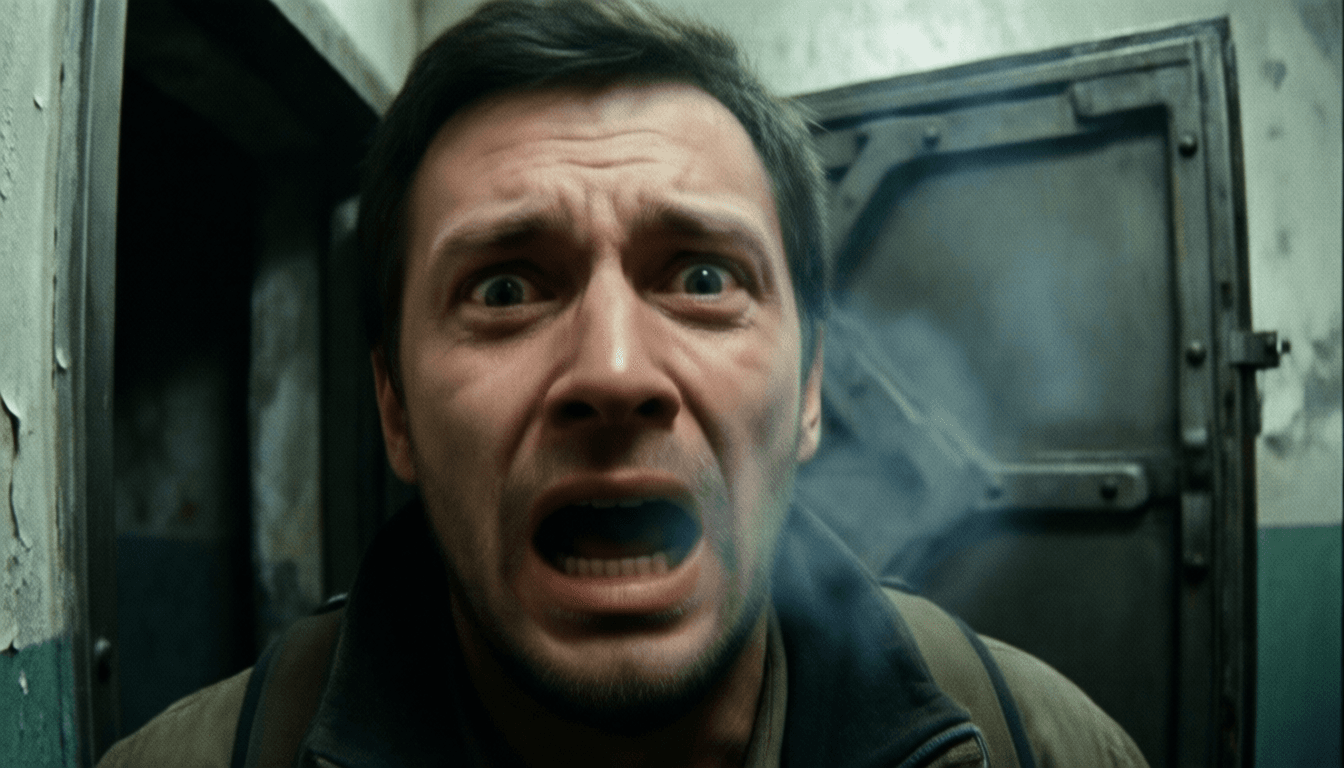
Weeks later, I suffered from deep, persistent insomnia. When sleep did come, it was fragmented, disturbed by vivid, terrifying hypnagogic hallucinations of distorted shadows and multi-layered whispers. The crushing pressure on my chest returned at unpredictable intervals, each time accompanied by a wave of intense, inexplicable dread. I found myself compulsively scratching my skin, a nervous habit acquired from the chamber.
One sleepless night, I uploaded a segment of the unedited audio recording to that anonymous forum where I had found the initial leak. The title was a single phrase: 'On Atmospheric Persistence.' The attached audio file began with mundane investigation sounds, slowly descended into the impossible noises of the isolation chamber, and then abruptly ended with my primal scream for sleep. The post content was brief: "Some things... don't disappear. They linger. Does anyone else hear them?" And the deep, empty silence of the sleepless nights that followed was the true horror.
[ CLASSIFIED VERDICT ]
[ACCESS LOG - SOURCE FILE]
This story is based on the famous urban legend 'The Russian Sleep Experiment'. While it concerns Soviet scientists experimenting with sleep-depriving gas on political prisoners, this story adds the element of 'unpredictable atmospheric persistence' of the gas, suggesting that its horror continues to linger in the forgotten ruins of Belarus to this day.