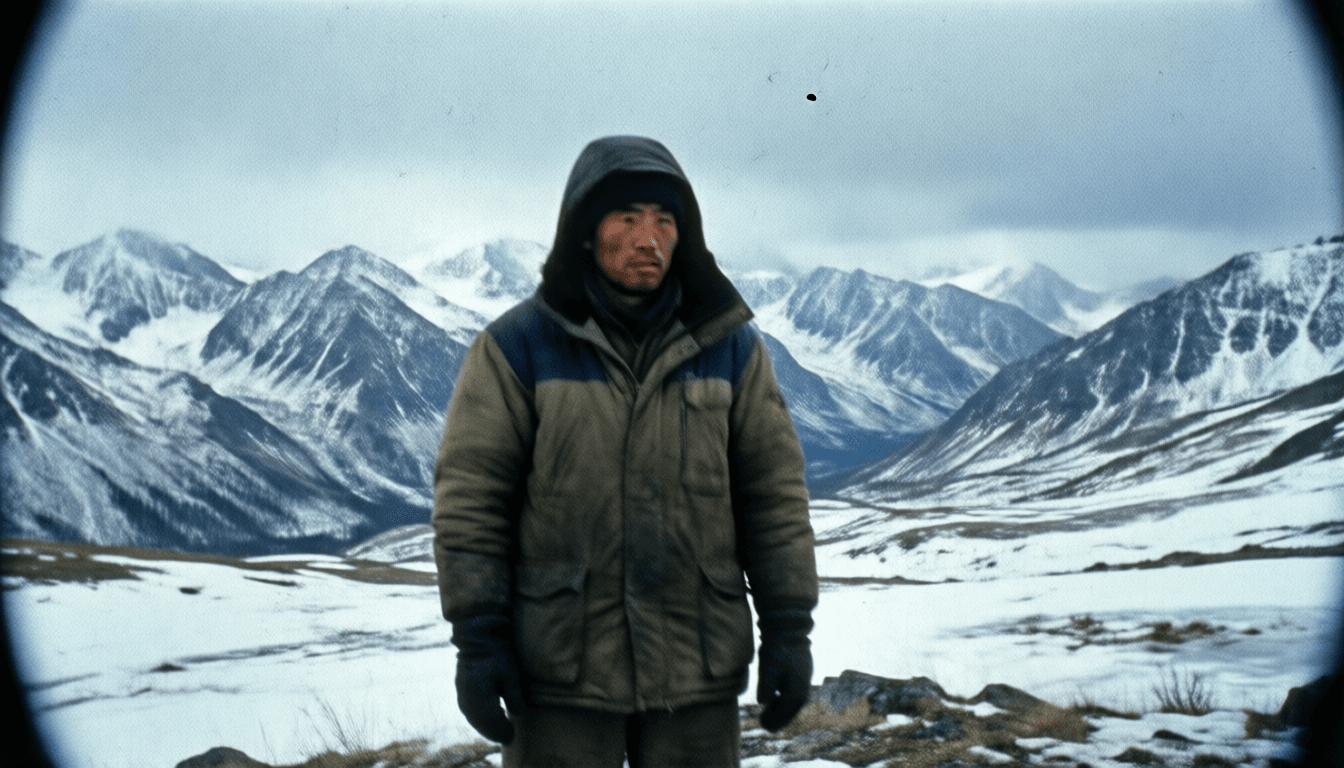
The Silence of the Mountain of Death
Official records state “an unknown compelling force.” In February 1959, nine experienced hikers died in the northern Ural Mountains. Their tent was torn from the inside, abandoned in sub-zero temperatures. Their bodies were found scattered; some lightly dressed, some with fractured skulls and ribs, and unexplainable internal injuries, including missing tongues and eyes. Yet, there was no sign of struggle externally. Traces of radiation were found on their clothing. Soviet authorities’ investigation yielded no conclusions, classifying the files and sealing the area for years. Theories ranged from avalanches and infrasound to military experiments and even Yetis, but for over 60 years, one stark piece of evidence remained: something drove them from their sanctuary to their deaths, leaving marks explainable by no conventional force. This is not just an unsolved case, but a persistent, chilling whisper that the mountain itself harbors a malevolent intelligence beyond our comprehension. Anomalous atmospheric distortions and local legends of “singing stones” drew me to Kholat Syakhl – the Mountain of Death.
My ascent began under a slate-grey sky, the air sharp enough to sting the lungs. I had obtained difficult permits under the guise of geological research. A gruff local guide named Sergei dropped me at the base of Kholat Syakhl, what the locals called “The Whispering Peak.” He refused to go further, muttering about “cold snow” and “air that steals sound.” I continued alone, following coordinates derived from my research – specific rock outcrops known for abnormal magnetic field anomalies. The snow was incredibly soft yet offered little purchase, the ground beneath a treacherous mix of ice and frozen shale. The wind, at first a low moan, gradually intensified, sweeping the desolate landscape with tangible force, carrying with it minute ice particles that scraped against exposed skin. I established a minimal camp directly in the wind-sheltered lee of my target rock formation, prioritizing insulation and stability. My sensors – a seismometer, a high-sensitivity magnetometer, and an infrasound recorder – were quietly deployed, beginning their vigil. The silence when the wind momentarily abated was profound, almost overwhelming. Not an absence of sound, but a weight pressing against the ears.
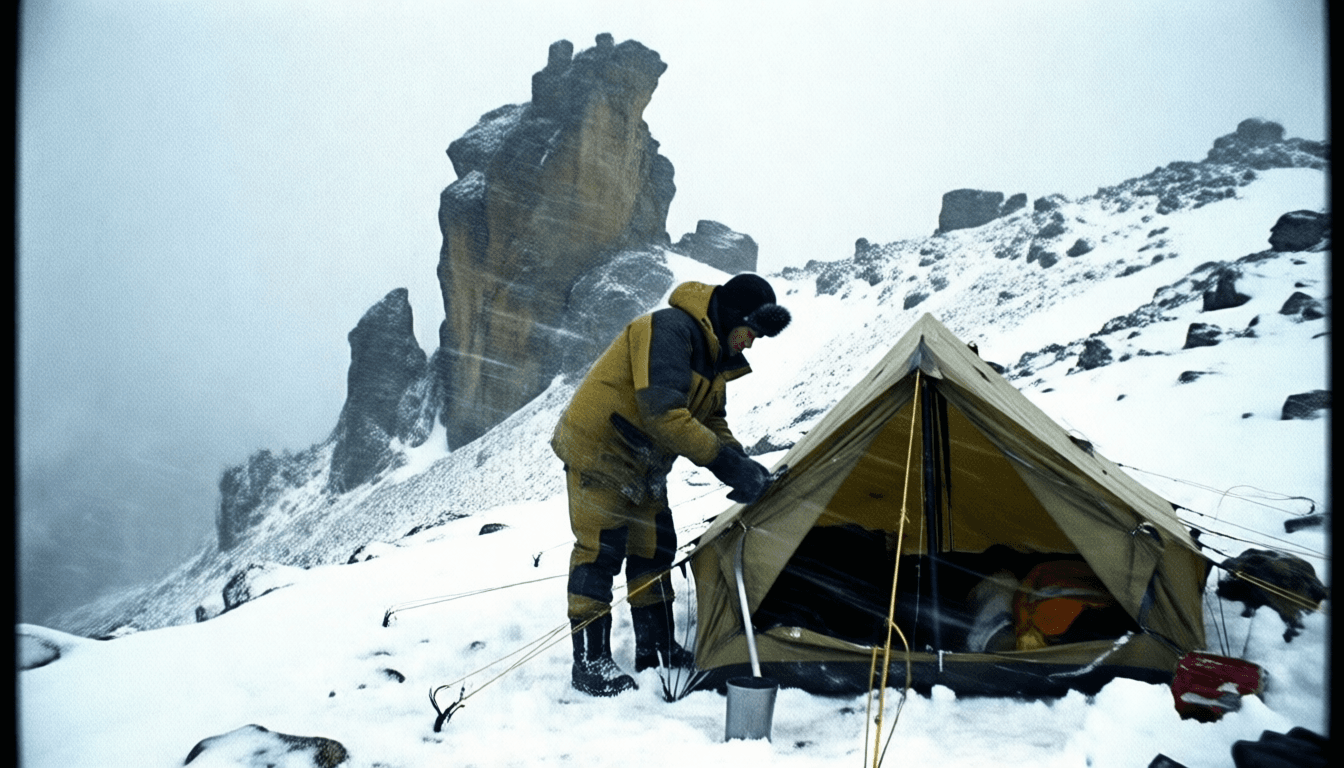
Within hours, the first anomalies registered. My magnetometer, calibrated for subtle shifts, spiked wildly before unnaturally stabilizing, as if reset by an unseen hand. My digital thermometer recorded localized cold spots inside the tent, plummeting by 15 degrees Celsius in seconds before abruptly returning to normal, leaving frozen wisps of breath hanging in the still air. The wind itself became a disorienting instrument; howling from one direction, it would immediately surge from the opposite with equal intensity, creating a chaotic vortex that tugged at the tent fabric with alarming force. I distinctly heard my name whispered on the harsh currents, a voice both distant and intensely close, yet undeniably not the wind. The infrasound recorder, set to detect geological pressures, began to pick up a continuous, incredibly low-frequency hum – a resonance so deep it was felt in the chest rather than heard, a dull pressure behind the eyes. When I attempted to record ambient sound with a separate directional microphone, I noticed a delay. A small shard of ice, dislodged from the tent, fell onto the snow with a crisp ‘tap.’ The sound, distorted as if traveling through a denser medium than air, reached my ears a fraction of a second after it should have. The mountain was not merely cold and quiet; it was maliciously manipulating the very delicate fabric of perception.
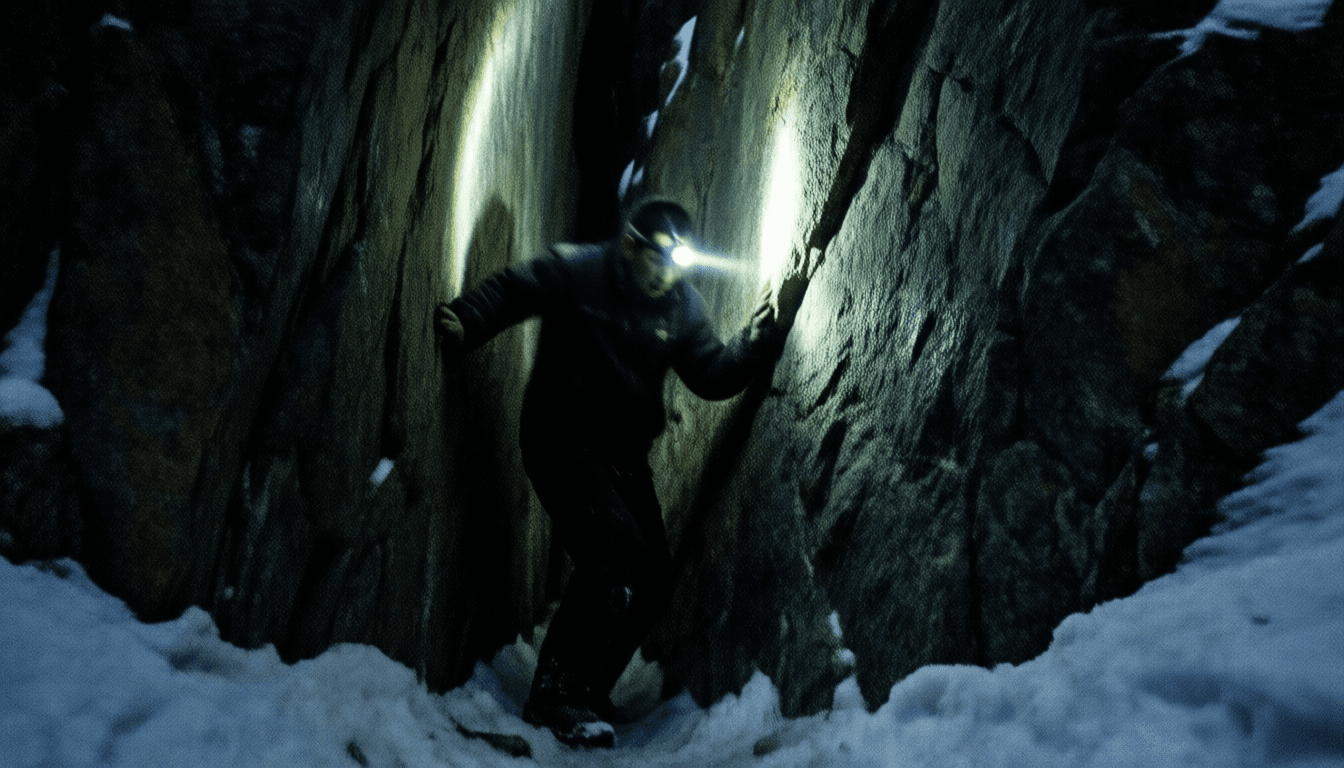
Pulled by the escalating readings, particularly concentrated energy signatures emanating from a narrow crevice in the rock formation, I ventured outside. The wind had ceased entirely, replaced by an absolute, suffocating silence that pressed in from all sides, deeper than any silence I had ever experienced. My headlamp beam seemed to be absorbed, losing intensity just a few feet ahead. As I neared the crevice, a sudden, powerful pressure enveloped me. There was no sound, no wind, yet I felt an immense weight crushing my chest, squeezing the air from my lungs. My ears clogged violently, and the silence deepened into a void. My headlamp flickered, then died. My communications device went dead, a faint burst of static its last utterance. Blinded and disoriented, I tried to retreat, feeling the air grow thick and viscous, like water, resisting my every movement.
A searing pain erupted in my ribs – deep, internal. It felt as if my very bones were twisting. I tasted blood and coughed, yet heard no sound. My vision blurred, turning a sickly yellow. I felt myself lifted imperceptibly, then violently slammed against an unseen rock face, all the air forced from my body. The internal pressure intensified, feeling like shackles pressing against my skull and torso. I felt a violent vibration coursing through my body, not an impact upon it, but within its structure, as if being rearranged, dismembered. The last clear thought before consciousness faded was of the Dyatlov victims’ internal traumas, and the terrifying realization that the mountain was not merely acting *upon* them, but *changing* them. I felt something tear deep inside; it wasn’t tissue, but a fundamental part of my sensory processing. A desperate, soundless scream was trapped in the crushing stillness.
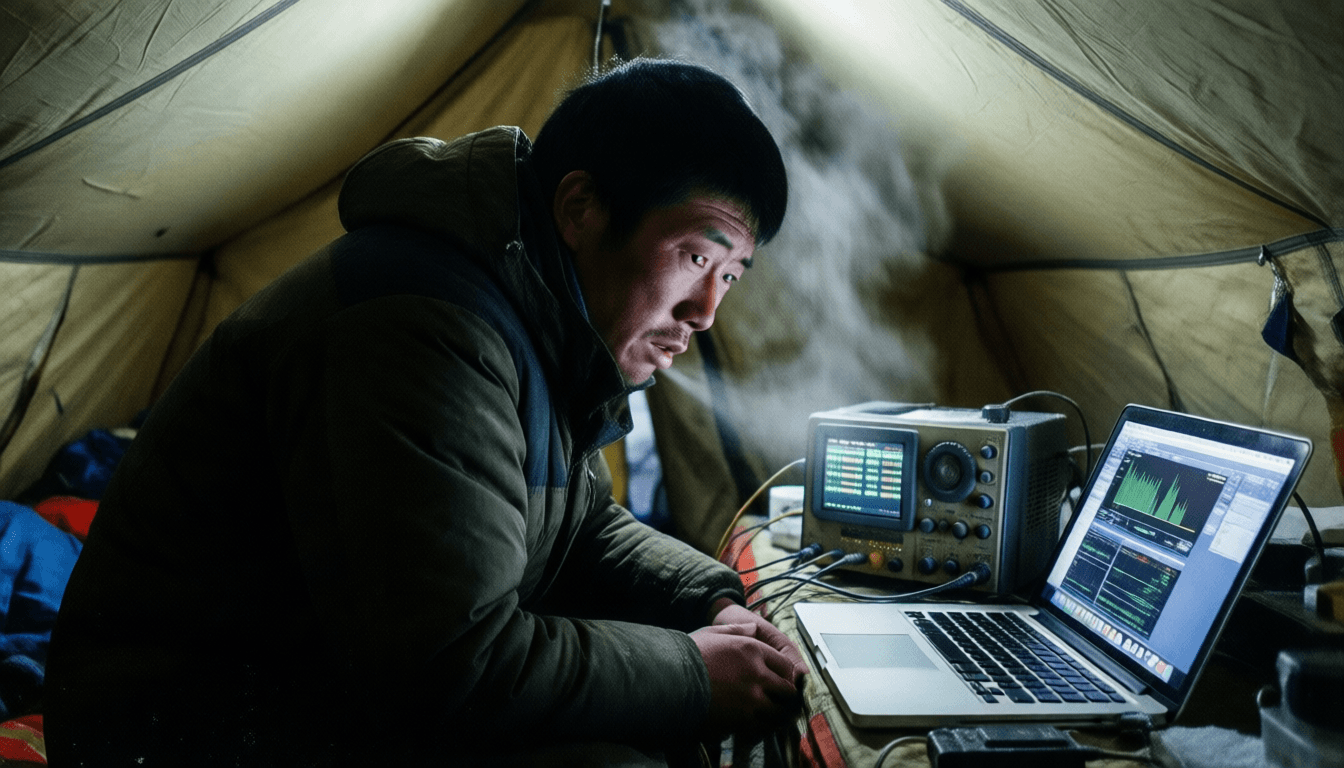
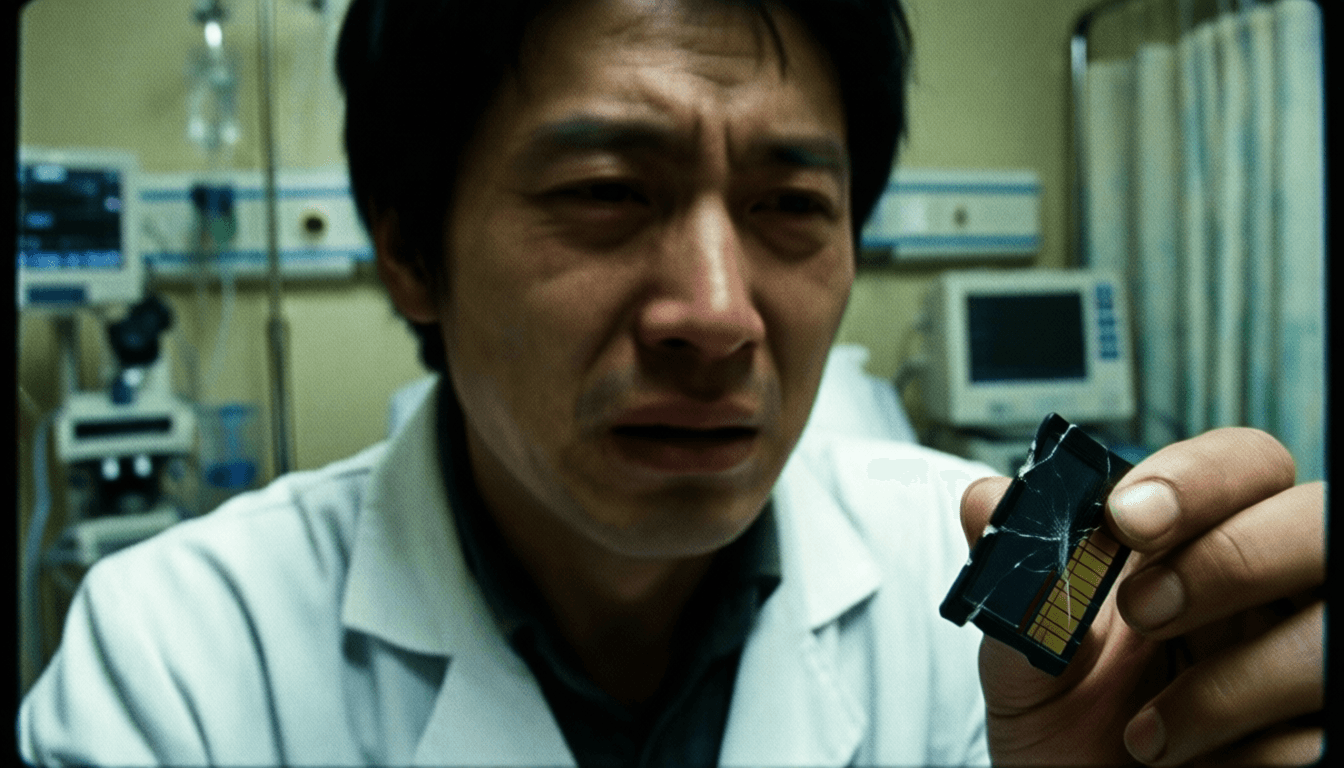
Hours later, I awoke, collapsed face down in the snow, meters from the crevice. My head throbbed with a dull, persistent ache. There were no external bruises apart from a small laceration on my forehead, yet my entire torso was a topography of deep, radiating pain. My backpack was, surprisingly, secure, though its contents were scattered. My sensors were irreparably broken, the infrasound recorder’s memory card ejected and cracked, but still in place.
The journey back was a hazy continuum of instinct and sheer will. Days later, in the sterile confines of a hospital, doctors found nothing beyond a concussion and severe internal bruising – inexplicable given the lack of external trauma or marks on my clothing. They attributed my persistent dizziness and painful hyperacusis to post-concussion syndrome.
But the mountain had left its mark. The memory card, against all odds, yielded a few seconds of corrupted audio: the incredibly deep, low-frequency hum, followed by the absolute, suffocating silence. And then, a faint, wet gurgling. It wasn’t mine, nor the wind. It sounded as if it emanated from the recording itself – a sound of struggle, or something being consumed.
And there was the taste. A metallic tang now permanently lodged at the back of my tongue, along with a phantom pressure in my throat, as if something had been forcibly extracted or subtly altered. I found myself struggling to pronounce certain words; my articulation seemed subtly damaged, as if my very speech had been… rearranged. The silence I had experienced on the mountain now manifested as an absence within me, a void where a piece of my perception, or something more fundamental, had once been. The mountain had not just attacked; it had redefined me. I survived Kholat Syakhl, but I did not return whole. A fragment of the “unknown compelling force” was now embedded, unseen and unheard, forever in the silent core of my being.
[ CLASSIFIED VERDICT ]
[ACCESS LOG - SOURCE FILE]
This story is based on the Dyatlov Pass incident, a real-life event from 1959 where nine hikers mysteriously died in the Ural Mountains of Russia. The hikers tore their tent from the inside, fled into sub-zero temperatures with minimal clothing, and some were found with unexplained internal injuries and missing tongues and eyes. The incident has remained a mystery for over 60 years, spawning various urban legends and chilling whispers.