The Silence of Al-Kharj: Spirit of the Earth
In early 2023, the 'Desert Wanderers,' a hiking club in Jordan, began sharing a shocking incident from an ancient archaeological site near Al-Kharj, bringing it to public attention. Al-Kharj was a forgotten pre-Islamic trading outpost located in a remote area of the eastern desert. During a guided tour there, a foreign tourist participating in the group vanished without a trace near a deep, narrow waterhole known as 'Bir al-Sahara' (Well of the Desert). Search parties found nothing.
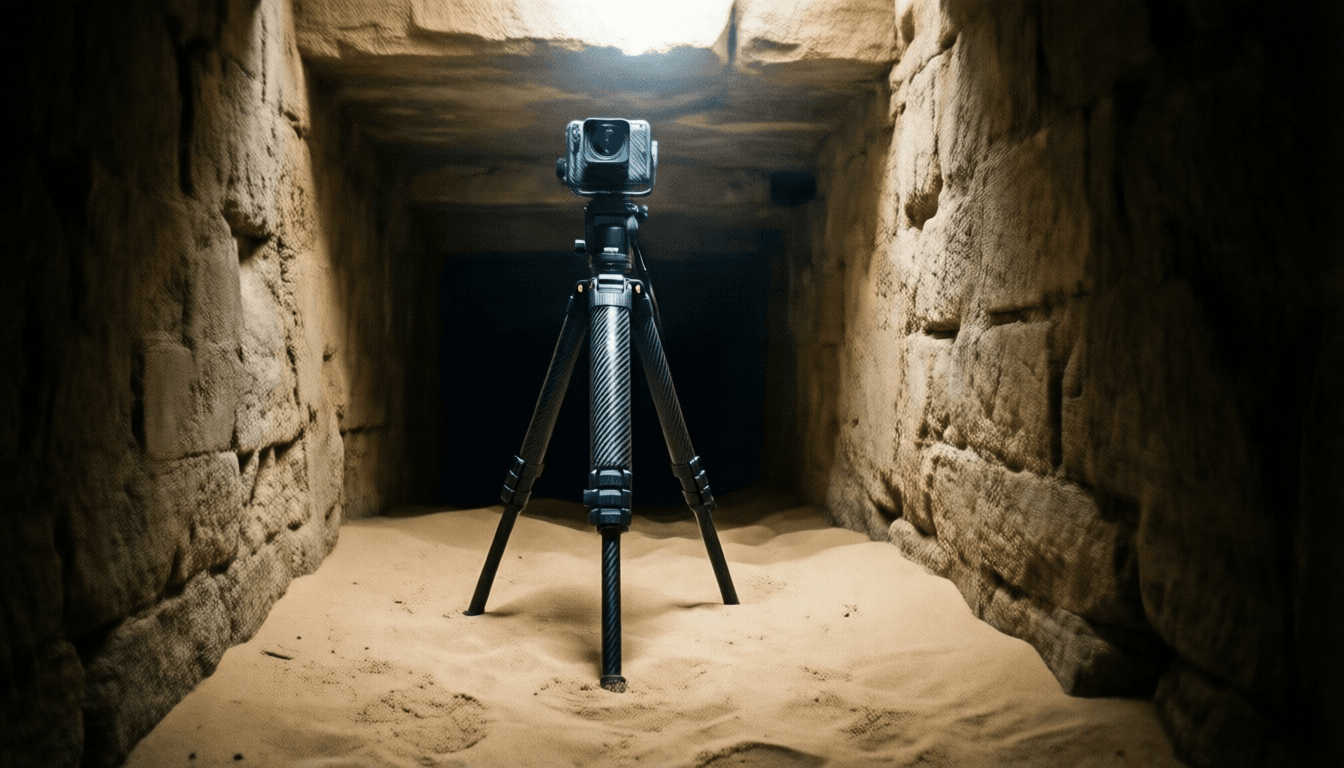
However, a few days later, the guide, Tariq, posted a blurry photo on his personal account, claiming he had revisited the site alone out of morbid curiosity. The photo showed the missing tourist's expensive carbon-fiber camera tripod standing perfectly upright at the center of the waterhole's bottom, undisturbed by wind or sand. The tripod was located 25 meters below the entrance. No footprints were visible on the finely settled sand. Tariq's post was promptly deleted, but a screenshot preserved the message, which read: "He was silent before he sank. And something else was silent with him." The post was mocked as a prank for likes, but it ominously coincided with ancient whispers about the region – rumors of strange disappearances and the unnaturally profound silence that sometimes fell over the ruins. The oldest residents attributed this to Ruh al-Ard—the Spirit of the Earth.
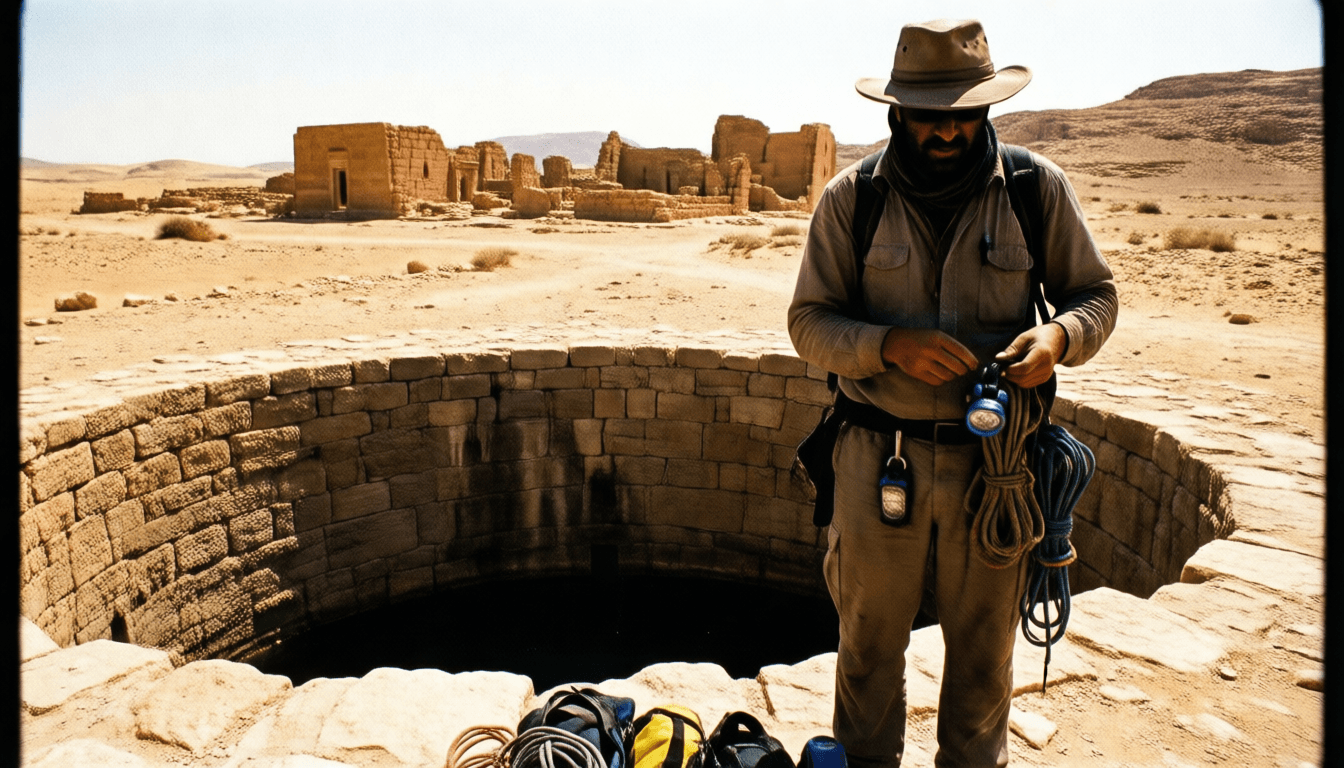
Drawn by the surreal anomaly of the tripod, I obtained permission to investigate the Al-Kharj ruins. The long journey was arduous and demanding, proving the site's isolation. As I approached the ruins, the characteristic desert winds and the distant calls of birds gradually faded. An unsettling quiet began to descend even before I reached the ancient stone structures. The air was still, and the oppressive heat of the sun intensified, yet there was no discernible breeze. The ruins were desolate, made of bone-white, faded sandstone.
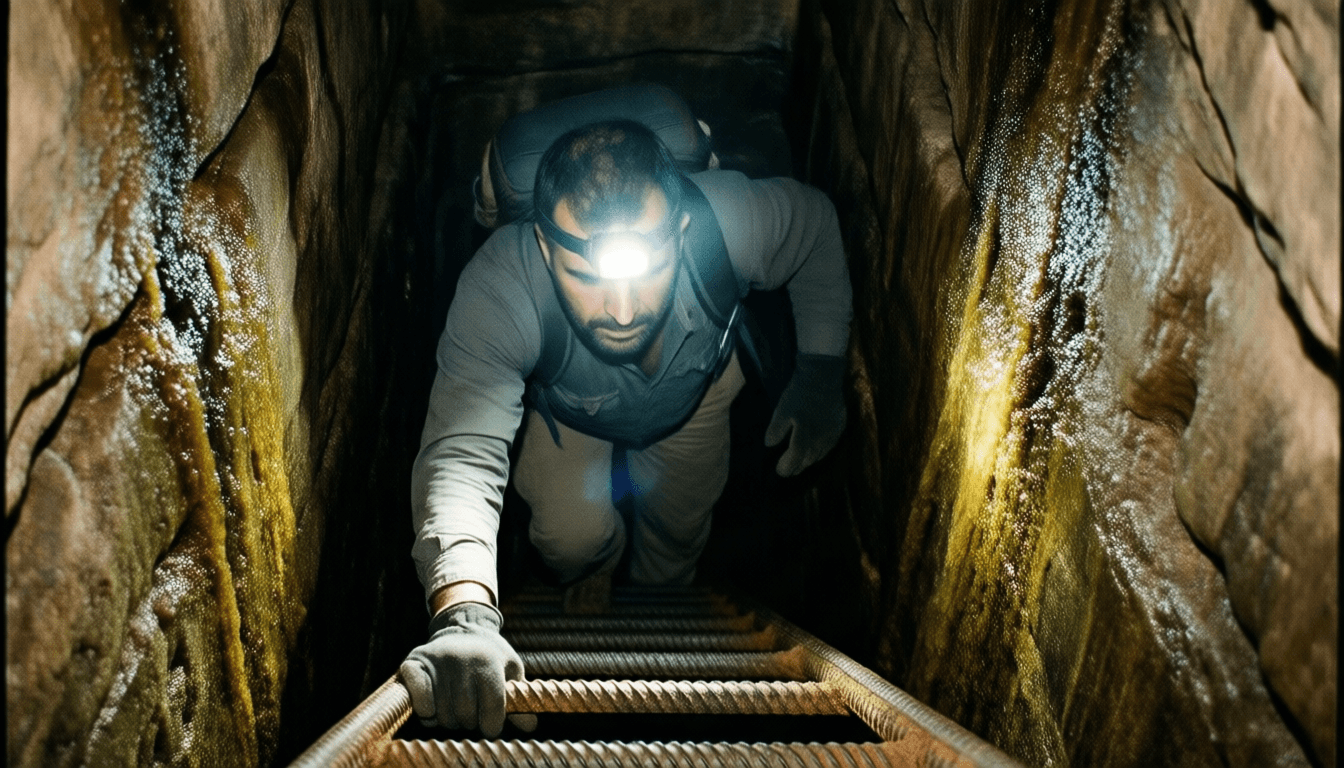
I located Bir al-Sahara. The narrow, circular opening in the ground was barely wide enough for one person to squeeze through. A makeshift ladder of rusted rebar was hammered into the rock wall. As I prepared my headlamp, environmental sensors, and recording equipment, the silence around the waterhole became absolute. Even the faint hum of distant vehicle engines, previously a comfort, completely vanished, as if absorbed by the ancient stones. The rustle of my own clothing felt deafeningly loud. Feeling the cold, rough rebar beneath my gloved hands, I slowly descended.
The descent into the waterhole was a journey into another sensory reality. With every meter, the air grew noticeably warmer, not with the heat of sun-baked stone, but an unseasonal, dry heat, like being trapped in an invisible furnace. My headlamp cut through the absolute darkness, revealing slippery walls of ancient mineral deposits, suggesting where water once pooled. The environmental sensors recorded a steady rise in ambient temperature, reaching nearly 45°C at the bottom, despite no external heat source or ventilation.
The silence was the most extreme anomaly. It was thick, heavy, and crushing, absorbing all sound. I attempted a simple echo test; a sharp clap was instantly swallowed, with none of the reverberation expected in a narrow stone enclosure. It wasn't merely an absence of sound, but an active nullification of it. Then, a barely audible, almost subconscious whisper began. It didn't come from any direction, but seemed to emanate from within the stone itself. It was an undecipherable language, yet a formless murmuring, like breath, suggesting a vast, patient presence. My skin tingled. The air was perfectly still, yet the fine, almost imperceptible layer of sand at the bottom began to ripple in tiny, swirling patterns.
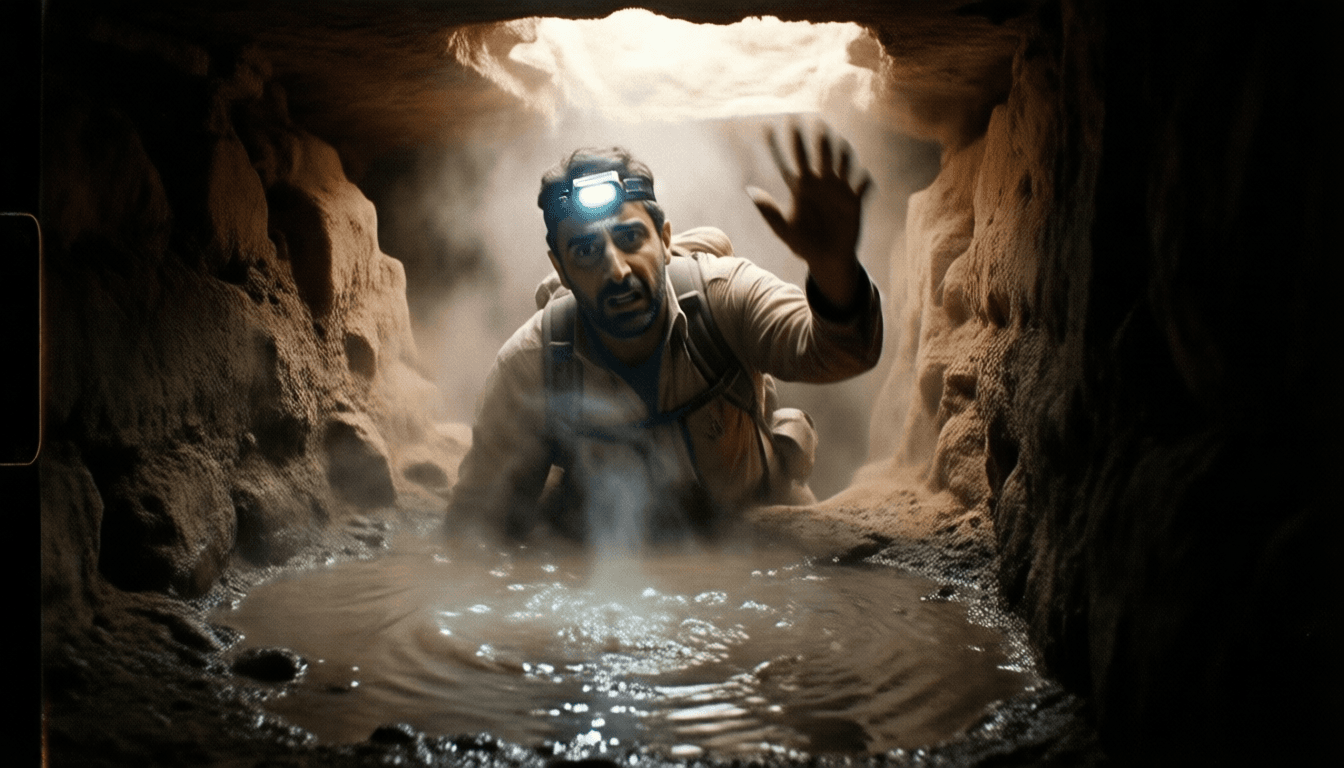
The whispers were no longer subconscious but distinctly audible, yet still without form or origin. It was not a human voice, but a dry, serpent-like sound that seemed to scratch the inside of my skull. The oppressive heat became unbearable, and the air shimmered like a mirage directly in front of my face. My portable thermometer malfunctioned, its display flickering "ERROR" from a temperature surge exceeding its operational limits. A small pool of ancient seepage at the very deepest part of the waterhole—a mere puddle—began to boil rapidly from within, without visible bubbles, evaporating into a thin, acrid vapor that smelled of ozone and burning earth.
Suddenly, a profound pressure enveloped me, as if an immense, invisible hand pushed me flat against the bottom. My knees buckled. I gasped for air, but my lungs refused to fully inflate. The narrow entrance to the waterhole, my only escape, was suddenly obscured, blocked by a dazzling cloud of dust surging inward. I was trapped.
A cold, sharp terror bloomed. I fumbled for my emergency beacon, but my fingers were clumsy and numb. The pressure intensified, pinning me against the rough floor. A burning, invisible touch grazed my arm, feeling like a brand, yet leaving no mark. My headlamp flickered violently, then died, plunging me into absolute, suffocating darkness. The whispers coalesced into a single, resonant sound, like a name whispered directly into my mind. It was a word I had never heard, yet it filled me with a primal, uncontrollable dread. A violent, unseen force slammed into my chest, knocking the air from my lungs and throwing me against the circular stone wall. With a sickening crack, my shoulder dislocated. Driven by a survival instinct I didn't know I possessed, I blindly scrambled, trying to find any purchase on the impossibly smooth walls.
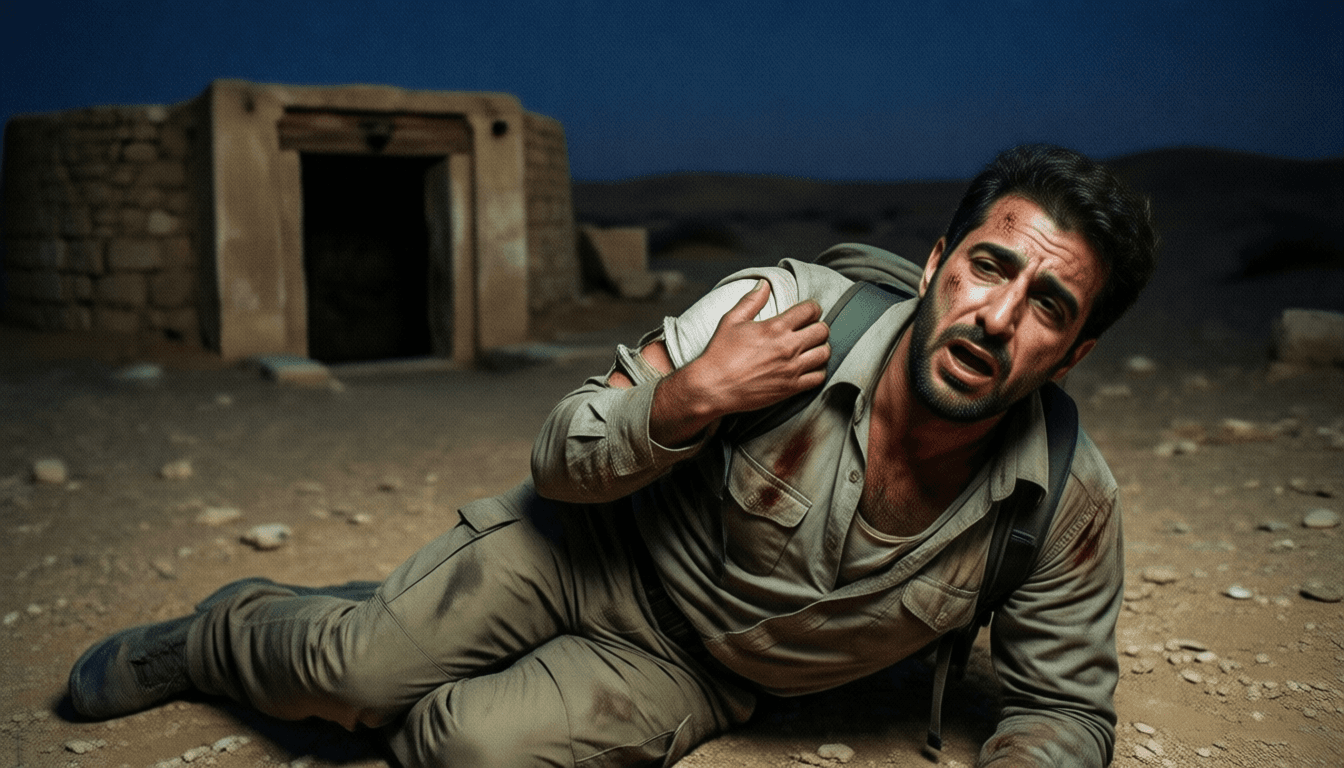
I don't recall the exact moment of my escape; only fragments remain: the desperate scramble upwards in the dark, rough hands covered in blood, a confusing sensation of passing through cold air for a brief moment, and then the blessed, yet still unsettling, silence of the desert night. The dust cloud at the waterhole's entrance was gone, and the rebar ladder was miraculously intact. I lay battered and broken on the desert floor, gasping for air, my shoulder screaming in agony. My recording equipment was shattered, its internal memory irrecoverably damaged.
Back in civilization, the physical wounds healed. My dislocated shoulder was mended, the scrapes faded. But the internal scars remained. The deep silence of the waterhole seems to have followed me. In the quiet of my apartment, the familiar hum of the refrigerator or the distant city noise often vanishes, replaced by an absolute, suffocating stillness. Sometimes, I catch a faint, acrid smell of ozone, or a sudden, inexplicable dry heat, even as other rooms remain cool.
And then there are the whispers. Mostly when I'm alone, a serpent-like murmur, seeming to curl around my ears. Not always clear, but sometimes distinctly, I hear the name. The name whispered into my mind in the darkness of Bir al-Sahara. Now, it echoes in the quiet of my home. I may have escaped the well, but it's a chilling reminder that something unseen, ancient, and profoundly other, may have escaped with me. The silence of the desert, I've learned, can be monstrously heavy. Sometimes, it holds an echo.
[ CLASSIFIED VERDICT ]
[ACCESS LOG - SOURCE FILE]
In Al-Kharj, an ancient ruin site in Jordan, rumors circulate about strange disappearances of tourists near a deep well known as 'Bir al-Sahara' and an unnatural silence that often falls over the site. This phenomenon is intertwined with an old local legend, believed by some residents to be the work of 'Ruh al-Ard'—the Spirit of the Earth.